The Hidden Gem of Matsu: "The Lost Hometown" – A Ruinscape Like a Sky Castle
Reported by Chen Zi-Yin / Matsu
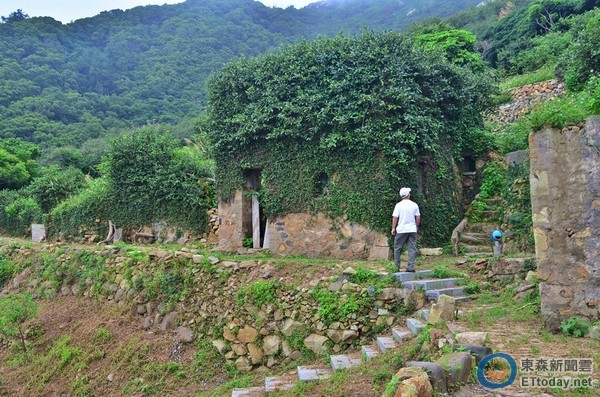
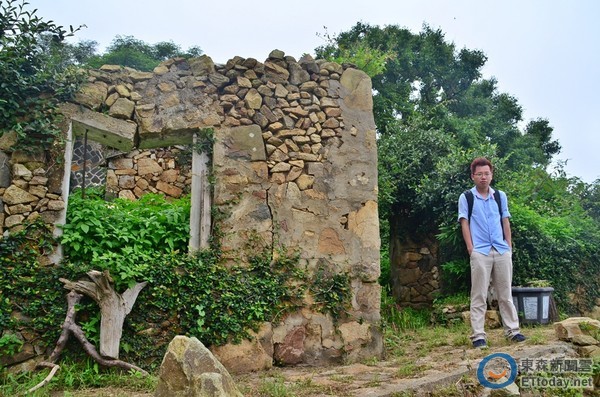
▲ This ruin in Zhuluo Village, Nangan, Matsu, resembles a scene from a sky castle, leaving visitors in awe. (Photo / Reporter Chen Zi-Yin)
A reporter visited this site located in Zhuluo Village, Nangan, nestled against the mountains and sea with views of Fuguo Bay. It was once referred to by villagers as the "Lost Hometown." Zhuluo Village is divided into an upper and lower section, and this legendary hidden ruin lies on the hillside of the upper village. Since around 1971, when residents relocated to Taiwan, the area has become a forgotten corner — a preserved ruin of the past.Wu Jianqing, operator of the Card Slide Hero Museum and chairman of the Zhuluo Community Development Association, said: “The Lost Hometown is no longer lost — it has come back to life and is becoming a hometown of hope.” In the past, the area was overgrown with weeds and impassable. Thanks to the association’s efforts in tidying up the surroundings and beautifying each dilapidated house in situ — preserving the original appearance of the broken walls — the area has been cleared of weeds and paths have been made, allowing visitors to explore this mysterious and rustic “ruins settlement.”
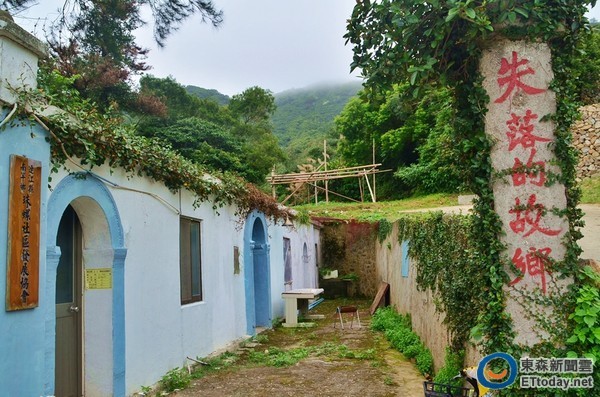
▲ Due to its unique appearance, this Zhuluo ruin is known as the "Lost Hometown." (Photo / Reporter Chen Zi-Yin)
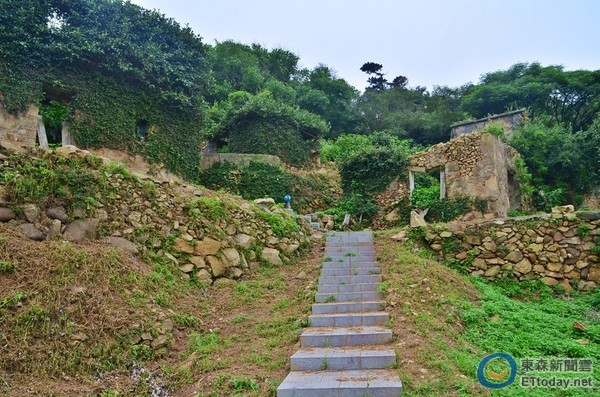
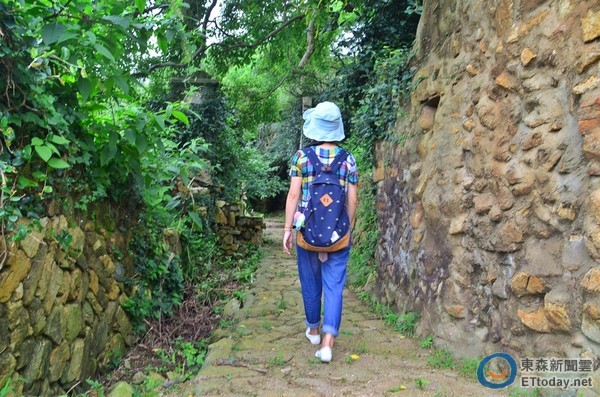
>> Click here to see more incredible photos of Matsu’s hidden gem, "The Lost Hometown" >>>>>
The Minnan-style architectural ruins in the upper village can rival those of Qinqi Village in Beigan, but with far less commercialization — offering an indescribable, unique atmosphere.
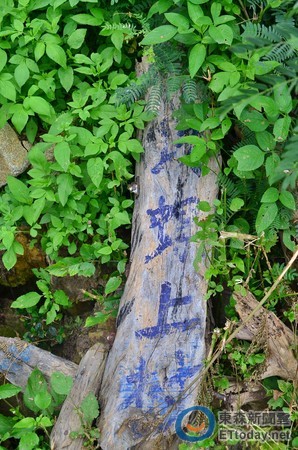
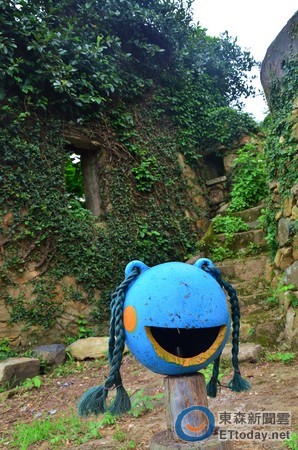
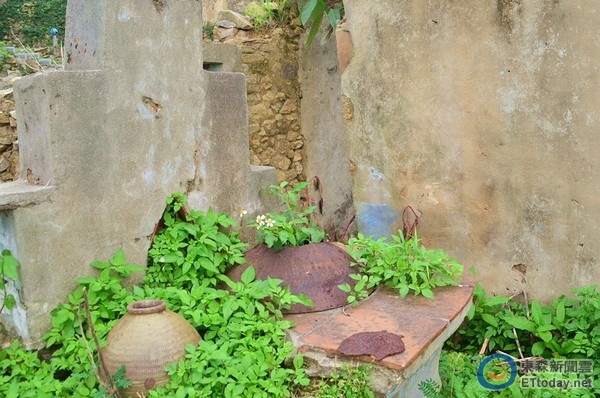
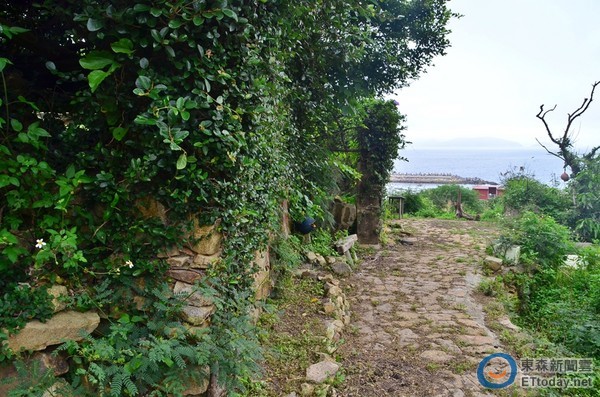
Wu Jianqing explained that this could be considered the most well-preserved and authentic representation of traditional Minnan architecture in the Matsu region. The stepped construction, typical use of “bluestone,” and the “bottle wall” exteriors — a feature from the mid-to-late martial law period — can all be found here. Some houses even feature both elements. Moreover, remnants of kitchens, stoves, and pigsties from that era remain inside the homes.
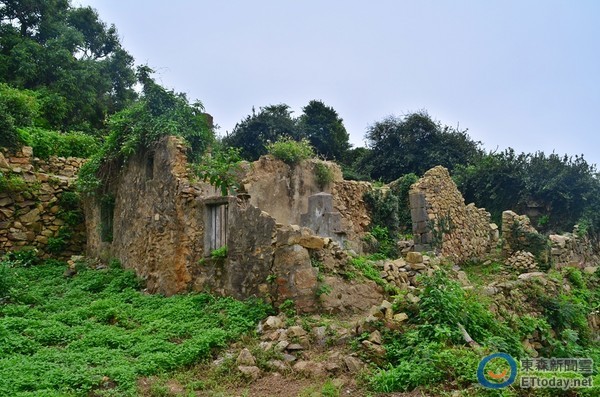
▲ Thanks to the association’s restoration work, the ruins are now accessible to visitors. (Photo / Reporter Chen Zi-Yin)
▲ Inside the houses, you can still see the stoves used by former residents. (Photo / Reporter Chen Zi-Yin)
▲ The combination of mountain backdrop and sea view is another hallmark of Zhuluo’s "Lost Hometown." (Photo / Reporter Chen Zi-Yin)“Ruins don’t have to remain ruins forever.” With the association’s efforts, retired villagers living in Taiwan have gradually expressed interest in returning to live here. Wu Jianqing noted that unlike Qinqi, which has implemented a “settlement preservation plan,” if residents return to renovate and live on their private land in Zhuluo,
it will be difficult to maintain the current state of the ruins. Only gentle persuasion can be used, with hopes of preserving the area’s distinctive Minnan architectural features and original charm without compromising its authenticity.
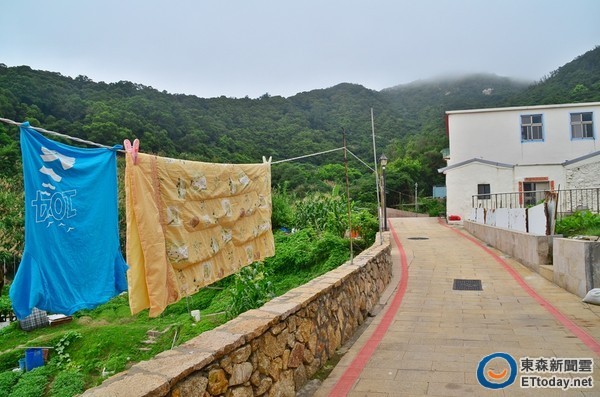
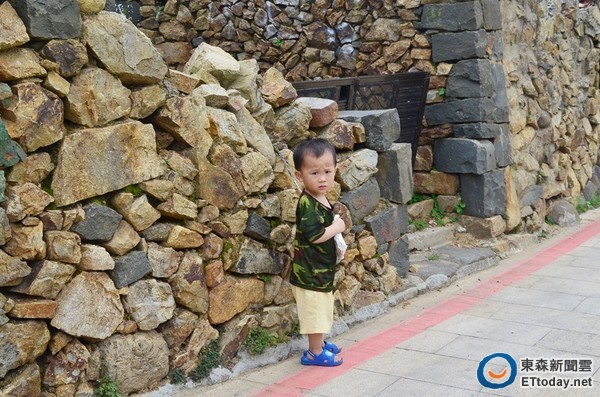
Wandering through the “Lost Hometown” in the upper village, only the sounds of chickens and cicadas can be heard — the concept of noise feels long forgotten. The raw, unspoiled feeling attracts visitors to keep “unearthing treasures” in this mysterious ruin, where time seems to have stopped. Your mind can’t help but imagine scenes of families cooking over wood fires or children playing on the steps. It also brings forth the paradoxical feeling that “ruins are not just ruins.”
Share
This article is published by HowToTrip. Sharing and reposting are welcome — please credit the source.
Article URL: https://www.howtotrip.net/views-22561
Related Articles
- Shaoxing's "Grandpa Gourd" hangs the gourds back up: "If there are too many people, we'll interact less — just take a quick look from afar"
- Chinese authorities announce "reciprocal adjustment" to Japan visa fees — single-entry visa jumps from 2,250 to 16,750 yen!
- The "health stones" carried by a traveler were found to have radiation levels exceeding safety limits by a thousand times, potentially endangering fellow passengers on the same flight. Customs issues warning!
- Shenzhen Airport Issues Late-Night Notice: Unidentified Aerial Object Detected, Causing Widespread Flight Delays!
- “They only said it cost money after I opened the box and washed it!” 200g of grapes sold for 60 yuan on a high-speed train—12306 responds!
- Can't buy an airline ticket? Denied exit? Blocked from boarding? A large number of Chinese tourists have mysteriously become "discredited individuals"
- Adverse weather and economic fluctuations impact Colombia's coffee market
- Beach bathing area responds to 2 yuan/30 seconds fee for freshwater foot rinsing: Clearly priced!
- Taking off with an improperly closed cabin door? Wing malfunction? Multiple flights made emergency returns mid-journey!
- Experience the gifts of nature! A countdown of the world’s ten most stunning coastlines