Experience the ultimate coastal adventure—effortlessly explore the top 3+1 must-visit seaside spots in Tainan.
Text and photos byAh Kuai’s Home
The Mid-Autumn Festival in 2013 offered a four-day holiday. I didn’t want to travel far from home or endure the crowds and traffic jams. Tainan has several seaside attractions that I often visit. This time, I planned a trip that avoids traffic congestion and ensures maximum enjoyment—a journey filled with knowledge and local charm… “Experience the ultimate coastal adventure—effortlessly explore the top 3+1 must-visit seaside spots in Tainan.” Qigu and Beimen in Tainan are simple towns near the coast. Besides delicious milkfish, there are lesser-known spots featuring the country’s largest oyster farms and salt fields. These enriching and educational attractions, such as Qigu Salt Mountain, Beimen NanKunShan DaTianFu Temple, DaKun Garden, the most raft-filled fishing port—Luzhugou, Shuangchun Beach, and the early 7-11—Qianlaiye Grocery Store, as well as the sunset spot at Jingzijiao, allow visitors to enjoy the most rustic and authentic seaside vibes in Beimen and Qigu, ensuring a fulfilling and memorable trip.
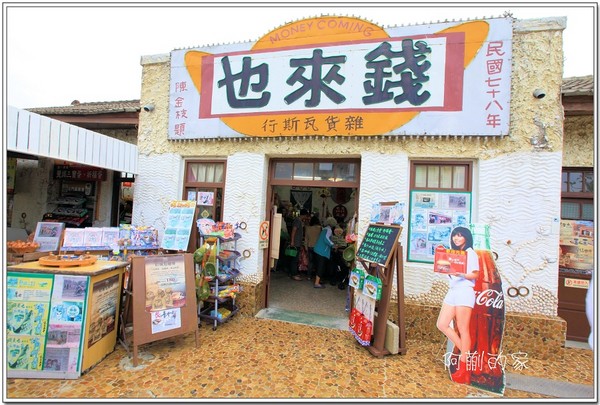
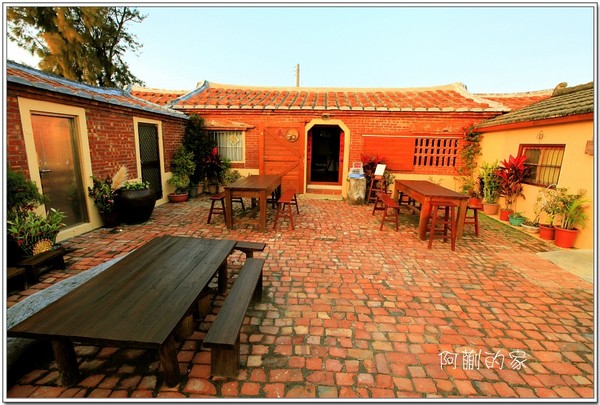
Driving west along Highway 17, the car speeds across the vast salt fields. Rolling down the window, a cool, moist, and salty breeze greets you. The seemingly endless road stretches out, with salt fields and fish ponds spreading as far as the eye can see. Arriving in Beimen District, you’ll find a traditional old house with tiled roofing. This is a store reminiscent of an early 7-11 convenience shop. Qianlaiye Grocery Store was once a welfare store for salt workers. When the Beimen Salt Field ceased salt production, marking the end of an era, the building remained unused for years before being transformed into its current form, now exuding a strong local character.
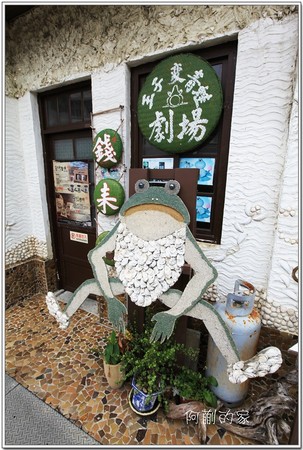
The exterior walls of “Qianlaiye” are made from locally discarded tiles, shells, and oyster shells. As a filming location for the idol drama “Prince Turns to Frog,” it gained popularity after the show aired and gradually became a well-known and must-visit tourist spot, especially for younger visitors.
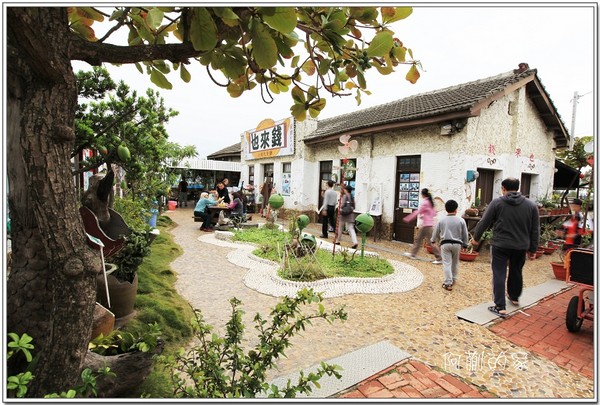
The exterior walls of “Qianlaiye” are made from locally discarded tiles, shells, and oyster shells. As a filming location for the idol drama “Prince Turns to Frog,” it gained popularity after the show aired and gradually became a well-known and must-visit tourist spot, especially for younger visitors.
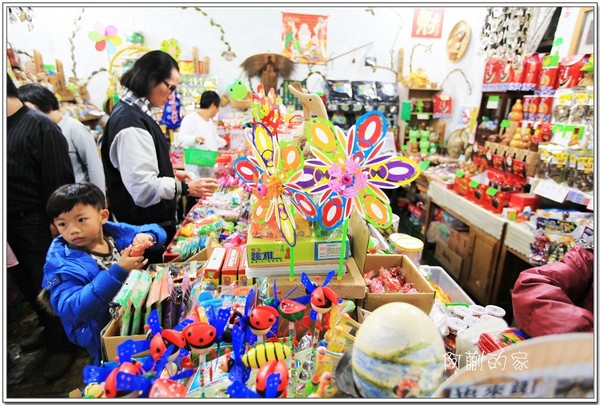
Located opposite the Yunlin-Kaohsiung-Tainan Scenic Area Administration Office, “Qianlaiye Grocery Store” was once a welfare store for Taiwan Salt workers. Today, it has transformed into a charming and uniquely distinctive little shop. This small grocery store displays many traditional items, and upon closer inspection, it’s full of delightful surprises.
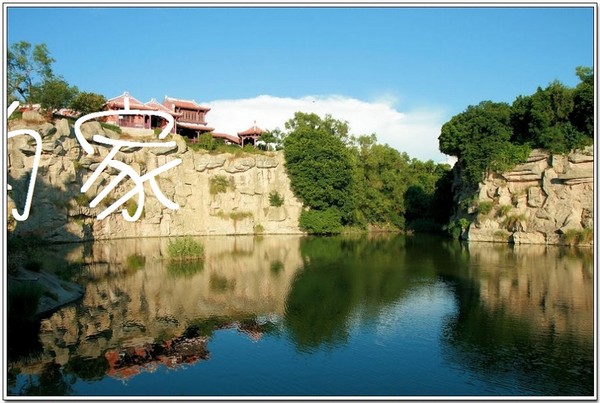
Next to Highway 17 in Beimen District, there’s a serene lakeside world. It’s located next to the NanKunShan DaTianFu Temple. Walking through the entrance, you’re greeted by a vast lake and cliffs with unique architectural features, unlike any other buildings. “DaKun Garden” is an elegant and classic garden retreat, quietly standing beside the bustling temple, creating a surreal feeling of traveling from the present to ancient times. The garden also features a man-made cave, and stepping inside feels like entering a prehistoric scene. What does it look like inside? Let my curious self find out—Up ahead, I’m going to explore it further.

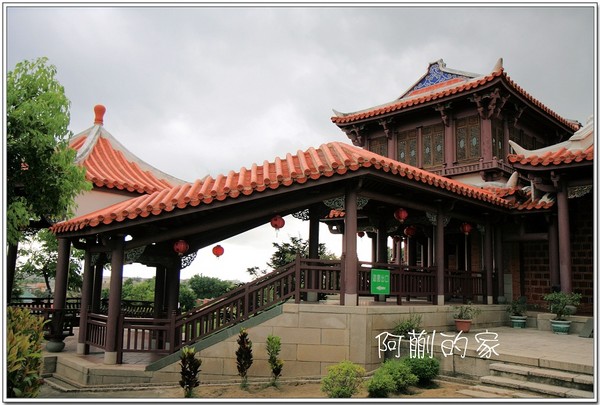
“DaKun Garden” is a classic and elegant garden landscape, spanning over 6 hectares. The entire park is primarily constructed with teak wood, featuring pavilions, towers, flowing water, and rocks, showcasing the art of traditional garden design. At first glance, it resembles a filming set for a period drama. Strolling through “DaKun Garden” feels like stepping into an ancient dynasty with breathtaking mountain and water scenery. Slowly admiring the winding pavilions and towers, the poetic and picturesque garden artistry brings indescribable joy to the soul.
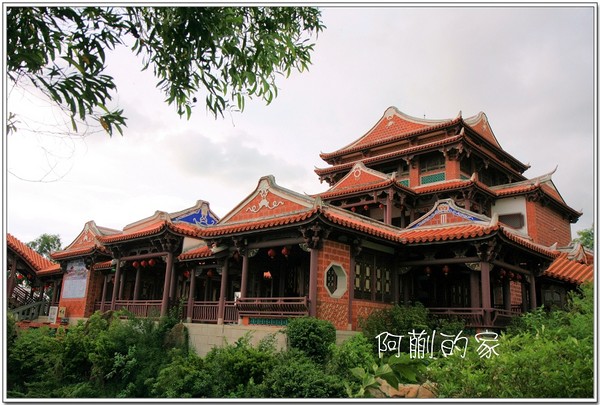
At first glance, it resembles a filming set for a period drama. Built against a hillside with bricks forming cliffs, connecting mountains and water, it features artificial waterfalls, towers, and flowing streams, all designed in the style of a Jiangnan garden.
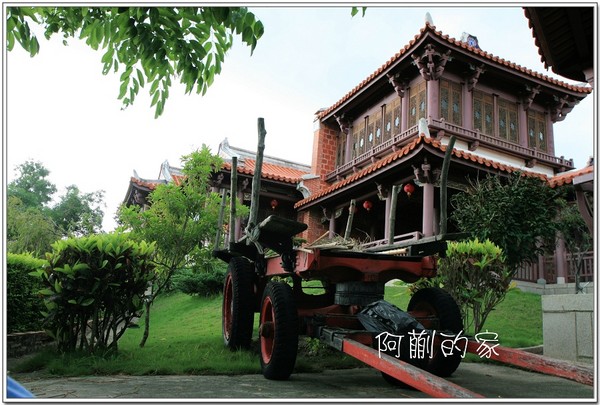
The entire garden’s design resembles the landscaping of the Ming Dynasty’s Grand View Garden, complete with small bridges over flowing water, rocky waterfalls, floral corridors, and pavilions. The overall planning highlights the essence of garden design.
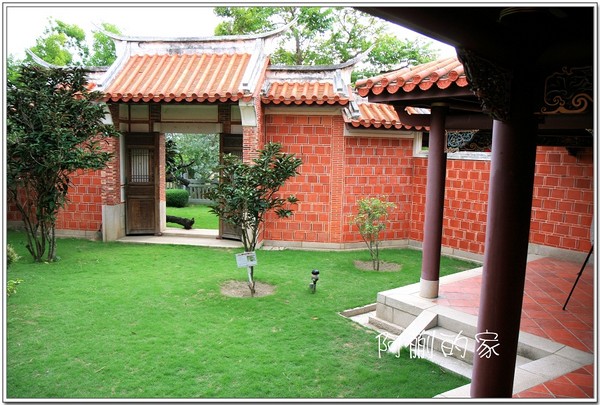
Winding stone stairways, seasonal flowers and trees competing in beauty, pavilions, towers, lakes, and flower-lined corridors are scattered throughout. Climbing up offers a panoramic view of the beautiful scenery of the salt-producing village and oyster fields.
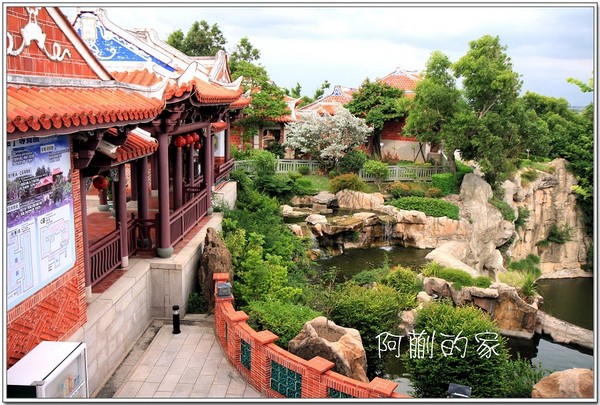
During its construction, lime walls were built, and artificial waterfalls created to connect the mountains, water, and lake. Designed with hills and lakes in mind, it mimics the style of a Jiangnan garden landscape.
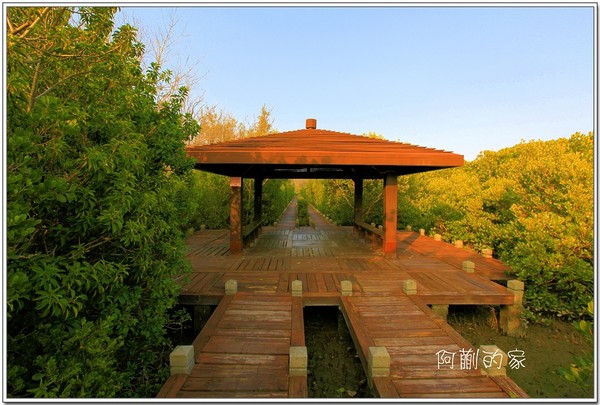
Shuangchun Beach is located in the coastal area between Beimen Township and the mouth of the Bazhang River (near the NanKunShan Temple). It features a large expanse of fine white sand with soft, delicate grains, perfect for beach activities. There’s also nearly 100 hectares of casuarina windbreak forests, where you can go birdwatching and explore the intertidal zone via wooden boardwalks. At dusk, stroll under the golden sunset, enjoying the gentle sea breeze… Upon entering Shuangchun Beach, after passing a large open area, you’ll find a pavilion, which is part of the beach’s ecological zone. Walking on the wooden boardwalk feels like being surrounded by trees on both sides. These ecological zones hold some hidden surprises.
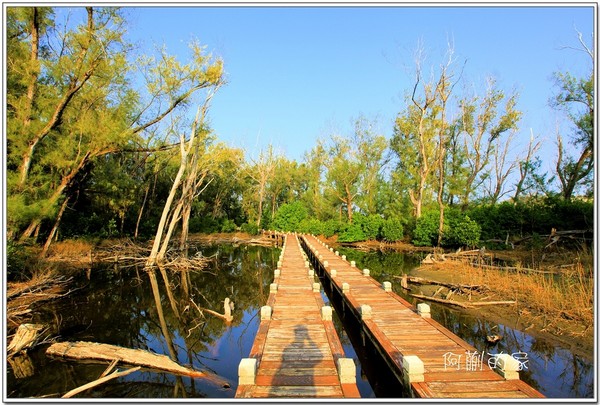
Doesn’t a landscape of dead trees have its own unique beauty?
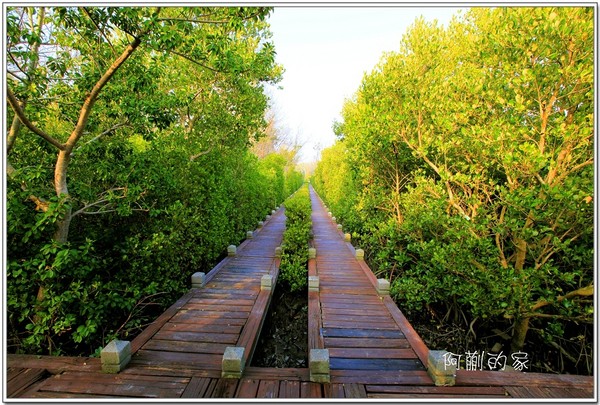
In this water area, two circular wooden boardwalks wind through the mangroves. We couldn’t miss the chance to walk on the boardwalks and admire the mangroves. The mangrove trees on both sides of the boardwalk are taller than people, almost like walking through a maze. Following the wooden boardwalk leads to the vast casuarina forest, a beautiful sight that feels very much like Cambridge.
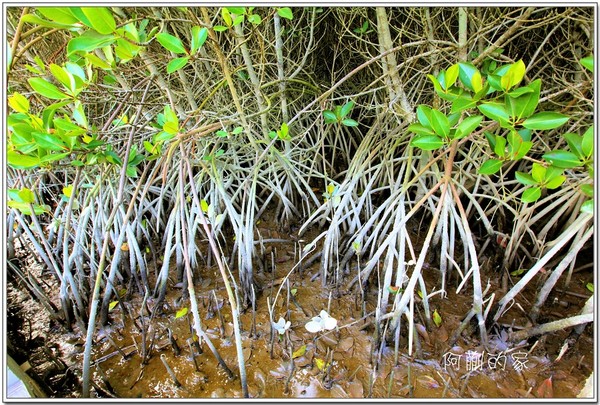
This water area actually contains all the mangrove species found in Taiwan, making it truly worth a visit.
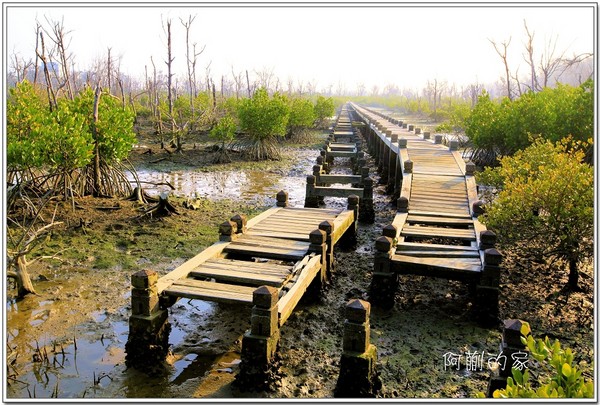
The abandoned beach is unmanaged and somewhat desolate, with few people on the way to the ecological zone. It’s recommended to visit with companions for safety.
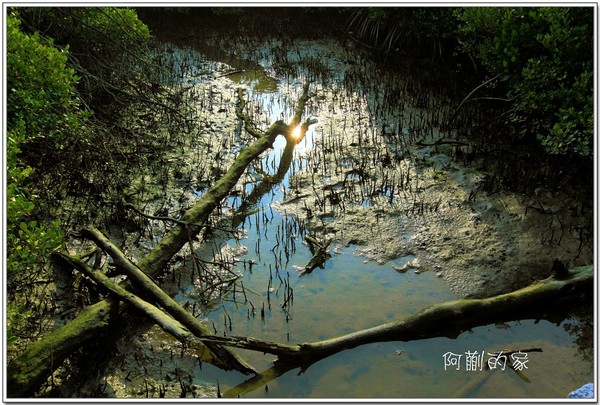
Watching a few tourists crouching nearby, taking photos and pointing at the soil under the wooden bridge, I also curiously crouched down. It turns out there are many hermit crabs under the trees, scurrying around—so lively and active.
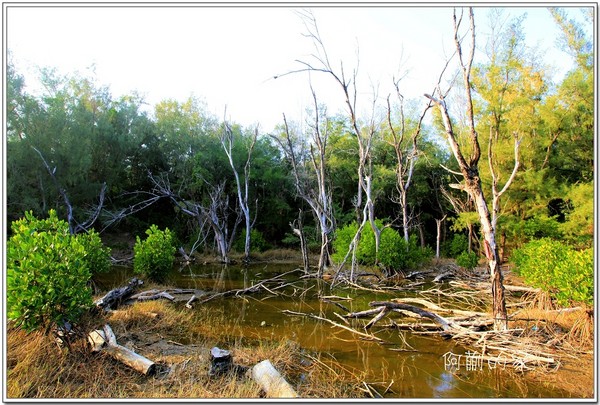
The dead casuarina trees have been submerged by seawater, and the water is teeming with small fish swimming around. In the shallower muddy areas, you can spot small crabs and mudskippers darting about.
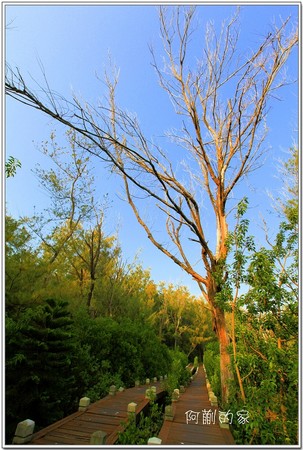
The beach has nearly 100 hectares of casuarina windbreak forests, with birdwatching boardwalks running through them. The boardwalks are flanked by windbreak forests and wetlands, and there are public facilities such as pavilions, parking lots for cars and motorcycles, a beach area where swimming and barbecuing are prohibited, and a barbecue area for cooking experiences. The conservation area is located at the mouth of the Jishui River, where freshwater and saltwater meet, making it ideal for mangrove growth. It serves as a protected zone for mangrove restoration, featuring Taiwan’s four precious native mangrove species. The more common ones are Kandelia obovata and Kandelia candel, while the other two are Lumnitzera racemosa and Rhizophora stylosa (also known as Wu Li Jiao), which are important highlights of the park. (Shuangchun Beach is currently unmanaged and abandoned; visitors should exercise caution.)
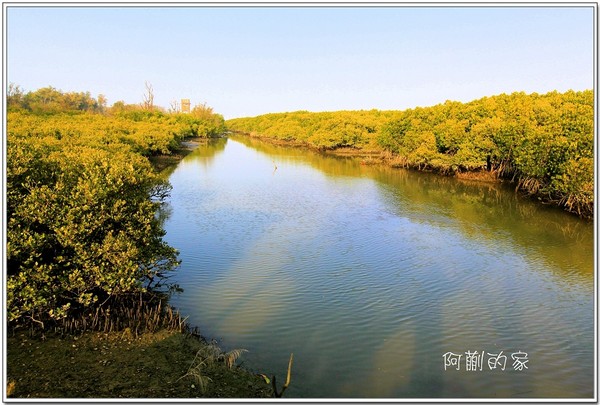
This water area actually contains all the mangrove species found in Taiwan, making it truly worth a visit.
On the afternoon coastal highway, vehicles come and go, and you can see fishing boats everywhere. Entering through the Tai’an Temple archway, the scenery along the way consists of fishing boats and abandoned salt fields. Watching egrets returning to their nests by the mangroves and listening to the occasional calls of seabirds, all the worries of the day melt away. The tranquil scene brings joy and delight. Arriving at黄昏的井仔脚 (Jingzijiao at dusk). Jingzijiao is close to the Beimen Salt Lake. Visitors here can not only experience the fun of salt drying and harvesting but also enjoy the vast salt lake next to the salt fields. The view of the Beimen Salt Lake, especially during sunrise or sunset when the light reflects on the lake or salt fields, is truly unique. The nearby abandoned salt fields have become a paradise for birds, attracting many migratory birds during the birdwatching season. It’s a favorite spot for relaxation and photography enthusiasts.
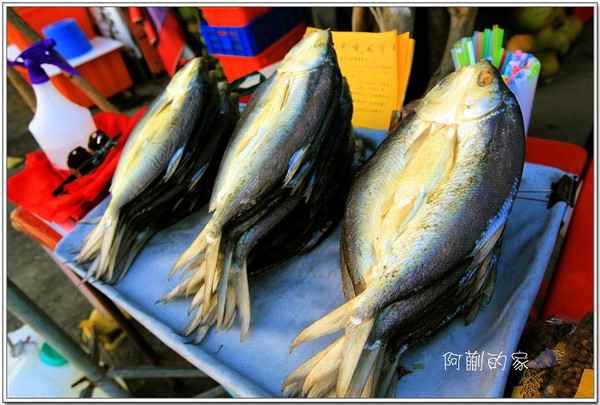
There’s a small stall selling dried milkfish here. Roasting the dried milkfish makes it the perfect pairing for drinks.
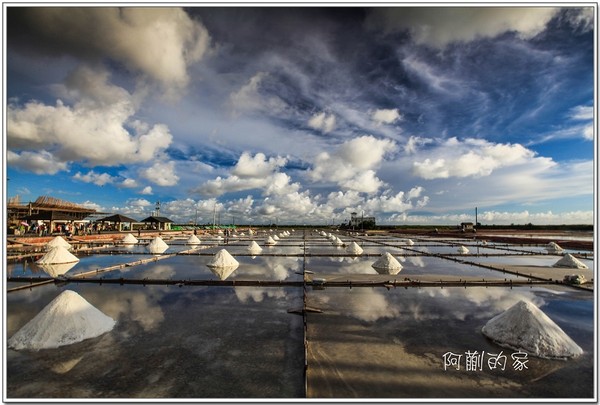
Jingzijiao is close to the Beimen Salt Lake. Visitors here can not only experience the fun of salt drying and harvesting but also enjoy the vast salt lake next to the salt fields. The view of the Beimen Salt Lake, especially during sunrise or sunset when the light reflects on the lake or salt fields, is truly unique.
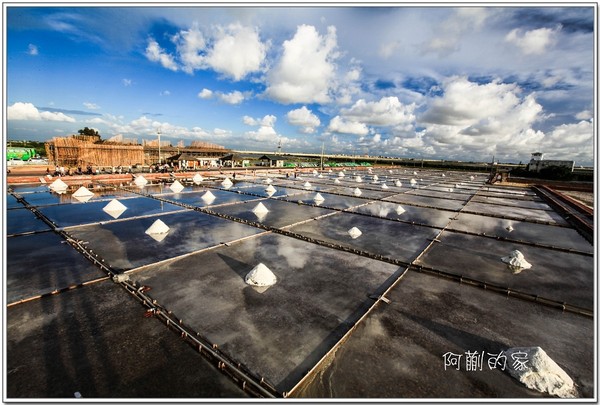
Want to be a salt worker? If you’re willing, you can try it yourself—hauling salt, harvesting salt, and piling salt are all hands-on activities you can do.
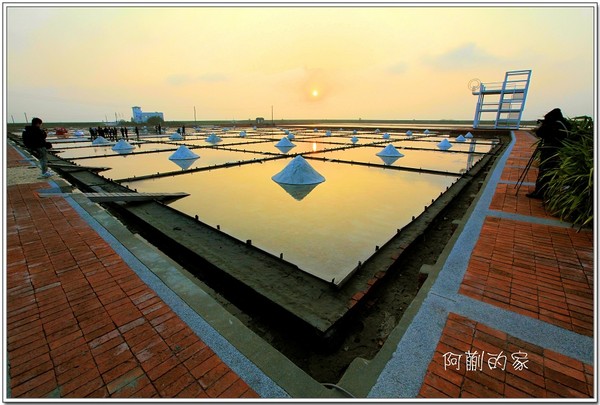
Jingzijiao is close to the Beimen Salt Lake. Visitors here can not only experience the fun of salt drying and harvesting but also enjoy the vast salt lake next to the salt fields.

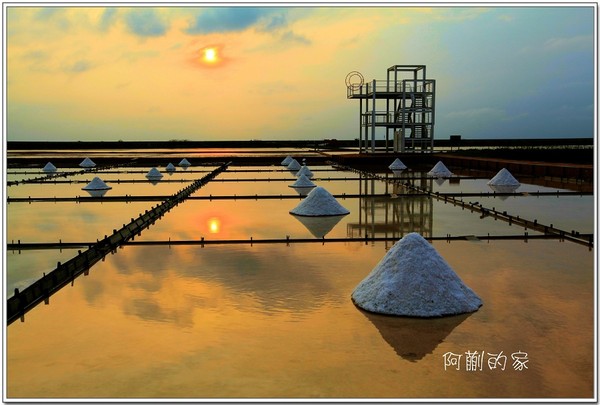
When the setting sun shines on the salt fields of Jingzijiao, it’s a truly moving sight. The Jingzijiao tile salt pans are the first and oldest surviving tile salt pans in Beimen District. Here, visitors can experience the traditional fun of sun-drying, carrying, and harvesting salt, while also enjoying birdwatching, viewing the salt fields, and watching the sunset—all in one go.
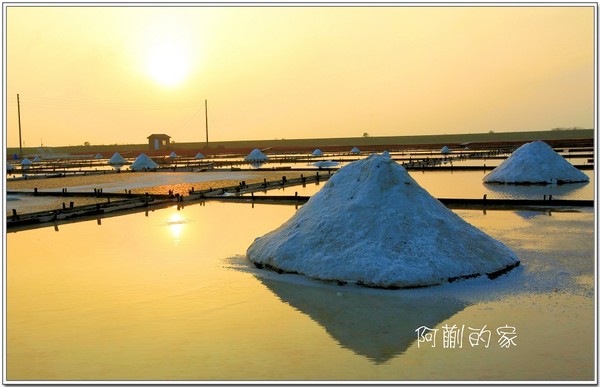
As the sun sets, ‘Jingzijiao’ takes on a whole different charm. The golden light of the setting sun reflects off the salt pans, creating a truly stunning and beautiful sight. No wonder many photography enthusiasts often wait here. Having seen sunsets in so many places, this can be said to be the best spot in the Tainan area to watch the sunset—truly a trip well worth it!
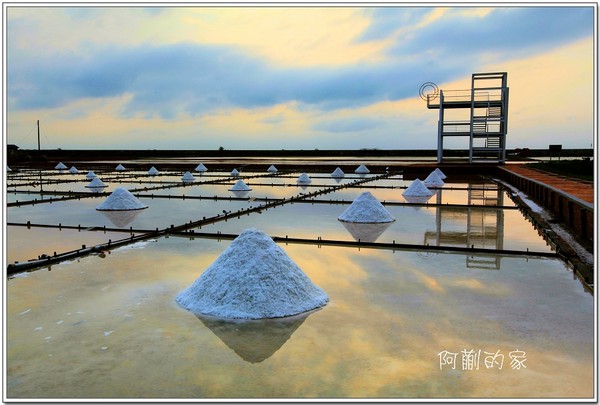
Nowadays, the salt pans no longer produce salt, the salt workers have gradually passed away, and the population of the salt villages has declined—all part of the changes brought by time. What we see now are just piles of salt mounds.

Stretching out before your eyes is a vast expanse of salt pan scenery, as if stepping into a time tunnel and returning to the days when salt was harvested in the past.
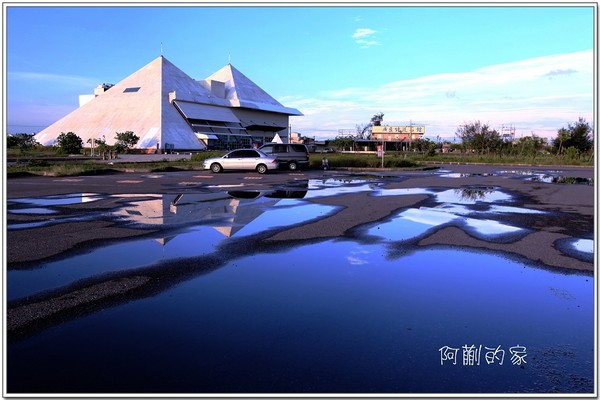
Located in Qigu Yanhai Li, Tainan City, the Taiwan Salt Museum is currently the only theme museum in Taiwan dedicated to the salt industry. Its primary purpose is to preserve Taiwan’s centuries-old salt industry cultural heritage. “Salt” is the crystallization of the sweat and tears of salt workers, and its pyramid-like shape gives the structure a very distinctive appearance. From a distance, it looks like two white pyramids standing in the salt fields.
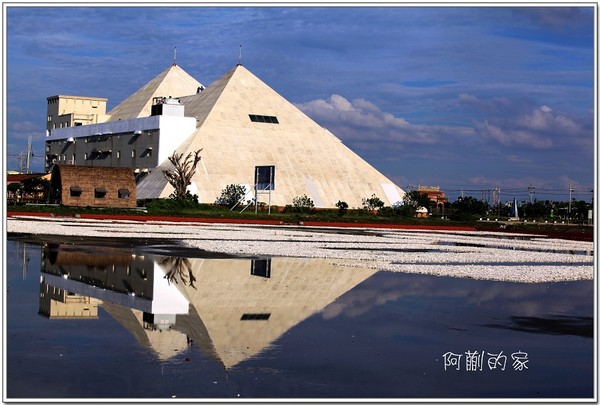
Amidst the endless salt pans stands the Taiwan Salt Museum, which resembles a white pyramid in shape.

The Qigu Salt Museum and the Qigu Salt Mountain face each other from afar. The “Qigu Salt Field” was the largest solar salt production site in Taiwanese history. There are two salt mountains within the field: the Main Peak and the North Peak. The salt on the Main Peak is what remained after the salt field ceased operations, standing 20 meters high and weighing about 60,000 metric tons. With a hard texture and a surface covered in dust, it has become a landmark for Qigu tourism. The Qigu Salt Mountain was once jokingly referred to by the Japanese as the “Fuji of Taiwan.” Under the scorching sun, it was where the sweat of the salt workers was slowly crystallized; under the glow of the setting sun, it shimmers with the radiant essence of their hard work.

The old-fashioned barrel shelters were special structures used by fishermen in the early days. These barrel shelters not only record the cultural traditions of the older generations but also allow them to share unique memories with the younger ones.
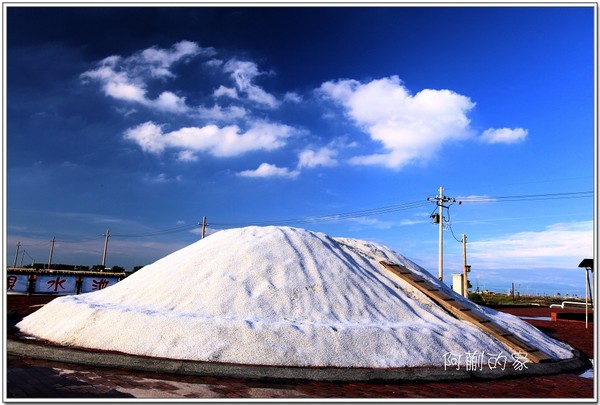
The vast and flat salt pans glisten with light as seawater is channeled into the salt pools. After repeated sun exposure, the crystallized salt is gathered into mounds.
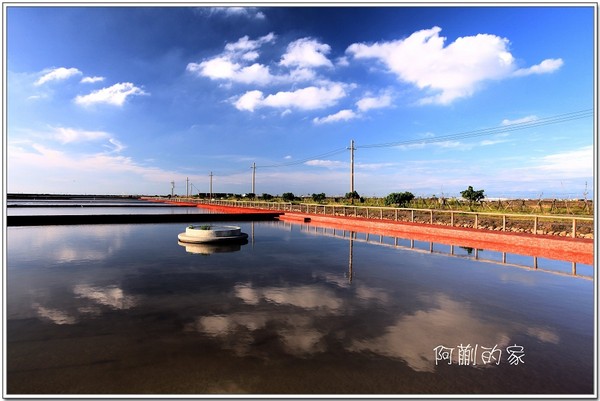
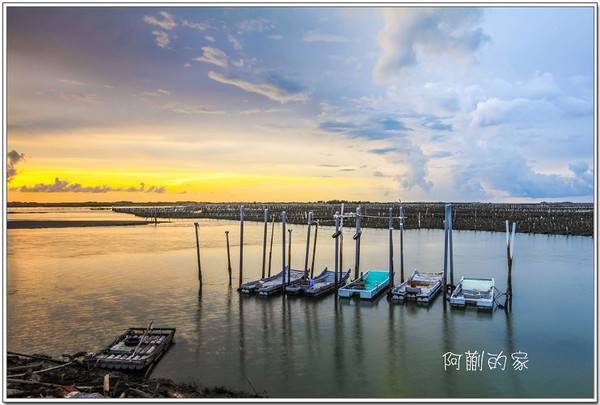
Each cloud reflected in the water looks incredibly dreamlike.
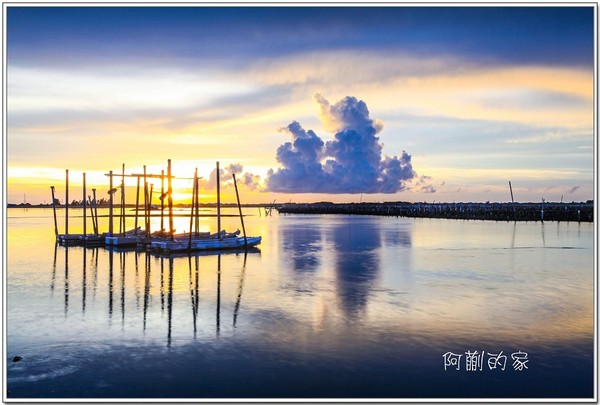
In the evening at Luzhugou, as you wait for the incredibly brilliant sunset, all you hope for is to witness the fiery red orb slowly descending from the horizon. The dazzling light frames the clouds in gold, casting a radiant glow over the entire sea, turning it all golden. Sea and sky merge into one, while bamboo rafts glide gracefully across the water, forming elegant silhouettes. This magnificent visual feast is a unique sight of Beimen Luzhugou, captivating visitors and leaving them in awe.
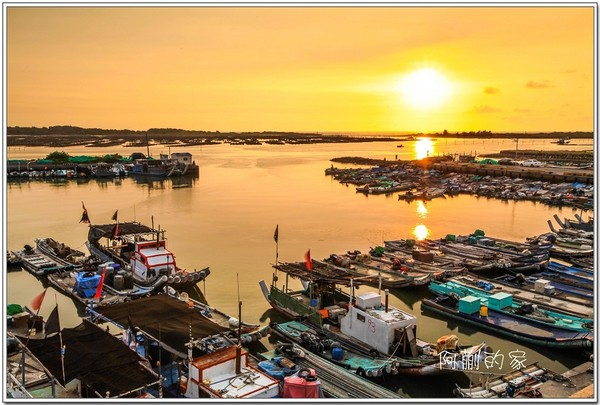
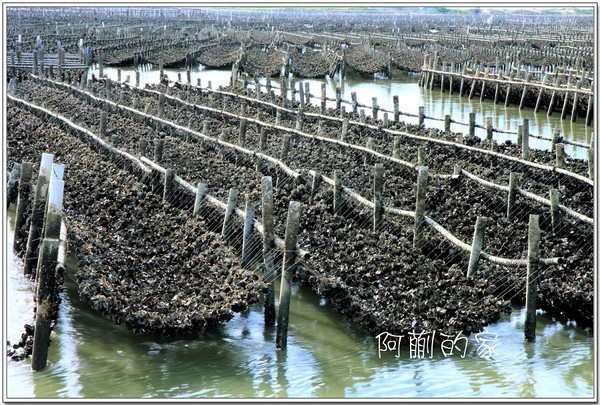
Beimen Luzhugou not only boasts crystal-clear waters that are perfect for oyster farming, but you’ll also find rows of neatly arranged oyster racks, creating a unique and spectacular landscape. Fishing enthusiasts often hire rubber rafts to go out to sea for angling, enjoying the thrill of coastal fishing. As you navigate through the waterways dotted with oyster racks, flocks of egrets occasionally fly overhead, and the neat rows of oyster sheds reflect on the sparkling water, resembling a tranquil scene from a water town.
Once play to your heart's content—explore the top 3+1 most fun coastal spots in Tainan with ease (suggested route)
1、 Qigu Salt Museum & Qigu Salt Mountain: No. 69, Yanhai Li, Qigu District, Tainan City. Coordinates: N23.1580, E120.1053
2、 Beimen Luzhugou Tourist Fishing Port: Sanwanliao, Sanguang Li, Beimen District, Tainan City. Coordinates: N23°14'5.9'' E120°5'43.4'
3、 Beimen Qianlaiye Grocery Store: No. 187, Jiucheng, Beimen Li, Beimen District, Tainan City. Coordinates: N 23°16'4.2" E 120°7'28.1"
4、 Beimen Nankunshen Dafu Temple (Dakun Garden): No. 976, Kunjiang Village, Beimen District, Tainan City. Coordinates: N23°17'10.8" E120°8'29.3
5、 Shuangchun Beach: No. 35-2, Shuangchun, Beimen District, Tainan City (turn left after crossing the Wuwang Bridge over Nankunshen). Coordinates: N23.3205, E120.112
6、 Beimen Jingzijiao Tile-pan Salt Fields. Exit at Xinying Interchange on National Highway No. 1 (Zhongshan Expressway), head toward Nankunshen, then drive along Provincial Highway 17 (coastal route) toward Beimen (approximately the 143.5 km mark). (At the 143.5 km mark on Provincial Highway 17, look for the Tai’an Temple archway, enter, and drive straight for about 2 km to reach the destination ‘Jingzijiao’). GPS coordinates: N23°15'33.8” E120°6'29.2”
For more travel experiences captured through the lens, welcome to<<阿蒯的家>>
Share
This article is published by HowToTrip. Sharing and reposting are welcome — please credit the source.
Article URL: https://www.howtotrip.net/views-22541
Related Articles
- Shaoxing's "Grandpa Gourd" hangs the gourds back up: "If there are too many people, we'll interact less — just take a quick look from afar"
- Chinese authorities announce "reciprocal adjustment" to Japan visa fees — single-entry visa jumps from 2,250 to 16,750 yen!
- The "health stones" carried by a traveler were found to have radiation levels exceeding safety limits by a thousand times, potentially endangering fellow passengers on the same flight. Customs issues warning!
- Shenzhen Airport Issues Late-Night Notice: Unidentified Aerial Object Detected, Causing Widespread Flight Delays!
- “They only said it cost money after I opened the box and washed it!” 200g of grapes sold for 60 yuan on a high-speed train—12306 responds!
- Can't buy an airline ticket? Denied exit? Blocked from boarding? A large number of Chinese tourists have mysteriously become "discredited individuals"
- Adverse weather and economic fluctuations impact Colombia's coffee market
- Beach bathing area responds to 2 yuan/30 seconds fee for freshwater foot rinsing: Clearly priced!
- Taking off with an improperly closed cabin door? Wing malfunction? Multiple flights made emergency returns mid-journey!
- Experience the gifts of nature! A countdown of the world’s ten most stunning coastlines