It's no exaggeration—this entire street is a paradise for cat lovers.
Text and photos byKavanah
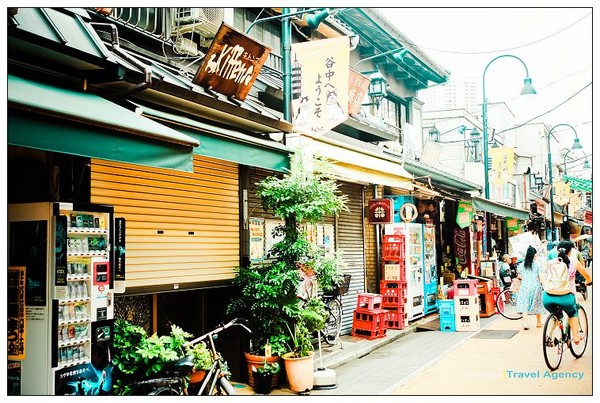
I've been to Tokyo many times and have visited all the major attractions at least once. While flipping through a travel guide, I discovered this famous old Tokyo district: Yanaka, Nezu, and Sendagi (collectively known as Yanasei), which I hadn't yet explored. So on this day, I decided to check out this unfamiliar place. Yanasei isn’t a single place name but a nickname for three districts: Yanaka, Nezu, and Sendagi. It’s a well-known old town area in Tokyo and a great spot to experience the charm of traditional Shitamachi neighborhoods.
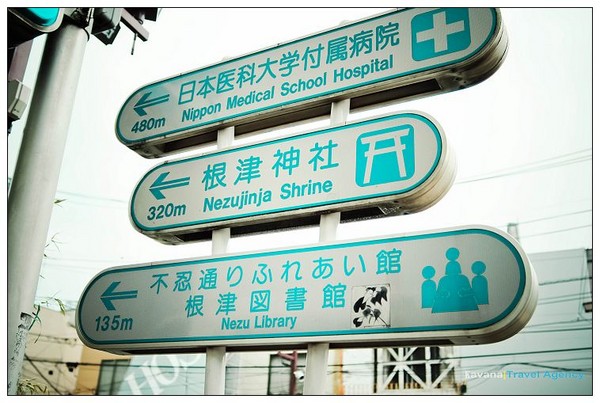
The order of Yanasei goes like this: Nezu Station and Sendagi Station are two adjacent stations on the Tokyo Metro Chiyoda Line. Nezu Station is closer to central Tokyo, while Sendagi is the next station after Nezu. Yanaka is the area located east of these two stations. Being unfamiliar with the place, I noticed a sign after getting off the train and realized that Nezu is right next to Ueno’s Shinobazu Pond—also part of Tokyo’s old towns rich in Edo-period charm.
It’s said that many renowned writers, such as Mori Ōgai and Natsume Sōseki, once lived here, which is why the Nezu area is also known as the “Street of Literary Masters.”
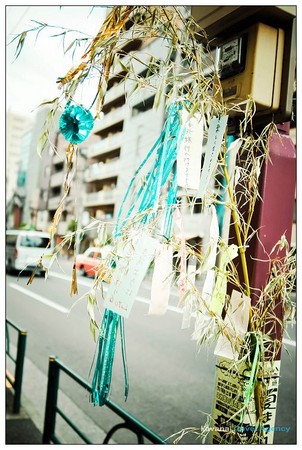
With Tanabata (Star Festival) approaching, I saw many bamboo branches decorated along the streets.
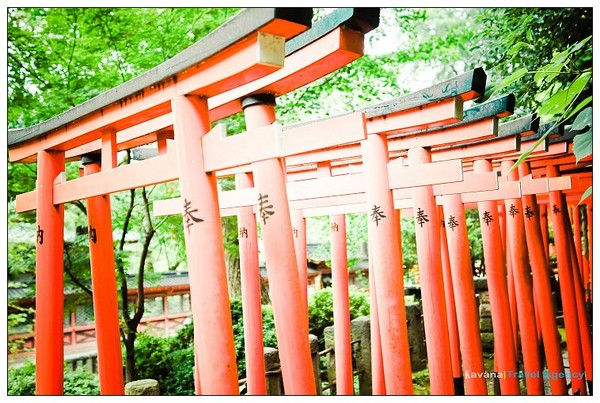
The most famous attraction in Nezu is the Nezu Shrine, designated as an Important Cultural Property of Japan. Next to it are the connected red torii gates of the Otome Inari Shrine, stretching over ten meters.
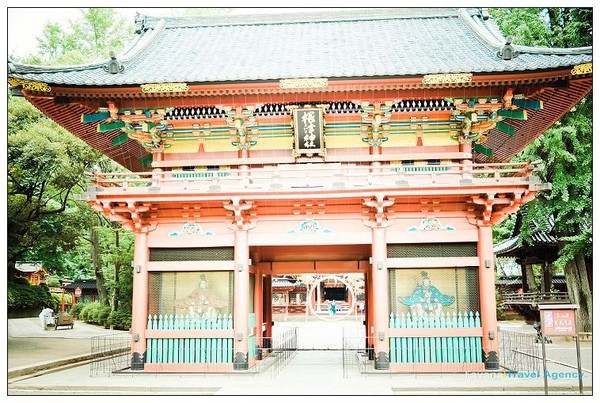
Nezu Shrine was built in 1706 by Tokugawa Tsunayoshi, the fifth shogun of the Tokugawa shogunate, and was one of the largest shrines in Edo during the Edo period.
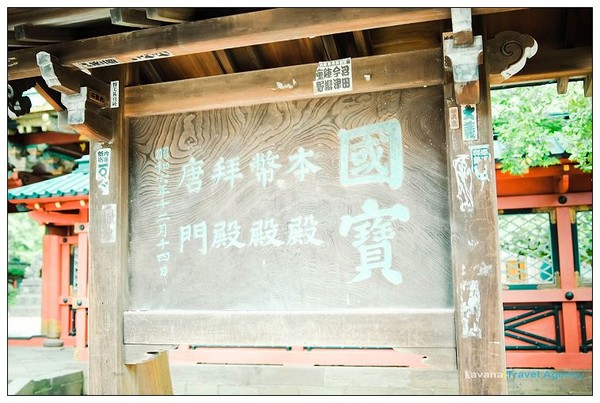
The karamon gate, worship hall, offering hall, and main hall of Nezu Shrine are all classified as national treasures and are extremely precious.
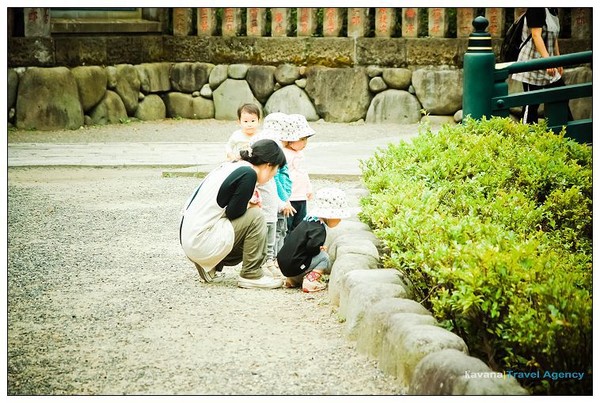
Nearby, a kindergarten brought little kids to play at Nezu Shrine.
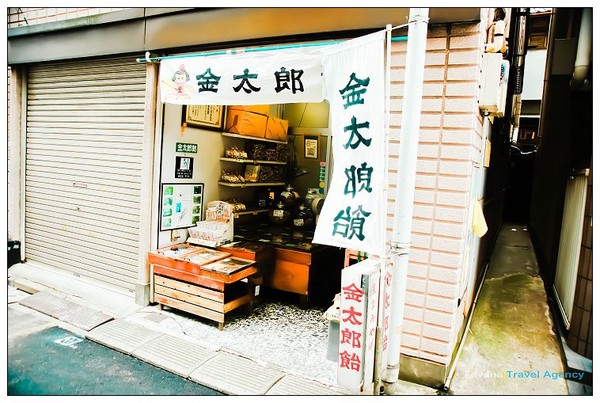
I spotted a store selling Kintarō candy—an actual specialty shop for Kintarō candy in Tokyo, which is quite rare.
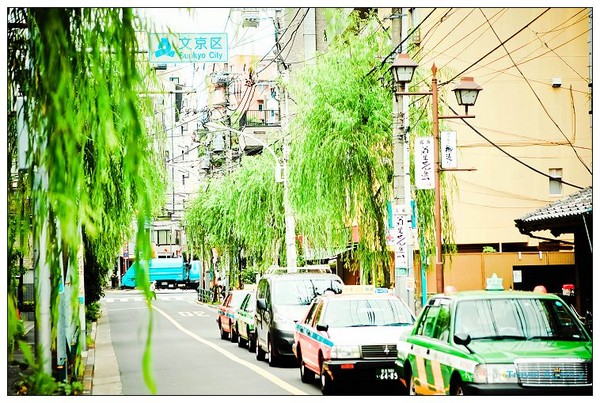
The road on both sides is lined with willow trees, hence it’s called Willow Street.
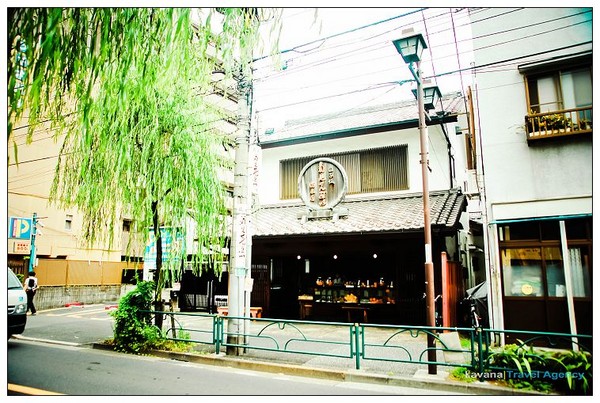
This store is the historic, century-old senbei (rice cracker) shop—Kikumi Senbei Honpo, which has been around since its establishment in Meiji 8 (1875).
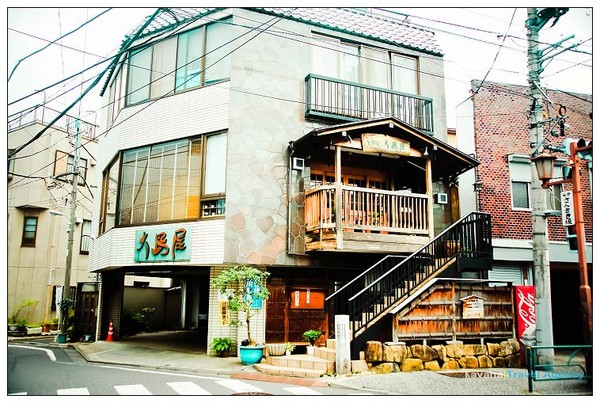
And next to it is a peculiar shop—I think it might be a public bathhouse? A bathhouse located on the second floor is really unique.
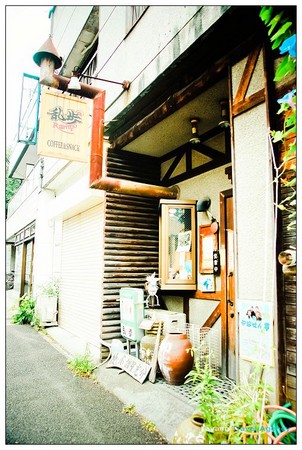
Nezu is also known for its distinctive cafés. This one, called “Ranpo,” takes its name from the famous detective novel series by Edogawa Ranpo. It’s said that the owner is a fan of detective fiction.
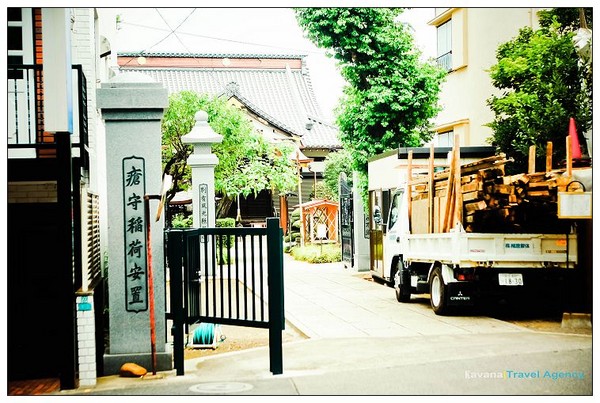
This place, “Kanshu Inari,” has a memorable name—I wonder what exactly it’s meant to protect?
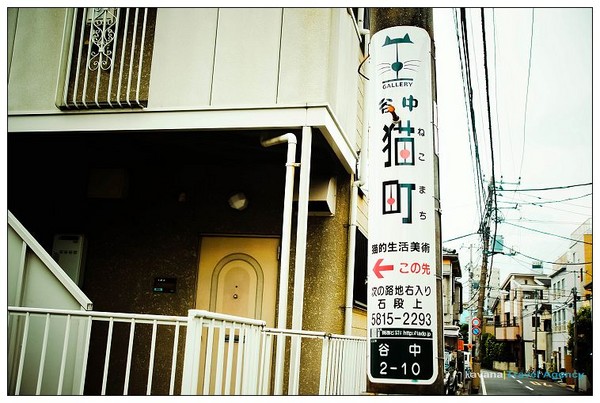
This shop, “Neko Machi” (Cat Town), is also quite a well-known spot—there are plenty of signs along the way pointing the way there.
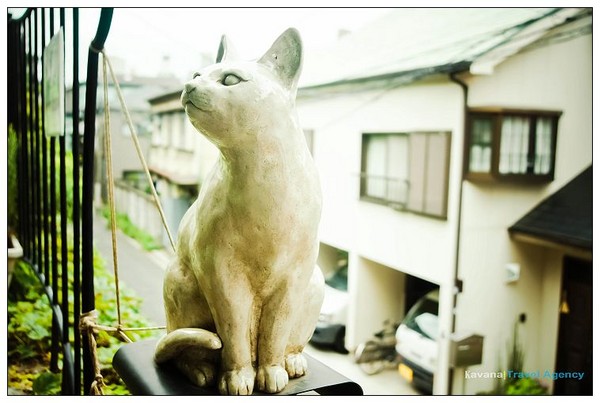
Following the signs, we arrived at Neko Machi. It’s located up a flight of stone steps, and there were cat statues by the stairs to welcome us. But we arrived too early—it wasn’t open yet. I thought about sitting on the steps and waiting, but then decided to go for a walk around Yanaka Reien (cemetery) first.
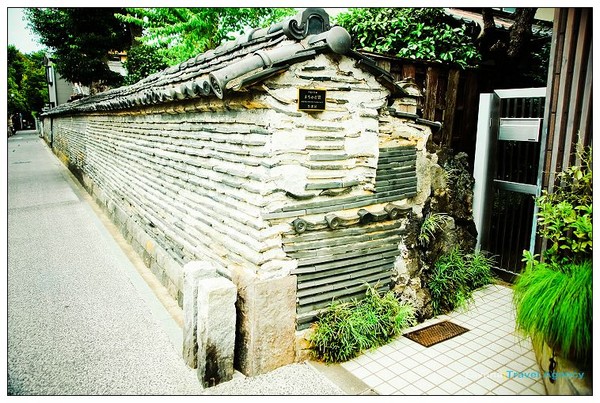
After passing through Tokyo’s famous Yanaka Cemetery (a huge area—I didn’t dare take random photos, so no pictures!), we came across an ancient wall: the Terakoya Tsukiji Screen of Kannon Temple. The temple itself is gone, leaving only the site, but this wall remains. The wall made of stacked roof tiles is quite unique.
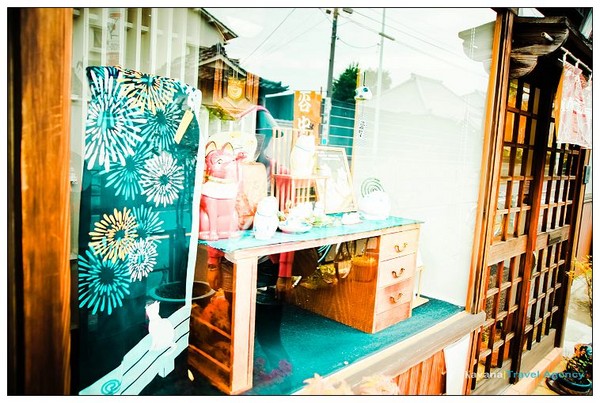
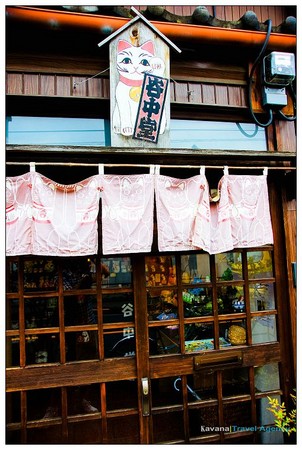
Many shops along the road decorate with cats, and the Yanasei area is also known as a cat street, with numerous cat-themed shops.
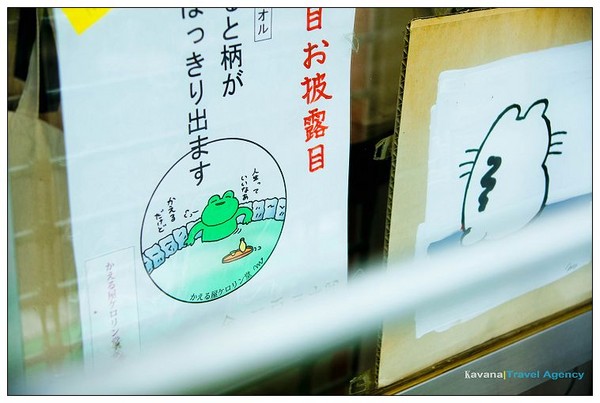
And this shop is quite interesting—it mainly sells frog-themed goods.
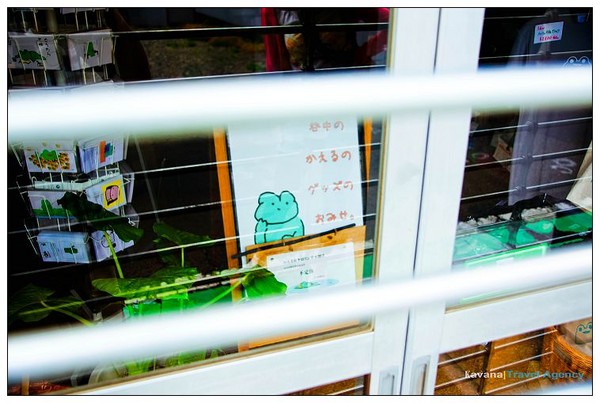
But unfortunately, the shop wasn’t open this day. After walking around, we ended up back at Neko Machi.
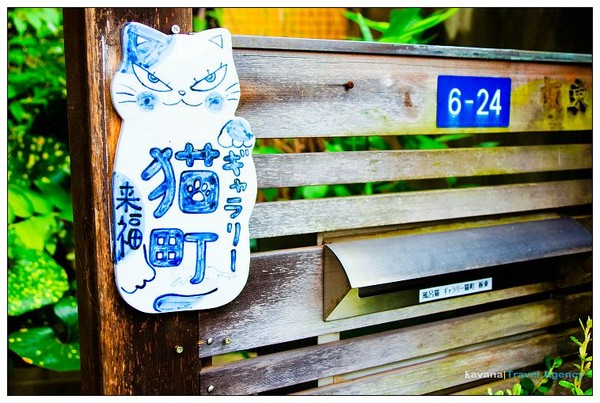
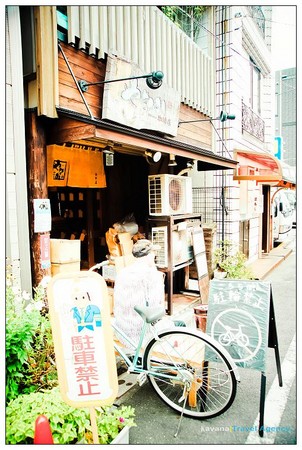
This time, Neko Machi was already open. It’s a small cat-themed art gallery, free to enter, selling cat-related art prints and postcards, etc. Photography is not allowed inside.
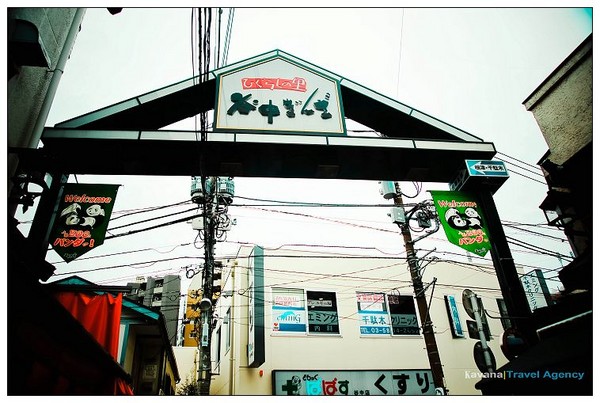
This is Yanaka Café. Yanaka Café is a coffee brand, and this is their first branch café.
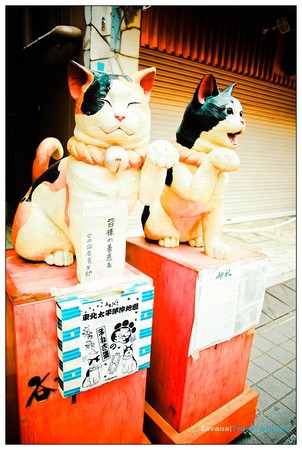
In this old street famous for cats, many shop signs and even eaves are decorated with cat ornaments.
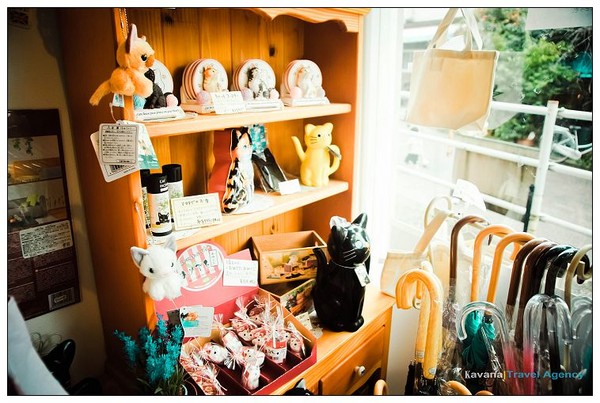
This shop sells many cat-themed goods.
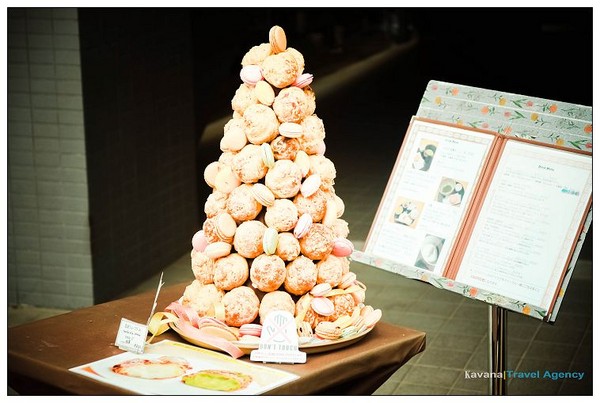
A mountain of macarons displayed by a shop along the road.
At the end of our walk through Yanasei, there was a not-so-nice ending... I bought a bento box at Yanaka Ginza for just 350 yen and thought it was so cheap that I took a photo of the price. When I showed it to my grandmother, she didn’t say anything, but the son who was cooking inside came out angrily and told me I couldn’t take photos. I actually hadn’t taken any photos of him at all, but I still felt upset and wronged. However, I reflected on myself and realized I should be more mindful in the future—asking for permission before taking photos is more polite and helps avoid unnecessary conflict.
But honestly, I was a bit tempted to curse at the time because he was really aggressive...
Share
This article is published by HowToTrip. Sharing and reposting are welcome — please credit the source.
Article URL: https://www.howtotrip.net/views-22412
Related Articles
- Shaoxing's "Grandpa Gourd" hangs the gourds back up: "If there are too many people, we'll interact less — just take a quick look from afar"
- Chinese authorities announce "reciprocal adjustment" to Japan visa fees — single-entry visa jumps from 2,250 to 16,750 yen!
- The "health stones" carried by a traveler were found to have radiation levels exceeding safety limits by a thousand times, potentially endangering fellow passengers on the same flight. Customs issues warning!
- Shenzhen Airport Issues Late-Night Notice: Unidentified Aerial Object Detected, Causing Widespread Flight Delays!
- “They only said it cost money after I opened the box and washed it!” 200g of grapes sold for 60 yuan on a high-speed train—12306 responds!
- Can't buy an airline ticket? Denied exit? Blocked from boarding? A large number of Chinese tourists have mysteriously become "discredited individuals"
- Adverse weather and economic fluctuations impact Colombia's coffee market
- Beach bathing area responds to 2 yuan/30 seconds fee for freshwater foot rinsing: Clearly priced!
- Taking off with an improperly closed cabin door? Wing malfunction? Multiple flights made emergency returns mid-journey!
- Experience the gifts of nature! A countdown of the world’s ten most stunning coastlines