“Taiwan, may you be forever happy” — A Japanese stone tablet buried in the hills of Beitou
Photos & Text /Liu Si Ling (Six Four Zero)
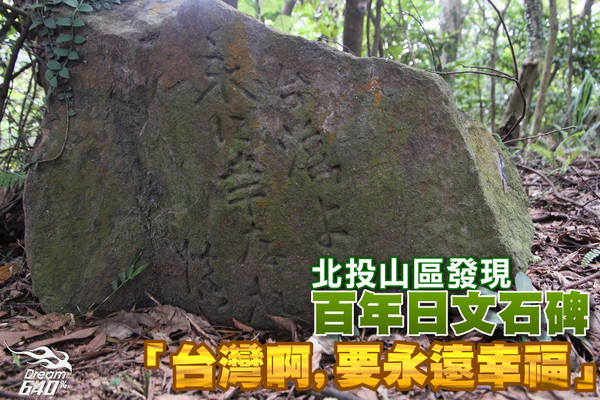
This century-old stone tablet engraved with the message “Taiwan, may you be forever happy” carries the deepest blessing for this island. Two years ago, we searched every trail but couldn’t find it. Who would have thought that two years later, we’d discover it emerging from overgrown weeds? In the tumultuous Year of the Horse (Jia Wu), finding this tablet felt especially meaningful.
The first time I saw the “Taiwan, may you be forever happy” stone tablet was through a video segment on CTS News Magazine filmed by Gong Tou Jian in 2011, along with his blog post introduction. That sparked my desire to find this century-old tablet.
Two years ago, after telling Dennis, a local from Beitou, the story of the tablet, he insisted we had to see this hidden gem in his backyard. We started from the hiking entrance opposite the “Hot Spring Hotel,” following the route shown in the video. At one point, we even had to pull ourselves up with a rope, and ended up climbing up to the Hot Spring Rock Climbing Area, yet still didn’t find the stone.
Recently, during a hike training session in the Beitou mountains, Dennis passed by the “Buddhist Deity Fudō Myōō (Immovable King of Wisdom)” site and suddenly remembered it being introduced in the video. So we set off again with this new clue, hoping wholeheartedly this time we’d succeed.
This time, we walked along the trail“The Hiking Entrance at the Bizarre Rock Path of the Battleship Rock Hiking Trail”, where a faded wall inscription reads “Mr. Chen Jitang’s Tomb.” Our destination was the “Kobo Daishi Rock.”
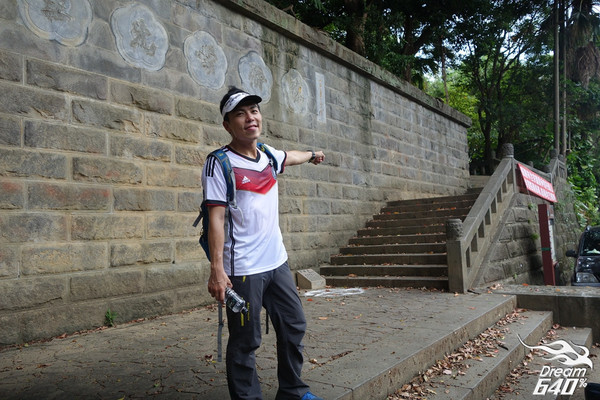
▲%季?⒀仪咨讲降溃?嫜衣返巧娇凇</strong>
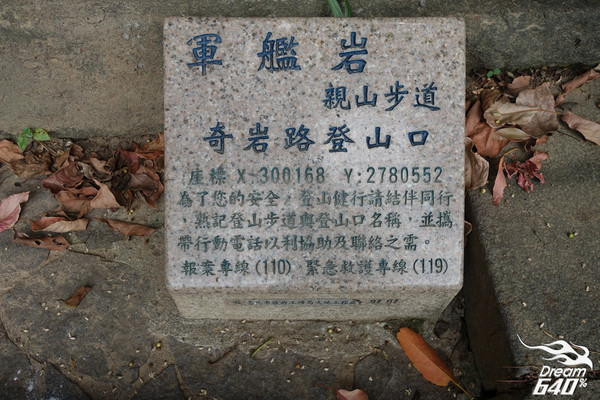
%汲录锰慕??湍畋?/p>

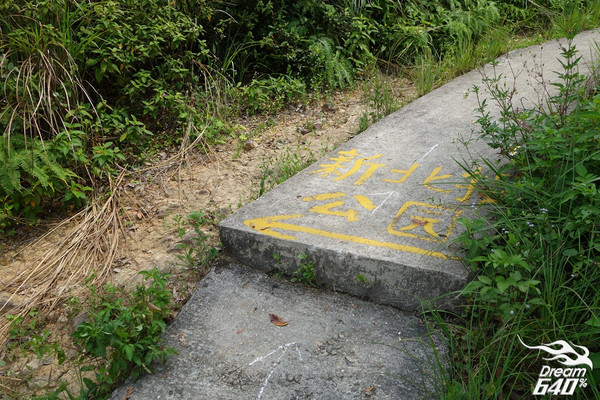
From the hiking entrance, as long as you take the right fork, you can reach the “Kobo Daishi Rock.” Along the way, there’s yellow paint that reads “New Beitou Park ←.” Turn left into a patch of grass and walk straight, and you’ll get there.
Walking along the mountain path, you enter a serene sacred space filled with Japanese stone tablets. Time seems to shift back to the Japanese colonial era, while the colorful prayer flags give off a Nepalese vibe.
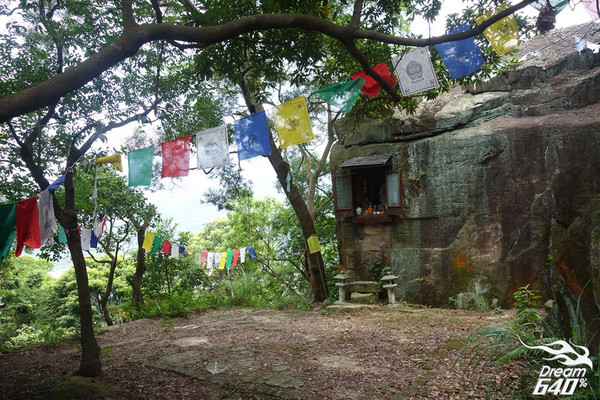
The origin of the “Daishi Rock” is this very stone tablet, and the “Buddhist Deity Fudō Myōō (Immovable King of Wisdom)” is a shrine carved into the rock face.
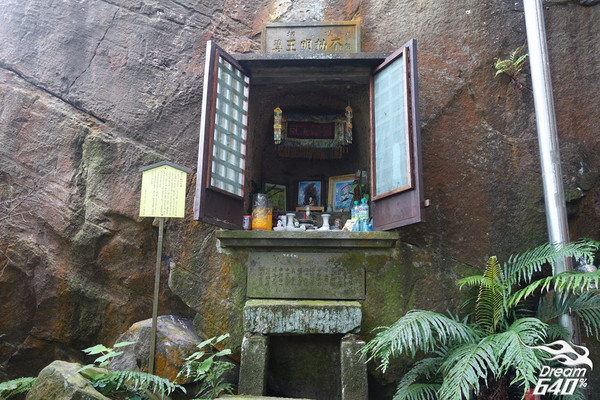
%己敕ù笫ρ壹/p>
%己敕ù笫Φ闹副昙/strong>
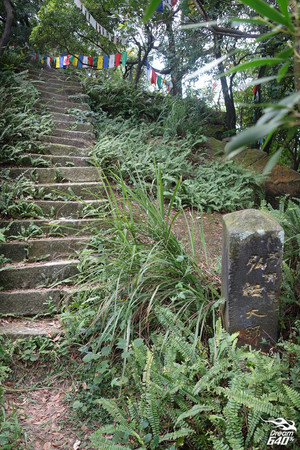
Kobo Daishi refers to the famous monk Kūkai, who traveled to Tang Dynasty China in the early 9th century to study Buddhist scriptures. He later invented the katakana script and had a profound influence on Japanese religion and culture. After Kūkai’s passing, the Japanese Emperor honored his contributions by bestowing upon him the title “Kobo Daishi.”
(Quoted from Tony’s Natural and Cultural Travelogue)
The shrine of the “Buddhist Deity Fudō Myōō (Immovable King of Wisdom)” is built along the mountainside, offering a very tranquil atmosphere. When Kobo Daishi (Kūkai) was returning to Japan by boat from China, he encountered a violent storm. In great danger, he prayed to Fudō Myōō for safety, and the deity is said to have slashed the waves with his sword, calming the sea. Hence, this deity is revered in Japan as the “Wave-Cutting Fudō Myōō.”
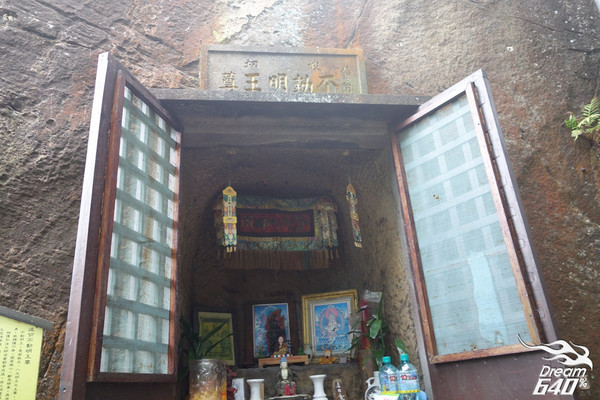
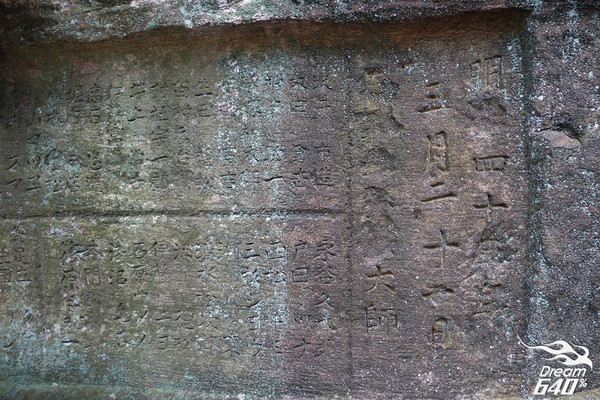
The rock wall is inscribed with the year Meiji 40, though the character “治” (governing/rule) appears to have been damaged. You can still see the names of worshippers on the wall—all Japanese, with no Han Chinese names visible.
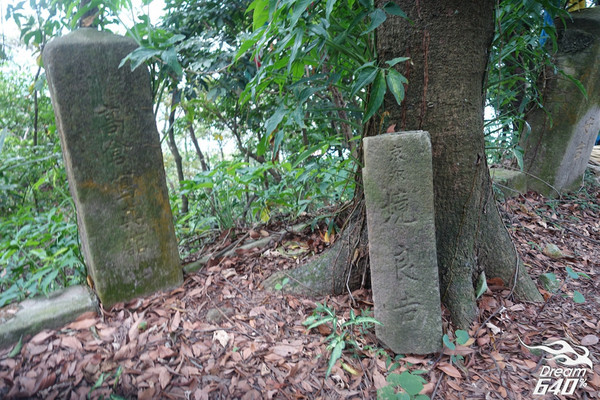
On the ground lie many stone tablets engraved with Japanese names, resembling the donation plaques found in temples.
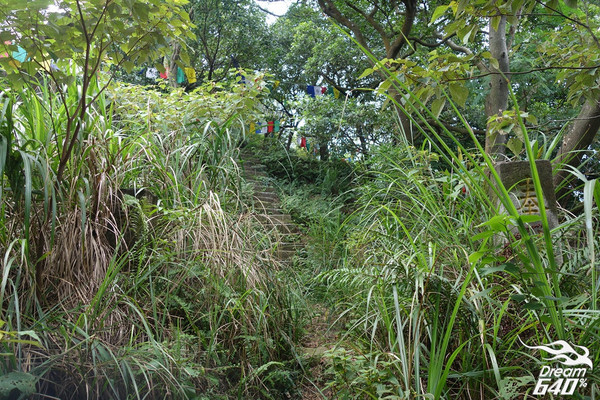
Walking down the stairs and looking back, you’ll notice the stairway used for worship, with dedicatory inscriptions on both sides. At first, I thought it was a Shinto shrine, but netizens corrected me—it’s not a shrine but rather a Buddhist-related site similar to a sacred power spot.
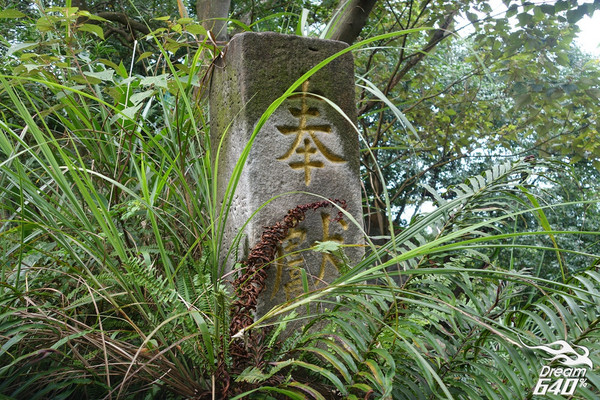
Climbing up from the rock wall next to the “Wave-Cutting Fudō Myōō,” you can find a foundation stone with a nice view, although a few power lines somewhat obstruct the scenery.
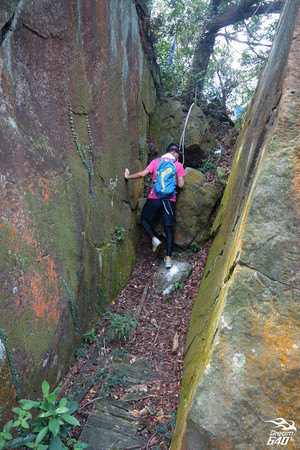
After viewing the Daishi Rock, we began a thorough search, heading down toward the Hot Spring Hotel, hoping to make a discovery today.
Oh my God!!! Just a few steps down the path, Dennis spotted the century-old stone tablet by the roadside.
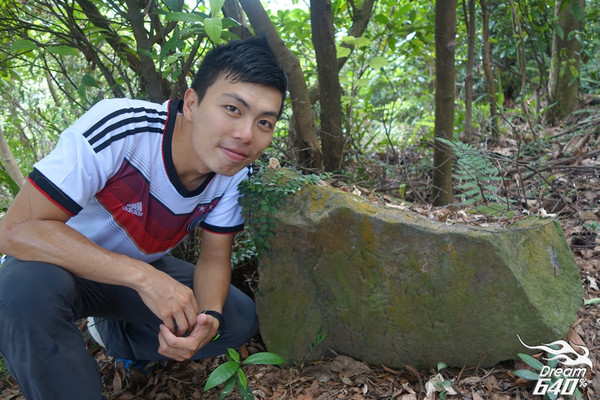
You have to crouch down really low to see it—I must’ve passed by hundreds of times without noticing. The tablet is inscribed with“Taiwan yo, e ni sachi nare”, which in Chinese means"Taiwan, may you always be happy."These words, having traversed a century, still carry the power of a heartfelt wish, warming the heart like the gentle sunshine of spring.
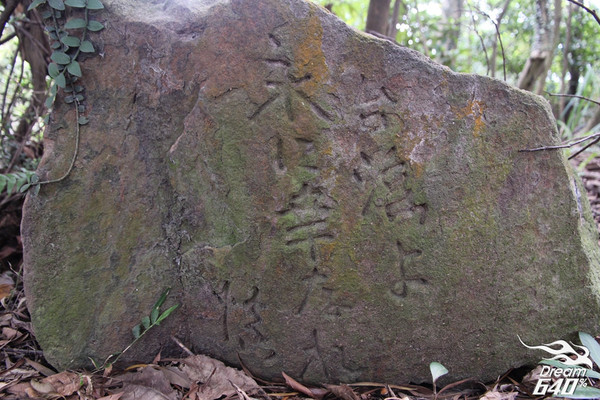
We searched for two years and finally found it in 2014. The year of Jiawu was a turbulent time for Taiwan—waves of upheaval struck one after another, from the Sunflower Student Movement and the Penghu air disaster to the Kaohsiung gas explosions. Time and again, we prayed for Taiwan, hoping for "God bless Taiwan," and "Taiwan, may you always be happy" resonated just as deeply.
I was caught in the mire of the times, flooded with doubts and thoughts that hit me like a tsunami. Was this Japanese stone tablet originally written by Japanese people in Taiwan? Or by Taiwanese who had received a Japanese education?
With no signature, date, or name, it leaves endless room for imagination.
The foreman said this could be another story like *Cape No. 7*—it could even be made into a movie.
Just how intense and moving can the love stories of people be against the backdrop of a tumultuous era?
Well, we’ll leave that to the screenwriters to keep imagining.

This stone tablet was placed near a shrine, possibly signifying that in the face of great turmoil, people turned to faith for solace, engraving their hopes as a prayer.
The era is long past, and there’s no way to verify now. Though my suspicions have always pointed to World War II, I believe this stone tablet is absolutely one of the most emotionally resonant memories on Taiwanese soil. Whether it’s a remnant of the Qing Dynasty, Japanese rule, or Dutch rule, it’s all the land’s most precious heritage.
We usually pray for "peace," but the word "happiness" carries a broader vision and deeper emotion. Without profound attachment, how could such sincere words be written?
%A few lines of Japanese text are quite worn,???⑾职倌晔??〖/strong>
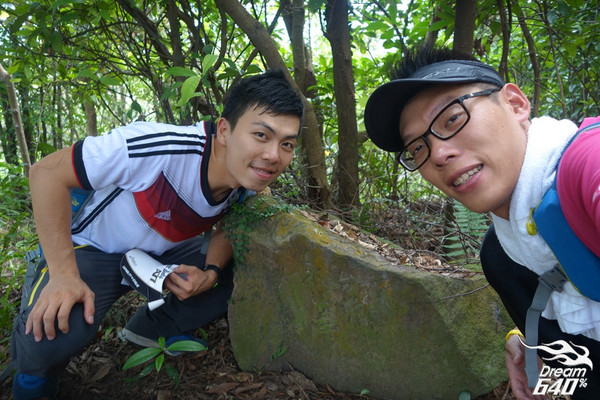
Thank you, stone tablet, for giving me boundless strength amid the overgrown wilds. I sincerely hope for Taiwan’s peace—not just small joys, but great happiness—and the same goes for my family and friends.
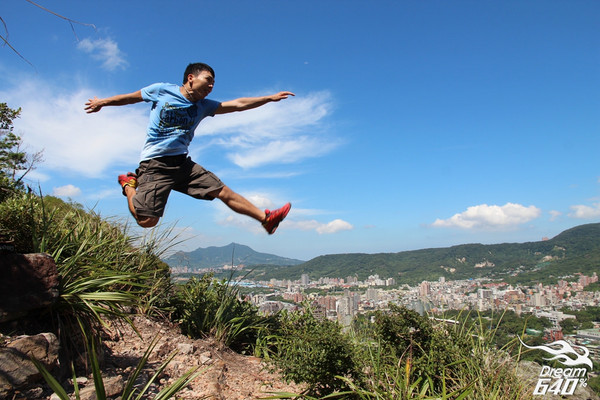
This generation is a lot like the rocks at Atami Rock Cliff—just climb onto any rock and you’ll get a great view. I’ve also included photos from my trip to Atami Rock Cliff last year. When visiting Master Rock, you can also check out Atami Rock Cliff and Battleship Rock.
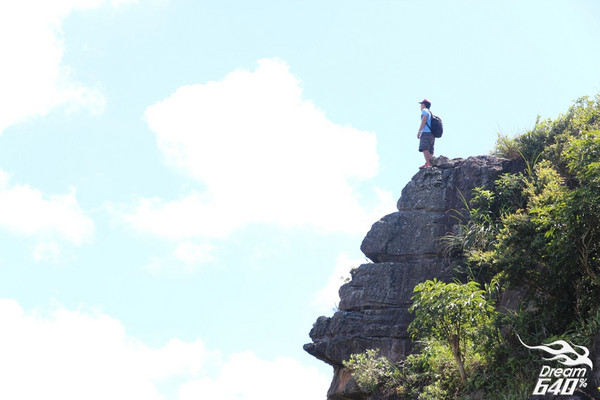
Master Rock – Hiking date: August 23, 2014
Atami Rock Cliff – Hiking date: September 8, 2012
This article is excerpted from<<我的赤胆赤诚赤子之心>>my blog, for the full article please click here>>>
Share
This article is published by HowToTrip. Sharing and reposting are welcome — please credit the source.
Article URL: https://www.howtotrip.net/views-21672
Related Articles
- Shaoxing's "Grandpa Gourd" hangs the gourds back up: "If there are too many people, we'll interact less — just take a quick look from afar"
- Chinese authorities announce "reciprocal adjustment" to Japan visa fees — single-entry visa jumps from 2,250 to 16,750 yen!
- The "health stones" carried by a traveler were found to have radiation levels exceeding safety limits by a thousand times, potentially endangering fellow passengers on the same flight. Customs issues warning!
- Shenzhen Airport Issues Late-Night Notice: Unidentified Aerial Object Detected, Causing Widespread Flight Delays!
- “They only said it cost money after I opened the box and washed it!” 200g of grapes sold for 60 yuan on a high-speed train—12306 responds!
- Can't buy an airline ticket? Denied exit? Blocked from boarding? A large number of Chinese tourists have mysteriously become "discredited individuals"
- Adverse weather and economic fluctuations impact Colombia's coffee market
- Beach bathing area responds to 2 yuan/30 seconds fee for freshwater foot rinsing: Clearly priced!
- Taking off with an improperly closed cabin door? Wing malfunction? Multiple flights made emergency returns mid-journey!
- Experience the gifts of nature! A countdown of the world’s ten most stunning coastlines