Witnessing the Official Opening of 7-11 in Lanyu: The Seven Highly Polarizing Controversies I Observed
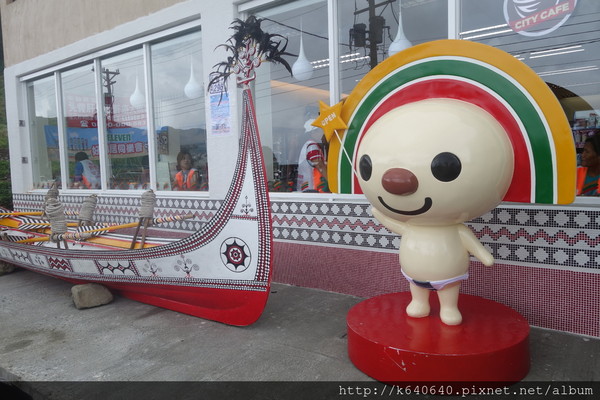
Photos and text byLiu Si Ling
The biggest event of my trip to Lanyu was the arrival of 7-11. This issue had already caused quite a stir, and I happened to be spending eight days in Lanyu unwinding—only to find myself unwittingly caught up in the whirlwind of this controversy.
Over the past few days, I’ve spoken with many locals and asked everyone about their thoughts on 7-11’s arrival. I must say, the perspectives of the people of Lanyu differ greatly from those of people on Taiwan’s main island.
Most people on Taiwan’s main island are opposed to it. Based on my field research over these few days, the voices among Lanyu residents are extremely polarized. I can only stand on both sides of the scale and present the arguments from both camps. I’m no saint—I definitely can’t be impartial. The purpose of writing this is to document what I saw and heard during my travels.
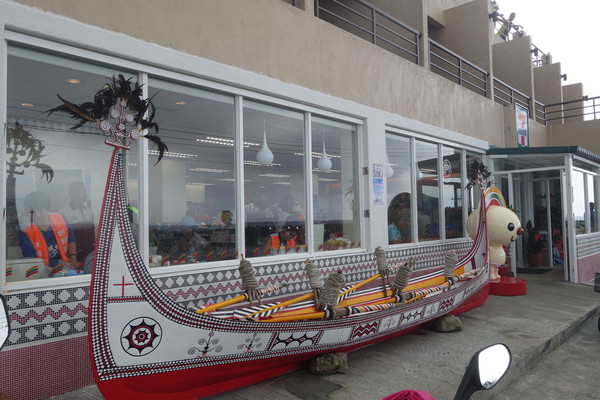
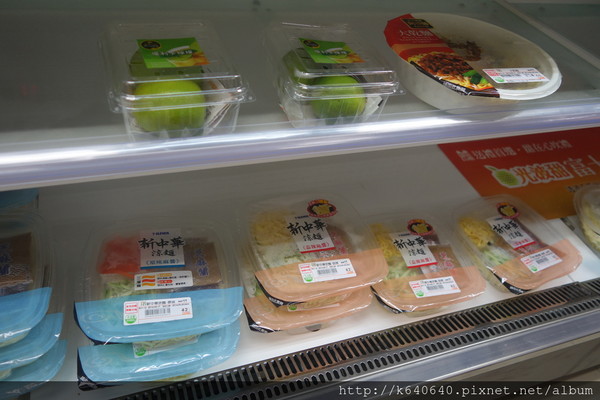
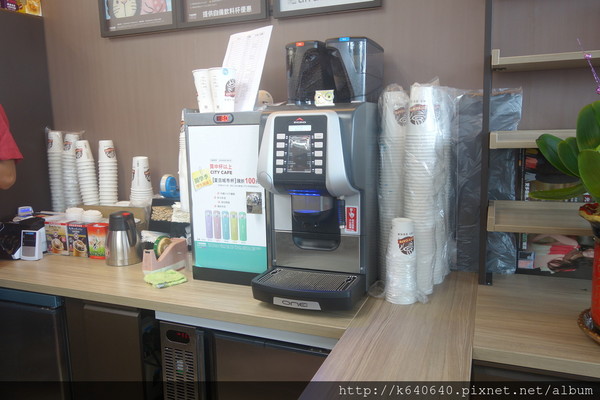
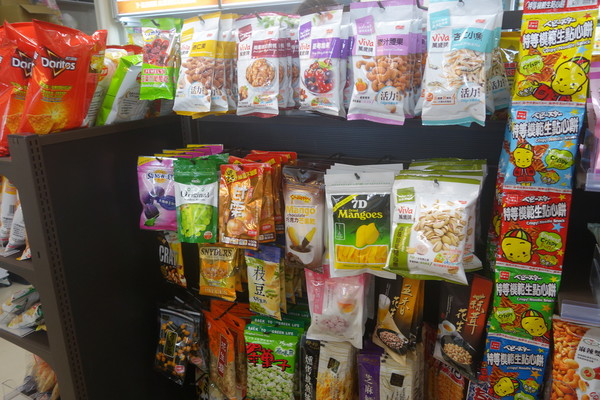
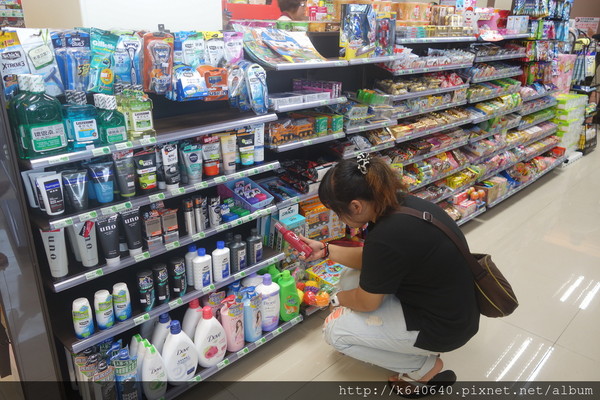
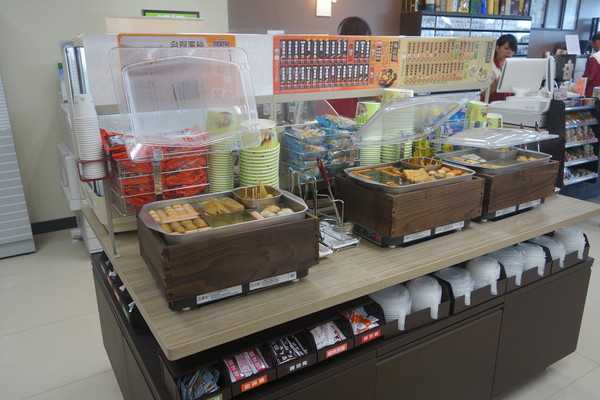
First, let’s take a look at the Lanyu 7-11 store through photos, so you can see what the physical store looks like.
The Lanyu branch is the 52nd 7-ELEVEN store in Taiwan’s offshore islands.
%疾014/9/17 Low-key, like a homestay, the first-floor exterior was deliberately covered with white paper, while the second and third floors are a homestay
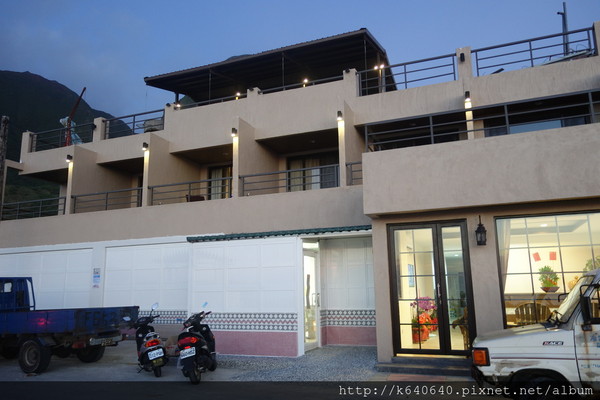

%疾014/9/18 Sign installed
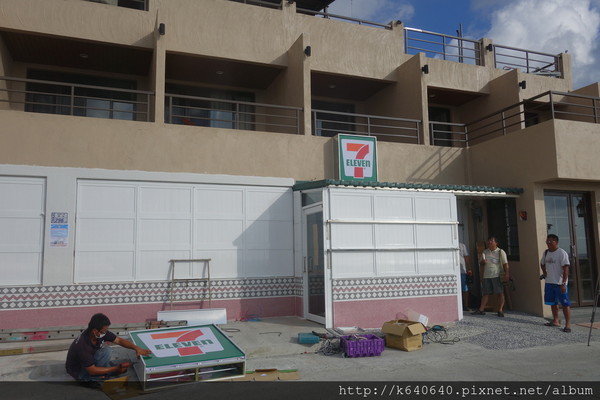
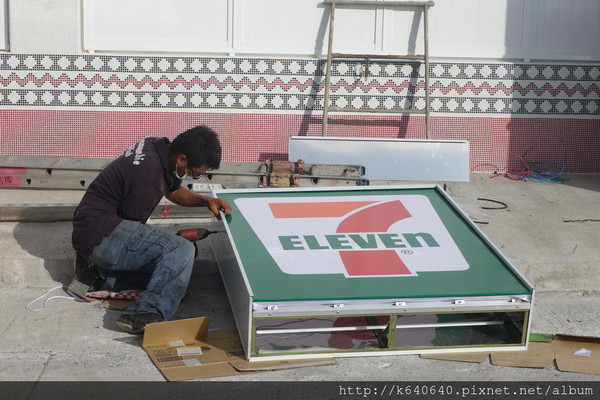
%疾014/9/19 Official opening

%即┥隙∽挚愕南pen酱

%甲?磺?/strong>
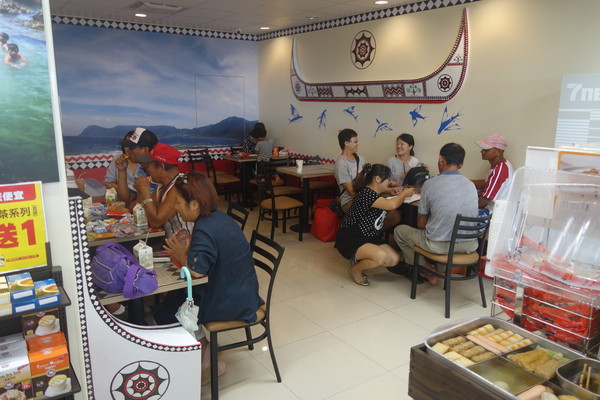

%忌?适称非?/strong>
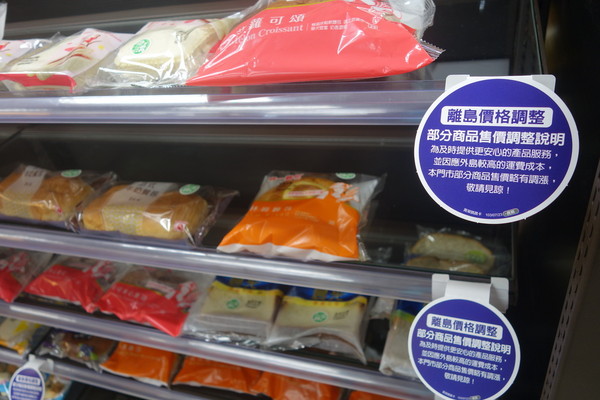
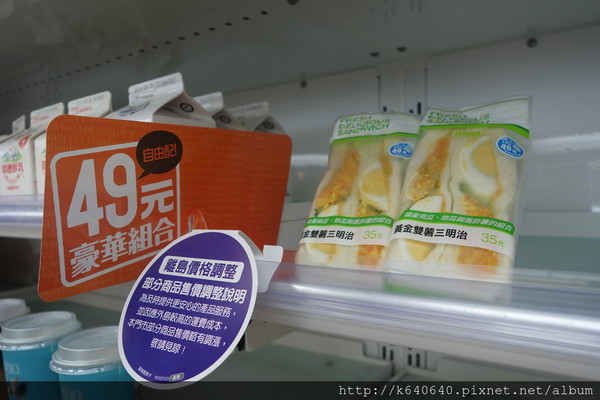
%伎Х然?/strong>
%几晒??/strong>
%忌?钣闷芳/strong>
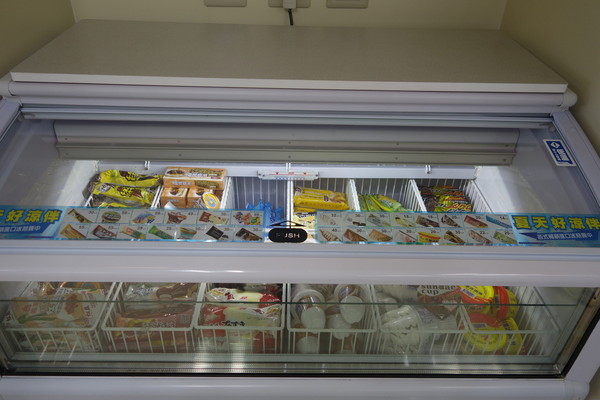
%寂菝媲?/strong>
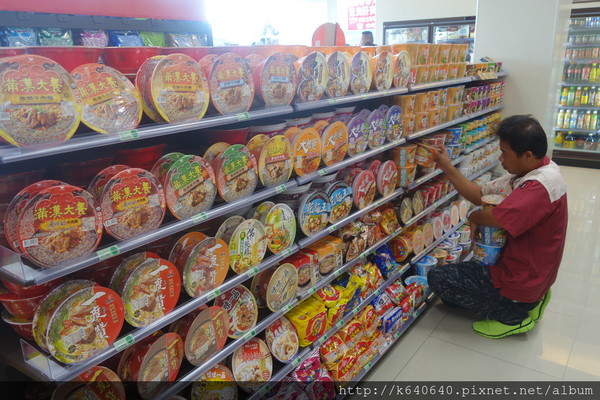
%枷戮撇饲?/strong>
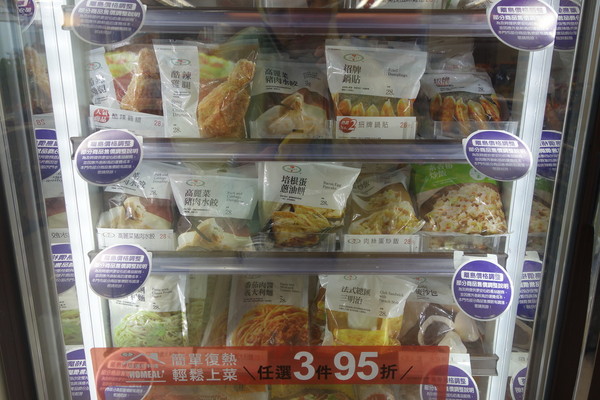
%急?非?/strong>
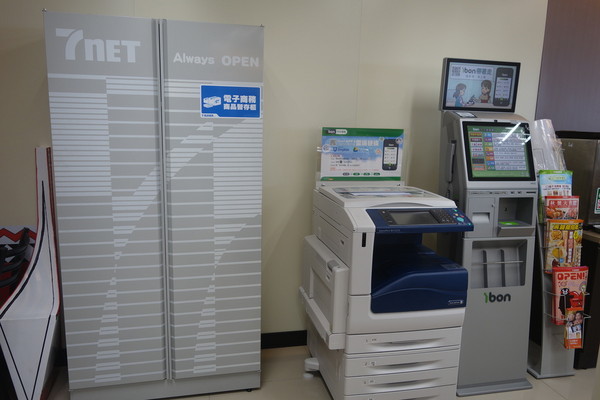
%急憷?囊磺?旱缱由涛瘛⑹挛窕?㈤bon
%脊囟?笄?/strong>
Many things aren’t about right or wrong—it’s just about knowing the values you believe in. I don’t want to stir up conflict, nor will I respond to overly aggressive comments. Please bear with me.
Controversy 1: Does the convenience store damage Tao culture?
The idea that a convenience store could damage an ethnic group’s culture seems like an overreach. When convenience stores were first introduced to Taiwan, did they damage Han Chinese culture, Hakka culture, or even the cultures of Taiwan’s 16 indigenous tribes?
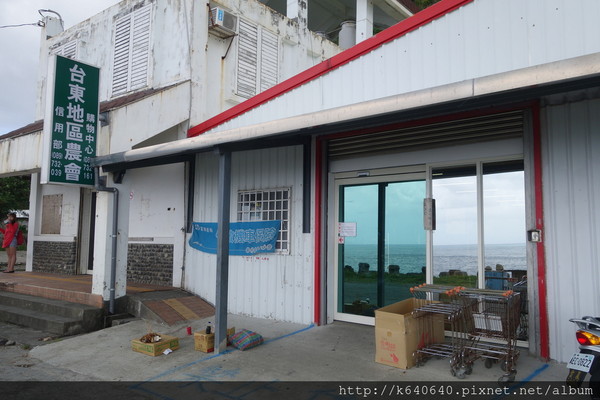
In fact, the Taitung Farmers’ Association Supermarket has already entered Lanyu, but to this day, it hasn’t damaged the Tao people’s Flying Fish Festival or their plank boat culture. Traditional culture clearly doesn’t seem to be affected by convenience stores or supermarkets.
One Tao brother said, “Actually, the biggest disruption comes when a large number of tourists flood in—that’s the real destruction.”
%继ǘ?┗岢?屑/strong>
%己Q蟪?屑/strong>
Controversy 2 (Pro & Con): What impact does 7-Eleven have on local grocery stores?
Locals say that running a 7-Eleven is quite straightforward — all goods are paid for immediately, whereas grocery stores allow credit, and once personal relationships get involved, things become complicated and payments hard to keep clear. But from another perspective, grocery stores are more deeply connected to the local community, communication can be in the native language, and there's a stronger sense of human warmth.
One resident said: “7-Eleven won’t easily change the consumption habits of locals. It’s clearly aimed at tourists, not at the people of Orchid Island.”
Others say that after 7-Eleven opens, it will affect local shops, with the first impact likely on grocery stores in the Yeyou and Hongtou tribes. As for whether it will affect shops across the entire island, that remains to be seen.
I asked residents in Yeyin, and they said Yeyou is too far away — it’s impractical to travel all that way just to shop, just like if a new 7-Eleven opened in Xinyi District, residents in Beitou would reduce their shopping frequency because of the distance.
Local grocery stores might not be affected right away; homestay businesses will likely be impacted first, because tourists still prefer areas with better living amenities. The Han Chinese style of travel favors convenience — when going to Qingjing, people gravitate toward areas with 7-Elevens, and likewise, visitors to Orchid Island mostly choose Yeyou and Hongtou tribes. The first to be affected are homestay operators in more remote villages.
This article is excerpted fromthe blog “A Child’s Heart Venturing into the World”, full text>>>Please click here
※ For more real-time travel updates and viral sights, follow our fan page for synchronized updates — welcome to joinLiu Shiming - A Child’s Heart Venturing into the WorldFan Page
Controversy 3 (Con): Can’t the people of Orchid Island be short-sighted? They need sustainable development.
Local residents say: “What we need is internal consensus, integrating resources and energy to do something sustainable, rather than being short-sighted for quick money and giving up our principles of self-governance. Why should we impose Han Chinese consumption habits into our traditional territory? It’s a pity that opinions among the various tribes of Orchid Island are divided and still in opposition.”
The people of Orchid Island have always lived a simple life. The convenient lifestyle of the main island is just different from ours, but tourists who come here often wonder: what does this place lack? What would make it better?
The Han Chinese way of travel is slowly being transplanted onto the island. Coming to Orchid Island means adapting to the way of life and culture here, not just riding a scooter around the island.
I think if the people of Orchid Island can unite and reach consensus, perhaps they could become another Smangus, jointly deciding on all aspects of the island’s development.
Controversy 4 (Pro): Why can’t the people of Orchid Island enjoy a convenient life? Why not have more choices of goods and shops?
Why can’t they decide the kind of life they want? On this point, many locals are indignant:
“Open your wallet — if there isn’t a single receipt from a convenience store in there, then you can comment, okay?”
“Why can you use ibon to buy tickets, get online shopping delivered, and use fee collection services, but the people of Orchid Island can’t?”
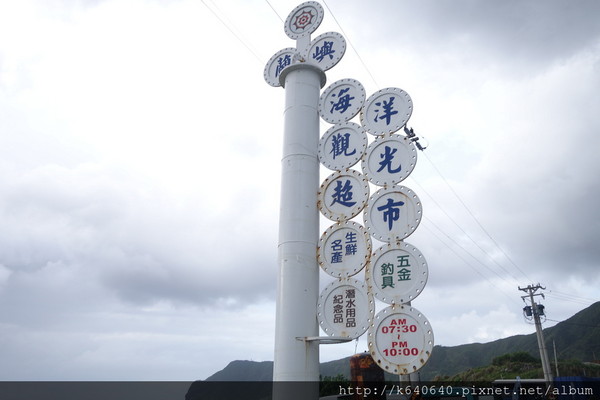
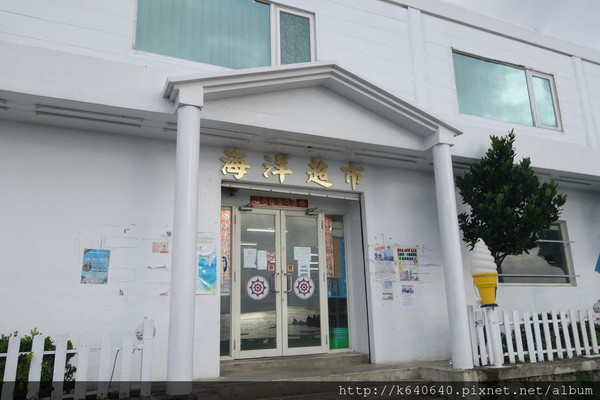
“Why can the Farmers’ Association Supermarket and Ocean Supermarket set up shop here, but we can’t have another type of store as an option?”
I can’t help but reflect: why, while we enjoy the convenience that supermarkets bring to our lives, do we lack empathy for the needs of the people of Orchid Island? I’ve relied on the convenience of supermarkets since I was a child — whether buying drinks or tickets, even when traveling, I depend on supermarkets for essentials. Supermarkets have become fully integrated into my life, and honestly, I have nothing to say. I have no grounds to refute their desire for a more convenient living environment.
Controversy 5 (Pro): Do your expectations and impressions of Orchid Island actually limit its development?
An elder from the Tao tribe told me that when professional scholars came to Orchid Island, they said to him: “You don’t need dual-lane roads or asphalt roads — this is enough!” He replied: “Humans are always progressing, striving for a better living environment. Then you go back to traditional ways and walk from the airport yourself, let that feeling be enough for you.”
I couldn’t help but reflect again — is Orchid Island the last township in Taiwan without asphalt roads? The whole island still has traditional concrete roads. They want a safe, all-around asphalt road for circling the island, not one with so much friction that you lose skin if you fall. Compared to Taipei’s roads that are constantly dug up and repaved, their request is modest, yet they are left without support.
In everyone’s eyes, Orchid Island must have a simple living environment, with no commercial elements, preserving its most pristine appearance — but is that the living environment the residents want? Before choosing where to buy a house, don’t you consider how convenient the nearby amenities are? Don’t they also have the right to choose a convenient life, rather than being forced to sacrifice it just to fit your vision of simplicity?
A Tao woman said: “We also want to live a modern life. Everyone keeps saying Orchid Island is Taiwan’s last pure land — well, first get to know us. Come and live here for a month, just one month, and see if you can survive.”
After hearing this, I was filled with mixed emotions. From the Self-Strengthening Movement in the Qing Dynasty to Japan’s Meiji Restoration, it’s been proven that no culture or nation can resist the tide of the times or stop pursuing progress — it’s human instinct. Just like in my own home, we already use smartphones — I have no right to demand that residents in a traditional siheyuan neighborhood continue using old black-and-white screen phones just to match the classic look of their homes.
The older woman from the Tao tribe continued, “We are also citizens of the country, yet we have always been neglected in terms of basic infrastructure. People only see us as monkeys, wanting to watch monkey shows—watch us paddle our canoes, watch us wear loincloths—but they don’t allow us to develop. There’s a lack of respectful empathy.”
I believe that truly preserving culture is not about resisting modernization, but about fully keeping pace with the times, using new technologies to sustain traditions. By leveraging the power of the internet and media, we can creatively market and promote culture boundlessly. Just like the marketing of the Hakka Tung Blossom Festival successfully integrates culture and tourism.
Controversy Six: If 7-Eleven won’t make money on Orchid Island, what does Uni-President Enterprises want?
After 7-Eleven entered Orchid Island, analysis by locals suggests it’s actually very hard to turn a profit. So why go in at a loss?
First, according to residents, Uni-President spent 1xxx million Taiwan dollars to secure the building for 15 years. After 15 years, everything goes back to the landowner, and renovation costs are extra. This investment is very hard to recoup.
Second, Orchid Island has distinct peak and off-peak seasons. The peak season is just the two summer months, plus June and September. If you’re only making money from tourists for four months, how do you cover the year-round 24-hour operational costs and staffing expenses?
Third, the cost of goods on Orchid Island is relatively high, and product prices can’t be lowered. Uni-President Supermarket stated that due to reliance on ships and small planes for transportation from Taiwan proper, logistics are more difficult, with preliminary estimates showing annual costs about 1.1 million Taiwan dollars higher than regular stores. The Farmers’ Association supermarket offers the most fair and relatively low prices. So where is 7-Eleven’s competitiveness in stimulating local shopping desire?
According to 7-Eleven’s press release, they aim to open stores in towns and villages across the country. Orchid Island is a location they’ve planned for a long time, hoping to expand their presence to serve local residents and bring more convenience to daily life.
Hearing all this, one might deduce that it’s about fulfilling the corporate ambition to plant a flag, with Orchid Island being the last piece of the puzzle. They’re willing to disregard profits or losses just to gain corporate recognition, attempting to create the image of a socially responsible enterprise. Such advertising and marketing costs are actually quite cheap—what’s really going on is something everyone understands without being told.
Controversy Seven: (Opposing view) Sounding the alarm for large conglomerates and corporations entering Orchid Island en masse?
This is the most worrying point. Once the first corporation successfully sets up on Orchid Island, others like Starbucks, McDonald’s, PX Mart, and the hotel industry... can all follow suit. There will be no barriers left. “Today’s Green Island, tomorrow’s Orchid Island” is also foreseeable. The uniqueness of Orchid Island in the eyes of tourists will be completely lost.

On September 19, when the Orchid Island 7-Eleven store opened, Typhoon Fung-wong locked down the island for three days, halting all flights and ferries. Residents and tourists flocked out to stock up on emergency supplies. From a consumer perspective, the Farmers’ Association offered the cheapest prices for grabbing food supplies, while 7-Eleven was good for using ibon to book train tickets, maybe picking up some Pure Tea or City Café.
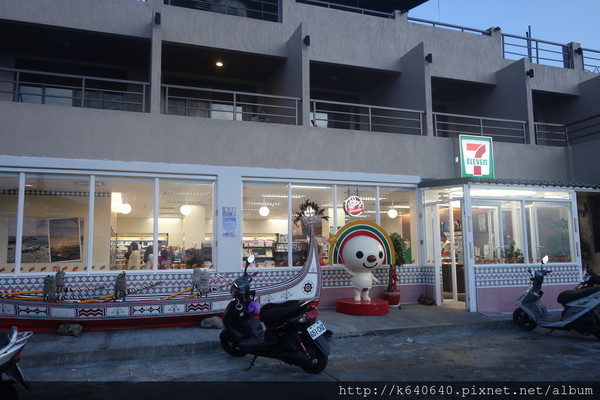
I witnessed an era-defining development on Orchid Island. This controversy is still hanging in the balance—should we maintain the status quo or pursue economic development? I’m not from Orchid Island. The decision of the residents is what matters most. I will always respect and bless them. Whatever lifestyle they choose, let the local people decide for themselves.
Share
This article is published by HowToTrip. Sharing and reposting are welcome — please credit the source.
Article URL: https://www.howtotrip.net/views-19317
Related Articles
- Shaoxing's "Grandpa Gourd" hangs the gourds back up: "If there are too many people, we'll interact less — just take a quick look from afar"
- Chinese authorities announce "reciprocal adjustment" to Japan visa fees — single-entry visa jumps from 2,250 to 16,750 yen!
- The "health stones" carried by a traveler were found to have radiation levels exceeding safety limits by a thousand times, potentially endangering fellow passengers on the same flight. Customs issues warning!
- Shenzhen Airport Issues Late-Night Notice: Unidentified Aerial Object Detected, Causing Widespread Flight Delays!
- “They only said it cost money after I opened the box and washed it!” 200g of grapes sold for 60 yuan on a high-speed train—12306 responds!
- Can't buy an airline ticket? Denied exit? Blocked from boarding? A large number of Chinese tourists have mysteriously become "discredited individuals"
- Adverse weather and economic fluctuations impact Colombia's coffee market
- Beach bathing area responds to 2 yuan/30 seconds fee for freshwater foot rinsing: Clearly priced!
- Taking off with an improperly closed cabin door? Wing malfunction? Multiple flights made emergency returns mid-journey!
- Experience the gifts of nature! A countdown of the world’s ten most stunning coastlines