Must-try century-old dessert shop at Senso-ji Temple – The popular combo is soba noodles with red bean paste

Text & Photos /Nata
Senso-ji Temple, a must-visit spot for first-time travelers to Tokyo, features a huge red lantern with the "Thunder Gate" (雷门) above its main gate, leaving a deep impression on visitors. Among the famous local souvenirs, ningyo-yaki (Japanese dolls-shaped cakes) and Senso-ji mochi are the most well-known. As for traditional local delicacies, I really wanted to try both Oden from Daimaru<和梅园甜品都是我很想尝试的,虽然有点可惜当天只吃了梅园,但梅园甜点的好滋味至今仍让我感动,化成美好的美食回忆。
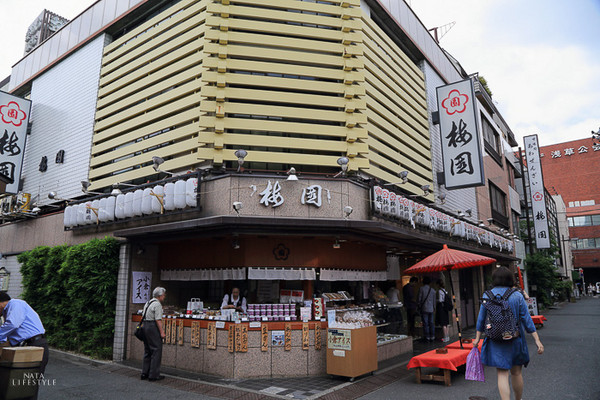
Established in 1854, the Baigan Main Store at Senso-ji Temple originated as a small tea house within one of the temple’s branch shrines. It has stood firm in the Asakusa area for over 160 years, boasting a super long history. Having usually tried modern sweets in Japan, this time I made up my mind after reading a travel guide to finally sample the desserts of a traditional old shop. After walking around Senso-ji Temple and nearby streets like Denboin Dori, my legs were a bit tired, so I followed the directions in the book and came straight here. Of course, I went in right away to rest and recharge.

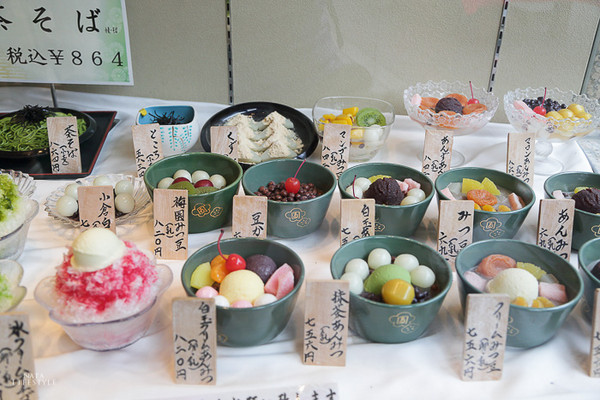
The dessert models at the entrance alone made me drool – shaved ice, red beans, mochi balls, sweet soup... Even though I’m not a big fan of sweets, I couldn’t help but be captivated. The prices of the sweets are a bit high, but considering the craftsmanship passed down through a century, it’s definitely worth it, right?
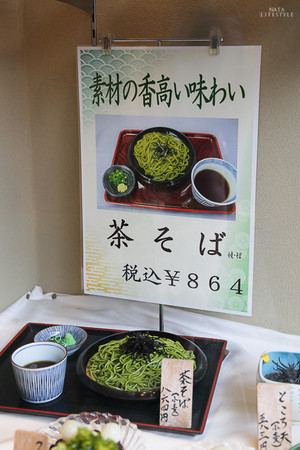
Surprisingly, when I actually ordered, I noticed many Japanese customers were ordering matcha soba noodles paired with a red bean paste dessert – seems like a popular combo!

There’s a minimum order of one item per person.
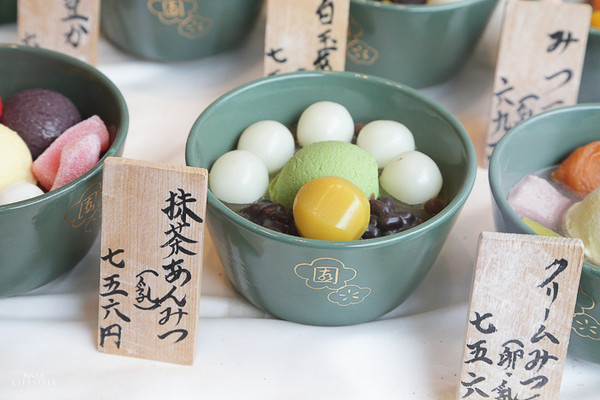
After looking around for a while, I decided to go for the matcha red bean mochi with chestnut dessert (I just can’t resist the classic Japanese dessert combo—matcha + red beans—and it also comes with smooth mochi and candied chestnuts, how could I not order it?)
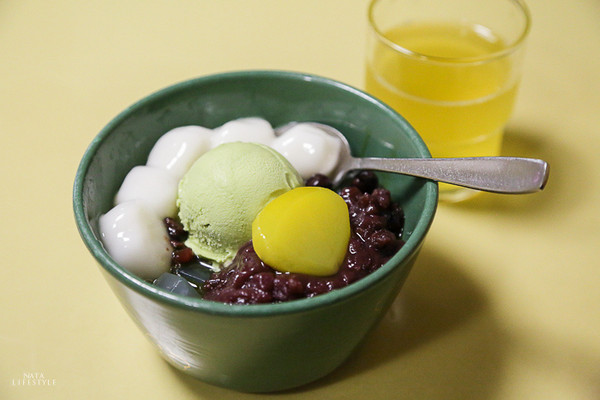

Matcha Red Bean Mochi with Chestnut Dessert 756Q?/strong>
The red bean was truly the unbeatable signature of Baigan. The red bean paste in this dessert had plump, high-quality beans with visible whole grains, yet they were cooked to a soft, sandy texture that melted in your mouth. It had the perfect balance of moisture—neither too wet nor too dry—and the sweetness was at just the right golden ratio. The cooking skill was amazing.
The matcha ice cream had a mild flavor with a fragrant tea taste; the mochi balls were Q (chewy), soft, and smooth, with a gentle texture and rice aroma; the candied chestnuts were firm yet slightly crispy, sweet without being cloying. I was so happy to see them in this bowl, adding a touch of warm yellow. The bottom layer had a chilled jelly-like texture that was a bit firm but smooth, serving to refresh your palate after the sweet treat. I definitely made the right choice—it was delicious!
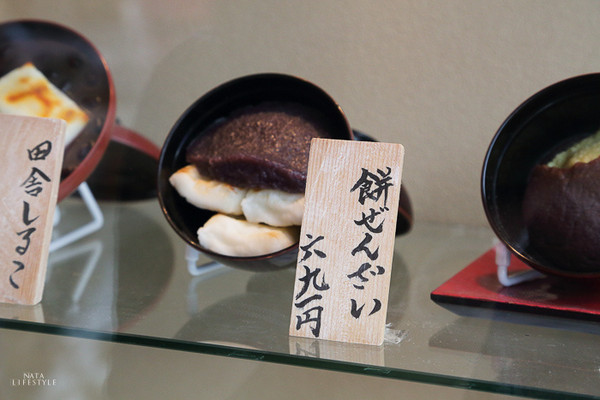
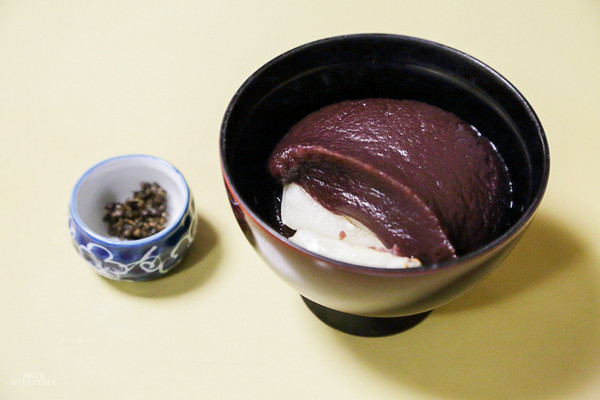
Red Bean Rice Cake 691Q?/strong>
This one was the red bean paste ordered by Wade, served with a small side of salty pickled vegetables. Why pickled vegetables? Why would such salty pickles be served with dessert? We don’t have this kind of pairing in Taiwan—it feels like pickles should go with congee instead.
Actually, if you’ve watched Japanese dramas or shows like “It’s Only the Taste” (Tadashii Oishii Gohan) or other Japanese programs, you’ll notice that traditional Japanese desserts cleverly use this method to keep your taste buds highly engaged with sweets. Eating sweets non-stop can fatigue your palate, but having a little saltiness in between helps reset your taste, allowing you to enjoy the sweets with renewed freshness. Isn’t that a smart move?
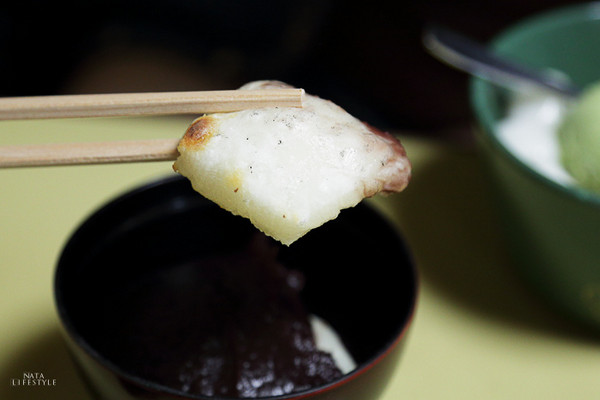
The grilled rice cake had a crispy outside and soft inside, warm and comforting, a common guest in red bean soup. How would it taste today paired with red bean paste? The unexpected combination had the rice cake filled with red bean paste like an innovative dessert—red bean-stuffed rice cake.

The red bean paste was as fine as sand, shimmering with gloss, seemingly achieved through constant whipping to achieve such a soft and delicate texture. The warmth of the sweetness, the soft feel with a slight Q bounce, showcases the charm of seasoned expertise, delighting both the taste buds and the heart. You must give it a try, and don’t forget to pair it with the pickled veggies midway through—experiencing the release and renewal of your palate is one of the great joys of enjoying food. I’m glad I got to taste Baigan’s century-old desserts this time. If I pass by again, next time after lining up at Daimaru, I’ll definitely come back for more.
Info
Baigan in Asakusa’s Shitamachi district
Address: 1-31-12 Asakusa, Taito City, Tokyo
Phone: 03-3841-7580
Business Hours: 10:00–20:00, irregular holidays on the second Wednesday of each month
Website: Baigan Official Website
Nata Not Sloppy
Happy to be a stylish life enthusiast and cooking researcher
Share
This article is published by HowToTrip. Sharing and reposting are welcome — please credit the source.
Article URL: https://www.howtotrip.net/views-18581
Related Articles
- Shaoxing's "Grandpa Gourd" hangs the gourds back up: "If there are too many people, we'll interact less — just take a quick look from afar"
- Chinese authorities announce "reciprocal adjustment" to Japan visa fees — single-entry visa jumps from 2,250 to 16,750 yen!
- The "health stones" carried by a traveler were found to have radiation levels exceeding safety limits by a thousand times, potentially endangering fellow passengers on the same flight. Customs issues warning!
- Shenzhen Airport Issues Late-Night Notice: Unidentified Aerial Object Detected, Causing Widespread Flight Delays!
- “They only said it cost money after I opened the box and washed it!” 200g of grapes sold for 60 yuan on a high-speed train—12306 responds!
- Can't buy an airline ticket? Denied exit? Blocked from boarding? A large number of Chinese tourists have mysteriously become "discredited individuals"
- Adverse weather and economic fluctuations impact Colombia's coffee market
- Beach bathing area responds to 2 yuan/30 seconds fee for freshwater foot rinsing: Clearly priced!
- Taking off with an improperly closed cabin door? Wing malfunction? Multiple flights made emergency returns mid-journey!
- Experience the gifts of nature! A countdown of the world’s ten most stunning coastlines