Stop being a "disqualified traveler"!10 essential etiquette tips for traveling in Japan
Reported by You Ru / Taipei
Japan has always been a popular travel destination for Taiwanese, but recently there have been reports of frequent traffic accidents caused by Taiwanese tourists driving in Japan, as well as complaints from locals after visitors to Tōdai-ji Temple were too loud. For a country that places great emphasis on etiquette, there are indeed many etiquette rules to keep in mind when traveling in Japan. ETtoday EBC News interviewed Zhong Yuxin, president of J&T CONTENTS Co., Ltd., which specializes in Taiwan-Japan tourism exchanges, for ten etiquette tips travelers should follow—something worth considering before visiting Japan.
Read more:Loud talking, loitering—Taiwanese tourists’ bad behavior at Tōdai-ji Temple caught on camera
Unacceptable behavior continues!Ishigaki car rental firm reiterates: Taiwanese have 40x higher accident rate
No-shows after making reservations—Kyoto’s famous restaurant “Hirokawa” refuses Taiwanese bookings
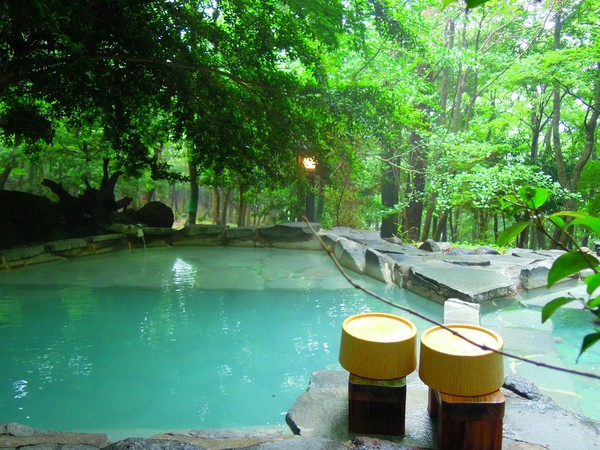
% Many Taiwanese travelers overlook basic etiquette when visiting Japan. (Photo by You Ru)
1. Do not use your phone or eat on public transportation
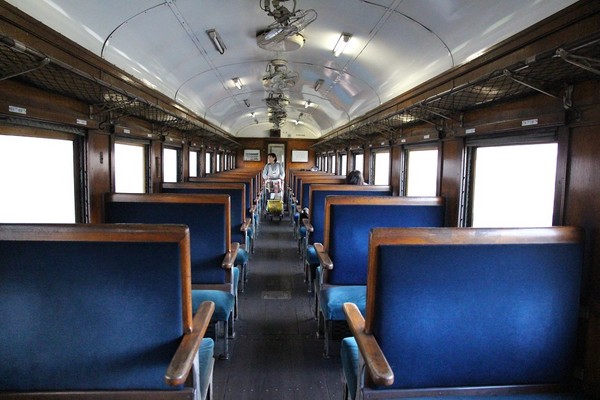
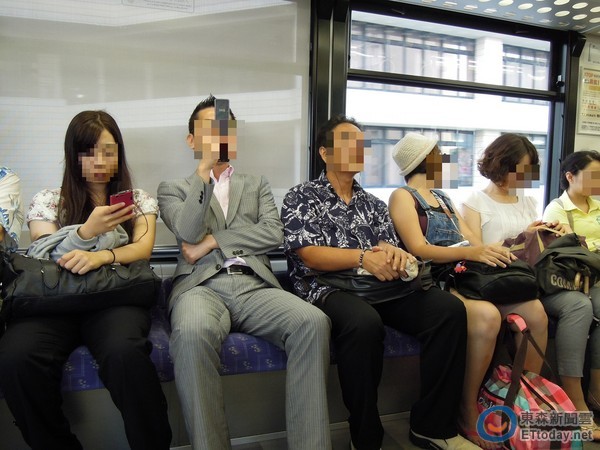
Experienced travelers to Japan know that on trains, almost all passengers switch their phones to silent mode upon boarding. Talking on the phone is strictly avoided, and it's best not to even make notification sounds from messages or chat apps. Although there's no official rule against eating or drinking on trains, the Japanese naturally avoid doing so to prevent disturbing others.
% It's best to avoid using your phone or eating on trains. (Photo by You Ru)
2. Always say thank you before leaving a restaurant
Taiwanese people generally have good manners in daily life, such as saying thank you when taking public transport or shopping, but the Japanese take it a step further. Zhong Yuxin explained that since tipping is not customary in Japan, diners will invariably say “gochisousama deshita” (thank you for the meal) before leaving. “In Japan, this phrase reflects a person’s upbringing.”
3. If you can’t finish your meal at a restaurant, explain politely: “It’s not that it wasn’t delicious, I just couldn’t eat it all.”
Japanese chefs take great pride in their cooking and care deeply about how their food is received. Finishing what you ordered is a basic sign of respect. Zhong Yuxin suggests that when traveling, it’s common to want to try many dishes only to find you can’t finish them all—just let the staff know: “It’s not that it wasn’t delicious, I just couldn’t eat it all.” Otherwise, chefs might be disheartened seeing unfinished plates...
4. Do not walk and eat on the street
This is somewhat of an unspoken rule in Japan. There's no official ban on eating while walking, but shy Japanese people prefer not to be seen doing it. At most, they might drink a beverage or eat an ice cream on the go—that’s about as far as it goes. To avoid seeming rude, Taiwanese travelers should be mindful of this.
5. When staying in a hotel, point the toes of your shoes outward
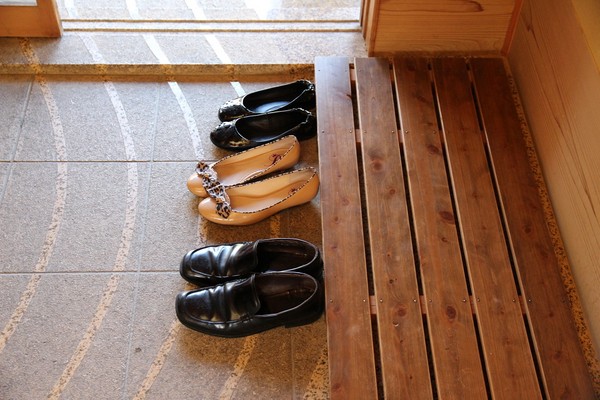
Whenever you need to take off your shoes, the Japanese will neatly arrange them with the toes pointing outward—this is especially important when staying in a traditional Japanese inn. “This is something girls should pay extra attention to, as it’s often seen as a sign of good upbringing.”
% When removing shoes, make sure the toes face outward. (Photo by You Ru)
6. Don’t honk your horn while driving
In Taiwan, it’s common for drivers to lightly honk to alert others, but in Japan, honking is extremely rare. Most drivers patiently wait and yield to pedestrians. While whether or not to honk is a personal choice, self-driving tourists should stay calm, follow the rules, and practice patience—it’s also a key way to protect yourself.
7. Do not talk loudly at tourist sites or temples, and don’t chat during guided tours
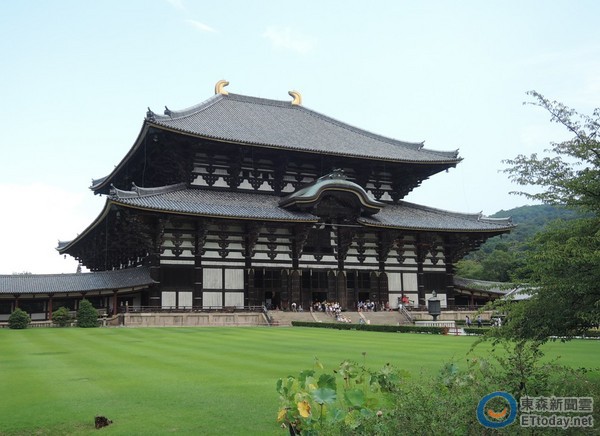
During guided tours at temples or attractions, many Taiwanese tourists tend to whisper or chat among themselves, which is considered very disrespectful in Japan. Actually, this basic courtesy isn’t limited to Japan or Taiwan—it applies everywhere but is often overlooked.
% When visiting temples or scenic spots, avoid loud conversations. (Photo by You Ru)
8. Dispose of toilet paper in the toilet; women should activate the "sound princess" device; don’t wear the genkan slippers into the restroom at an izakaya
Japanese people, who highly value bathroom comfort, often have amenities like heated toilet seats and bidets. For women using public restrooms, the “sound princess” (otohime) device is essential. To avoid being heard, many press this button to play music or bird sounds. Also, toilet paper in Japan is usually flushable. At izakayas, there are separate slippers for the restroom—don’t mix them up with the ones for the dining area.
9. After eating, place your chopsticks horizontally on the chopstick rest or sleeve
Dining etiquette is also a key measure of one’s upbringing in Japan. Zhong Yuxin shares that in Japan, the proper way to place chopsticks after eating is not on the table or bowl, but horizontally on the chopstick rest or neatly back in the paper sleeve they came in—doing otherwise is considered impolite.
10. Do not take photos of passersby’s faces, and always ask for permission before taking pictures inside shops.
The Japanese are a people who highly value privacy. Therefore, when visiting scenic spots, avoid taking random photos of cute Japanese children or people dressed in distinctive attire to prevent causing offense. If you enter a shop you like and want to take a quick photo, be sure to ask the shop owner for permission first.
%Taking photos of strangers’ children without consent is impolite. (Japan, photo by 如摄)
When it comes to travel etiquette in Japan, there’s simply so much to discuss. “The Japanese are a people who are very conscious of others’ gaze, so there are many etiquette points to keep in mind,” said Chung Yu-hsin. Most Taiwanese travelers to Japan still maintain excellent manners and standards, and no matter where you travel, as long as you observe carefully and respect the local culture attentively, you won’t have to worry about being impolite and can happily enjoy a culture and lifestyle different from that of Taiwan.
Share
This article is published by HowToTrip. Sharing and reposting are welcome — please credit the source.
Article URL: https://www.howtotrip.net/views-18552
Related Articles
- Shaoxing's "Grandpa Gourd" hangs the gourds back up: "If there are too many people, we'll interact less — just take a quick look from afar"
- Chinese authorities announce "reciprocal adjustment" to Japan visa fees — single-entry visa jumps from 2,250 to 16,750 yen!
- The "health stones" carried by a traveler were found to have radiation levels exceeding safety limits by a thousand times, potentially endangering fellow passengers on the same flight. Customs issues warning!
- Shenzhen Airport Issues Late-Night Notice: Unidentified Aerial Object Detected, Causing Widespread Flight Delays!
- “They only said it cost money after I opened the box and washed it!” 200g of grapes sold for 60 yuan on a high-speed train—12306 responds!
- Can't buy an airline ticket? Denied exit? Blocked from boarding? A large number of Chinese tourists have mysteriously become "discredited individuals"
- Adverse weather and economic fluctuations impact Colombia's coffee market
- Beach bathing area responds to 2 yuan/30 seconds fee for freshwater foot rinsing: Clearly priced!
- Taking off with an improperly closed cabin door? Wing malfunction? Multiple flights made emergency returns mid-journey!
- Experience the gifts of nature! A countdown of the world’s ten most stunning coastlines