Enhanced by a century-old sauce, Uifune’s unagi rice draws outdoor waits of over 100 in summer
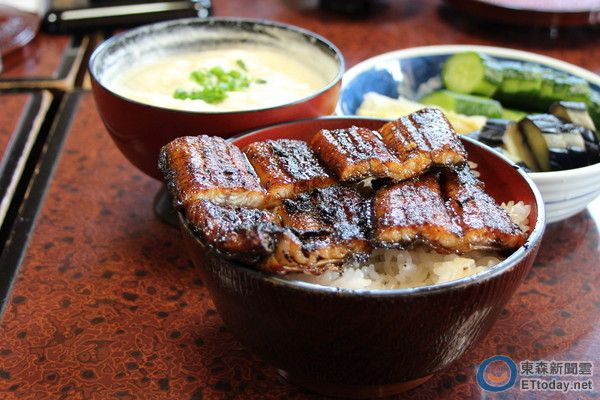
▲ Every July and August, Uifune sees a surge of customers all eager to taste its iconic unagi rice.
Text and photos by Huang Shiyuan
When it comes to Japanese cuisine, besides sashimi and nigiri sushi, unagi donburi is considered a must-try by many. Located in Miyazaki PrefectureUifunewas established in 1894 during the Meiji era and has been serving unagi rice for 117 years. It is known for grilling eel over binchotan charcoal, using a proprietary sauce that has been passed down for over a hundred years, and for having almost no fish bones. The restaurant is typically full during regular meal hours, and in the summer months of July and August, outdoor queues often reach over 100 people.
To soften the fine bones in eel, most restaurants steam the fish after cleaning and deboning. However, at Uifune, after removing bones, the eel is directly grilled and seasoned, which enhances its flavor. Even without the steaming step, Uifune’s unagi rice is bone-free. The third-generation owner, Yokoyama Kunio, explains that the fine bones become crispy during the intense charcoal grilling, making them undetectable. The eel also develops a distinctive smoky aroma after high-heat grilling.
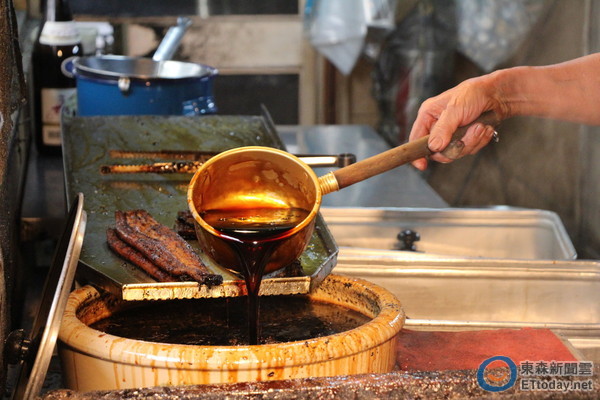
▲ Uifune’s signature sauce also boasts a heritage of over 100 years.
Another element that makes Uifune’s unagi rice so delicious is its century-old sauce. Yokoyama Kunio notes that the sauce is made from ingredients such as soy sauce, sugar, Japanese sake, and mirin, as formulated by the first-generation founder. He has tried recreating it with his own methods, but the flavor just isn’t the same. Due to the fame of Uifune’s unagi rice, some have offered high prices to buy the sauce, but Yokoyama has firmly declined.
Yokoyama also mentioned that the eel is first transferred to a separate warehouse, where it is rinsed with clean water and fasted for 5–7 days before being slaughtered on the same day and delivered to the restaurant for grilling. This process ensures there’s no fishy taste in their eel.
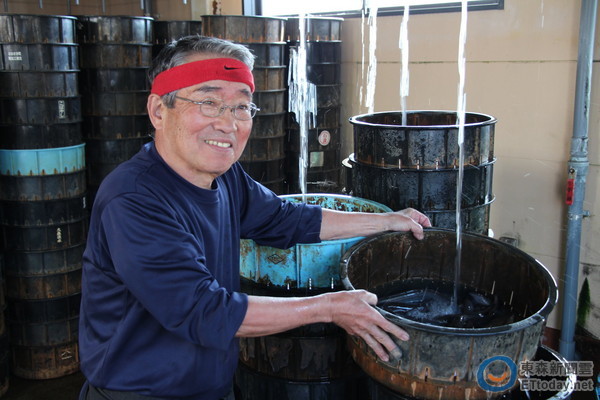
▲ Uifune’s eel is fasted for 5–7 days before preparation.
In Japan, it’s customary to eat unagi rice in the summer. Therefore, every July and August, Uifune sees a flood of diners. But due to limited seating, long lines of over a hundred people often form outside. Yokoyama says that during this period, he stands by the grill the entire time. In the intense heat, he drinks 5–6 two-liter bottles of water each day.
Uifune Unagi Rice
Price: 2,800 JPY
Address: 3316-3 Minamimachi, Nishiura, Nishiuwa District, Miyazaki Prefecture, Japan
Phone: (0982) 43-0511
Website: www.u-irifune.com
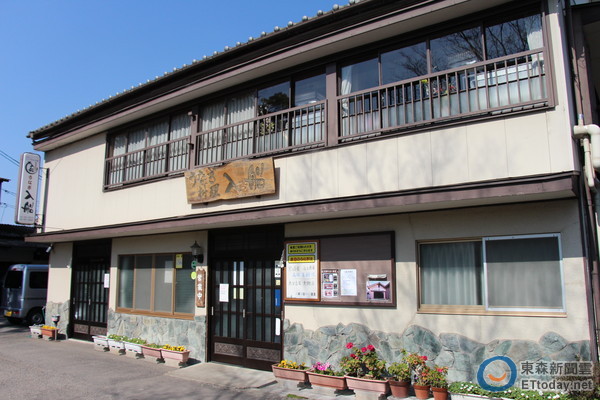
▲ Uifune’s unagi rice has a history of 117 years.
Share
This article is published by HowToTrip. Sharing and reposting are welcome — please credit the source.
Article URL: https://www.howtotrip.net/views-18332
A complete guide to food, fun, and things to do in Taichung (Taizhong)! Locals reveal how to enjoy the best of Taichung!
Next →Each shop has its own unique style. Among the Japanese ramen spots, Menya Musashi's signature dish is tsukemen (dipping noodles), known for their bold, meaty flavor.
Related Articles
- Shaoxing's "Grandpa Gourd" hangs the gourds back up: "If there are too many people, we'll interact less — just take a quick look from afar"
- Chinese authorities announce "reciprocal adjustment" to Japan visa fees — single-entry visa jumps from 2,250 to 16,750 yen!
- The "health stones" carried by a traveler were found to have radiation levels exceeding safety limits by a thousand times, potentially endangering fellow passengers on the same flight. Customs issues warning!
- Shenzhen Airport Issues Late-Night Notice: Unidentified Aerial Object Detected, Causing Widespread Flight Delays!
- “They only said it cost money after I opened the box and washed it!” 200g of grapes sold for 60 yuan on a high-speed train—12306 responds!
- Can't buy an airline ticket? Denied exit? Blocked from boarding? A large number of Chinese tourists have mysteriously become "discredited individuals"
- Adverse weather and economic fluctuations impact Colombia's coffee market
- Beach bathing area responds to 2 yuan/30 seconds fee for freshwater foot rinsing: Clearly priced!
- Taking off with an improperly closed cabin door? Wing malfunction? Multiple flights made emergency returns mid-journey!
- Experience the gifts of nature! A countdown of the world’s ten most stunning coastlines