Understand in One Minute: Sake Experts Reveal 6 Key Clues Hidden on the Label
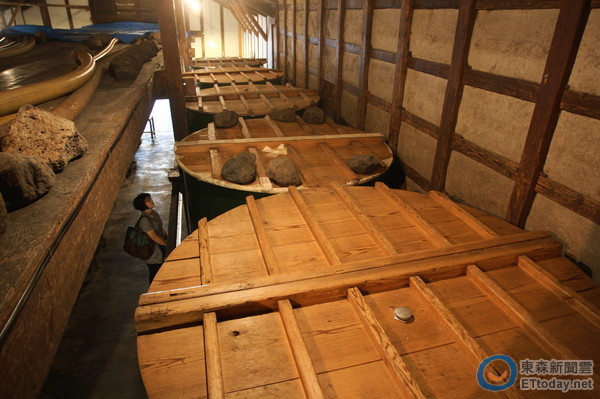
▲ The 185-year-old Takasago Brewery houses many massive brewing barrels. (Excessive drinking is harmful to health)
Reported and photographed by Chen Ruizhong, staff reporter in Japan
Many people enjoy sipping sake after trying Japanese cuisine or soaking in an onsen. That naturally fermented aroma with a lingering finish is truly unforgettable. But how do you choose a good bottle of sake? Sake experts tell us,the little secrets of sake are hidden right on the bottle’s label.
A sake brewery nestled at the foot of Mount Fuji“Takasago”is a long-established sake maker with 185 years of history. Using snowmelt water from Mount Fuji in its brewing process gives the sake a sweeter taste. It has also received numerous accolades in both local and national sake competitions, making it a well-known local brand in Shizuoka. The brewery’s consultant,Kin’ya Kaneda,has dedicated nearly his entire life to the art of sake brewing, showing immense passion for sake. He also offers professional advice to beginners on how to quickly get to know sake.(Excessive drinking is harmful to health)
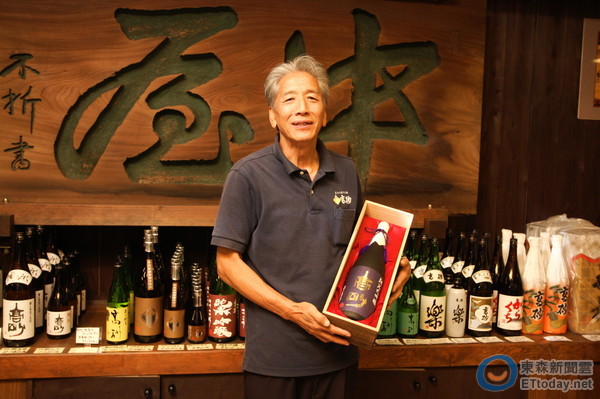
▲ Kin’ya Kaneda, consultant at Takasago Brewery, is a seasoned sake expert. (Excessive drinking is harmful to health)
1. Ingredients
Kin’ya Kaneda reveals that when picking up a bottle, the first thing to look at is the ingredients. If the ingredient list includes only rice and rice koji, it is called Junmai-shu (pure rice sake). If it contains added “brewing alcohol,” it is not Junmai-shu—for example, “Junmai Ginjo” means sake without any added brewing alcohol.
2. Sake Meter Value (SMV)
The SMV column usually uses plus (+) and minus (–) signs along with numbers to indicate taste. A plus sign means the sake is drier or more acidic, while a minus sign means it is sweeter. For instance, +5 will taste more dry than –3. Some producers simply label it as “dry.”
3. Polishing Ratio (Seimaibuai)
The polishing ratio indicates what percentage of the rice grain remains after polishing. A ratio of 55% means 45% of the outer part of the grain has been milled away, leaving 55% of the core, which is used for brewing. Therefore, the smaller the number, the more refined the rice and the higher the grade of sake. The highest grade, “Daiginjo,” usually requires a polishing ratio of below 50%, and some breweries even set the standard at below 40%.
4. Rice Variety
The rice used for sake is different from table rice and is much more difficult to cultivate, often costing over 1.5 times more. Different varieties also produce distinct flavors. For example, common varieties like Gohyakumangoku and Miyamanishiki yield sake with elegant and refreshing tastes. Yamadanishiki, known for its balanced flavor, is Japan’s most premium and expensive rice variety, often hailed as the “king of sake rice.”
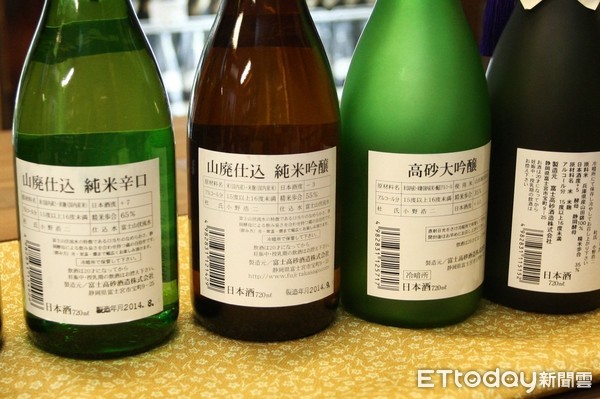
▲ The sake label is like a sake ID card, and the details on it can help you better understand the sake. (Excessive drinking is harmful to health)
5. Production Date
Taiwanese people prefer their white liquor “the older, the better,” but Japanese sake is the complete opposite. Kin’ya Kaneda says that freshly brewed sake is usually the most delicious, so it’s best to drink it as soon as possible. After about six months, it’s considered aged sake, and in Japan, breweries that are strict about quality may even clear out stock over a year old at discounted prices. However, he also notes that these standards are set for those with very sensitive palates, so the average consumer doesn’t need to be overly concerned.
6. Name & Classification
Based on factors such as brewing methods, additives, and polishing ratios, sake is categorized into types like Junmai Daiginjo, Daiginjo, Ginjo, Junmai Ginjo, Junmai-shu, and Honjozo. These categories also serve as pricing standards. For example, the most expensive “Junmai Daiginjo” indicates no added brewing alcohol (Junmai), and the Daiginjo classification means the polishing ratio is below 50%. For “Ginjo,” the polishing ratio is below 60%, and up to 24% brewing alcohol may be added.
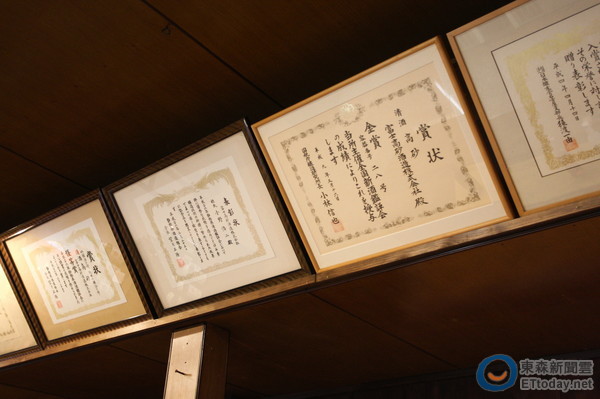
▲ Thanks to the use of Mount Fuji spring water, Takasago sake has won numerous awards.
The expert says,the world of sake is vast and complex—different brands and regions all bring unique variations and characteristics to the sake. These five classifications are just basic guidelines based on data.But by keeping these simple principles in mind, beginners will find it easier to pick out sake they’ll love as souvenirs when traveling in Japan. Up!(Excessive drinking is harmful to health)
Share
This article is published by HowToTrip. Sharing and reposting are welcome — please credit the source.
Article URL: https://www.howtotrip.net/views-18305
Related Articles
- Shaoxing's "Grandpa Gourd" hangs the gourds back up: "If there are too many people, we'll interact less — just take a quick look from afar"
- Chinese authorities announce "reciprocal adjustment" to Japan visa fees — single-entry visa jumps from 2,250 to 16,750 yen!
- The "health stones" carried by a traveler were found to have radiation levels exceeding safety limits by a thousand times, potentially endangering fellow passengers on the same flight. Customs issues warning!
- Shenzhen Airport Issues Late-Night Notice: Unidentified Aerial Object Detected, Causing Widespread Flight Delays!
- “They only said it cost money after I opened the box and washed it!” 200g of grapes sold for 60 yuan on a high-speed train—12306 responds!
- Can't buy an airline ticket? Denied exit? Blocked from boarding? A large number of Chinese tourists have mysteriously become "discredited individuals"
- Adverse weather and economic fluctuations impact Colombia's coffee market
- Beach bathing area responds to 2 yuan/30 seconds fee for freshwater foot rinsing: Clearly priced!
- Taking off with an improperly closed cabin door? Wing malfunction? Multiple flights made emergency returns mid-journey!
- Experience the gifts of nature! A countdown of the world’s ten most stunning coastlines