The hot spring season is here! Keep these 12 tips in mind for a relaxing soak and to fully enjoy the charm of hot springs
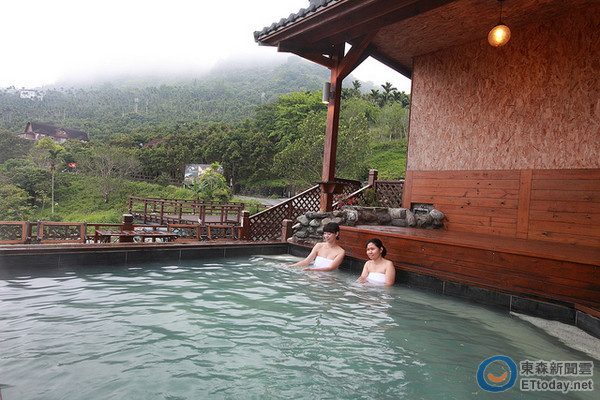
▲ Illustration of hot springs. (Photo provided by Wu Dongjun)
Life Center / Comprehensive Report
As Lidong (the Beginning of Winter) has passed, the weather is getting colder, and more people are heading to hot springs.But longer soaking doesn’t necessarily mean better results.To soak healthily, the Tourism Bureau reminds the public that those who are sleep-deprived, overworked mentally, or have just consumed alcohol should avoid hot springsto prevent cerebral anemia or hot spring shock.Keep these 12 essential hot spring tips in mind to enjoy their benefits safely.
The Tourism Bureau of the Ministry of Transportation reminds everyone that before heading to the hot springs, you should first assess your own condition.Those who are sleep-deprived, overworked mentally, or have just consumed alcohol belong to the “Three No’s of Hot Spring Soaking” groupand should avoid it as much as possible. Especiallysoaking while drunk can, in severe cases, lead to cerebral hemorrhage due to accelerated blood circulation.It is also recommended to use the “gradual entry method” when getting in the water — start by letting the hot spring water run over your feet, then slowly move upward. Before entering the bath in winter, warming up your whole body from head to toe can help prevent cerebral ischemia.
%JiaLv?JvZhanJi. (#,?Duan???)
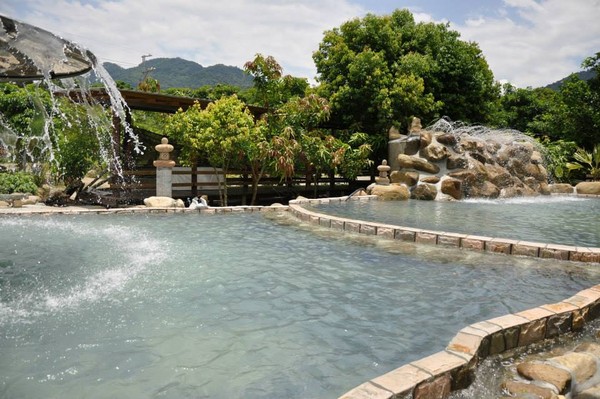
Below are the 12 hot spring soaking tips recommended by the Tourism Bureau.
1. The duration of your soak depends on the temperature of the hot spring. If you’re sweating profusely or your heart rate increases rapidly, take a 5 to 6 minute break before starting a second round.
2. Soak for about 15 minutes at a time, and you may repeat the process multiple times. Don’t soak more than three times a day. If you sweat excessively or your pulse exceeds 120 beats per minute, it means you’ve soaked for too long.
3. Before entering the hot spring pool, it’s best to rest for a while. Having about an hour of quiet rest before bathing is most appropriate, as the minerals in hot springs are potent, and soaking is similar to exercising.
4. If you experience palpitations or dizziness while soaking, slowly get up, step out of the pool, and rest quietly. If the symptoms do not improve, stop soaking.
5. Elderly individuals or those with mild heart weakness should avoid sitting while soaking. Instead, rest your head on the edge of the tub and float with your limbs relaxed to prevent palpitations or chest tightness.
6. Senior citizens should not soak alone.
7. When entering the bath or soaking, try to avoid areas with high-temperature hot spring water outlets. Appropriate soaking duration yields better results. Depending on your skin’s tolerance, a water temperature of 38–42°C is ideal, and should never exceed 45°C to avoid scalding.
8. Calm your mind and body, and focus on allowing the chemical and physical stimulation of the hot spring to work within you, creating beneficial therapeutic effects for a true hot spring wellness experience.
9. After the soak, dry your body directly with a towel and your hair with a blow dryer. Unless you have sensitive skin, do not rinse off the mineral film — this helps retain the warmth.
10. Drink plenty of fluids before and after soaking to maintain body balance.
11. Avoid binge eating after your bath.
12. After soaking, avoid stimulating activities such as drinking coffee, strong tea, smoking, or alcohol.
(Source: Central News Agency)
Share
This article is published by HowToTrip. Sharing and reposting are welcome — please credit the source.
Article URL: https://www.howtotrip.net/views-16002
Related Articles
- Shaoxing's "Grandpa Gourd" hangs the gourds back up: "If there are too many people, we'll interact less — just take a quick look from afar"
- Chinese authorities announce "reciprocal adjustment" to Japan visa fees — single-entry visa jumps from 2,250 to 16,750 yen!
- The "health stones" carried by a traveler were found to have radiation levels exceeding safety limits by a thousand times, potentially endangering fellow passengers on the same flight. Customs issues warning!
- Shenzhen Airport Issues Late-Night Notice: Unidentified Aerial Object Detected, Causing Widespread Flight Delays!
- “They only said it cost money after I opened the box and washed it!” 200g of grapes sold for 60 yuan on a high-speed train—12306 responds!
- Can't buy an airline ticket? Denied exit? Blocked from boarding? A large number of Chinese tourists have mysteriously become "discredited individuals"
- Adverse weather and economic fluctuations impact Colombia's coffee market
- Beach bathing area responds to 2 yuan/30 seconds fee for freshwater foot rinsing: Clearly priced!
- Taking off with an improperly closed cabin door? Wing malfunction? Multiple flights made emergency returns mid-journey!
- Experience the gifts of nature! A countdown of the world’s ten most stunning coastlines