Mind-blowing experience: Chat and take photos up close with inmates at the “happiest prison in the world”
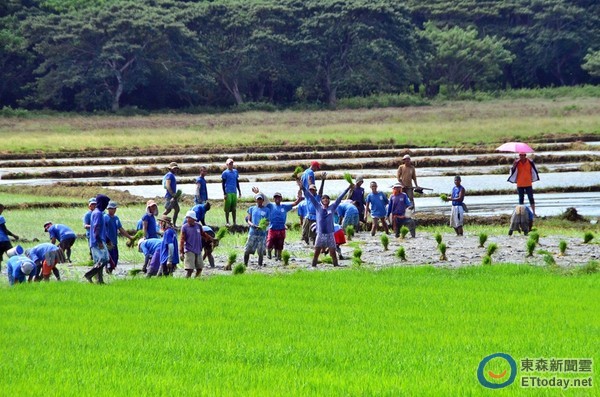
▲ Dubbed the “Happy Prison Farm,” it’s both a prison and a farm. The photo shows inmates serving their sentences. (Photo / Reporter Chen Ziying)
Normally, suspects who commit crimes and are sent to prison must endure the punishment of losing their freedom and live almost in complete isolation.The “Happy Prison Farm” (Iwahig Prison and Penal Farm) is a truly unique prison where inmates aren’t locked up—they’re free to roam outdoors—and the prison even offers free tours for visitors, allowing them to chat and interact closely with the prisoners.
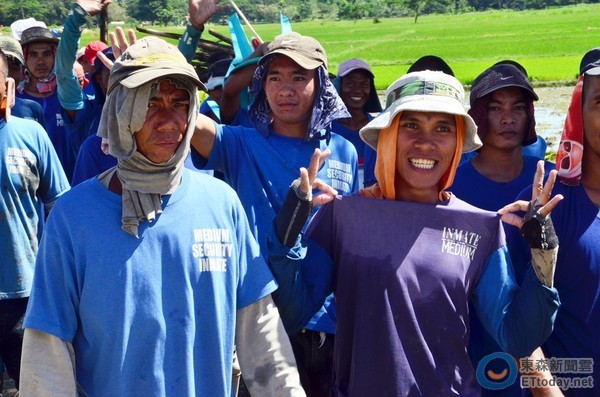


“I’ve been here for 13 years, and I’ll be out in another two. During my time in prison, I’ve felt happy and have always had hope.”The man before us, smiling broadly as he rides a bicycle and wears a yellowish-brown shirt, says these words—it’s hard to imagine they come from someone imprisoned for over a decade. Local senior tour guide Ah Jun explains that the Happy Prison Farm has vast, almost immeasurable land. Inmates here are categorized into high-risk, medium-risk, and low-risk, distinguished by the colors of their uniforms: black, blue, and yellowish-brown. They are technically confined within certain areas, but because the space is so expansive, it looks as if they’re free.
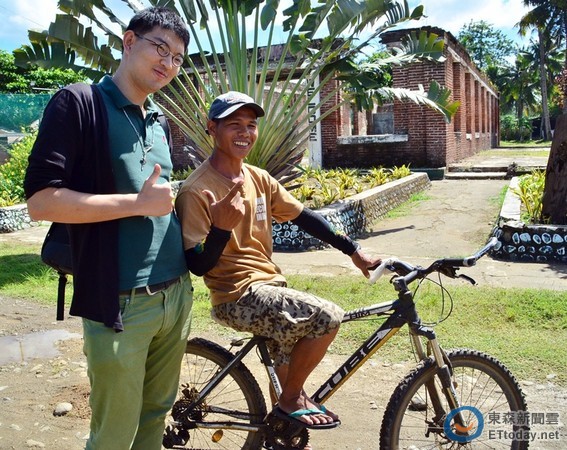
▲ This man, imprisoned for 13 years, tells the reporter he feels quite happy. (Photo / Reporter Chen Ziying)
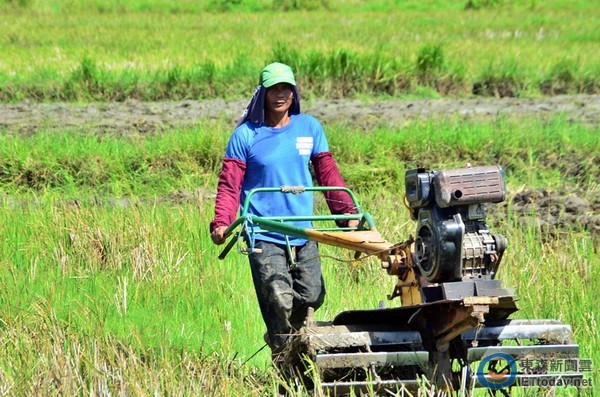
Guide Ah Jun further explains that the primary jobs of inmates at the Happy Prison Farm include farming, hunting, and crafting handmade goods to sell to tourists. The lighter, more visitor-friendly tasks—such as interacting directly with guests—are mostly carried out by those in yellowish-brown uniforms, classified as low-risk. Inmates in black uniforms, deemed high-risk, rarely appear; they have even less freedom and are assigned more grueling labor, such as chopping wood in the mountains or digging ditches. The rest, like those seen by visitors, mostly engage in simple farming. The prison farm was established in 1904 when Americans would round up criminals and send them here. It’s also known as the “oldest prison without walls.”
This kind of prison life might be considered a different kind of transcendence—even some inmates, after serving decades here, don’t want to leave. The prison will then allocate them a piece of land to build a house and even bring their families to live with them. As a result, the atmosphere of the Happy Prison Farm is rather unique: there are shops, residences, and even tourists mingling among them. Of course, this isn’t an endorsement of crime.Tour guide Ah Jun says, “They may seem carefree, but at night they still have to go back inside, and the suffering of over ten people crammed into a tiny cell is something visitors can hardly imagine.”
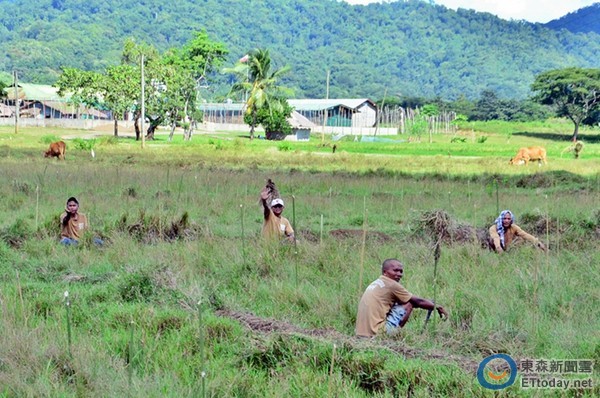
▲ Yellowish-brown uniforms signify low-risk inmates. (Photo / Reporter Chen Ziying)
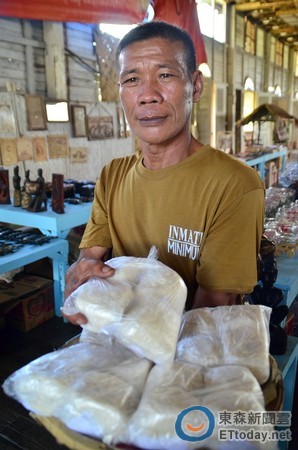
▲ This man, previously convicted of drug trafficking, has been imprisoned for 23 years and now hand-makes steamed buns to sell to tourists. (Photo / Reporter Chen Ziying)

▲ There are all kinds of handicrafts made by inmates themselves, which they promote to tourists and for which they have recorded “performance metrics.” (Photo / Reporter Chen Ziying)
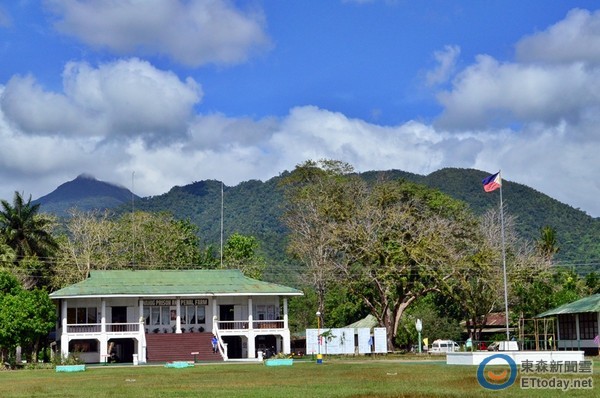

※ According to locals, Philippine law differs from Taiwan’s—“parole” is very rare, and most inmates must serve their full sentences before being released. Exceptions may be made for high-risk inmates who have served decades and demonstrated exemplary behavior, possibly leading to an earlier release.
Share
This article is published by HowToTrip. Sharing and reposting are welcome — please credit the source.
Article URL: https://www.howtotrip.net/views-15835
Related Articles
- Shaoxing's "Grandpa Gourd" hangs the gourds back up: "If there are too many people, we'll interact less — just take a quick look from afar"
- Chinese authorities announce "reciprocal adjustment" to Japan visa fees — single-entry visa jumps from 2,250 to 16,750 yen!
- The "health stones" carried by a traveler were found to have radiation levels exceeding safety limits by a thousand times, potentially endangering fellow passengers on the same flight. Customs issues warning!
- Shenzhen Airport Issues Late-Night Notice: Unidentified Aerial Object Detected, Causing Widespread Flight Delays!
- “They only said it cost money after I opened the box and washed it!” 200g of grapes sold for 60 yuan on a high-speed train—12306 responds!
- Can't buy an airline ticket? Denied exit? Blocked from boarding? A large number of Chinese tourists have mysteriously become "discredited individuals"
- Adverse weather and economic fluctuations impact Colombia's coffee market
- Beach bathing area responds to 2 yuan/30 seconds fee for freshwater foot rinsing: Clearly priced!
- Taking off with an improperly closed cabin door? Wing malfunction? Multiple flights made emergency returns mid-journey!
- Experience the gifts of nature! A countdown of the world’s ten most stunning coastlines