Taiwan’s 7 Highlight Tea Estates: Turning Fine Taiwanese Tea into Tourist Attractions
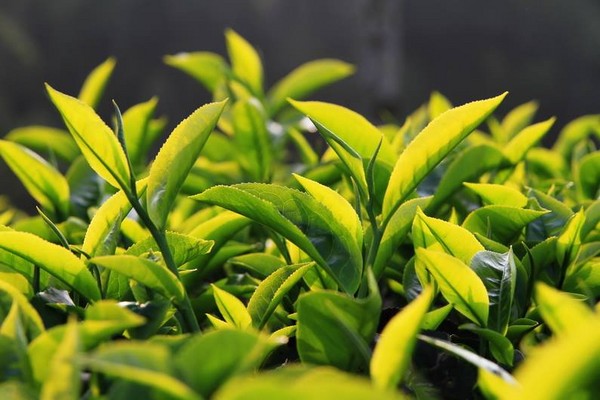
▲ Taiwanese tea has had a profound impact on local culture. (Photo / Screenshot fromHehuan Forest - Old K Black Tea ManorFacebook page)
Travel Center / Comprehensive Report
The history of Taiwanese tea spans over 200 years, gradually gaining fame since the late Qing Dynasty. It was not only a major export item at the time but also had a significant cultural influence, later becoming one of the most common local souvenirs. Recognizing the importance of the tea industry to Taiwan, this year the Council of Agriculture formed a tea estate guidance team aiming to model the tea industry after European wineries to create a uniquely Taiwanese feature. Seven distinctive tea estates were specially selected to integrate Taiwan’s fine teas with tourism and other elements, allowing more people to discover these creatively unique tea estates.
1. Yishou Tea Factory
Address: No. 852, Section 1, Zhongyi Road, Guishan District, Taoyuan County
Phone: 03-3503795
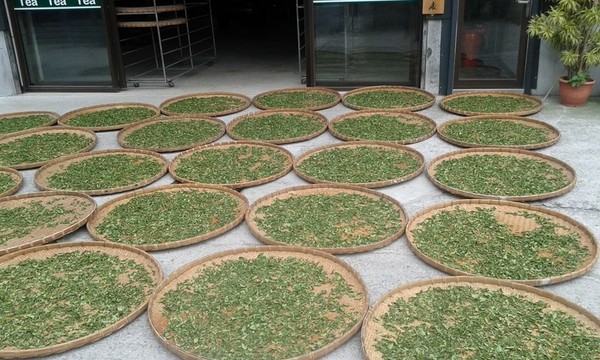
▲ Yishou Tea Factory is the only tea estate selected in northern Taiwan, with the owner placing great emphasis on promoting tea culture. (Photo / Screenshot fromLin Yu's Facebook)
Located in Maple Village, Guishan District, Taoyuan County, Yishou Tea Factory is the only tea estate selected in northern Taiwan. In addition to producing high-quality, pesticide-free tea, the factory has invested millions to build a tea-making classroom and collaborates with instructors to host DIY tea-making experience classes, tea cultural and creative merchandise, and healthy tea food workshops through the Ya Yue Tea Collection, helping to promote the development of tea culture in Taoyuan County.
2. Jichen Tea Factory (Sun Moon Lake Owl Home)
Address: No. 5-1, Xiangcha Lane, Xincheng Village, Yuchi Township, Nantou County
Phone: 049-2895733
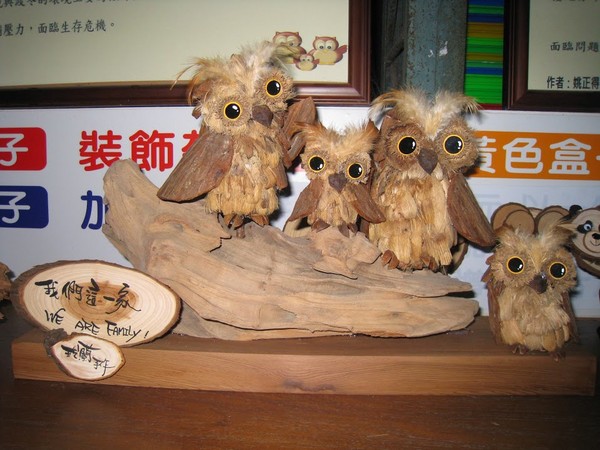
▲ The Sun Moon Lake Owl Home is decorated with many wooden carvings, offering the joy of wood carving DIY along with tea. (Photo / Screenshot fromSun Moon Lake Owl Home Online Album)
Combining wood, owls, and black tea, the Sun Moon Lake Owl Home has been transformed into a unique tea estate that blends wood carving with tea. This once-popular Assam black tea factory rose from the scars of the 921 Earthquake. Inspired by a chance encounter with the story of the Thao tribe’s owls, 15 wooden carvings of owls with different expressions were created, turning an abandoned factory into a creative space for families to enjoy DIY black tea and wood carving experiences.
3. Hehuan Forest Tea Factory
Address: No. 5, Xiangcha Lane, Xincheng Village, Yuchi Township, Nantou County
Phone: 049-2897238
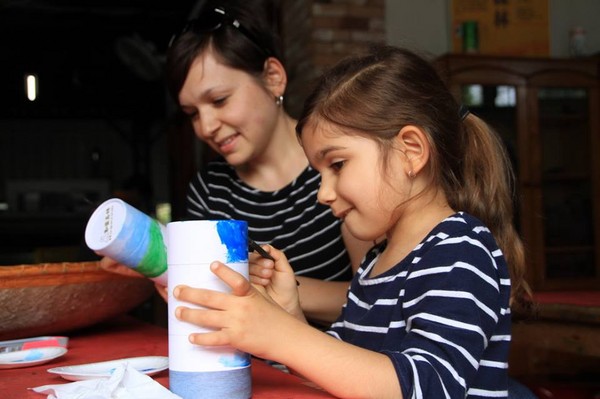
▲ At Hehuan Forest, you can also try your hand at painting your own tea tin. (Photo / Screenshot fromHehuan Forest - Old K Black Tea ManorFacebook page)
Hehuan Forest has won the Yuchi Annual Black Tea Making Competition several times in a row. Not only does it inherit Japanese tea-making techniques, but even the tea trees were planted by the Japanese. The second-generation owner continues the long-standing dedication and recognition of black tea, organizing various activities to promote black tea culture. From April to December each year, black tea experience camps are held, guiding visitors to learn about black tea culture through hands-on tea-making and tea food tasting. Visitors can also paint their own tea tins, and in winter, a handmade black tea soap DIY experience is offered, ensuring not only fun but also a unique souvenir.
4. Sun Moon Lake Dongfeng Black Tea Factory
Address: No. 5-30, Youshui Lane, Zhongming Village, Yuchi Township, Nantou County
Phone: 049-2897861
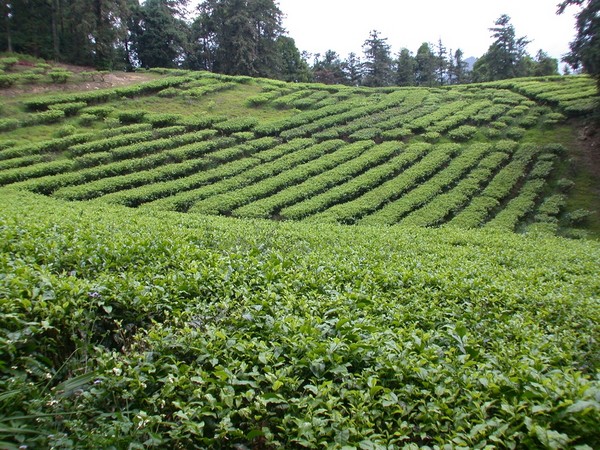
▲ Dongfeng Black Tea Factory produces tea with the philosophy of being natural, safe, and healthy. (Photo / Sourced fromDongfeng Farm)
Dongfeng Black Tea Factory is located by Sun Moon Lake in Nantou County. It adheres to the principles of nature, safety, and health, using natural fertilizers for cultivation and implementing organic management practices. It also enhances the tea's natural sweetness and ensures food safety without the use of chemical pesticides. Since 2014, it has passed international ISO22000 and HACCP certifications. The entire black tea production process is documented and strictly monitored, with continuous research and improvements made to deliver high-quality premium tea products.
5. Jiazhen Tea Factory (Yu Shan Tea Visit)
Address: No. 19, Yanping Road, Zhushan Township, Nantou County
Phone: 049-2643919
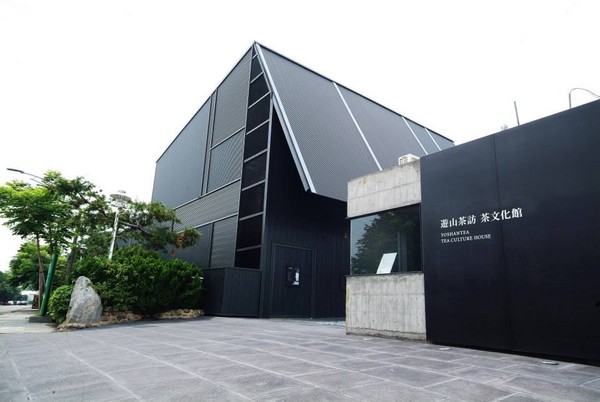
▲ The Tea Culture Museum of Yu Shan Tea Visit. (Photo / Sourced fromYu Shan Tea (Yoshan tea)Facebook Page)
Jiazhen Tea Factory offers a rich and comprehensive experience, providing one-stop services from tea production, manufacturing, to packaging. It is quite large in scale and offers a wide variety of tea products. The factory also designs fashionable packaging, and its premium teas are now even available in department stores.
6. Linwang Tea Factory
Address: No. 55, South Section 2, Longtian Village, Luye Township, Taitung County
Phone: 089-321512
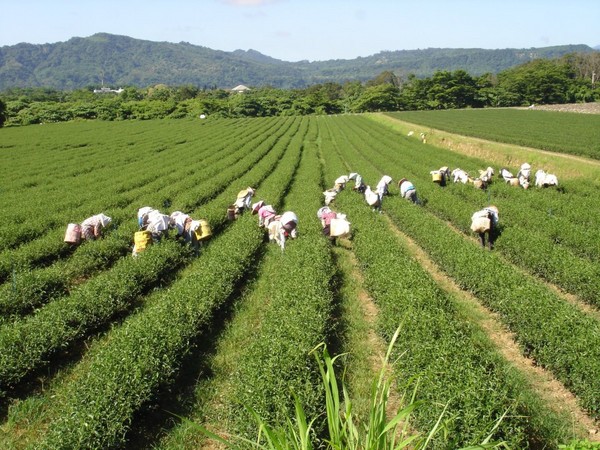
▲ Linwang Tea Factory is highly regarded for its strict standards on tea quality and hygiene, earning it the reputation of a Five-Star Tea Factory. (Photo / Sourced fromLiwang Tea Factory (Drinking Brings Prosperity)Facebook Page)
As the only tea factory in Hualien-Taitung area certified by ISO22000, Linwang Tea Factory is known for its high management standards and has earned the title of Five-Star Tea Factory. The factory offers two signature teas: “Red Oolong Tea,” which combines the fruity aroma of oolong tea with the mellow taste of black tea, and “38 Fruit Tea,” made with local lemons or pomelos. In addition to direct purchases, visitors can also enjoy a DIY fruit tea experience and taste the fruit tea they make themselves.
7. Jiaming Tea Garden
Address: No. 65, Wuhe Village, Ruisui Township, Hualien County
Phone: 03-8871325
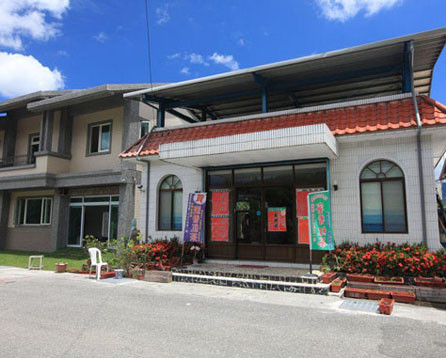
▲ Jiaming Tea Garden developed a unique Honey Aroma Black Tea, and Wuhe Village is also known as the “Hometown of Honey Aroma Black Tea.” (Photo / Sourced fromJiaming Tea Garden)
The signature Honey Aroma Black Tea from Jiaming Tea Garden is organically grown. The process begins by creating an environment suitable for the small green leafhopper, allowing it to nibble on the tea leaves, and then the leaves are hand-picked. This special tea-making method can be explored for free at the Honey Aroma Black Tea Eco Story House in the tea garden, where visitors can learn about the ecology of the small green leafhopper, the relationship between the honey aroma black tea and the leafhopper, as well as the tea-making process of honey aroma black tea.
Share
This article is published by HowToTrip. Sharing and reposting are welcome — please credit the source.
Article URL: https://www.howtotrip.net/views-14792
Related Articles
- Shaoxing's "Grandpa Gourd" hangs the gourds back up: "If there are too many people, we'll interact less — just take a quick look from afar"
- Chinese authorities announce "reciprocal adjustment" to Japan visa fees — single-entry visa jumps from 2,250 to 16,750 yen!
- The "health stones" carried by a traveler were found to have radiation levels exceeding safety limits by a thousand times, potentially endangering fellow passengers on the same flight. Customs issues warning!
- Shenzhen Airport Issues Late-Night Notice: Unidentified Aerial Object Detected, Causing Widespread Flight Delays!
- “They only said it cost money after I opened the box and washed it!” 200g of grapes sold for 60 yuan on a high-speed train—12306 responds!
- Can't buy an airline ticket? Denied exit? Blocked from boarding? A large number of Chinese tourists have mysteriously become "discredited individuals"
- Adverse weather and economic fluctuations impact Colombia's coffee market
- Beach bathing area responds to 2 yuan/30 seconds fee for freshwater foot rinsing: Clearly priced!
- Taking off with an improperly closed cabin door? Wing malfunction? Multiple flights made emergency returns mid-journey!
- Experience the gifts of nature! A countdown of the world’s ten most stunning coastlines