Essential Guide for Skiing Beginners: Master 8 Basic Skills to Conquer the Snowy World in One Day
▲ Ski instructor Sun Yansuo has extensive experience in ski teaching. (Photo / Reporter Chen Ruizhong, same below)
Reporter Chen Ruizhong / Reported from Toyama, Japan
Every winter and early spring is peak season for skiing. The thrill and fun that skiing brings have led many to call it “white gold” or even “white opium,” as once you try it, you’re likely to get hooked. However, since Taiwan, being in a subtropical region, is not ideal for skiing, many people choose Japan as their top destination for ski trips or their first-ever skiing experience.
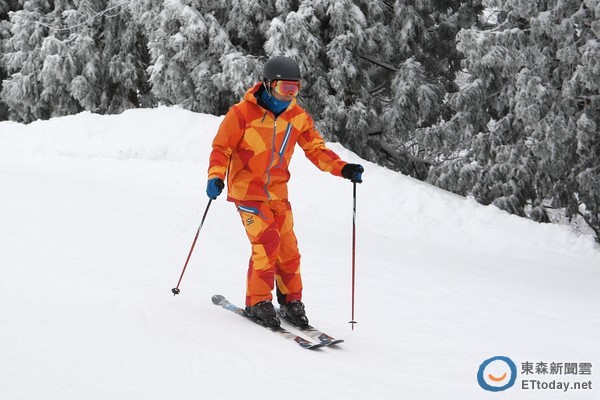
▲ Sun Yansuo demonstrates the green slope at Japan’s Tateyama Ski Resort.
Formerly a member of the Jilin Provincial Ski Team in China and now the chairman of Sichuan Snow Elf Ski Consulting Co., Ltd., Sun Yansuo has over 30 years of skiing experience. He specializes in slalom competitions on twin skis and is also a certified ski instructor. He suggests that beginners prepare physically and mentally before going abroad to ski, which will help them quickly grasp the joy of the sport.
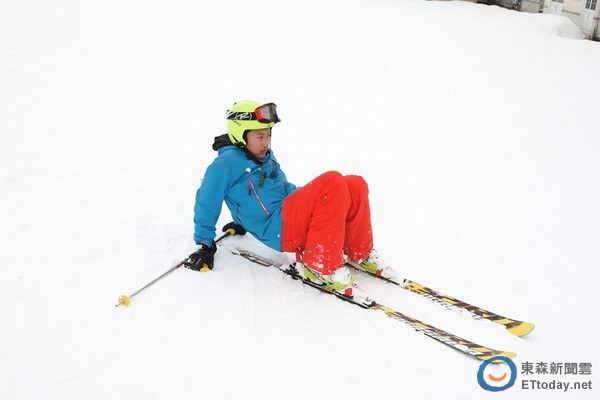
▲ Falling with hands on the ground is a common mistake among beginners and can easily lead to wrist and shoulder injuries. (Demonstrator: Watanabe Teru, a youth slalom racer in Japan’s alpine skiing program, same below)
Sun Yansuo believes that for most beginners, skiing on twin skis (Ski) is easier to pick up than snowboarding (Snowboard), so it’s advisable to start with twin skis to get familiar with the slopes and concepts before moving on to snowboarding.Since skiing requires the use of leg strength, you can increase lower body power through activities like stair climbing, jogging, and squats 2–3 months before your trip. This makes it easier to perform skiing movements and reduces fatigue. Those with experience in sports like inline skating or windsurfing may also find their balance control beneficial to learning efficiency.
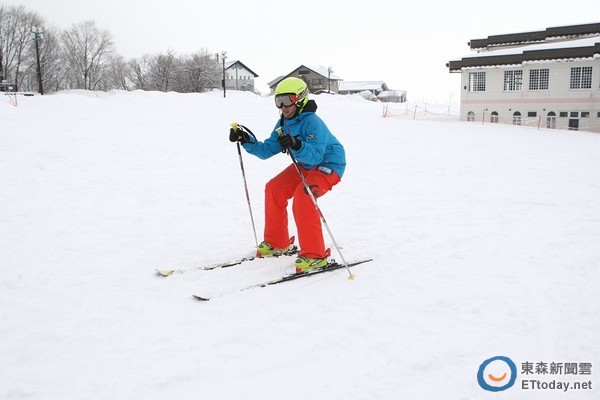
▲ Leaning back due to fear actually hinders braking and turning.
For twin ski equipment, you’ll need to prepare a helmet, neck gaiter, ski jacket, ski pants, ski goggles, gloves, ski boots, ski poles, and skis. Most of these items can be rented at the ski resort, so beginners don’t need to rush into buying them.
Learning to ski on twin skis begins with learning how to “walk.” Sun Yansuo explains that because ski boots are quite heavy and paired with skis that are at least 140 cm long, beginners often find it hard to adjust. Therefore, it’s essential to first practice stepping, turning in place, and other actions on flat snow to get used to the weight and space of the gear before progressing to other basic techniques.
The main movements beginners need to learn are as follows:
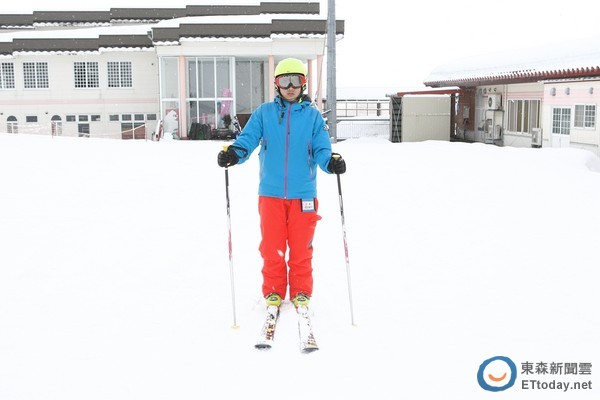
▲ Standing: Maintain body balance while standing and keep your upper body naturally relaxed.
1. Standing
Due to fear of the gear and the snowy surface, even simple standing movements need to be relearned. First, you must get used to fully relaxing your upper body and shifting your center of gravity to your lower body. Holding ski poles with overly stiff arms can actually hinder movement.
2. Moving Forward
Skiing is primarily a sport that uses gravity to move forward, so you’ll naturally head downhill. Beginners can first practice moving forward on flat ground using ski poles. While advancing, make good use of leg strength to maintain parallelism and proper spacing between the two skis. Keep your upper body relaxed, eyes looking straight ahead, and your chest facing forward.
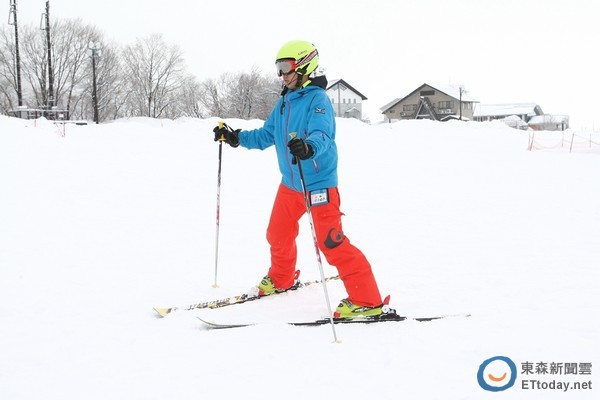
▲ Full-stop braking (snowplow or “pizza” stop): To perform this brake, angle your calves forward against the front of the boots and use your knees to push the rear skis outward.
3. Full-stop Braking (Snowplow/Pizza Stop)
This braking method involves shifting your body weight forward and “kneeling” your calves toward the front of the boots, creating pressure against the tongue of the boot. Your center of gravity should be on the front of the skis, with knees slightly tucked inward. Then, use leg strength to push the rear of the skis outward. Keep a gap of about 1–2 fists between the tips of the skis to form a snowplow shape, which allows you to brake. The wider the gap in the back, the greater the deceleration. Beginners can first practice opening and closing the skis repeatedly on flat snow until they’re comfortable.
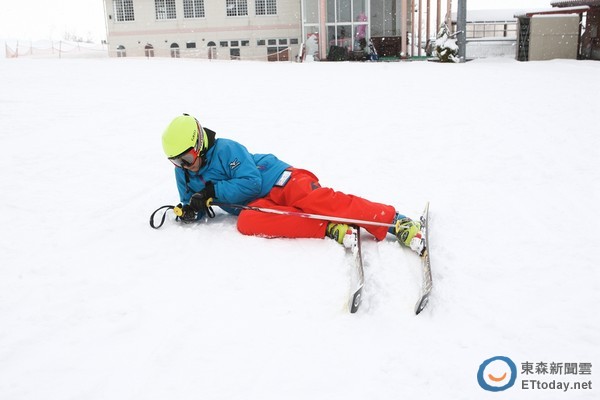
▲ Safe Falling: When falling on snow, tuck your arms in toward your chest and let your body absorb the impact.
4. Safe Falling
Falling is almost inevitable for beginners, but the safe way to fall is to bring your arms in toward your chest and let your body hit the ground. Never try to break your fall with your hands to avoid wrist and shoulder injuries.
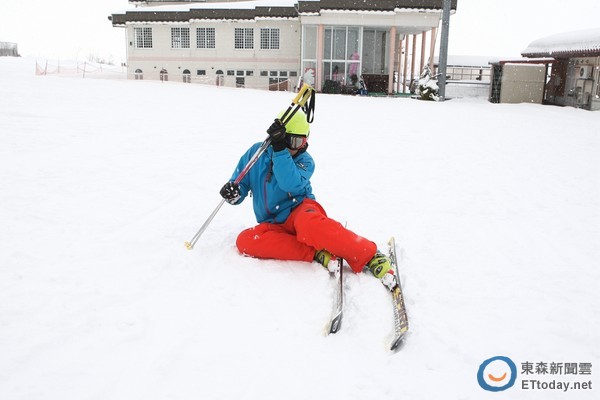
▲ Getting Up After a Fall: Align your skis perpendicularly downhill, then use your ski poles to push yourself back up.
5. Getting Up After a Fall
After falling, skiers can first adjust their body into a side-lying position, with both legs on the same side and ski bases facing downhill while your head faces uphill. Then, bring the two ski poles together, grip one near the base and the other at the handle, insert them into the snow near your chest, and push yourself up in one swift motion. Afterward, adjust into a standing position. Alternatively, you can hold one ski pole in each hand as support to lift yourself up.
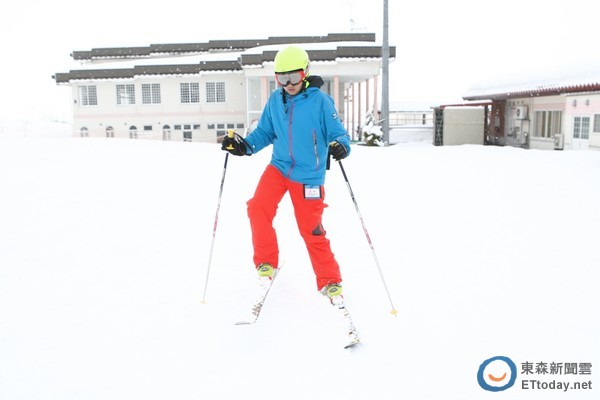
▲ Sideways Walking: Bend your knees inward toward the uphill side and use the outer edge of your front leg and inner edge of your back leg to push into the snow and walk.
6. Sideways Walking
When wearing snowboards and wanting to go uphill, position the boards perpendicular to the slope direction and slightly bend both knees inward toward the uphill side to form a “V” shape, keeping your upper body upright and relaxed. After stepping out with the uphill foot, insert the outer edge of that board into the snow first, then the inner edge of the downhill foot (similar to the concept of building terraces on a hillside). By continuing to move in small steps, you can ascend the slope.
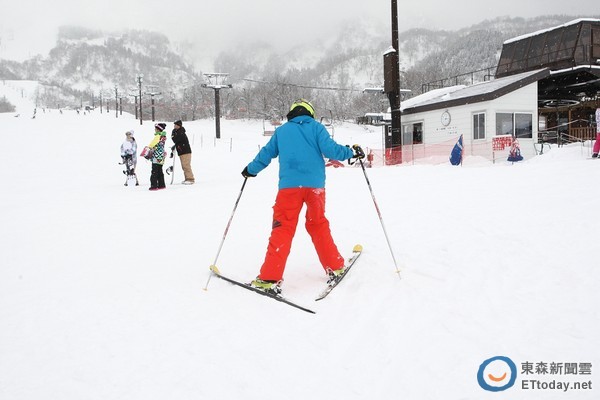
▲The “Penguin Step” (or diagonal stride): Angle the front tips of the snowboards outward, then walk by applying pressure on the inner edges of the boards.
7. The Penguin Step
Angle the front tips of the boards outward to form a reverse “V” shape, then slightly bring your knees inward so the inner edges of the boards cut into the snow. Alternate stepping forward using the outer edges. When stepping, lift your legs high to avoid the boards stepping on each other. Though tiring, this method allows for relatively faster lateral movement.
8. Direction Control
The key to controlling your skiing direction lies in shifting your center of gravity. When skiing on two boards, if you want to turn right, shift your weight to your left foot, and vice versa. However, keep your body facing forward during the process—do not use your upper body to lead the turn of your lower body, as this can easily cause loss of control and falls.
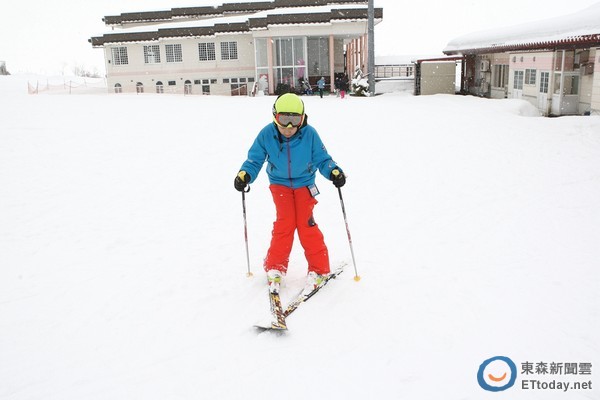
▲Having your knees too close together or stepping on your own boards are common mistakes beginners make.
With proper guidance from an instructor, once you become proficient in the above movements, you can begin to enjoy the fun of skiing on two boards. Based on his own experience,Sun Yansuo notes that typically, beginners spend the first day practicing basic movements, start learning turns and other techniques on the second day, and by the third day, they can ski beginner-level “green runs.” From there, they can gradually progress to more advanced routes. Talented beginners or those with a sports background may even master green runs within the first one or two days. Therefore, beginners are encouraged to plan a skiing trip of two days or more. In just one trip, they can experience the charm and joy of skiing..
Share
This article is published by HowToTrip. Sharing and reposting are welcome — please credit the source.
Article URL: https://www.howtotrip.net/views-14391
Related Articles
- Shaoxing's "Grandpa Gourd" hangs the gourds back up: "If there are too many people, we'll interact less — just take a quick look from afar"
- Chinese authorities announce "reciprocal adjustment" to Japan visa fees — single-entry visa jumps from 2,250 to 16,750 yen!
- The "health stones" carried by a traveler were found to have radiation levels exceeding safety limits by a thousand times, potentially endangering fellow passengers on the same flight. Customs issues warning!
- Shenzhen Airport Issues Late-Night Notice: Unidentified Aerial Object Detected, Causing Widespread Flight Delays!
- “They only said it cost money after I opened the box and washed it!” 200g of grapes sold for 60 yuan on a high-speed train—12306 responds!
- Can't buy an airline ticket? Denied exit? Blocked from boarding? A large number of Chinese tourists have mysteriously become "discredited individuals"
- Adverse weather and economic fluctuations impact Colombia's coffee market
- Beach bathing area responds to 2 yuan/30 seconds fee for freshwater foot rinsing: Clearly priced!
- Taking off with an improperly closed cabin door? Wing malfunction? Multiple flights made emergency returns mid-journey!
- Experience the gifts of nature! A countdown of the world’s ten most stunning coastlines