Korean cuisine that sticks in your throat? Live, wriggling octopus tentacles
Text & Photos /MIKA
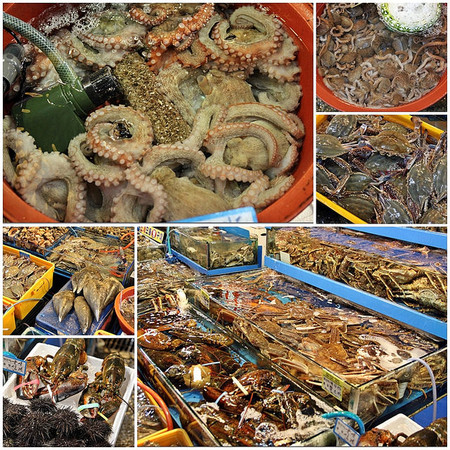
When visiting Seoul, many people head to Noryangjin Fish Market to pick out fresh live seafood and have nearby restaurants cook it for them, enjoying a feast of raw and lively seafood dishes. We were no exception—having missed Noryangjin on our previous two trips, we were determined to make it this time no matter what, so we ambitiously scheduled it as our first activity on the second day. After enjoying the haggling process at Noryangjin Fish Market, we also had a restaurant cook the seafood for us, which was quite an interesting experience. But later, a local friend laughed and said this place is really just for tourists XD—the prices for both the seafood and the cooking service are a bit steep. Still, there’s always a first time, and it’s good to have the experience. In the future, we might consider buying the seafood ourselves and cooking it back at our Airbnb for even more fun.
Since we arrived in Seoul at midnight on the first day, it wasn’t until the next morning when we woke up that seeing the streets of Seoul gave us the real feeling of being in Korea.
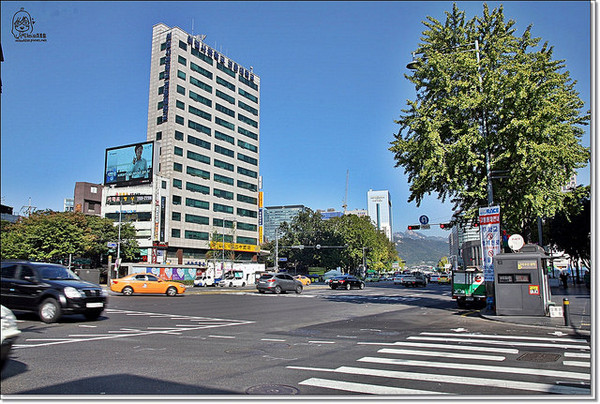
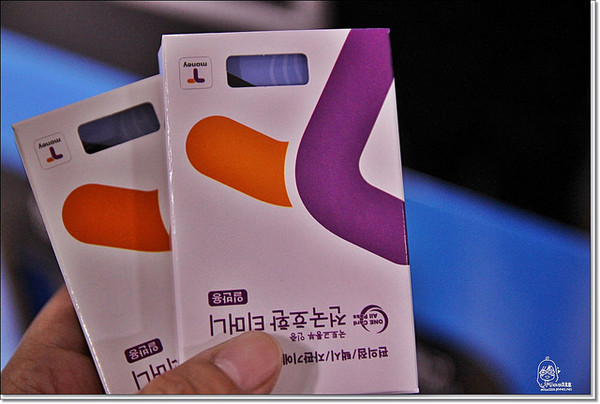
The first thing to do before heading to Noryangjin Fish Market is to buy a T-MONEY card, which is similar to Taiwan’s EasyCard. You need to buy the card first and then top it up—it makes taking the subway much more convenient. In Seoul, the main mode of transportation is the subway, with taxis as a secondary option.
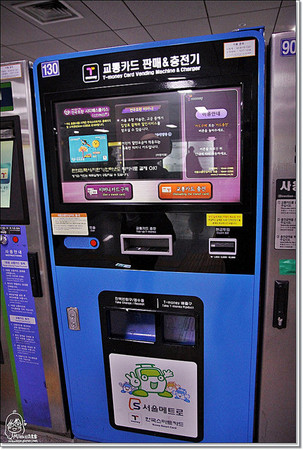
This machine is really user-friendly, and now you can even select the language, so I won’t need to explain it—I’m sure it’s not hard for anyone to figure out.
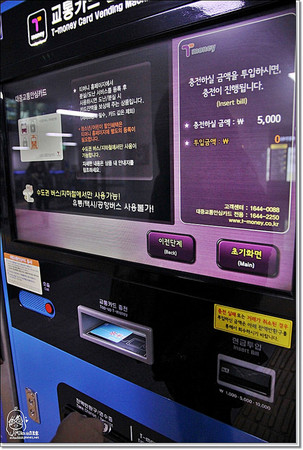
After buying the T-money card and topping it up, we began our day of subway adventures~
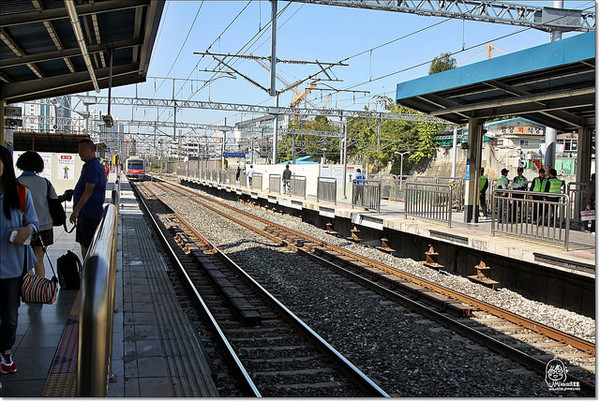
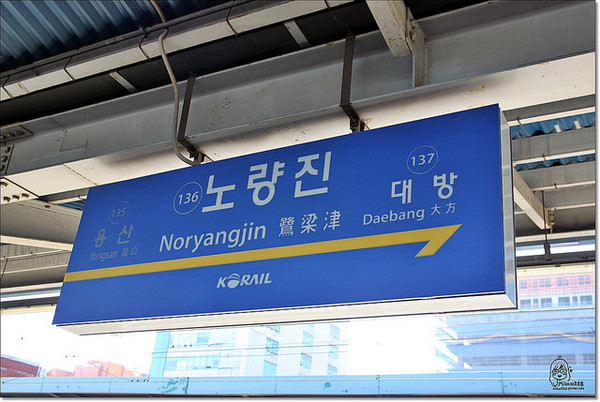
Just take Line 1 to Noryangjin Station (Exit 1, Station 136) to get there.
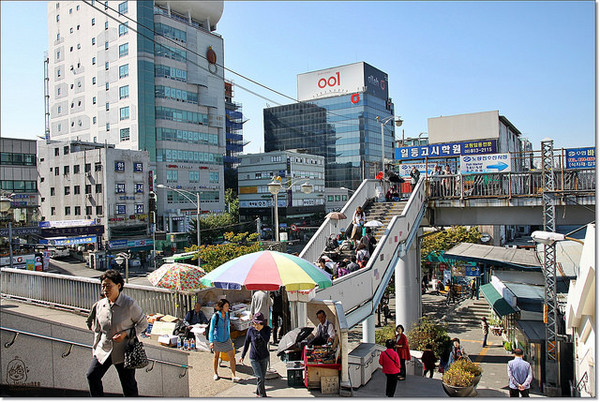
Cross the overpass opposite the station, and you’ll arrive at Noryangjin Fish Market.
It’s translated here as a “seafood market,” but Korea is actually quite Sinicized—not only do many shop assistants study Chinese (at least knowing a phrase or two), but almost all the more famous shops hire Chinese staff. Shopping or eating here rarely poses any language barriers. Even the signs often have Chinese translations, so I think there’s no need to worry about coming to Korea. As long as you can take the subway, it’s not difficult—the subway is pretty similar to the metro, just figure out the direction and don’t take the wrong line. You can generally tell how to get around by looking at the map: which colored line to take, where to transfer, etc. It’s really similar to the concept of Taiwan’s metro, and overall, it’s simpler than you’d think. Just remember to grab a Seoul subway map beforehand, check which stations your planned attractions are at, and you’ll naturally figure out which lines to take and where to transfer. It’s really easy.
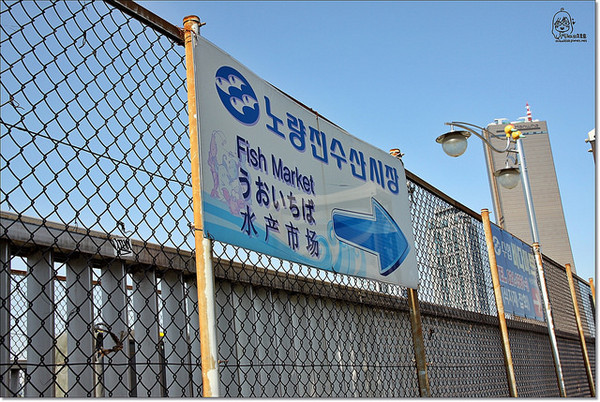
Noryangjin Fish Market is even bigger than I imagined...
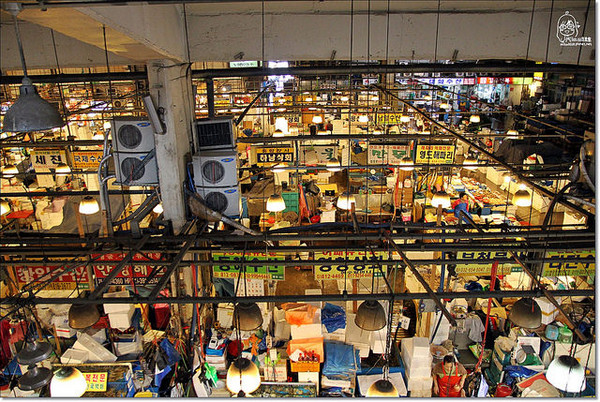
But you can’t even finish exploring just one aisle—there are too many enthusiastic shop assistants along the way, and the incredibly fresh and unique seafood catches your eye, so you often end up buying way more than you planned before you can even walk through one whole section.
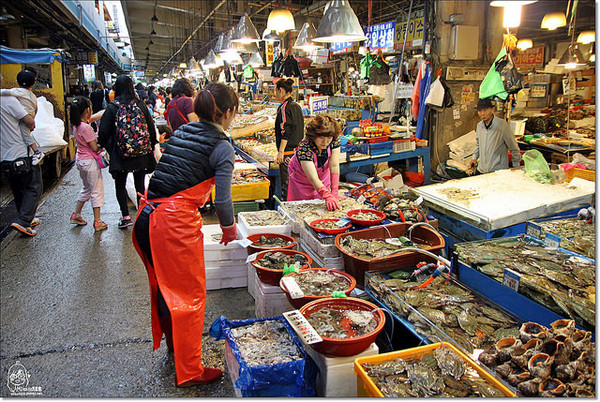
I think haggling is tiring but fun. Picking out seafood is actually pretty hard for me~ XD Every stall sells pretty similar things, and the prices don’t vary much between shops. If something catches your eye, just buy it.

The seafood is really fresh, but I honestly don’t know if the prices are cheap. All I know is that later, at a small seafood shop near my Airbnb, I found even cheaper options.
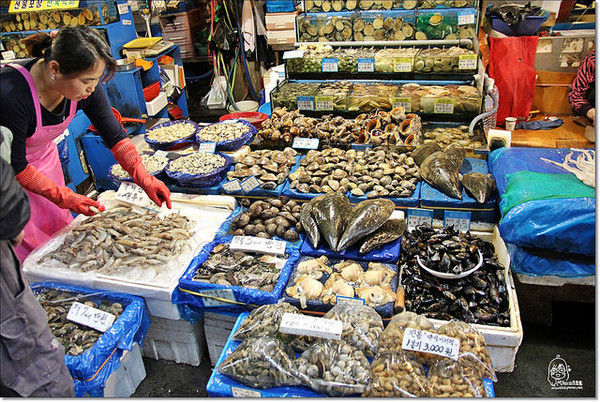
But there really are a lot of unique sea creatures to see here—it’s pretty interesting.
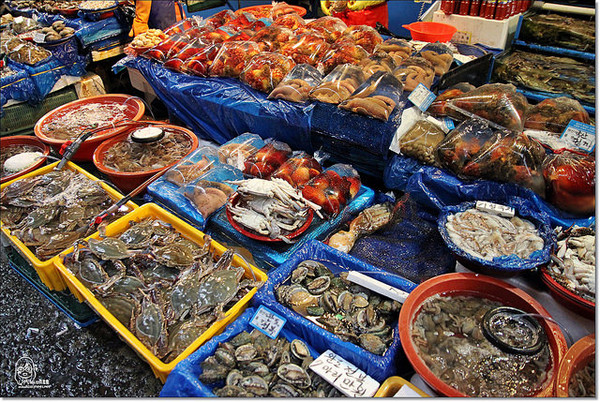
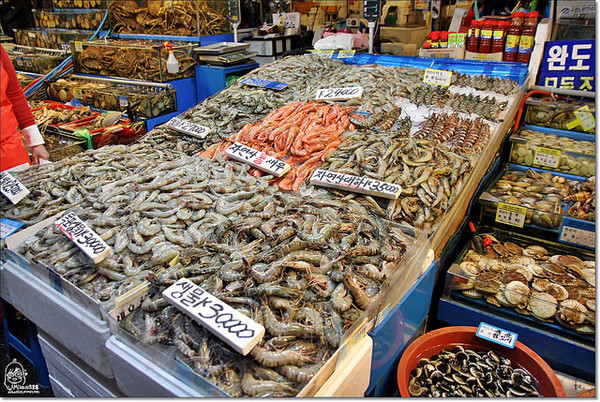
Even the shrimp are categorized in detail—large, medium, small, wild-caught or farmed, and various species—with different prices for each.
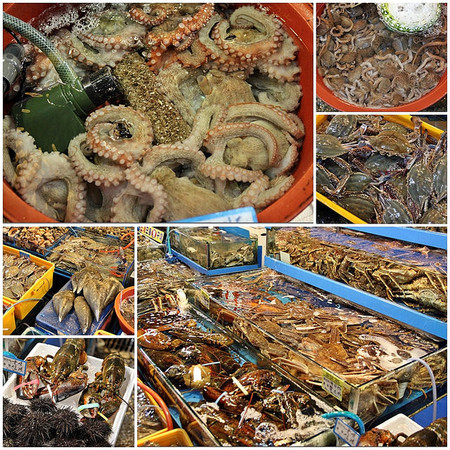
Octopus also comes in large and small varieties. Koreans love their octopus. Sea urchins and crabs are just as lively. The most fun part here is actually enjoying the haggling—so don’t be shy, just go for it seriously. If you don’t haggle, we’re the ones losing out.
King crab!! The king crabs here are actually pretty affordable~
We also bought a flounder—we’d never had it before—planning to use half for sashimi and half for spicy fish soup. Our total purchases were: one flounder (W23,000), half for sashimi and half for spicy fish soup; two large shrimp and six small shrimp (W20,000); one king crab (W27,000); sea urchins (W5,000); six live octopuses (W10,000). Total spent: W85,000.
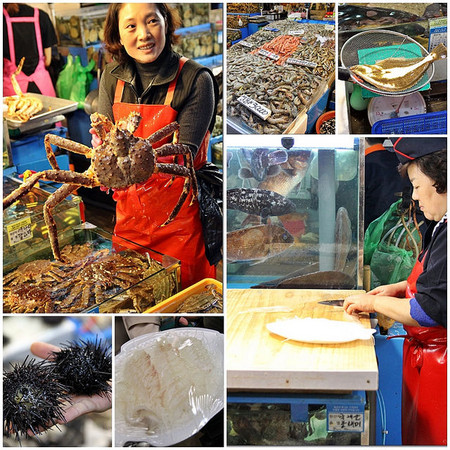
After buying the seafood... the seafood vendor’s assistant very kindly took us to a restaurant they work with to have the food cooked. I’m guessing they probably get a commission.
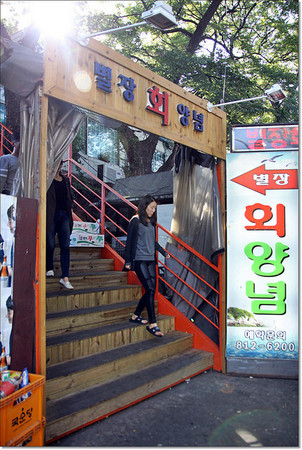
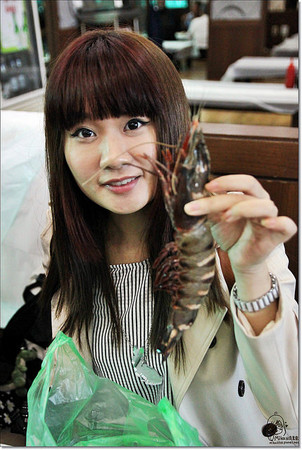
Happily, we handed over our spoils for the chefs to prepare.
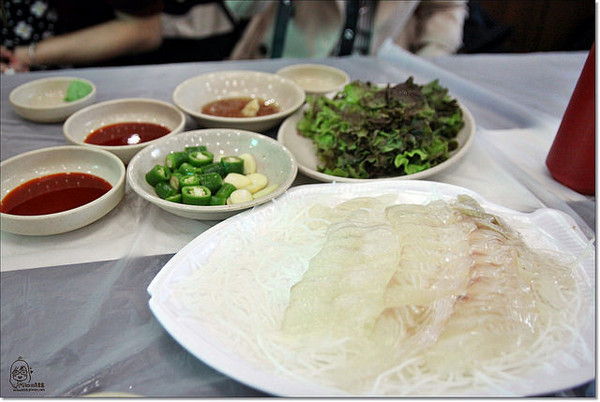
While waiting for the other dishes, we started snacking on the pre-sliced sashimi... The flounder was quite tender and had a nice texture. It was pretty flavorful with a bit of sauce and some lettuce.
I’d had live octopus before, but some of my friends hadn’t, so we specifically bought six for them to try. The wriggling octopus made my friends hesitant to eat it at first, but after trying it once, they realized there was nothing to be afraid of~
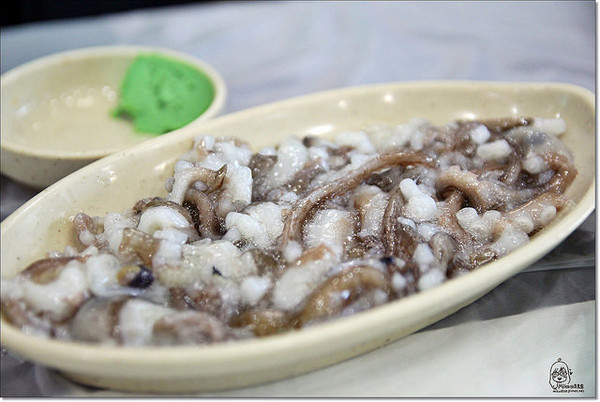
As usual, we filmed a short clip for those trying live octopus for the first time.
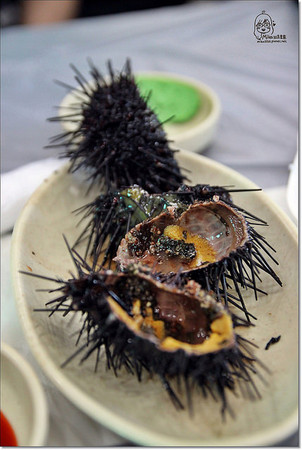
The sea urchins here are way too empty inside—what’s going on XD
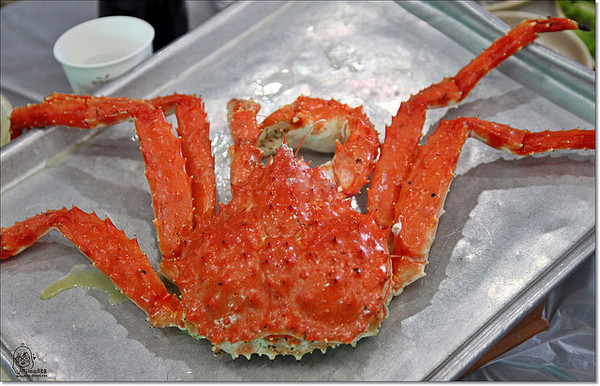
The moment the king crab was served, it was impressive!! Without hesitation, we attacked the legs...
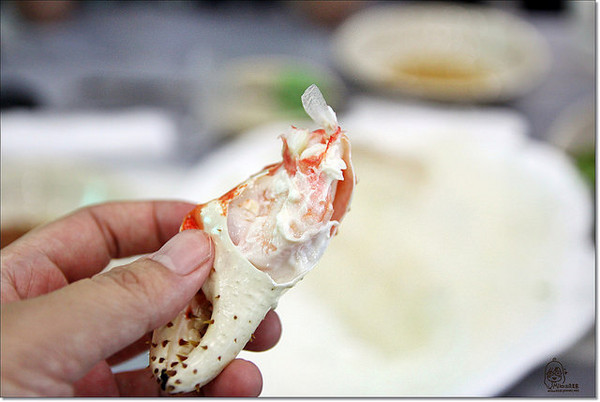
The meat looked pretty firm.
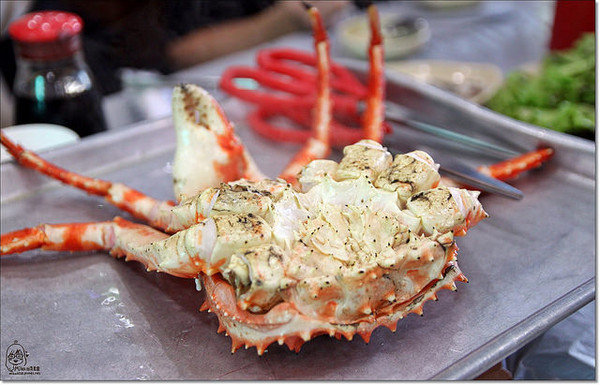
It was really sweet and delicious—even just simply blanched like that, it tasted amazing.
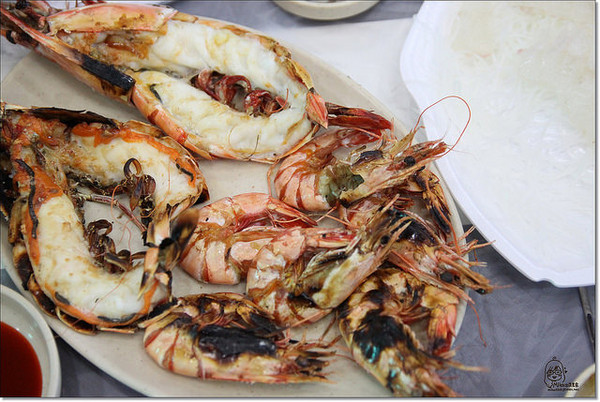
The shrimp were also simply prepared—just grilled. Damn, that’s way too easy to make money off of!! The cooking fee for four people came to W51,000. And it was just such simple cooking. Sigh... Maybe I should’ve just bought the stuff and cooked it back at the Airbnb. Alright~ I guess it’s only fair to let them earn their money, but remember to ask for the price. Don’t just blindly follow like we did, ending up eating without even checking the cost first.
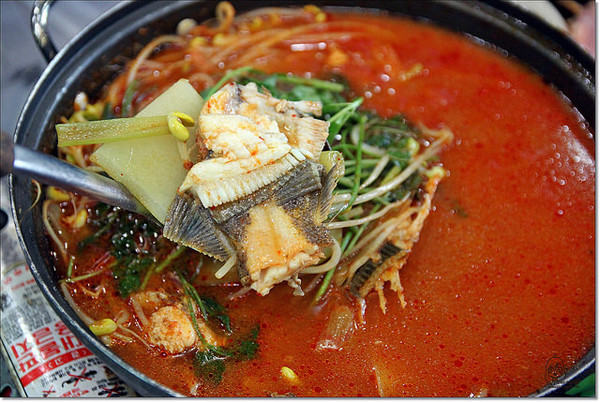
The only dish in this meal that I felt was actually well-prepared was the flounder spicy fish soup — it was seriously spicy and tongue-numbing, super satisfying to drink, and that’s the only one I thought was worth it... Everything else was either raw, just blanched, or grilled, you know? Anyway, for four people, it cost W51,000, and I still think it’s too expensive. Maybe it’s because we didn’t bother to compare prices and got overcharged, or maybe that’s just the going rate here — who knows? But... I guess it’s an experience worth having!
The total spending was: one flounder for W23,000 (half used for sashimi, half for the spicy soup), two king prawns and six small ones for W20,000, one king crab for W27,000, sea urchin for W5,000, six raw octopuses for W10,000, making the total shopping cost W85,000. Cooking for four people including fees came to W51,000. So W85,000 + W51,000 = W136,000, divided by four = W34,000 per person, which is roughly around NT$1,000 per person.
I think the seafood was OK — at least it was fresh and you could see it. And haggling was really fun. The prices seemed fairly reasonable to me, although I did see cheaper options on the street. But I think coming here lets you see lots of special types of seafood and enjoy the thrill of bargaining, so personally, I still think it’s a worthwhile experience to buy seafood here. However, I found the cooking service a bit pricey, so I’d suggest everyone compare prices before deciding!
After the seafood feast, I wasn’t even full... Luckily, my friend brought us bread from Myeongdong Cathedral. This bakery is pretty famous and always has a line! The best ones are probably the fried red bean bread and the scallion egg bread. They’re really unique and delicious. Even after sitting overnight, the bread still had a great texture — so good.

I’m sharing the prices I paid for the seafood and the cooking service for reference, so you all have an idea and won’t get ripped off when comparing prices. I really think Noryangjin Fish Market is worth checking out — the seafood shopping and bargaining process are so much fun. Just make sure to ask around and compare prices for the cooking service before deciding, okay??
After leaving Noryangjin Fish Market, we took the subway to head to Ewha Womans University to look for some uniform-clad cute girls??
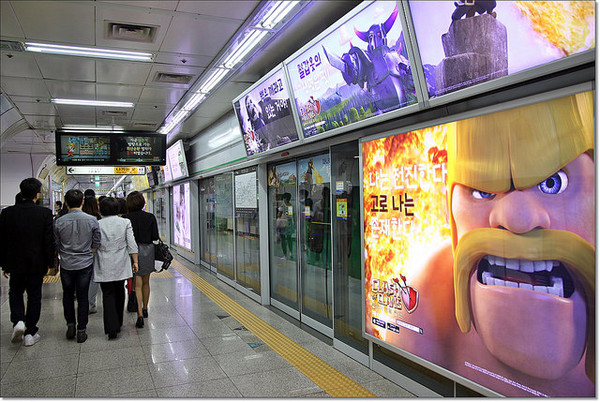
Seoul’s subway stations often feature little art installations — they’re really cute.

Noryangjin Market
Opening hours: Open 24 hours, year-round
Website: www.susansijang.co.kr
Transportation: Line 1, Noryangjin Station Exit 1. Cross the overpass in front and you’ll get there.
Venturing out is to return more deeply to where you began.
MIKA’s Foodie Adventure Journal
Share
This article is published by HowToTrip. Sharing and reposting are welcome — please credit the source.
Article URL: https://www.howtotrip.net/views-14325
Related Articles
- Shaoxing's "Grandpa Gourd" hangs the gourds back up: "If there are too many people, we'll interact less — just take a quick look from afar"
- Chinese authorities announce "reciprocal adjustment" to Japan visa fees — single-entry visa jumps from 2,250 to 16,750 yen!
- The "health stones" carried by a traveler were found to have radiation levels exceeding safety limits by a thousand times, potentially endangering fellow passengers on the same flight. Customs issues warning!
- Shenzhen Airport Issues Late-Night Notice: Unidentified Aerial Object Detected, Causing Widespread Flight Delays!
- “They only said it cost money after I opened the box and washed it!” 200g of grapes sold for 60 yuan on a high-speed train—12306 responds!
- Can't buy an airline ticket? Denied exit? Blocked from boarding? A large number of Chinese tourists have mysteriously become "discredited individuals"
- Adverse weather and economic fluctuations impact Colombia's coffee market
- Beach bathing area responds to 2 yuan/30 seconds fee for freshwater foot rinsing: Clearly priced!
- Taking off with an improperly closed cabin door? Wing malfunction? Multiple flights made emergency returns mid-journey!
- Experience the gifts of nature! A countdown of the world’s ten most stunning coastlines