Baseball bats and home plates turn into ema—how many of Japan’s 8 unique ema designs have you collected?
Travel Center / Comprehensive Report
Whenever visiting a Japanese shrine, it’s almost customary to write a wish on an ema, hoping it comes true. But besides the traditional pentagonal ones, many shrines actually hide a variety of uniquely shaped ema, which have become collectibles for many travelers. Here are 8 different ema designs—how many have you collected?
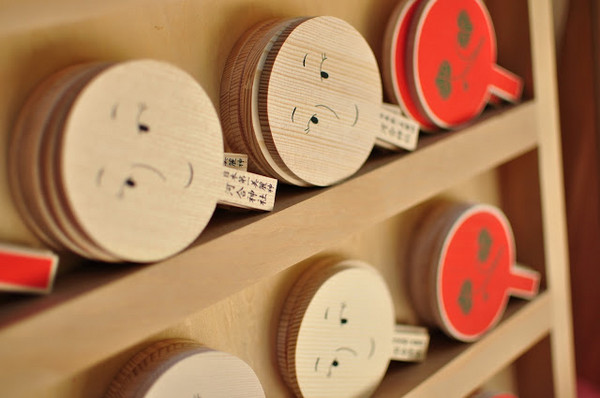
▲ Mirror Ema: One side is a “bare-face” that visitors can color in as they wish. (Photo / Screenshot from NAVER)
1. Kyoto Kawai Shrine – “Mirror Ema” for Beautiful Wishes
Known as Japan’s top shrine for praying for beautiful looks, Kawai Shrine’s ema is shaped like a handheld mirror, hence called the mirror ema.
One side of the ema features a “bare-face” with facial features, and many women use the provided colored pens to “apply makeup” on it, then write their inner wishes on the red side, praying to become more beautiful both inside and out.
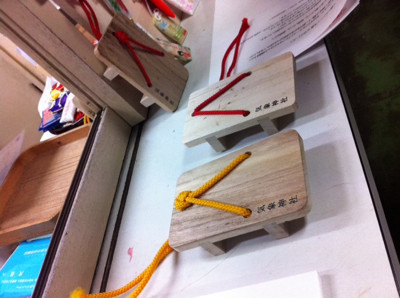
▲ Wooden clog ema designed for those hoping for good weather to travel. (Photo / Screenshot from NAVER)
2. Tokyo Tenki Shrine – Clog Ema
It’s said that many couples preparing for marriage or people planning hikes, in hopes of good weather on the day, will hang up clog ema alongside hanging good-luck dolls, praying for sunny skies.
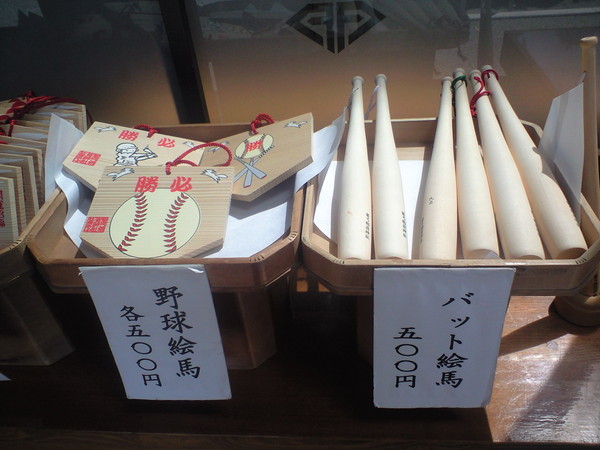
▲ If you want to win at baseball, you must visit Yakyu Inari Shrine—the ema here even has a baseball theme. (Photo / Screenshot from NAVER)
3. Saitama Yakyu Inari Shrine – Bat Ema and Home Plate Ema
The Japanese word for Yakyu Inari Shrine is “yakyuu” (やきゅう), which is the same pronunciation as “baseball” in Japanese, earning it the nickname “Baseball Shrine.” It’s a popular spot for pro baseball players and industry professionals.
The shrine also offers bat- and home plate-shaped ema, making it a unique feature.
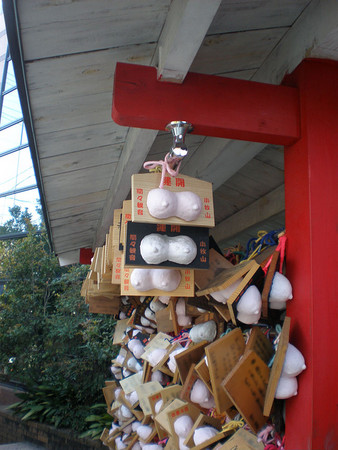
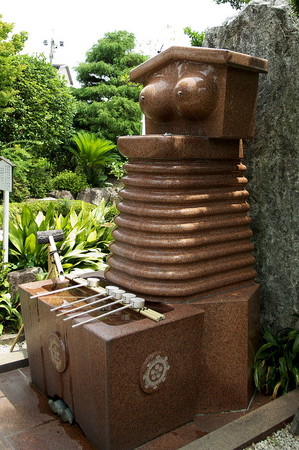
▲ Dragon Sound Temple designs everything from the water basin to the ema in the shape of female breasts, attracting many visitors. (Photo / From Wikipedia)
4. Aichi Ryuenji Temple – Breast Ema
Ryuenji Temple, known for prayers for safe childbirth, is most famous for its breast-shaped designs—not just in the hand-washing basin but also in the ema used for wishes. This has made it a well-known spot for collecting unique ema.
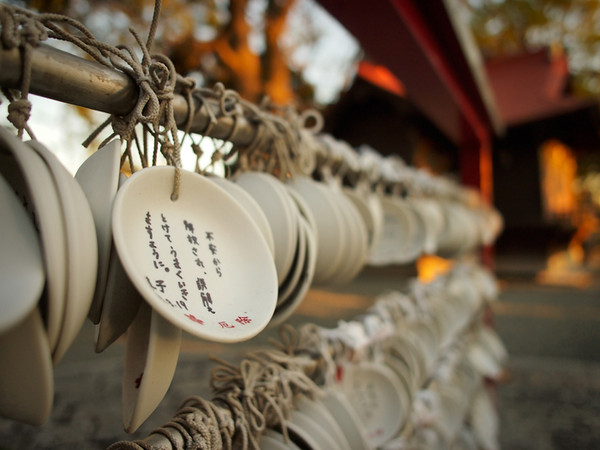
▲ Simple plate-shaped ema offer a minimalist feel compared to traditional pentagonal ones. (Photo / Screenshot from NAVER)
5. Tokyo Tamagawa Asama Shrine – Plate Ema
Made of porcelain in the shape of a plate, these ema let you write your wish on the surface before hanging them. Though simple, their unique shape makes them a worthy collectible compared to traditional ema.
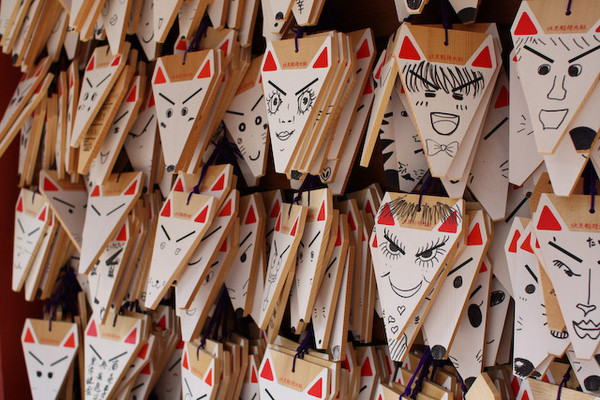
▲ White fox ema that you can draw various expressions on have become another attraction at Fushimi Inari Taisha. (Photo / Screenshot from NAVER)
6. Kyoto Fushimi Inari Taisha – White Fox Ema
Famous for its thousands of torii gates, Fushimi Inari Taisha’s fox-shaped ema are loved by many visitors. You can freely draw different expressions on the fox's face before hanging it, creating a fun and varied display of white fox ema.
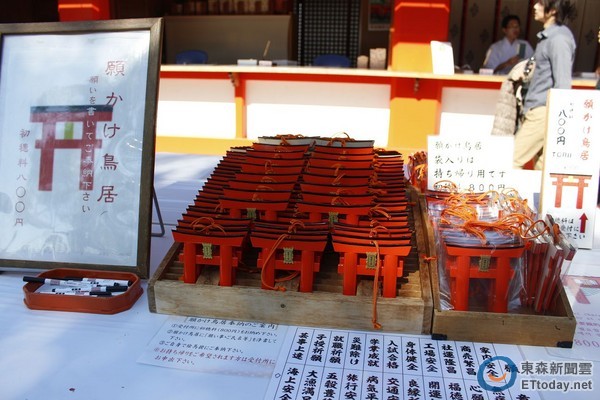
Besides the white fox ema, if you want to take a torii gate home, there are also red torii-shaped “torii ema.”
% The shrine also offers a unique red torii gate-shaped ema. (Photo / Screenshot from NAVER)
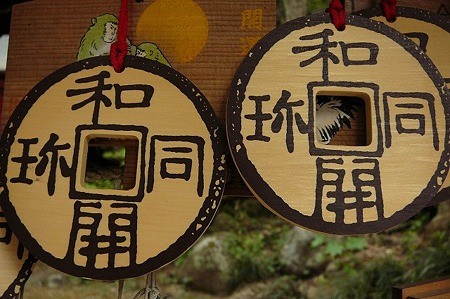
▲ Coin-shaped ema modeled after Japan’s first circulating currency. (Photo / Screenshot from NAVER)
7. Saitama Shinsen Shrine – Wado Kaichin Ema ▲ Ogane Shrine not only has a golden torii gate, but also features ginkgo-shaped ema, unlike traditional designs. (Photo / Screenshot from NAVER) 8. Kyoto Mitsugon Shrine & Ginkgo Ema Additionally, Kamakura’s Tsurugaoka Hachimangu, famous for its massive ginkgo tree, also offers ema in the shape of ginkgo leaves.
The so-called “Wado Kaichin” was Japan’s earliest circulating currency. The coins and ema sold here are referred to as “money ema,” and Japanese people consider them auspicious, so the ema also carries a sense of prosperity.
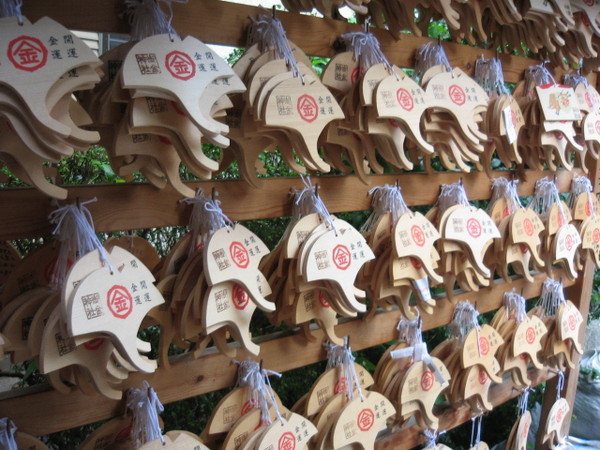
Kyoto’s Mitsugon Shrine is not only known for its money-washing ritual to attract wealth, but even its grand torii gate is covered in gold leaf, making it a “golden torii gate.” The ginkgo ema sold here have also become one of the unique ema designs cherished by many visitors.
Share
This article is published by HowToTrip. Sharing and reposting are welcome — please credit the source.
Article URL: https://www.howtotrip.net/views-14039
Related Articles
- Shaoxing's "Grandpa Gourd" hangs the gourds back up: "If there are too many people, we'll interact less — just take a quick look from afar"
- Chinese authorities announce "reciprocal adjustment" to Japan visa fees — single-entry visa jumps from 2,250 to 16,750 yen!
- The "health stones" carried by a traveler were found to have radiation levels exceeding safety limits by a thousand times, potentially endangering fellow passengers on the same flight. Customs issues warning!
- Shenzhen Airport Issues Late-Night Notice: Unidentified Aerial Object Detected, Causing Widespread Flight Delays!
- “They only said it cost money after I opened the box and washed it!” 200g of grapes sold for 60 yuan on a high-speed train—12306 responds!
- Can't buy an airline ticket? Denied exit? Blocked from boarding? A large number of Chinese tourists have mysteriously become "discredited individuals"
- Adverse weather and economic fluctuations impact Colombia's coffee market
- Beach bathing area responds to 2 yuan/30 seconds fee for freshwater foot rinsing: Clearly priced!
- Taking off with an improperly closed cabin door? Wing malfunction? Multiple flights made emergency returns mid-journey!
- Experience the gifts of nature! A countdown of the world’s ten most stunning coastlines