Scenic beauty, delicious food, coffee... 21 reasons travel enthusiasts fall in love with Vietnam!
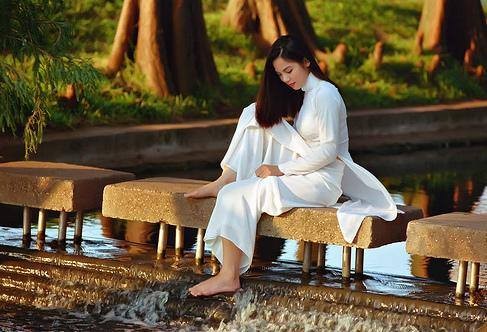
▲Thanks to its history as a French colony, Vietnam is the most romantic country in the Indochinese Peninsula. (Photo provided by Shane Liu, the same below)
By Chen Tzu-yin / Staff Writer
If your impression of Vietnam is limited to Ha Long Bay, you’re missing out on so much more of this captivating country. Mr. Liu, who has been involved in Vietnam tourism for many years, often shares online about the country’s charm and culture. Recently, he posted “21 Reasons to Fall in Love with Vietnam” on Facebook, offering a comprehensive glimpse into his long-term perspective on the country. Whether or not you’ve been to Vietnam, these 21 reasons will transport you through the most romantic nation in the Indochinese Peninsula.
Here are “21 Reasons to Fall in Love with Vietnam”:
1. Vietnam’s Bench Food
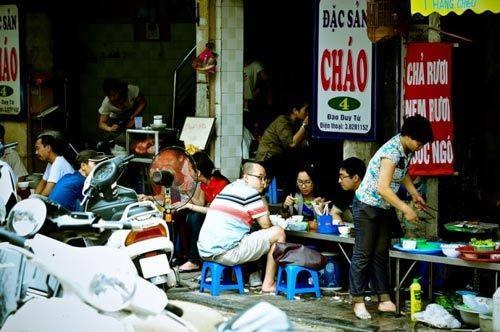
If you visit Vietnam without trying the local street snacks and delicacies, you might as well not have come at all. Vietnamese cuisine is incredibly diverse—not just pho and spring rolls, which you can also find in Taiwan.
You can dress like the locals in short sleeves and shorts, ideally with a pair of flip-flops, and sit on small plastic chairs at tiny plastic tables, enjoying a big plate of seafood, heaps of fresh vegetables and cucumbers, or authentic pho and grilled beef noodles, paired with cold Saigon beer. Watch the bustling streets, the flow of motorbikes and cyclos… That’s what being in Vietnam is all about—authentic, delightful, and truly immersing yourself in the joys of everyday life here.
2. Motorcycles Everywhere
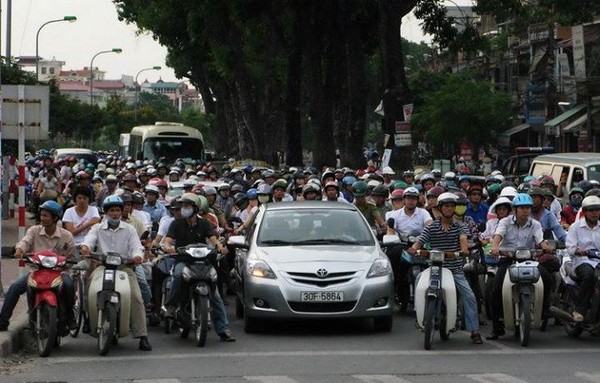
One of the first things to learn when visiting Vietnam is how to cross the streets.
Traffic in Vietnam’s major cities is chaotic and congested. At first glance, crossing the road from one side to the other might seem nearly impossible. Cars and crowds move nonstop, but the most popular mode of transport is the motorcycle. As you cross, these two-wheeled vehicles whiz past you—it’s another unique aspect of Vietnam’s streets.
Vietnam is home to an estimated 39 million motorcycles, a staggering number. The trick to crossing the road is to take every step carefully. If you move too quickly, you might find yourself surrounded by a flurry of speeding motorcycles.
In Vietnam, making eye contact with drivers won’t cause awkwardness. The most important thing is to keep walking steadily, without sudden stops or accelerations. Once you master this technique, you’ll truly appreciate the beautiful chaos of Vietnam’s streets.
3. Vietnamese Coffee
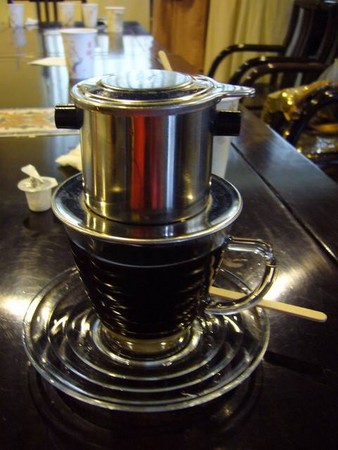
Vietnamese coffee is as deeply rooted in the culture as tea is in China. It’s a part of the national identity. Robusta beans, commonly used for instant coffee and blends in high-end coffee, are mostly exported from Vietnam.
Vietnam is the world’s second-largest coffee exporter, after Brazil. Typically, Vietnamese coffee is made using a low drip method, with drip filters made of stainless steel or aluminum. Stainless steel is said to produce a less flavorful brew than aluminum, but aluminum filters can easily deform. Aluminum-silver alloy filters are reportedly better—they don’t deform easily and maintain good expansion, resulting in richer-tasting coffee.
There’s also a type of stove-brewed coffee, mostly found in alleyways and considered the most humble form of the drink. The coffee grounds are wrapped in cloth and boiled in a pot.
Then it’s scooped out and served over ice with sweetened condensed milk.
4. Mekong Delta
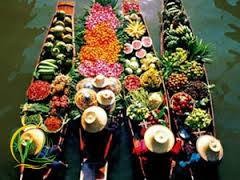
The Mekong Delta, also known as the Nine Dragon River Delta or Lower Cambodia, is a region in southern Vietnam where six tributaries form a network near the Mekong River and its mouth. Covering 39,000 square kilometers, the Mekong Delta is Southeast Asia’s largest plain and a fertile land of fish and rice—it’s also one of the wealthiest regions in Vietnam.
To truly experience the water-based lifestyle, cruising the Mekong River is the most poetic way. From the boat, you’ll get up close to the vibrant scene of small and large vessels navigating the river, locals trading vegetables, fruits, street snacks, and specialties—a vivid display of the original life of the river people.
The most charming floating market in the Mekong Delta is in Can Tho City. Generations of people living along the Mekong have traveled by boat daily to transport and trade goods. There are all kinds of boats—big, small, rowboats, motorized sailboats, wooden, aluminum, iron—you name it.
5. Mysterious Vietnamese Caves
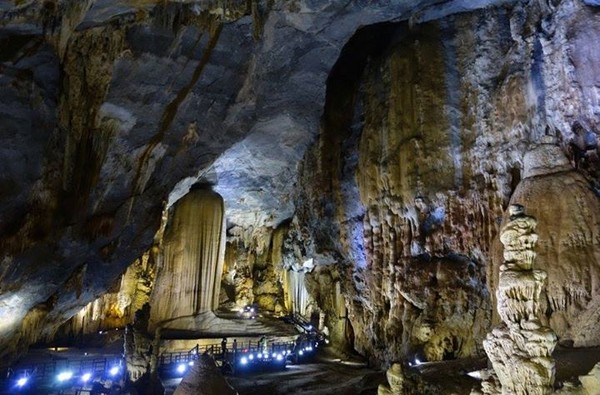
Vietnam’s caves house pristine jungles and lakes. Son Doong Cave, the world’s largest cave, was first explored in 2009 and officially opened to tourists in 2012.
Access to Son Doong Cave remains strictly controlled and is quite expensive. However, many other caves are open to the public, such as Paradise Cave in Phong Nha-Ke Bang National Park, which offers various activities including boardwalk tours at the entrance and cave expeditions inside.
6. Bustling Shopping Markets
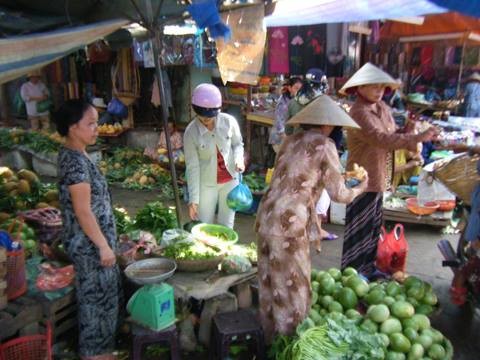
Vietnam’s markets are a paradise for shoppers, offering a dazzling array of goods. Take Da Nang Market, for example—it has everything from colorful textiles to tiny shrimp. The variety of products often makes it hard to leave. Vietnamese markets are usually lively from morning to night. At noon, you might even spot shoppers taking a short rest at their stalls. Visiting a market here gives you a real sense of the pace of life in this country.
7. Fresh and Delicious Seafood
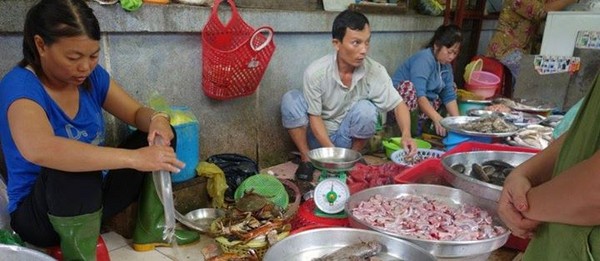
The amazing thing about Vietnamese markets is the absence of off-putting odors. You can walk straight up to the food stalls, where you’ll find live fish, snails, crabs, and shrimp—all freshly caught, filling the air with the aroma of the sea. Because the fish you see were caught just hours earlier, there’s no unpleasant smell.
8. Tender and clean meat products
Meat products in Vietnam are also very clean. When you walk past a meat stall and see the vendor butchering piglets, you might expect a strong meaty smell. But this pork was butchered just four or five hours ago, making it incredibly tender. The bright red color of the meat is also a sign of its freshness.
9. Fresh and safe seasonal vegetables
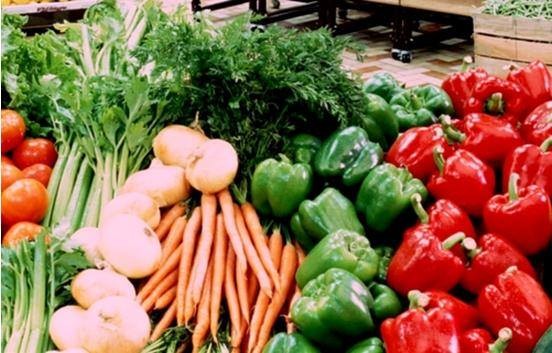
You may not recognize all the vegetables sold at Vietnamese vegetable stalls, but you should definitely try them. From bitter melon to morning glory, Vietnamese salads have it all. Just like other foods here, the vegetables are super fresh. Vietnamese people love eating vegetables, so markets are full of a wide variety—like lemongrass, turmeric, cilantro, water spinach, tree spinach, tamarind, winter melon, loofah, and more. All are freshly sold in the markets every day.
10. Fresh fruits
Vietnam has a tropical climate, so tropical fruits such as durian, dragon fruit, rambutan, and mangosteen are widely available. Familiar fruits like pineapple, bananas, and watermelon are also common fresh finds in Vietnamese markets.
11. Spectacular and beautiful mountain vistas
At sunset, the scenery in Vietnam is truly enchanting. Rolling mountains bathed in golden sunset light resemble classical Chinese ink paintings, especially in Quang Binh Province in central Vietnam.
12. Ha Long Bay
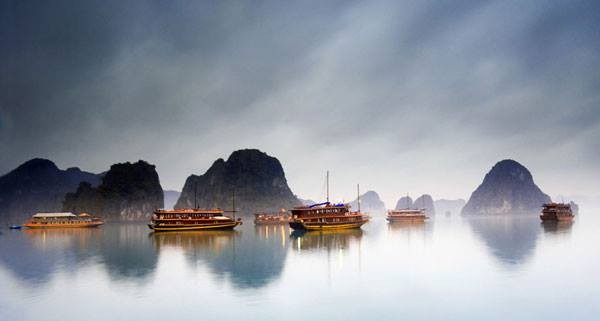
Ha Long Bay is the filming location of the movie “Tomorrow Never Dies” and is recognized by UNESCO as a World Natural and Cultural Heritage site. It possesses a mysterious charm and is known as the “Karst wonder of the sea”... ! Located in northern Vietnam, it lies about 170 kilometers (105 miles) east of the capital Hanoi.
Legend has it that in ancient times, when Vietnam (the ancient kingdom of Annam) was under threat from invaders, a dragon emerged over Ha Long Bay to protect the land. The dragon spat out countless pearls that scattered across the sea, transforming into over 1,600 large and small islands. These islands formed a natural defensive barrier, repelling the invaders and saving the region.
Ha
Long Bay’s beauty is shaped by three elements: stone, water, and sky. The rocky islands are strikingly diverse, the sea is ever emerald green, and the sky is always clear... . The bay is divided into three main areas: East, West, and South Bays, featuring famous sites such as Cat Ba Island, Tra Co Island, Heaven’s Gate Cave, Fighting Cocks Islet, and Surprise Cave. Among them, Cat Ba is the largest island in the bay. Taking a sightseeing boat is the most common way to explore Ha Long Bay—you can weave through the islands to admire the mountain-and-sea views or disembark to explore caves.
13. History
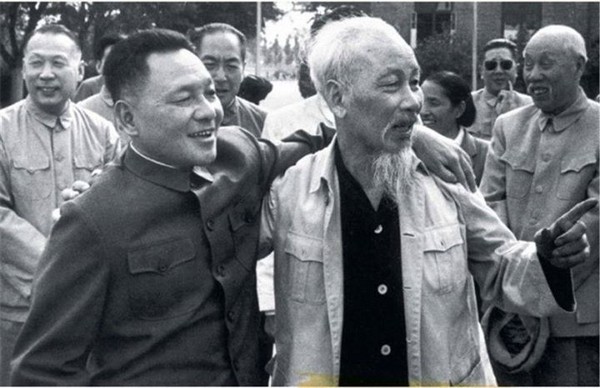
Vietnam’s history is full of turbulence and complexity. In addition to being a long-time vassal state of China and deeply influenced by Chinese culture, it has also been shaped by French colonialism—from food and coffee to architecture. After the Vietnam War, war museums and monuments in cities like Ho Chi Minh City and Hanoi continue to recount the hardships of Vietnam’s modern history.
14. Vietnamese Sizzling Pancake (Bánh Xèo)
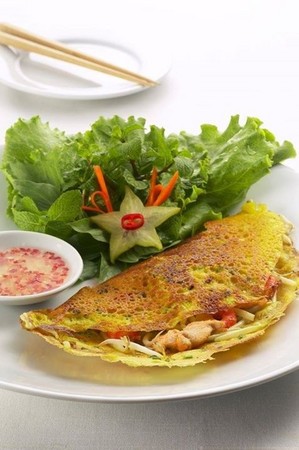
The Vietnamese sizzling pancake is made with a batter of eggs and turmeric, filled with ingredients like shrimp, pork, onions, bean sprouts, and scallions. It has a crispy yet soft texture, and is typically served with fresh basil, lettuce, dipping sauce, and the golden pancake itself.
15. Sa Pa
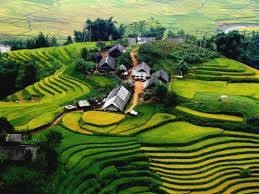
Sa Pa is a small mountain town in northwestern Vietnam near the Chinese border. It was once a summer retreat for the French during their colonial rule in Vietnam. After tourism opened up in Vietnam,
this mountain town was rediscovered and became a favorite among backpackers. Often, the streets of Sa Pa are filled not just with ethnic minorities, but also with blue-eyed, blond foreigners.
Sa Pa is a charming mountain town with Western-style architecture, situated at an altitude of about 1,000–1,800 meters. When the French occupied Vietnam, it was their go-to summer retreat. Sa Pa is pleasant, but you absolutely shouldn’t limit yourself to just staying in town—the stunning mountain landscapes outside are a must-see. Without going trekking, you haven’t truly experienced Sa Pa. Carrying a simple overnight pack and hiking through the area, you’ll pass terraced rice fields that form beautiful arcs across the hills, walk on unpaved roads leading into villages, getting closer to the land, and encounter ethnic minority communities living simple, age-old lifestyles. The sights and atmosphere are deeply captivating, helping you leave worldly concerns far behind.
16. Urban parks
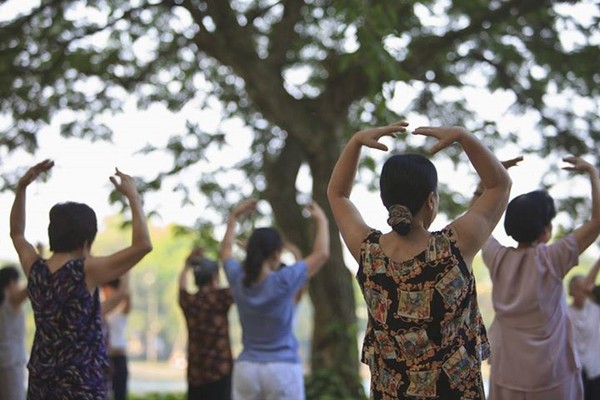
Whether in the morning or at dusk, you’ll find people of all ages exercising in urban parks across Vietnam. Everyone follows music and instructors to do aerobics. In every corner of the park, various aerobic exercises are performed, creating a beautiful scene in the city.
17. Scenic beaches
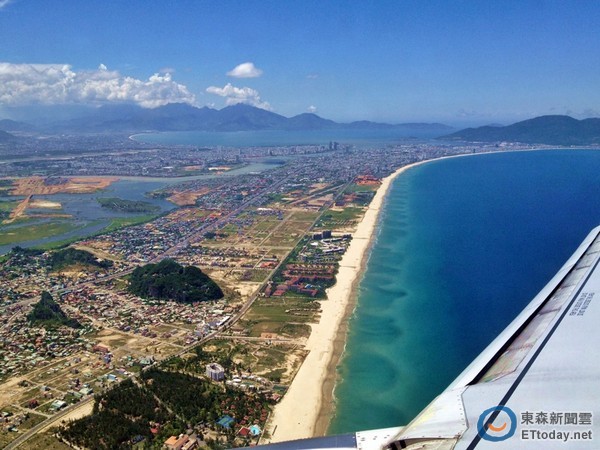 (Photo / Provided by HowToTrip, photo by reporter Chen Ziying)
Vietnam’s beaches have an indescribable beauty. Although tourists might assume that Thailand and Cambodia have pristine white sands and crystal-clear waters, Vietnam’s beaches and seas are actually some of the most beloved spots. Beaches in Nha Trang and Mui Ne attract many visitors. In addition, the beaches of Con Dao and Phu Quoc are also incredibly charming and top choices for travelers, loved just as much as those in Thailand and Cambodia.
18. Crisp and delicious fresh lettuce

Vietnam is a kingdom of herbs. Basil, cilantro, mint, dill, and more are commonly found in restaurants, often used in local soups and spring rolls. These crisp lettuces help cut through greasiness, making them a healthy choice. They usually serve as side dishes in Vietnamese meals, adding extra enjoyment to the dining experience.
19. Beautiful Hoi An Ancient Town
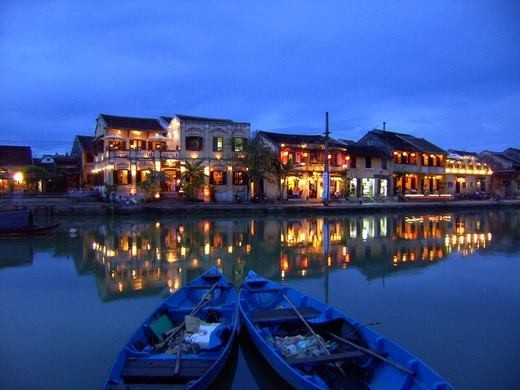
Hoi An is a well-preserved traditional trading port in Southeast Asia from the 15th to 19th centuries. Its architecture and street style reflect a blend of Eastern and Western influences, which is evident throughout the heritage site. Located on the northern bank of the Thu Bon River in Hoi An District, about 30 kilometers from Da Nang city center in central Vietnam, it was once a renowned major trading port in the East.
In addition to the predominantly Chinese-style architecture, Hoi An Ancient Town also boasts a significant number of classical French buildings and courtyard complexes. Most of these French structures are elegant in design, with beautiful lines and facades adorned with statues of figures from Europe’s Renaissance period, giving them considerable artistic value. The town also features many exquisite buildings with distinctive Vietnamese ethnic characteristics.
20. Delicious Vietnamese Pho
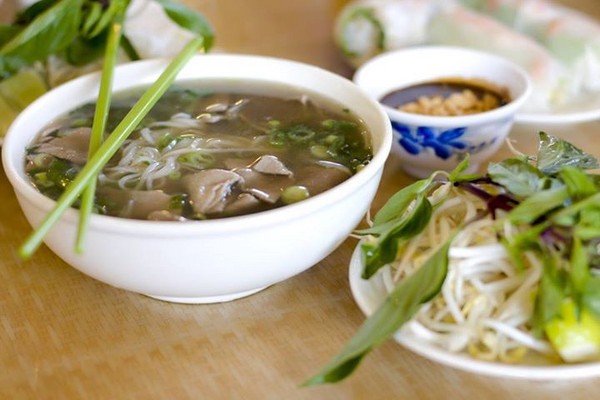
Vietnamese pho is one of the most iconic snacks—a delicious rice noodle soup typically enjoyed for breakfast and available at street stalls or markets. Additionally, the local sour and spicy soup, made with pork or fish and flavored with dill and tomatoes, is another signature dish of Hanoi. Vietnam offers an incredibly diverse array of soups, so varied that you could go months without repeating a single one. Each soup is a flavor experience you won’t forget.
21. Friendly and Hospitable Vietnamese People
Kind-hearted, understanding, hardworking, optimistic, and generous—these are the traits of the people of this land. If you visit Vietnam, be sure to spend some time getting to know them.
Share
This article is published by HowToTrip. Sharing and reposting are welcome — please credit the source.
Article URL: https://www.howtotrip.net/views-13354
Related Articles
- Shaoxing's "Grandpa Gourd" hangs the gourds back up: "If there are too many people, we'll interact less — just take a quick look from afar"
- Chinese authorities announce "reciprocal adjustment" to Japan visa fees — single-entry visa jumps from 2,250 to 16,750 yen!
- The "health stones" carried by a traveler were found to have radiation levels exceeding safety limits by a thousand times, potentially endangering fellow passengers on the same flight. Customs issues warning!
- Shenzhen Airport Issues Late-Night Notice: Unidentified Aerial Object Detected, Causing Widespread Flight Delays!
- “They only said it cost money after I opened the box and washed it!” 200g of grapes sold for 60 yuan on a high-speed train—12306 responds!
- Can't buy an airline ticket? Denied exit? Blocked from boarding? A large number of Chinese tourists have mysteriously become "discredited individuals"
- Adverse weather and economic fluctuations impact Colombia's coffee market
- Beach bathing area responds to 2 yuan/30 seconds fee for freshwater foot rinsing: Clearly priced!
- Taking off with an improperly closed cabin door? Wing malfunction? Multiple flights made emergency returns mid-journey!
- Experience the gifts of nature! A countdown of the world’s ten most stunning coastlines