Japan’s Cycling Island-Hopping Tour: Marvel at the Scenic Kurushima Kaikyō Bridge Like a Fairy Tale!
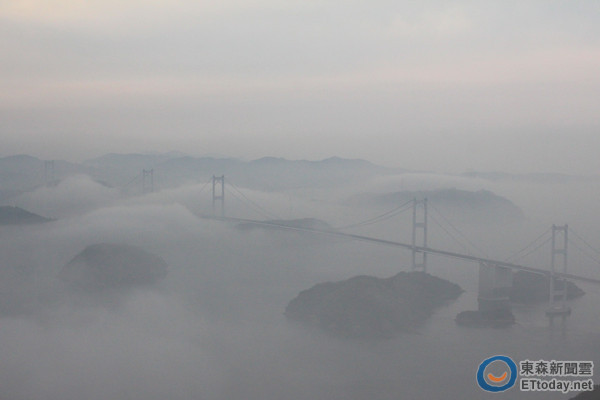
▲ The Kurushima Kaikyō Bridge viewed from the Kiroshan Viewpoint looks like a scene from a fairy tale. (Photo / Reporter Li Wei)
Reported by Reporter Li Wei / From Japan
Have you fallen out of love with Japan’s big cities? Why not try something different“island-hopping”cycling adventure? Between Onomichi City in Hiroshima Prefecture and Imabari City in Ehime Prefecture lies the Shimanami Kaido, a route that connects six islands in one go. By cycling along this scenic sea road, you can experience the unique charm of six different islands. Among them, the Kurushima Kaikyō Bridge, which links Ōshima to Imabari City, is a must-visit spot for cyclists. Stretching 4,105 meters, it is also the world’s first three-span suspension bridge. Gazing at the horizon from the bridge is truly refreshing.
Hiroshima and Ehime Prefectures were once separated by the sea, with many islands dotting the area where people lived independently. Later, to make travel between the islands more convenient, a cycling path was developed — the Shimanami Kaido.Starting from Onomichi City, the route connects to the islands of Mukaishima, Innoshima, Ikuchijima, Ōshima, Hakatajima, and Ōmishima, finally reaching Imabari City. This approximately 70-kilometer route encompasses the beauty of the Seto Inland Sea and the distinct cultural vibes of each island. For example, Hakatajima is famous for its salt production — you can visit a salt farm here (advance reservation required) or try a taste of Japanese salt-flavored ice cream. On Ōshima, you can take a rapid tidal boat tour to experience the allure of deep-sea whirlpools and enjoy freshly grilled seafood.
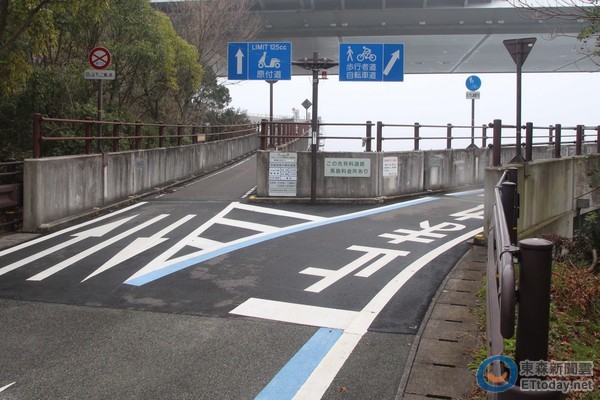
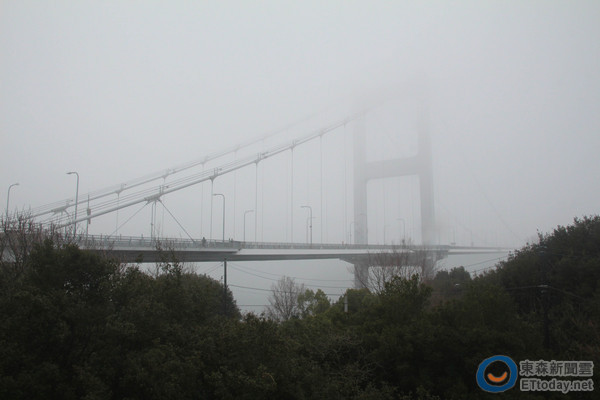
▲ This is the cycling path starting from Ōshima toward Imabari City via the Kurushima Kaikyō Bridge. There are bike rental stations locally, with daily rentals around 500 yen (about NT$130). If you rent from one place and return it elsewhere, the cost is about 1,500 yen (about NT$390). (Photo / Reporter Li Wei)
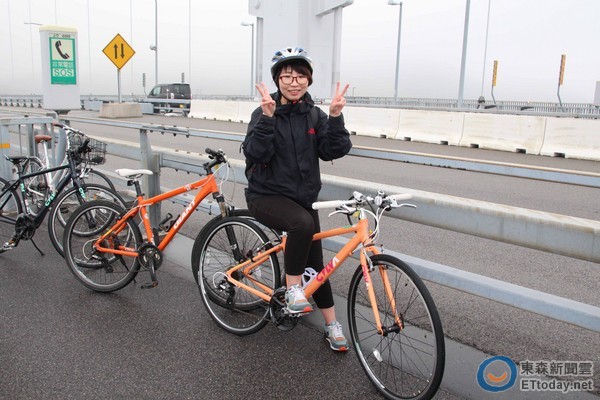
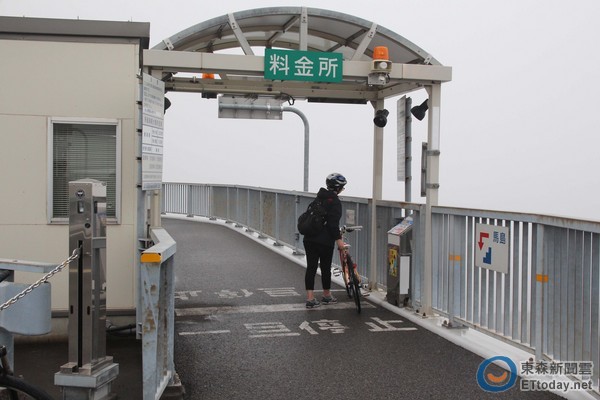
▲ At the center of the Kurushima Kaikyō Bridge, a toll is collected based on distance: 100 yen or 200 yen, roughly NT$26 or NT$52. (Photo / Reporter Li Wei)
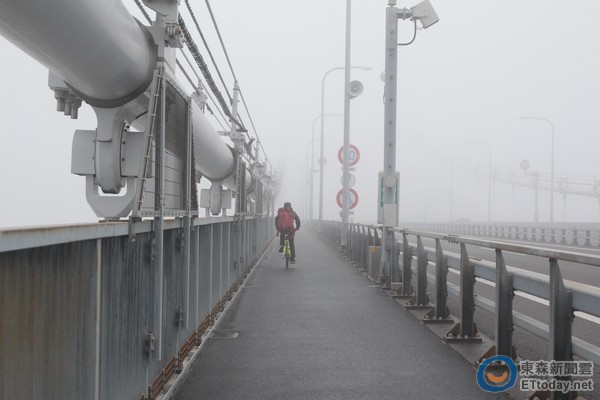
▲ The entire cycling path isn’t particularly rugged, so even those who rarely exercise can easily complete the ride. However, note that biking side-by-side is not allowed on the path. (Photo / Reporter Li Wei)
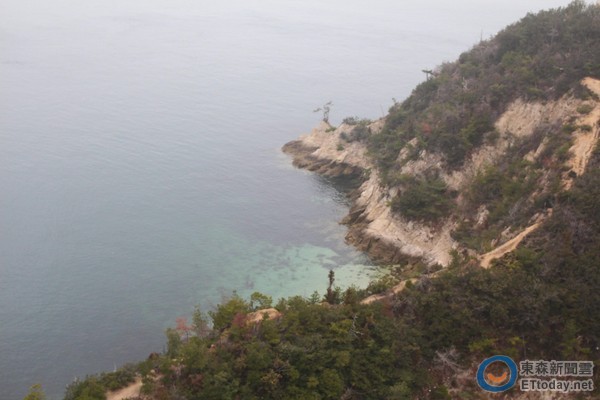
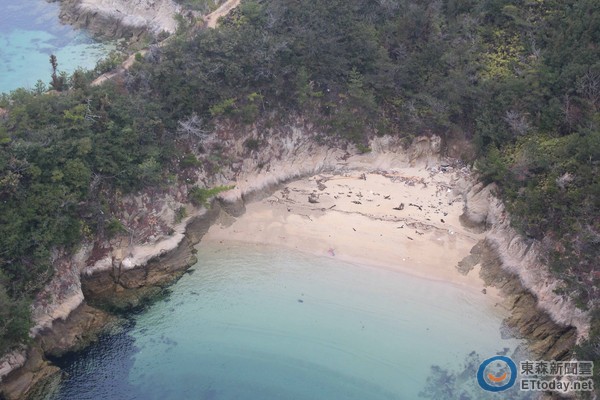
▲ Gazing down at the blue waters from the Kurushima Kaikyō Bridge is a truly pleasant sight. (Photo / Reporter Li Wei)
Within the Shimanami Kaido, there are two particularly famous spots. The first is the Tatara Bridge connecting Ikuchijima to Ōmishima, and the second is the Kurushima Kaikyō Bridge between Ōshima and Imabari City. The Tatara Bridge, a cable-stayed bridge, serves as the boundary between Hiroshima and Ehime Prefectures. Its end near Ōmishima features the Tatara Shimanami Park, a great rest stop for cyclists. You can enjoy fresh seafood to recharge and admire the spectacular views of the Tatara Bridge.
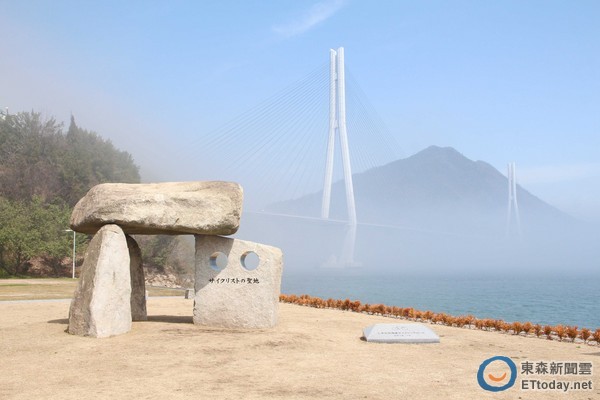
▲ Tatara Shimanami Park offers the most stunning angle of the Tatara Bridge. (Photo / Reporter Li Wei)
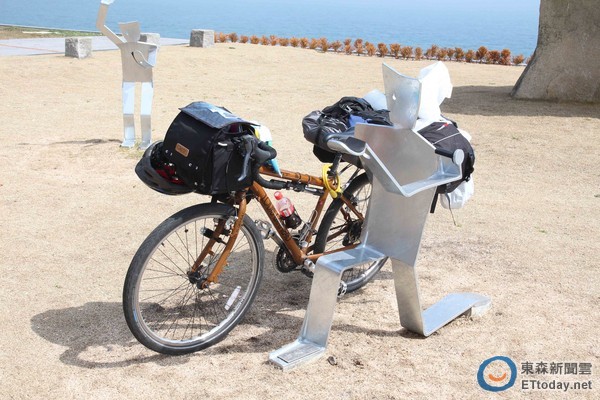
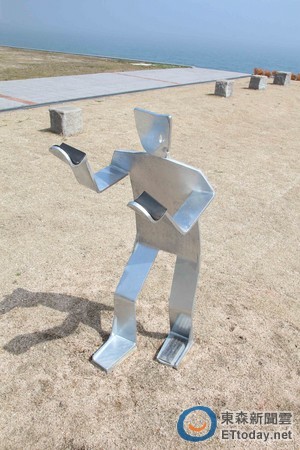
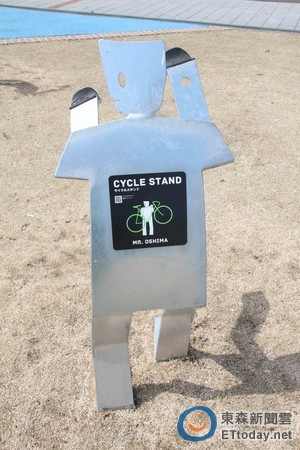
▲ There are also many interesting art installations in Tatara Shimanami Park where cyclists can park their bikes. (Photo / Reporter Li Wei)
The Kurushima Kaikyō Bridge, linking Ōshima to Imabari City, stretches 4,105 meters. Its unique three-span suspension structure is not only the first of its kind in the world but also attracts many cycling enthusiasts. The Kiroshan Viewpoint on Ōshima is the crown jewel of the Shimanami Kaido. At an elevation of 307.8 meters, it offers a panoramic view of the entire Kurushima Kaikyō Bridge and the Nishihonshu’s highest peak, Mount Ishizuchi. When fog rolls in, it feels like stepping into a fairy tale — an absolutely breathtaking scene!
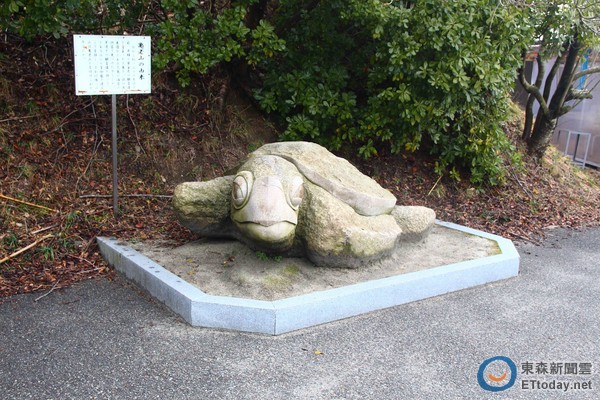
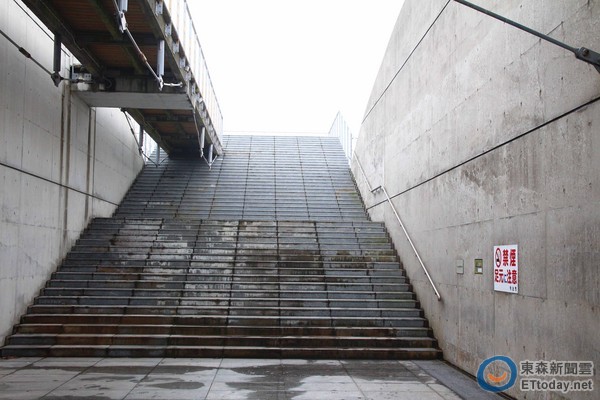
▲ Walking up the building at Kiroshan Viewpoint on Ōshima leads you to the observation deck. (Photo / Reporter Li Wei)
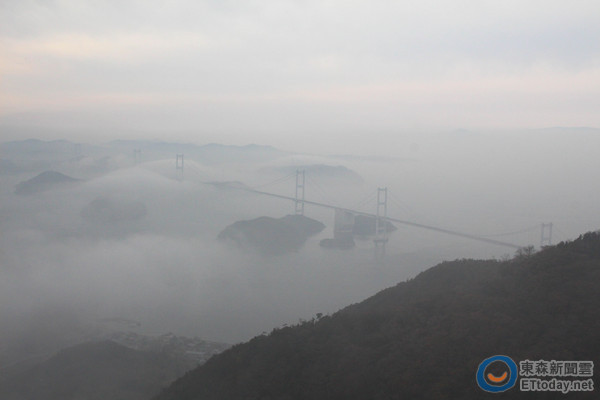
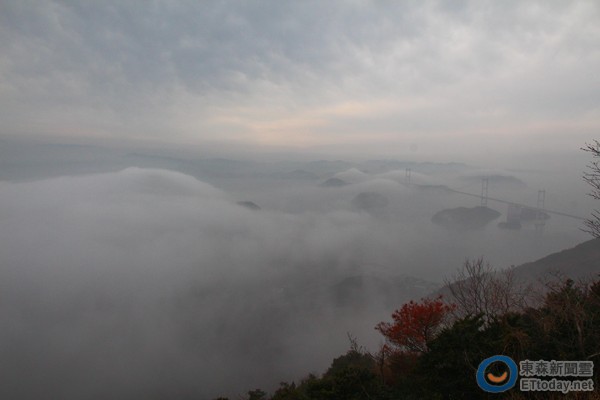
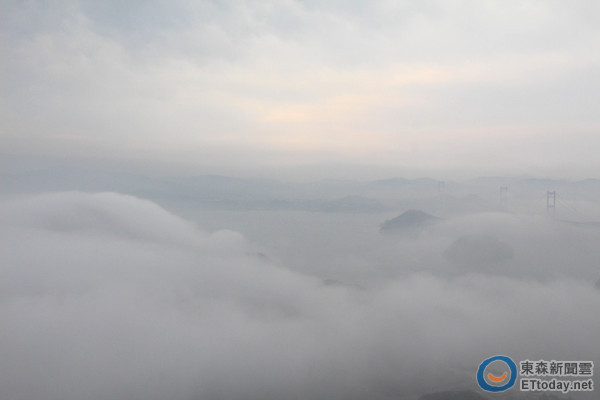
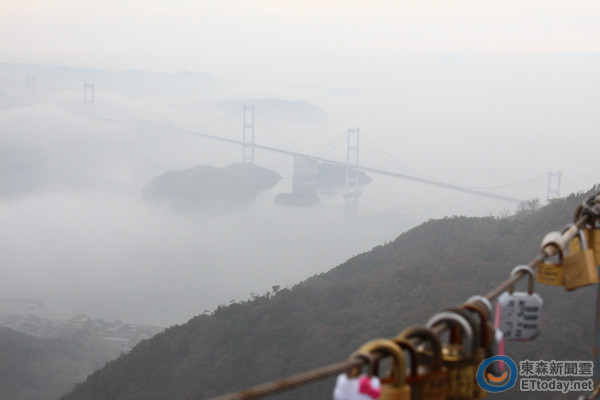
▲ Although the observation deck isn’t very high, it provides a full view of the Kurushima Kaikyō Bridge. When shrouded in mist, it feels like being above the clouds — a true fairy-tale experience. Many couples also hang love locks here to commemorate their relationship. (Photo / Reporter Li Wei)
On the other side of the Kurushima Kaikyō Bridge lies Imabari City, home to some of Japan’s finest towels. Made from domestically produced cotton and crafted with meticulous techniques, these towels undergo strict quality control. It’s said that Imabari towels can absorb water within just 5 seconds of contact. During production, no chemicals are added, resulting in an exceptionally soft texture. Imabari City also has a Towel Museum that showcases the towel-making process and frequently collaborates with various artists to turn towels into artworks. One of the most distinctive pieces is a 40-meter-long towel mural created in collaboration with the Finnish fairy tale “Moomin.” The precision required for every stitch is truly astonishing.
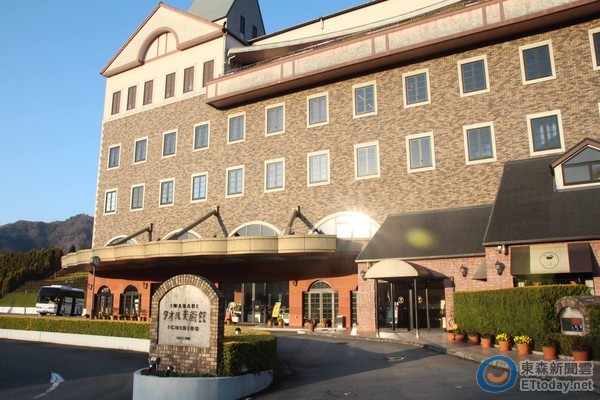
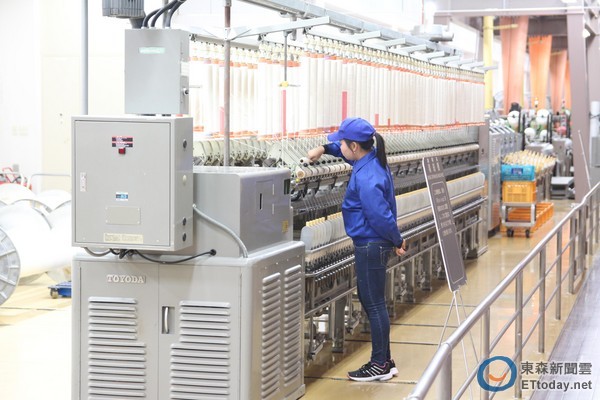
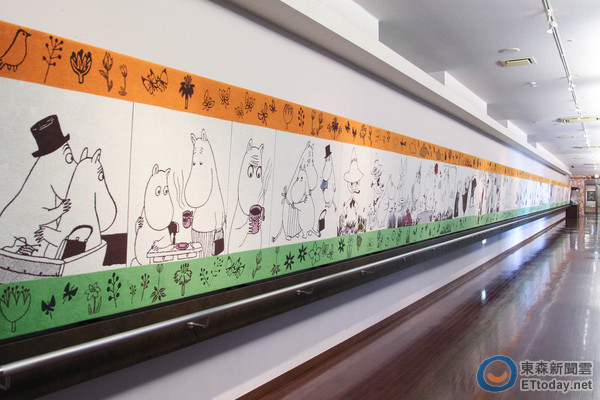
▲ To celebrate the 15th anniversary of the Moomin fairy tale, Imabari City’s renowned towel craftsmanship produced this 40-meter-long towel artwork. (Photo / Reporter Li Wei)


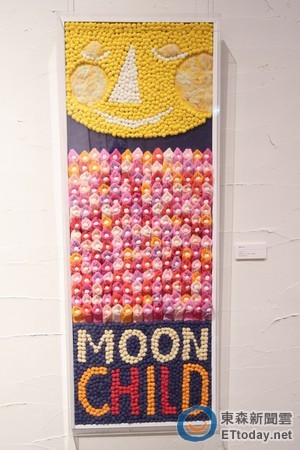


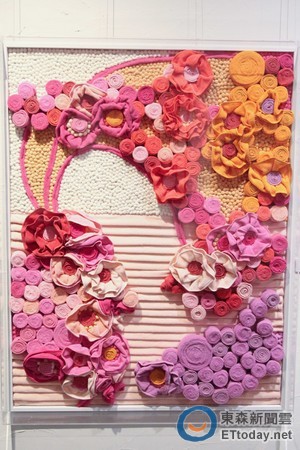
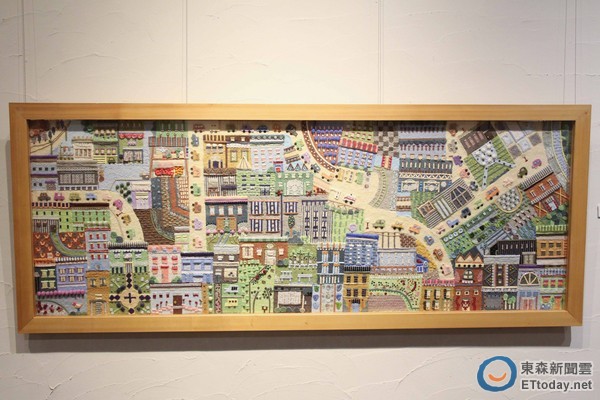
▲ Towels aren’t just for flat designs — they can also be used for unique three-dimensional collages. (Photo / Reporter Li Wei)
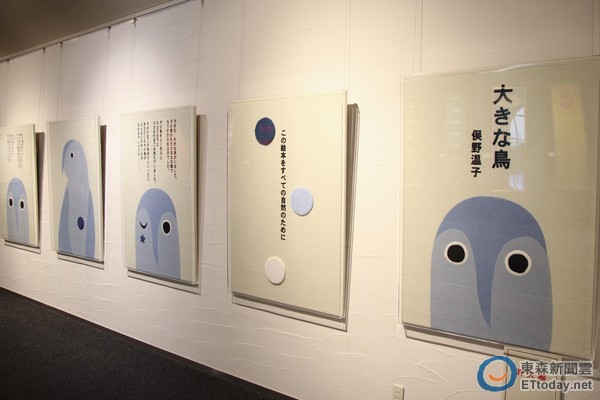
▲ A storybook-style presentation of towel art. (Photo / Reporter Li Wei)
In addition to the artistic Towel Museum, Imabari City is home to three other notable cultural spots: the Iwata Ken Mother and Child Museum, the Modern Sculpture Museum, and the Toyo Ito Architecture Center. Among them, the Toyo Ito Architecture Center, designed by the renowned Japanese architect Toyo Ito, features geometric spatial designs that exude a futuristic vibe. The center exhibits many of his works and a project he initiated in 2014. Through photography, the project documents the culture and terrain of Ōmishima. Using his unique architectural vision, he aims to make Ōmishima the most beautiful island. The studio next to the architecture center is where he and his team brainstorm designs. The building blends seamlessly into nature, with stunning ocean views visible through the windows. The space embodies the concept of “everyone’s home,” cleverly using glass and metal railings to create a transparent, unified feel.
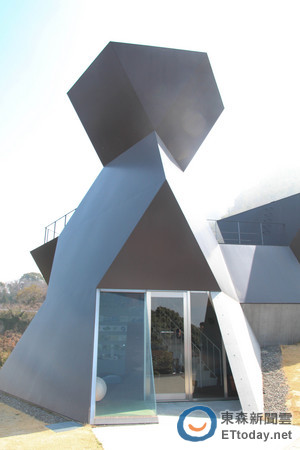
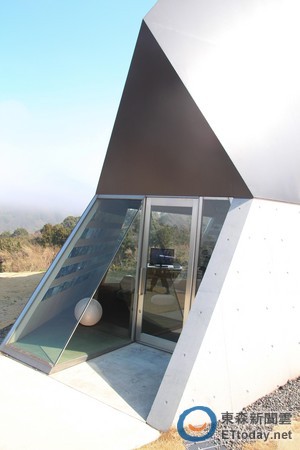
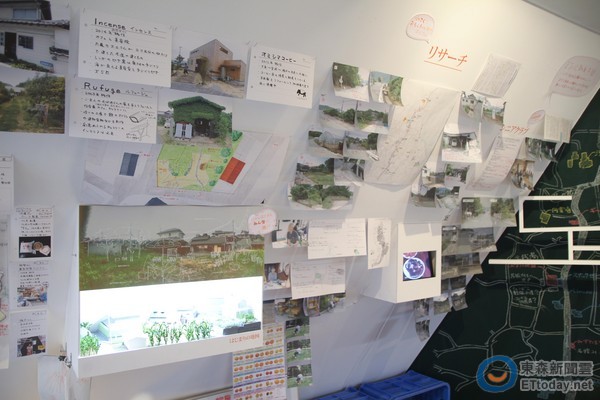
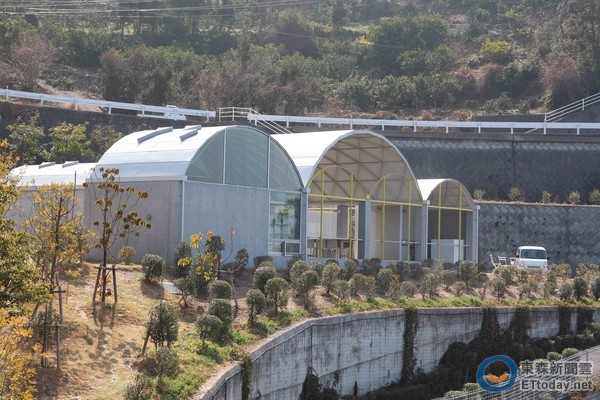
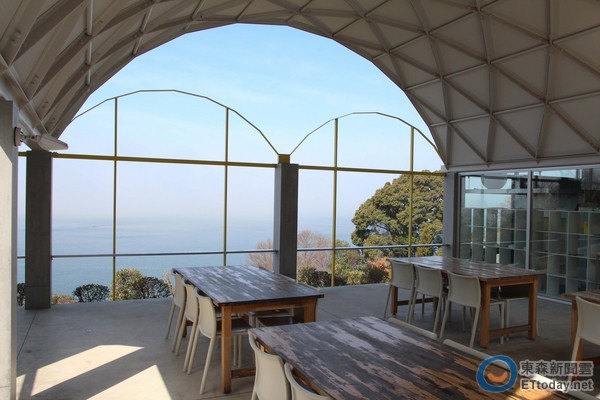
▲ Renowned Japanese architect Toyo Ito masterfully integrates people, architecture, and nature into many outstanding and artistic designs. (Photo / Reporter Li Wei)
Share
This article is published by HowToTrip. Sharing and reposting are welcome — please credit the source.
Article URL: https://www.howtotrip.net/views-12536
Related Articles
- Shaoxing's "Grandpa Gourd" hangs the gourds back up: "If there are too many people, we'll interact less — just take a quick look from afar"
- Chinese authorities announce "reciprocal adjustment" to Japan visa fees — single-entry visa jumps from 2,250 to 16,750 yen!
- The "health stones" carried by a traveler were found to have radiation levels exceeding safety limits by a thousand times, potentially endangering fellow passengers on the same flight. Customs issues warning!
- Shenzhen Airport Issues Late-Night Notice: Unidentified Aerial Object Detected, Causing Widespread Flight Delays!
- “They only said it cost money after I opened the box and washed it!” 200g of grapes sold for 60 yuan on a high-speed train—12306 responds!
- Can't buy an airline ticket? Denied exit? Blocked from boarding? A large number of Chinese tourists have mysteriously become "discredited individuals"
- Adverse weather and economic fluctuations impact Colombia's coffee market
- Beach bathing area responds to 2 yuan/30 seconds fee for freshwater foot rinsing: Clearly priced!
- Taking off with an improperly closed cabin door? Wing malfunction? Multiple flights made emergency returns mid-journey!
- Experience the gifts of nature! A countdown of the world’s ten most stunning coastlines