Madrid’s Hot-Off-the-Press Michelin Star Dining: A Tasting Experience at La Cabra
Text & Photos by Yu Tian
Madrid’s freshly opened Michelin-starred gem: La Cabra, a stylish eatery that was just awarded the prestigious Michelin one-star three-fork honor in November 2014 (a one-Michelin-star rating signifies delicious food, a comfortable dining environment, and is well worth a special trip). Trying it out in person, I was pleasantly surprised to find that the head chef is so young—just 28 years old—and has earned Michelin certification in less than two years of running the restaurant with his exceptional culinary skills. Here's my tasting experience to share.
Interior & Ambience
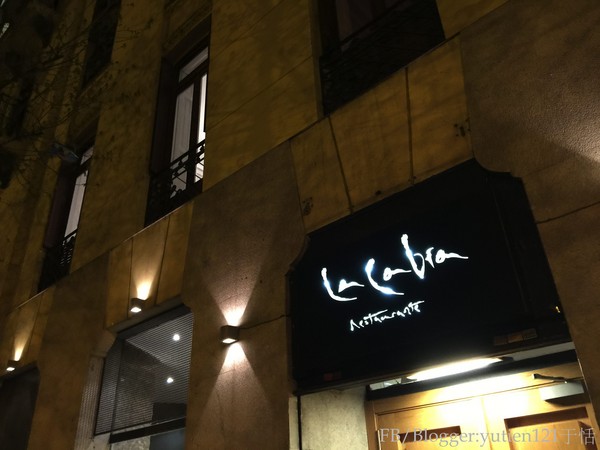
▲ The understated sign is designed as a canopy with the logo integrated into the eaves
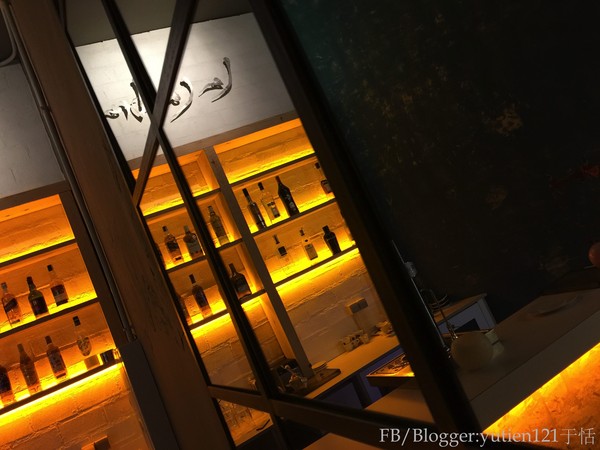
▲ The interior is divided into several distinct spaces, creating separation and a sense of personalized privacy. This semi-open private room even has its own dedicated bar counter.
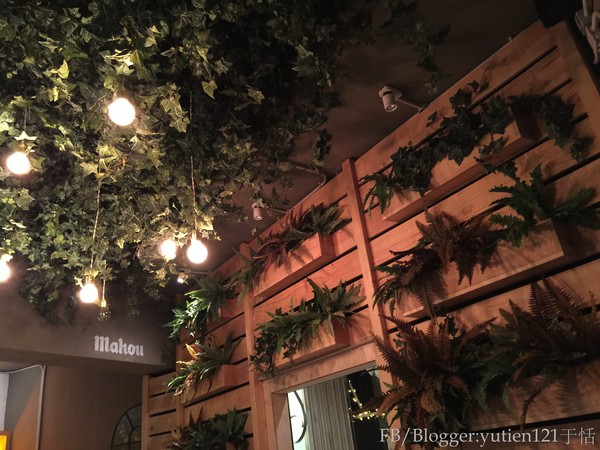
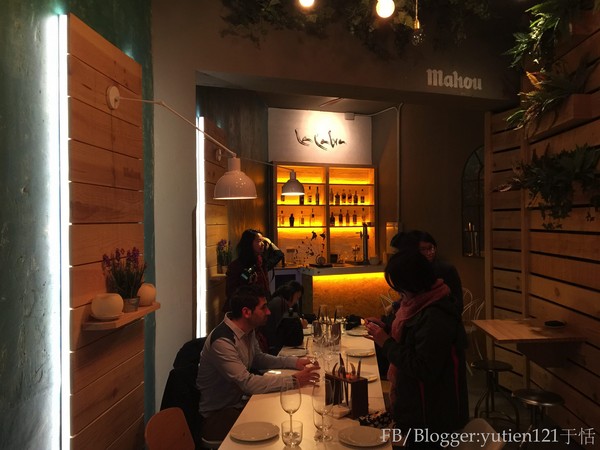
▲ The private room with its own bar counter features an organic style with bold colors, perfect for naturally unpretentious, stylish diners
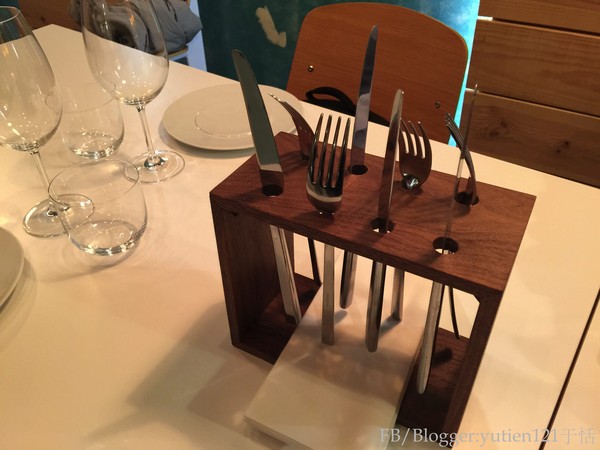
▲ The creative knife-and-fork holder on the dining table
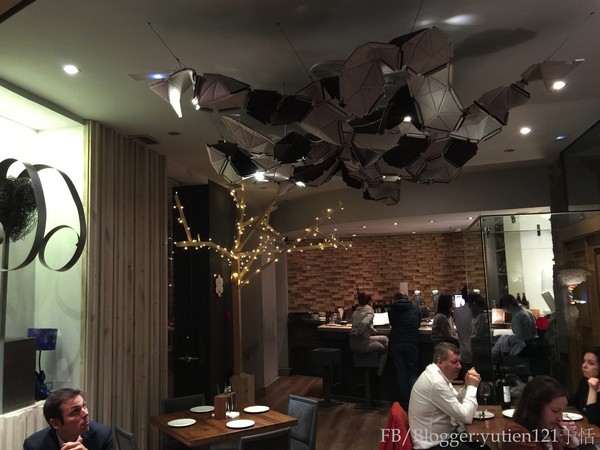
▲ In this unpretentious indoor space, creativity and the owner’s ingenuity can be found everywhere—from the ceiling to the left wall adorned with artistic sheep head decorations inspired by the logo
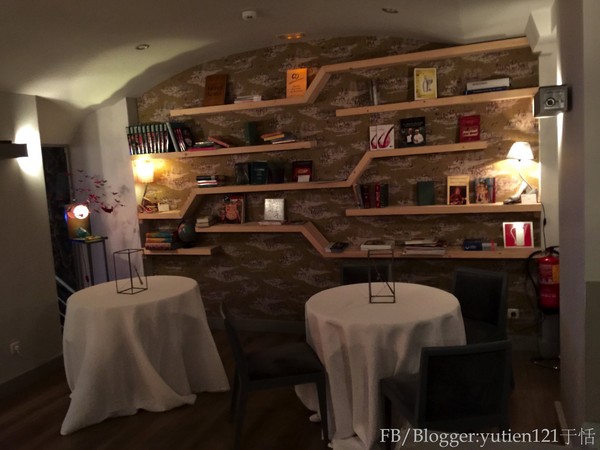
▲ Another corner of the restaurant offers a completely different atmosphere. Doesn’t it feel like dining in a cozy, bookish study?
Wine Cellar
Guess what this is? The staff led me into this hidden room—an exclusive wine cellar not open to just anyone. He said it’s his favorite corner in the whole restaurant, and indeed, it’s a hidden treasure. The lofty wine cellar feels like a chic living room for wine enthusiasts. Just imagining sipping wine and chatting in such a cozy cellar is the epitome of indulgence.
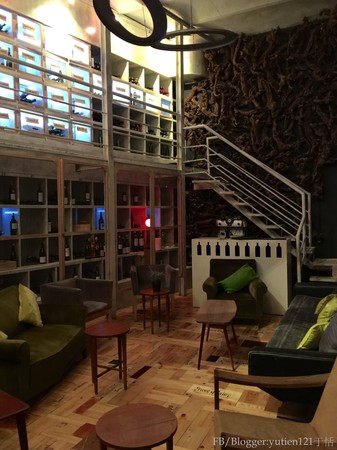
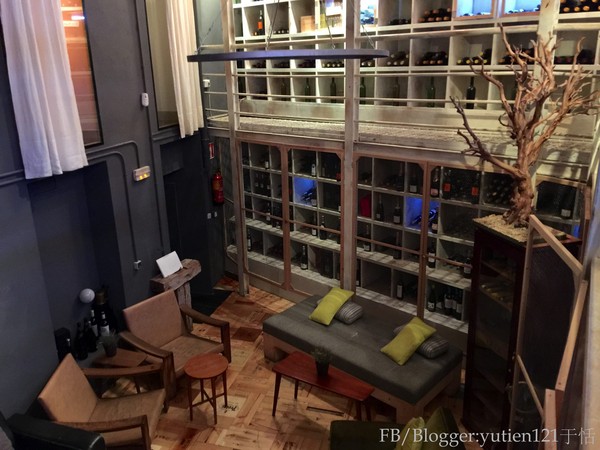
▲ Looking down from above, you can better appreciate the impressive volume of wine stored, with both walls stacked floor-to-ceiling with bottles over two stories high.
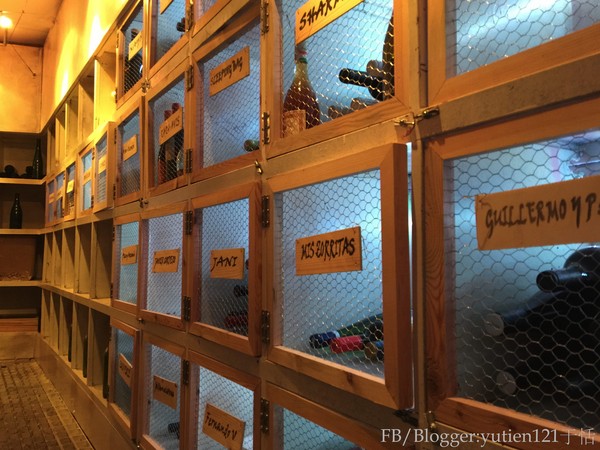
▲ These individual compartments, resembling pet cages, are homes for premium wines. Each cage clearly labels the wine name, and the bottles are fully visible—such a creative and fun wine rack design.
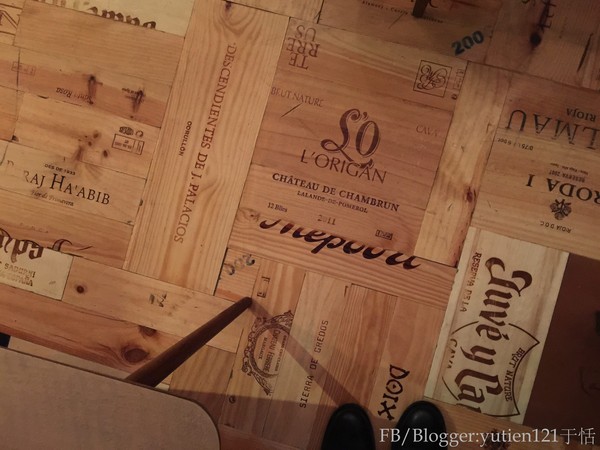
▲ The owner must really love wooden flooring. Even the wine cellar floor is made of wooden planks, and ingeniously, they are pieced together from dismantled wooden crates, perfectly matching the theme and covering the entire floor.
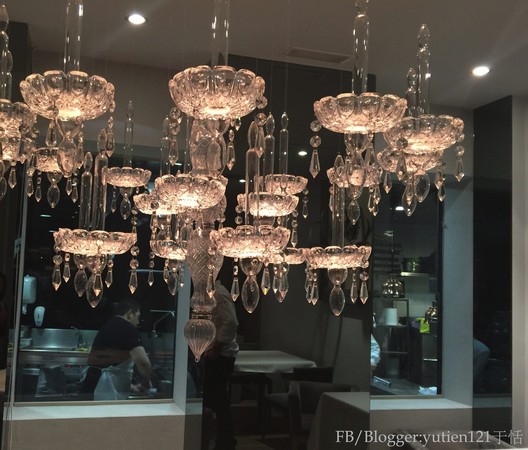
▲ The focus of the photo isn’t the hanging crystal chandelier—notice the mirror wall featuring a transparent glass panel that reveals the open kitchen inside.
Here Comes the Food Upstairs !
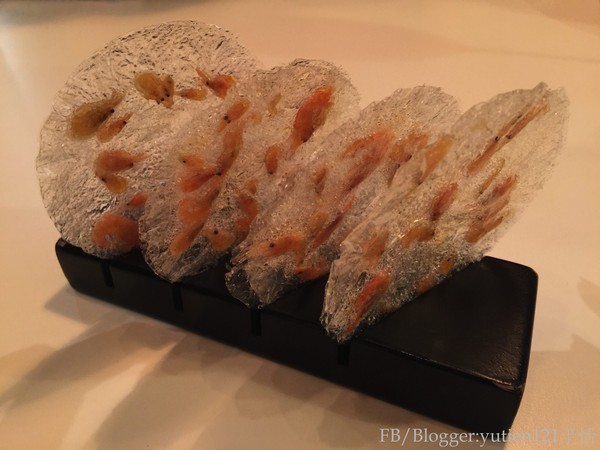
▲ Rice Paper Shrimp Cakes
Inspired by Spanish tortillas—the transparent rice paper cake showcases small shrimp. Through special processing, the white of the rice grains is removed, making the shrimp clearly visible as if floating on water. The taste is crispy with a subtle rice aroma, melts in your mouth, and bursts with rich shrimp flavor—each shrimp bit is crisp and savory. It’s the best shrimp cake I’ve ever had.
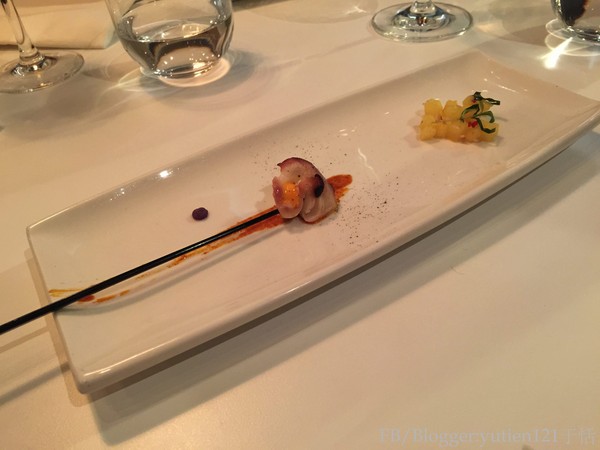
▲ Peruvian-style Appetizer
The appetizer draws inspiration from Peru’s national dish, Ceviche. Ceviche is typically prepared by marinating seafood in tangy fruit juices, sometimes even cooking white flesh seafood by “boiling” it in citrus. The sweet-tangy seafood flavor is the classic taste that makes this dish refreshing and irresistible. The chef uses green lemon-marinated pineapple for a sweet-tangy twist to cook Spain’s iconic octopus. Spanish-style octopus is meticulously prepared—its chewiness broken down for a tender, melt-in-your-mouth texture.
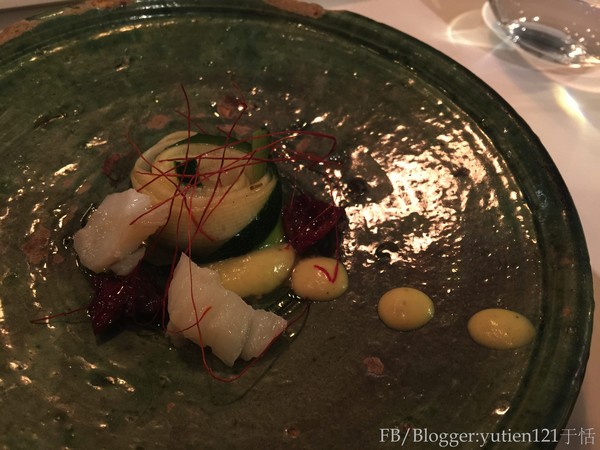
▲ Zucchini and Flying Fish Roe Cold Platter
A refreshing and layered second appetizer. Sliced zucchini is topped with flying fish roe. Though light and fresh, the dominant curry-based aroma adds a highlight, complemented by pickled cherry tomatoes and chili threads.
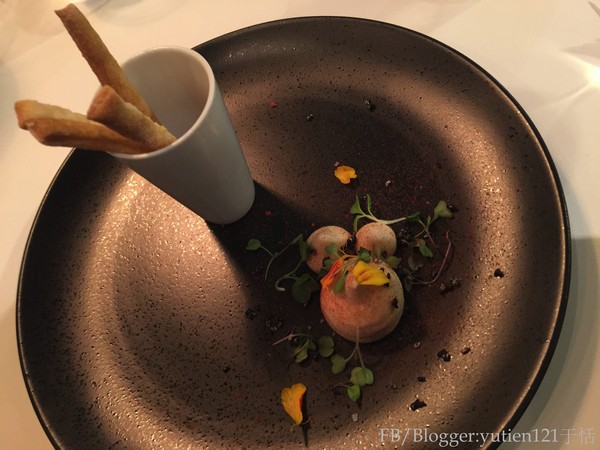
▲ Spanish-style Hummus
Curry and pepper breadsticks paired with the concept of the Arabic classic dip, hummus. Traditional hummus is made with chickpeas, but here the chef uses the local fava bean, Fabes—a staple in traditional Spanish home cooking.

▲ Pan-fried Blood Sausage with Artichoke
Spanish blood sausage with artichoke. Spanish blood sausage is one of my favorite dishes when I was living in Spain and craving Taiwanese food. Imagine something akin to slicing pork blood cake stuffed into sticky rice sausages and pan-frying it. This dish satisfies my nostalgia for two beloved Taiwanese snacks in one go. Here, pieces of blood sausage are paired with lightly pan-fried artichokes—both common ingredients in traditional Spanish cuisine but rarely served together. This creative combo adds a modern twist to tradition, refining both the visuals and flavors.

▲ Pan-seared Fish Cheek with Sweet and Spicy Sauce
Pan-seared fish cheek with sweet and spicy sauce. The fish cheek is carefully prepared, leaving only the lean, skinless meat portion without excess fat. It’s a refreshing dish that highlights the natural umami of the tender fish.
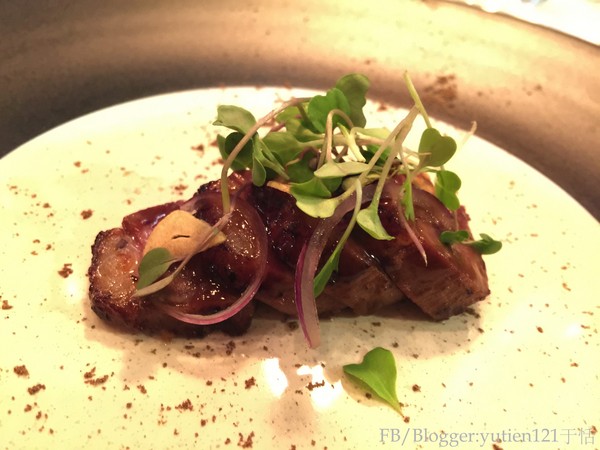
▲Spiced Duck Breast
The sauce used in cooking the spiced duck breast includes curry, tomato, garlic slices, red bell pepper, and five-spice powder, finished with a sprinkle of black and white peppercorns for added flavor. The duck breast is prepared to be extremely tender, showcasing a rich aroma, and the sauce is deeply infused with flavor. The taste is bold, likely due to the familiar spices of five-spice and curry, giving it an distinctly Eastern style and flavor profile.
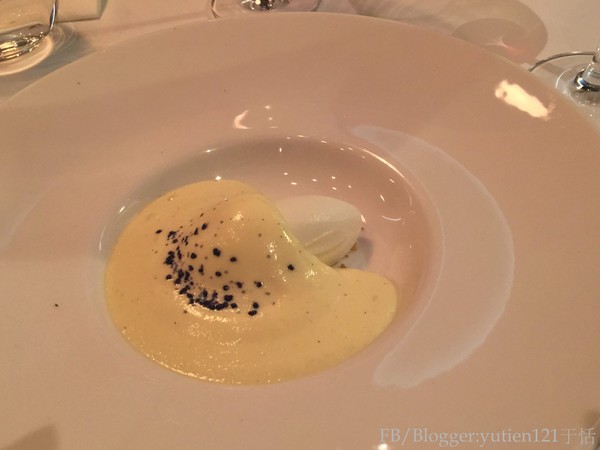
▲Natilla Yogurt Ice Cream
This dessert is inspired by the traditional Spanish sweet: Natilla. Traditional Natilla is made with milk, eggs, sugar, vanilla, and cinnamon powder. The chef creatively pairs Natilla with yogurt ice cream, replacing the cinnamon powder with crushed OREO cookie powder, making the entire dessert more vibrant and full of surprises.
The full dinner set, including paired red and white wines, costs about 70–90 euros per person.
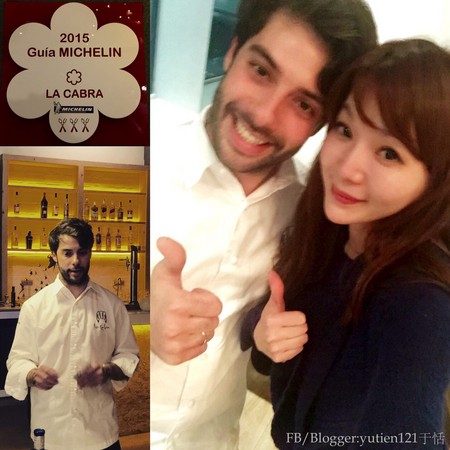
Chef Javier Aranda
A young new Michelin-starred chef, Javier Aranda is highly creative and skillfully uses online resources to source global ingredients. He leads his team in brainstorming ideas, hoping that guests visiting his restaurant can enjoy creative dishes inspired by cuisines from around the world. His ingredient choices know no borders, and his innovative mindset often has him sourcing international ingredients online and learning about traditional dishes from different countries via the internet. However, while learning from others is important, he believes that maintaining the quality of the dishes served every day and delivering perfection consistently is the most challenging task—and also his ongoing goal to strive for. Coming from a family with three generations in the food and beverage industry, he studied at the Toredo culinary school and later apprenticed under Pepe Rodriguez Rey, a Michelin one-star chef and judge on MasterChef Barcelona. Despite his young age, he has already been in the culinary industry for 11 years.
La Cabra opened in April 2013 and was awarded a Michelin star in November 2014. Speaking of this, Javier said earnestly and excitedly that he felt honored to have apprenticed under a Michelin-starred chef, and now finds it unbelievable that he has earned the same recognition himself. When talking with him, you can feel his passion and humility for cooking. He emphasizes that there are endless possibilities in cuisine, repeatedly stressing that a Michelin star is merely an acknowledgment. He believes that as a chef, the most important thing is to continuously refine one’s skills and persist in creating more high-quality, creative dishes using the best ingredients.
To follow the author of this article, please see:
Yu Tian’s Facebook Page
Yu Tian’s Blog
Share
This article is published by HowToTrip. Sharing and reposting are welcome — please credit the source.
Article URL: https://www.howtotrip.net/views-12477
Related Articles
- Shaoxing's "Grandpa Gourd" hangs the gourds back up: "If there are too many people, we'll interact less — just take a quick look from afar"
- Chinese authorities announce "reciprocal adjustment" to Japan visa fees — single-entry visa jumps from 2,250 to 16,750 yen!
- The "health stones" carried by a traveler were found to have radiation levels exceeding safety limits by a thousand times, potentially endangering fellow passengers on the same flight. Customs issues warning!
- Shenzhen Airport Issues Late-Night Notice: Unidentified Aerial Object Detected, Causing Widespread Flight Delays!
- “They only said it cost money after I opened the box and washed it!” 200g of grapes sold for 60 yuan on a high-speed train—12306 responds!
- Can't buy an airline ticket? Denied exit? Blocked from boarding? A large number of Chinese tourists have mysteriously become "discredited individuals"
- Adverse weather and economic fluctuations impact Colombia's coffee market
- Beach bathing area responds to 2 yuan/30 seconds fee for freshwater foot rinsing: Clearly priced!
- Taking off with an improperly closed cabin door? Wing malfunction? Multiple flights made emergency returns mid-journey!
- Experience the gifts of nature! A countdown of the world’s ten most stunning coastlines