Red phoenix flowers are falling at the Wude Hall! The spirit of Japanese samurai kendo
Text and photos by /KUMA
While the northern hills are still blanketed in the beauty of tung blossom snow...
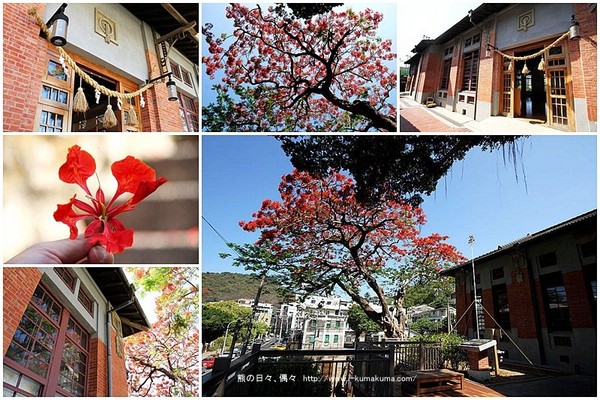
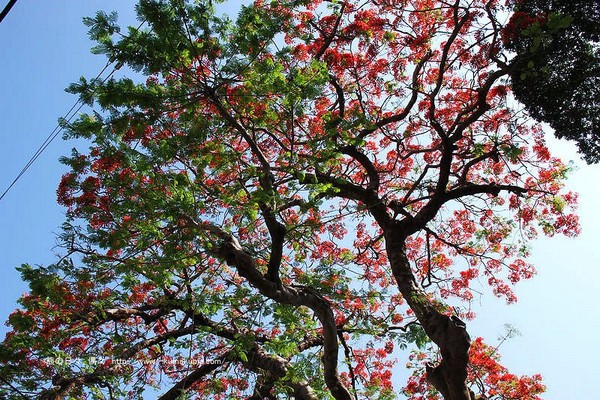
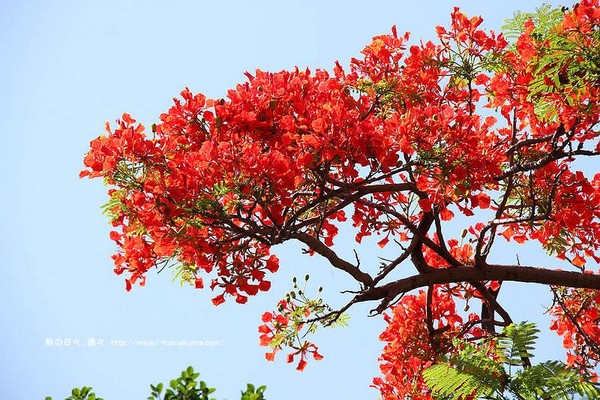
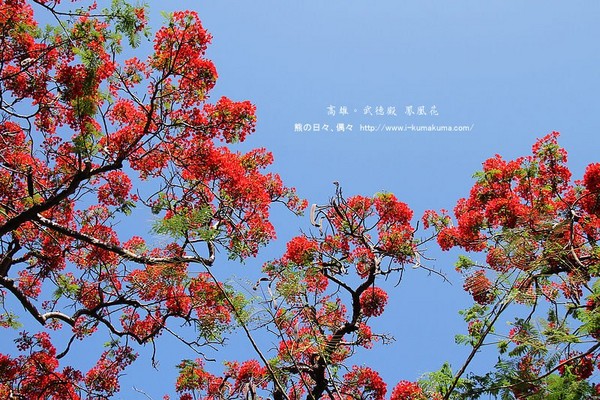
White in the north, red in the south, as if it were a grand red-versus-white showdown, a competition of beauty between red and white. At the Wude Hall in Gushan, Kaohsiung, there is a flame tree that, when I came to check on its blooming status this week, had unexpectedly burst into bloom; the fiery red phoenix flowers are covering the branches, enchanting and intoxicating. Amid the traditional Japanese architecture of the Wude Hall, you can feel the passionate red of southern Taiwan.
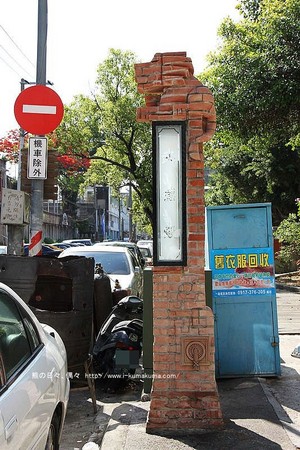
Because I noticed that the flame trees in the urban area had already begun to bloom, I came to Shoushan this week to check on the flowering conditions here. The first stop was the Wude Hall. While walking, I arrived at Gushan Elementary School and noticed the red-brick lion image pillars of the Wude Hall, which also feature reliefs of arrows and targets as symbols.
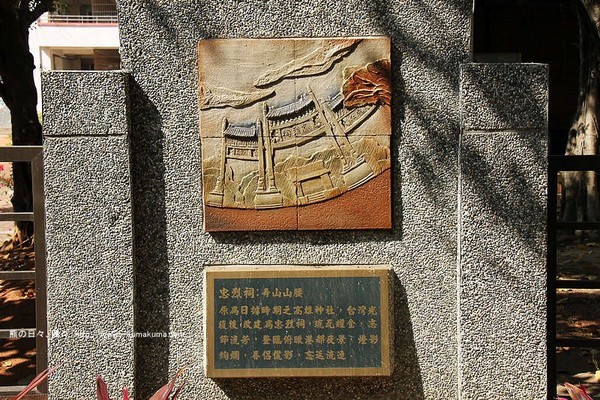
The outer wall of Gushan Elementary School has reliefs and introductions to nearby attractions, which are quite exquisite and unique. However, the sidewalk occasionally has "landmines" of dog poop, so you have to walk very carefully. I personally didn’t notice and stepped on one. When walking your dog, please also show public spirit and help maintain the beautiful environment of Kaohsiung... ^^"
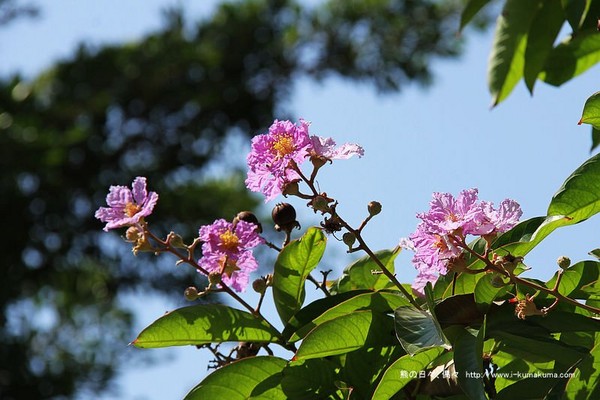
The large-flowered crepe myrtles on the streets of Kaohsiung are also blooming beautifully this year. I quietly discovered that Kaohsiung’s parks and street trees have planted many new trees. Although it will take some time for the trees to grow and bloom, it still fills me with anticipation.
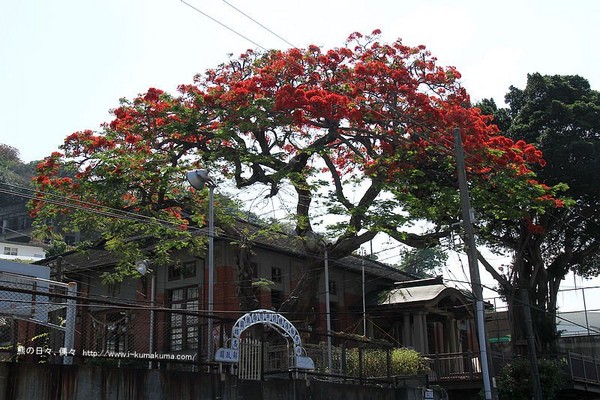
From afar, you can see a vibrant splash of color... The wall exudes a sense of charm that is hard to ignore.
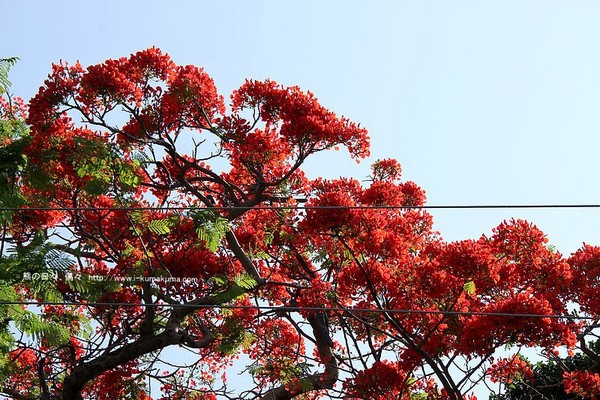
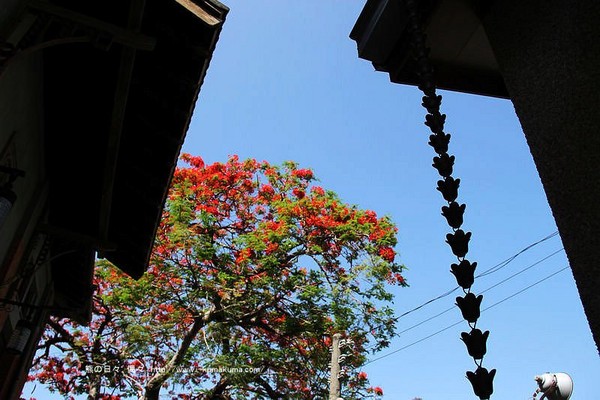
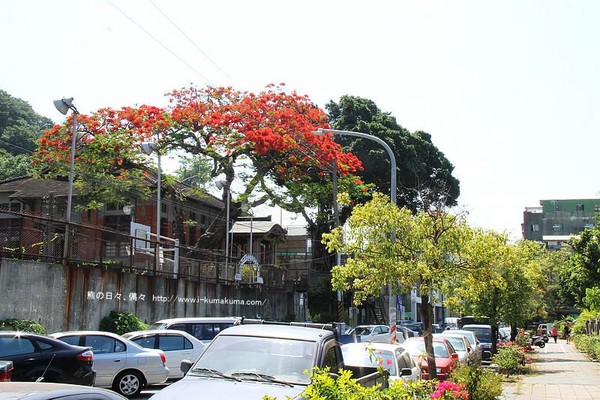
The flowers are musical notes, the leaves are rests, together composing a phoenix symphony on the power lines. This symphony only exists when the flame trees at the Wude Hall are in bloom, making it a limited-edition seasonal experience.
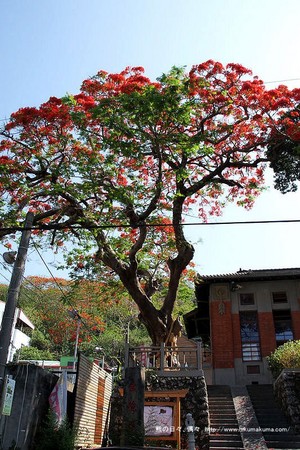
Because cars are parked on both sides, the framing is somewhat restricted.
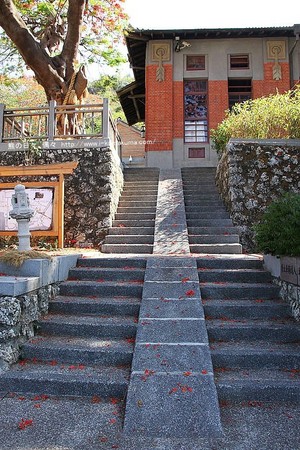
A brother who was dropping his child off for kendo practice said he had swept the floor in the morning and also cleared away the red carpet of fallen petals. Aside from missing the beautiful feeling of the floral carpet, the stone lantern beside the steps was also broken... ^^"
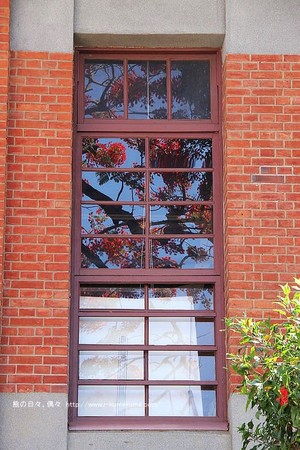
The windows have also been adorned with phoenix flower stickers for this season.

The flame tree at the Wude Hall has branches that split off—one bearing red flowers, the other green leaves—like a red-clad man and a green-clad woman, truly astonishing and delightful. You might even spot a squirrel if you’re lucky.
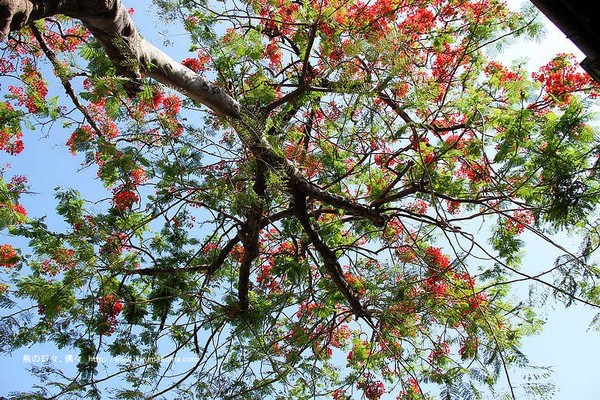
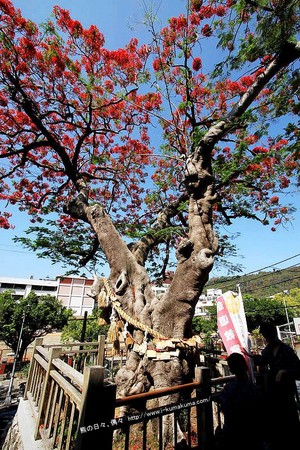
In addition to preserving its original Japanese architectural appearance, the Wude Hall also reflects the Japanese respect for old trees, seen in the straw ropes wrapped around them. Hanging on them are ema (wooden prayer plaques), giving visitors a strong sense of being in Japan.
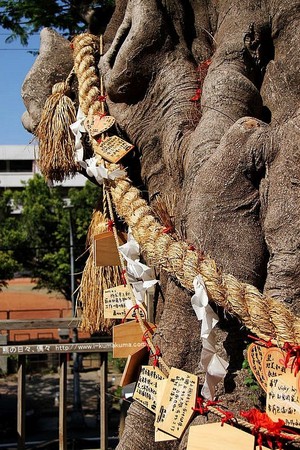
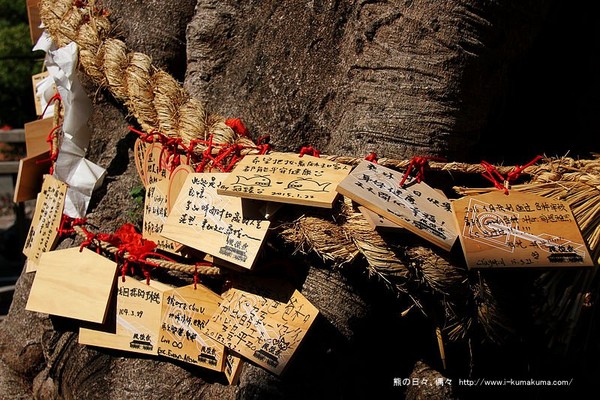
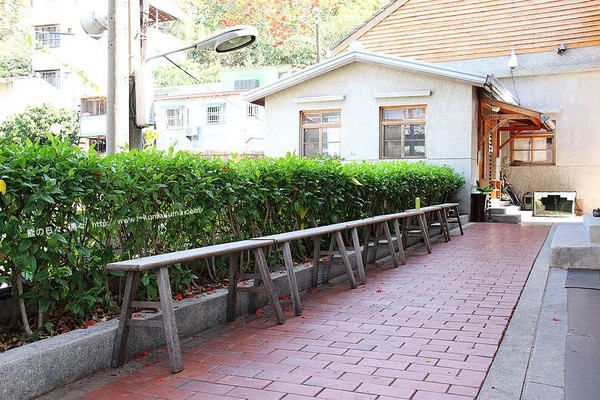
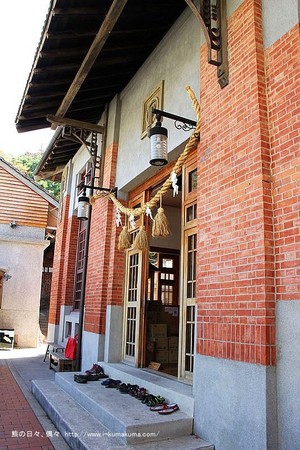
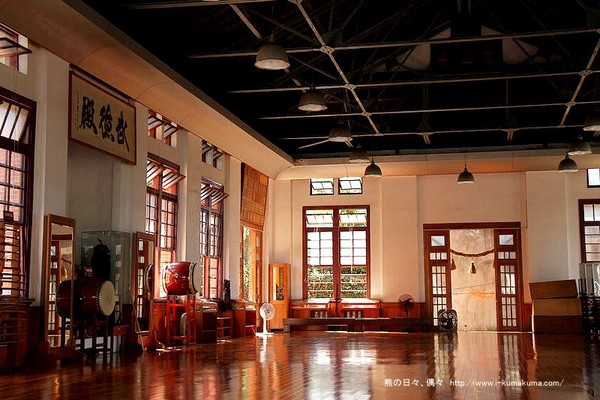
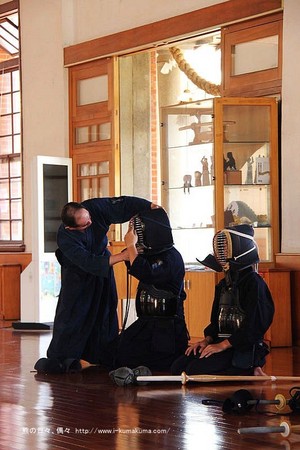
The Wude Hall originates from Japan’s police system and is a place for practicing martial arts. It was introduced to Taiwan during the Japanese colonial period. The building is divided into two sections: the eastern side is for kendo, and the western side is for judo. After the war, due to lack of management, it gradually fell into disrepair. In 1997, it was designated as a third-grade historic site. After restoration, it was entrusted to the Kaohsiung Kendo Culture Promotion Association for management. It is the first case in Kaohsiung of a non-profit historic site being managed by an external organization and also the first in Taiwan to be repurposed for its original function.
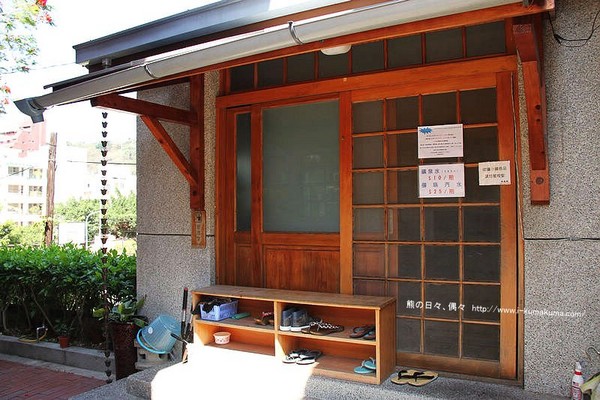
The slippers placed outside are also very Japanese-style, maintaining the Japanese habit of pointing the shoe toes outward. The eaves are hung with rain chains, commonly seen in Japanese architecture, which create a leisurely atmosphere like wind chimes when it rains.
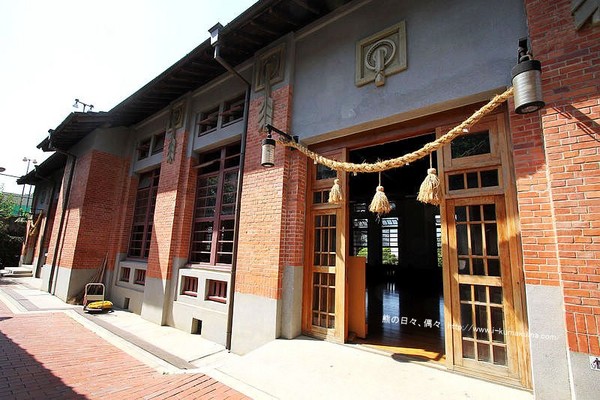
The brick walls feature exposed brickwork in the middle section of the facade, with high-pressure cement tiles on the roof. The ridge ends are decorated with "oni tiles." Additionally, the columns have relief designs combining arrows and targets, symbolizing the spirit of bushido.

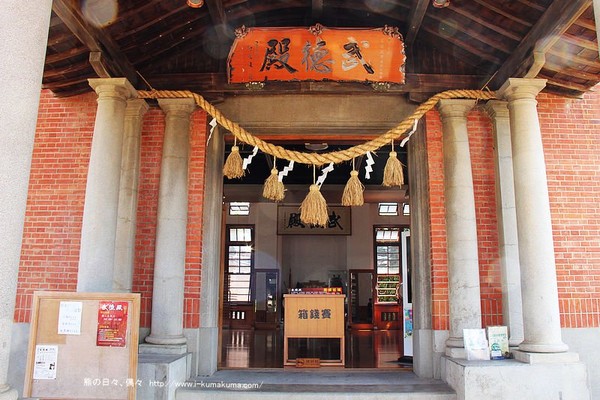
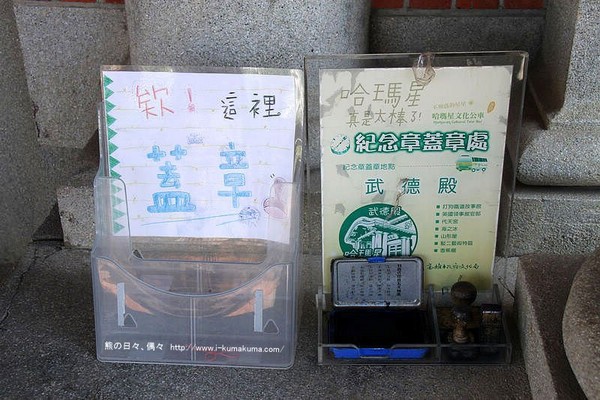
Next to the main entrance of the Wude Hall, there is a commemorative stamp. After stamping, remember to put the cap back on the ink pad to prevent the ink from drying out—a small act of thoughtfulness and conservation.
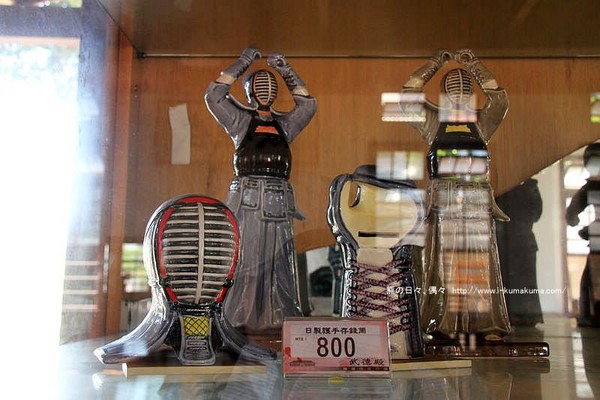
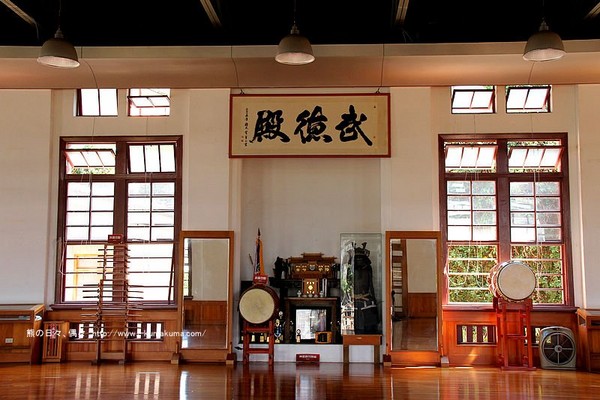
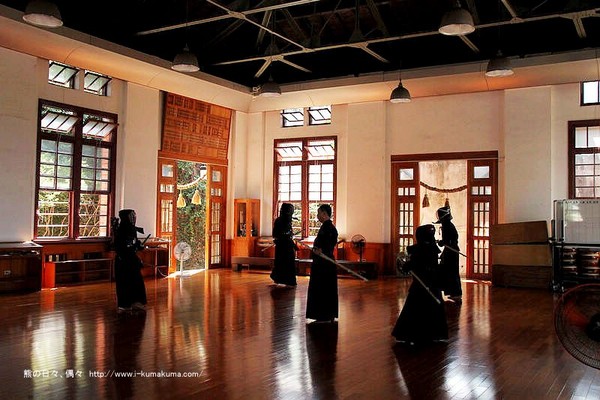
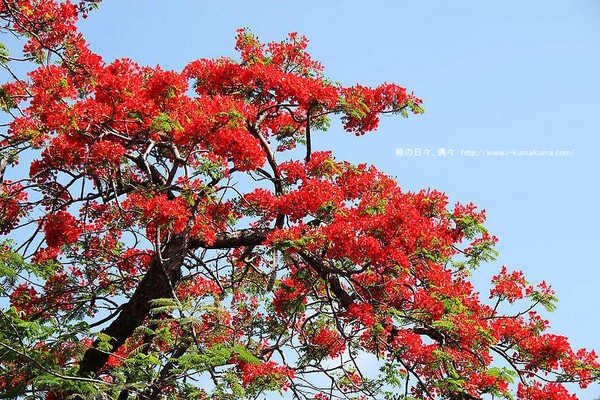
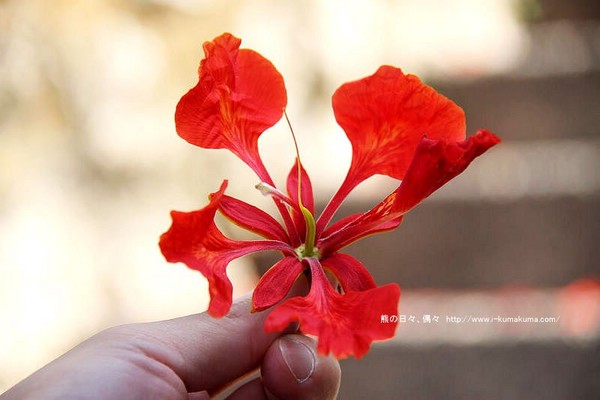
The tree is too tall, the flowers too red, all blending into one red mass, making it hard to discern the original shape of the blossoms.
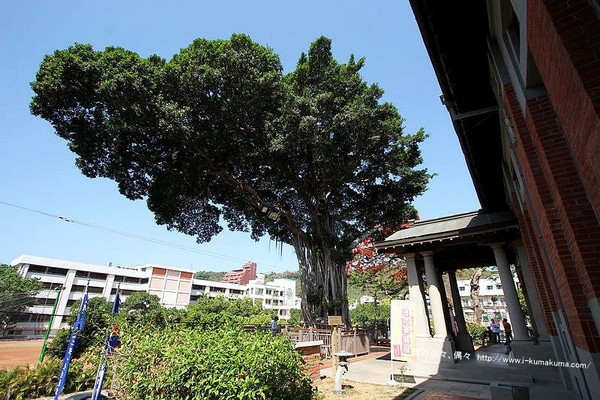
Aside from the flame trees, the nearby old banyan tree also has an impressive presence, with its slanting branches and leaves resembling the popular Tang Dynasty hairstyle, the "falling horse bun."

Walking up the small path behind the Wude Hall, you’ll find residences above. There is also an old flame tree there, but unfortunately, it’s not accessible.
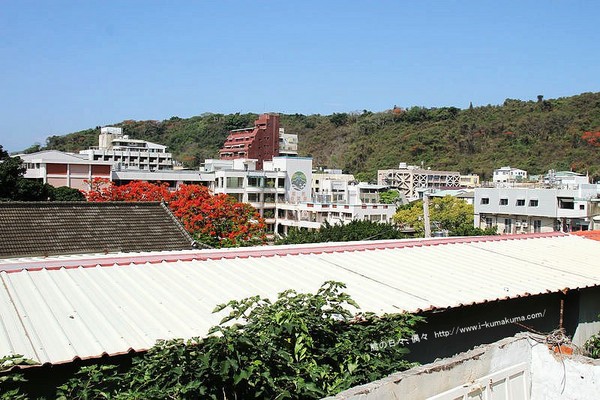
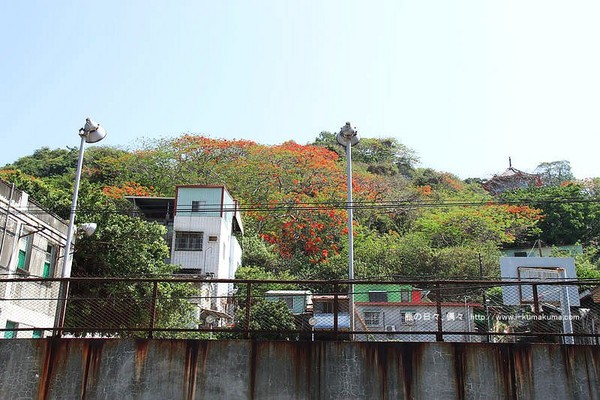
The flame trees on the nearby hills haven’t bloomed yet. I hope to catch them in full bloom next time.
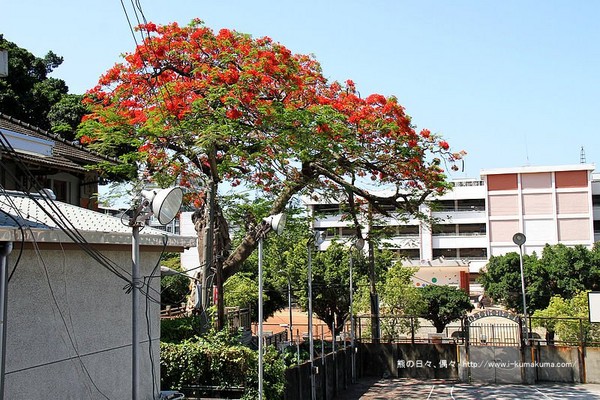
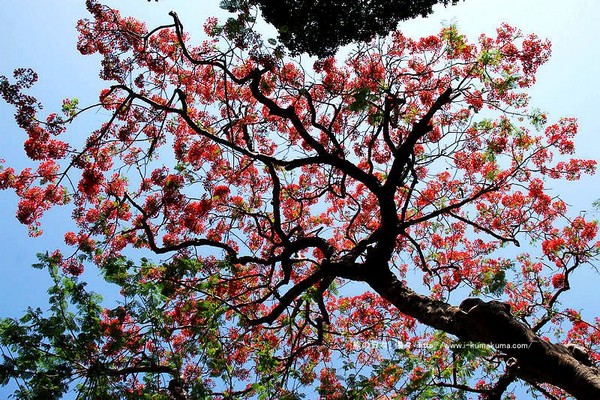
Not long ago, I admired the soft purple of the jacaranda. Now, it’s the turn of the flame tree, known as the "red jacaranda," to take the stage. This grand umbrella of fiery red flowers is truly breathtaking.
As I leave, I take one last look at the phoenix flowers of the Wude Hall—they leave an unforgettable impression.
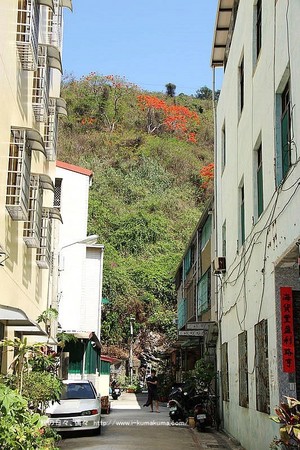
Strolling through Hamasen, you can already see the phoenix flowers beginning to bloom.
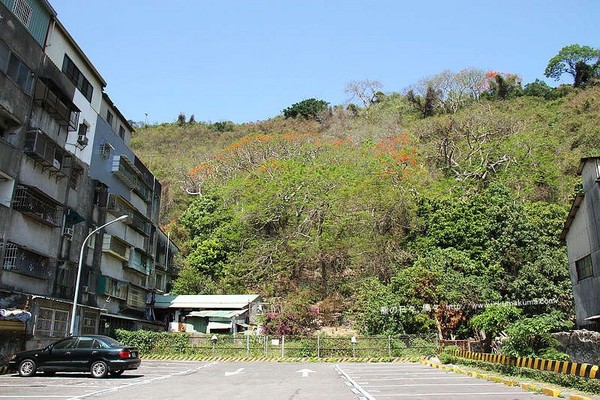
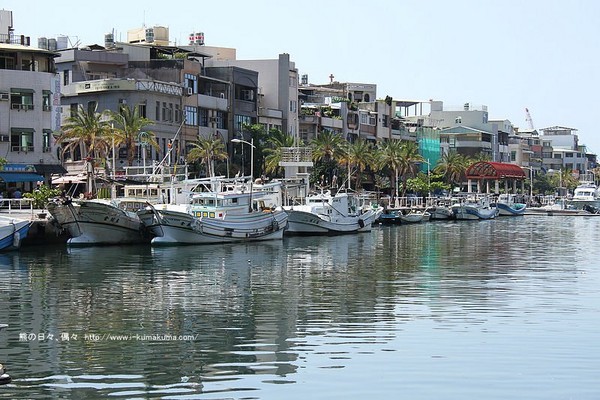
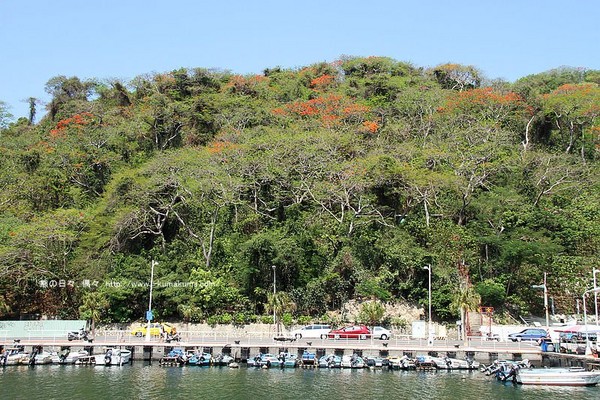
Although it’s a bit early to admire the phoenix flowers, since I’m about to go abroad, I took advantage of the free time and good weather to come early. I hope to catch them in full bloom later.
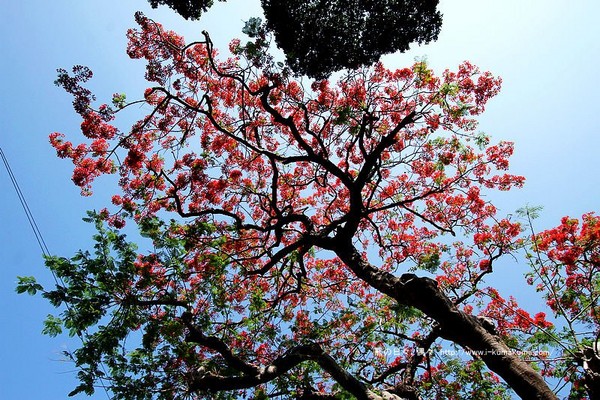
Inside the Wude Hall is the path of swordsmanship; outside the Wude Hall is the path of blooming flowers, and I am just a visitor here to admire the blossoms. At the beginning of May, the phoenix flowers bloom, and their fiery red hues make southern Taiwan even more vibrant. If you ask what represents the passion of southern Taiwan, aside from the scorching sun, these fiery flowers are certainly one of them.
Attraction: Kaohsiung Wude Hall
Address: No. 36, Dengshan Street, Gushan District, Kaohsiung City
Opening hours: Tuesday to Friday 10:00–18:00 / Saturday and Sunday 10:00–19:00 (Closed on Mondays)
Record the everyday and occasional moments of life through text and images.
Bear’s Days, Now and Then
Share
This article is published by HowToTrip. Sharing and reposting are welcome — please credit the source.
Article URL: https://www.howtotrip.net/views-11741
Related Articles
- Shaoxing's "Grandpa Gourd" hangs the gourds back up: "If there are too many people, we'll interact less — just take a quick look from afar"
- Chinese authorities announce "reciprocal adjustment" to Japan visa fees — single-entry visa jumps from 2,250 to 16,750 yen!
- The "health stones" carried by a traveler were found to have radiation levels exceeding safety limits by a thousand times, potentially endangering fellow passengers on the same flight. Customs issues warning!
- Shenzhen Airport Issues Late-Night Notice: Unidentified Aerial Object Detected, Causing Widespread Flight Delays!
- “They only said it cost money after I opened the box and washed it!” 200g of grapes sold for 60 yuan on a high-speed train—12306 responds!
- Can't buy an airline ticket? Denied exit? Blocked from boarding? A large number of Chinese tourists have mysteriously become "discredited individuals"
- Adverse weather and economic fluctuations impact Colombia's coffee market
- Beach bathing area responds to 2 yuan/30 seconds fee for freshwater foot rinsing: Clearly priced!
- Taking off with an improperly closed cabin door? Wing malfunction? Multiple flights made emergency returns mid-journey!
- Experience the gifts of nature! A countdown of the world’s ten most stunning coastlines