By: Alex
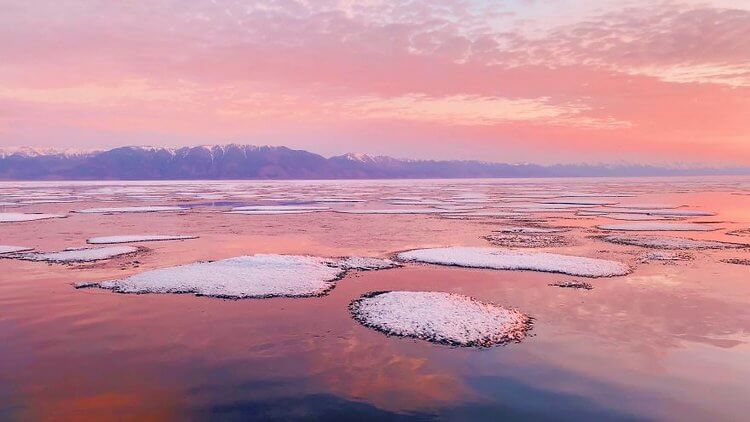
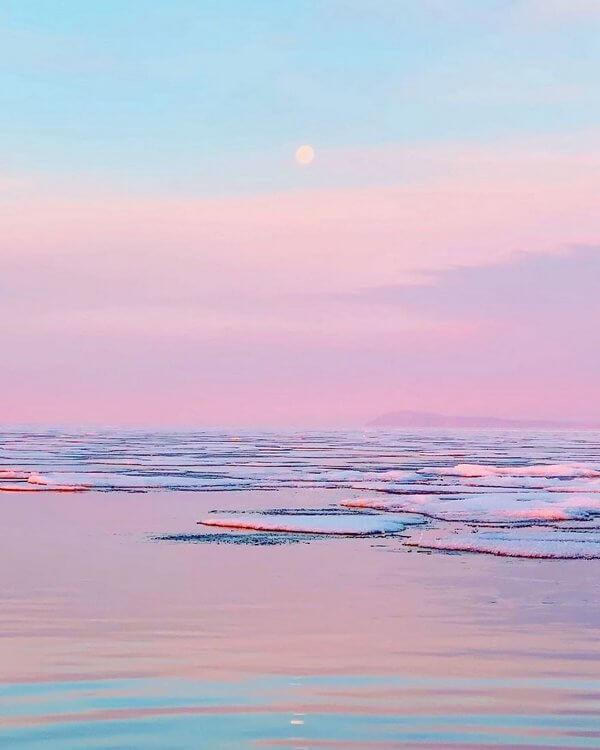
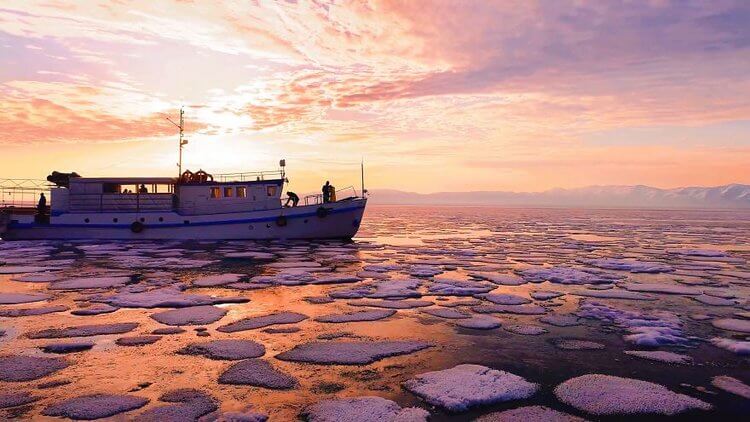
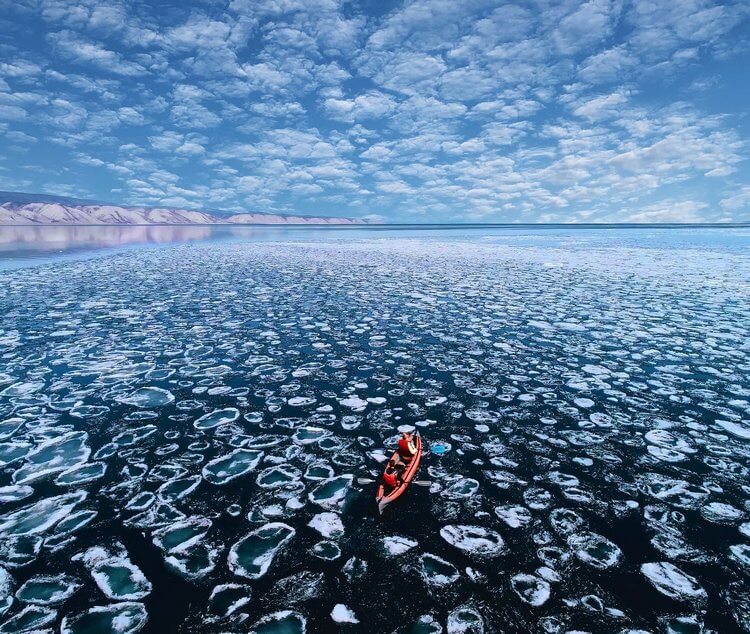
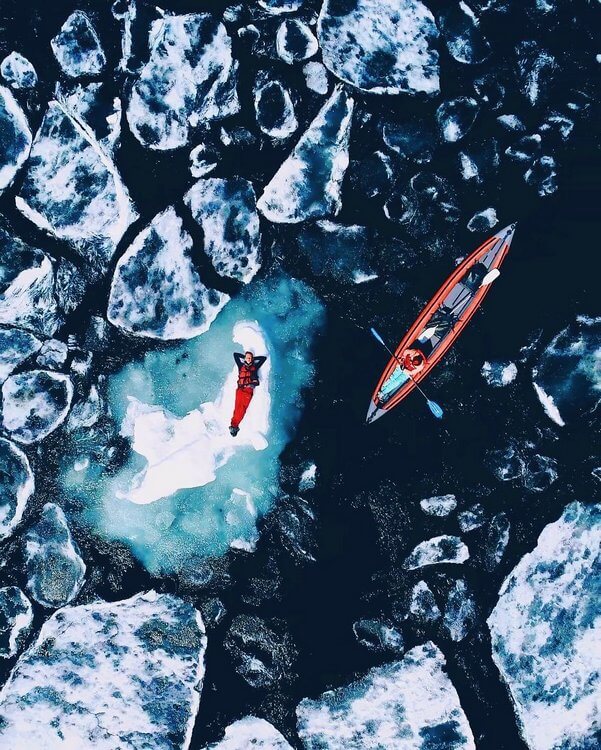
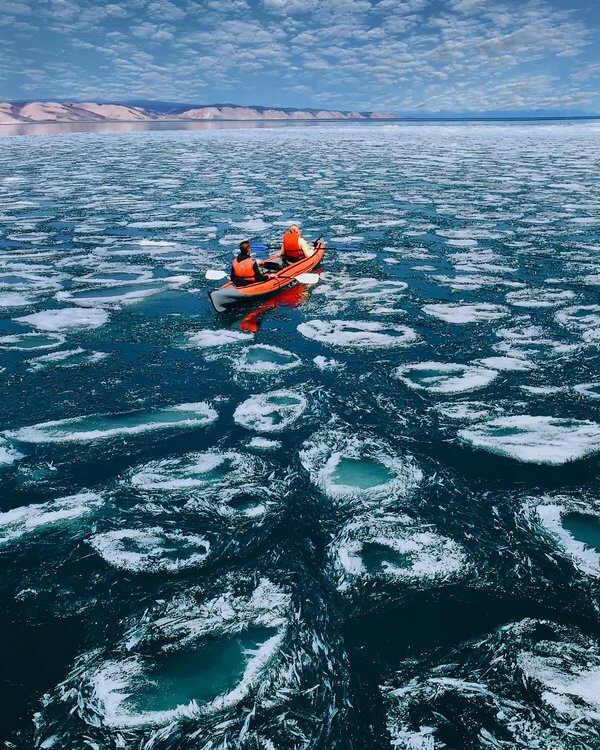
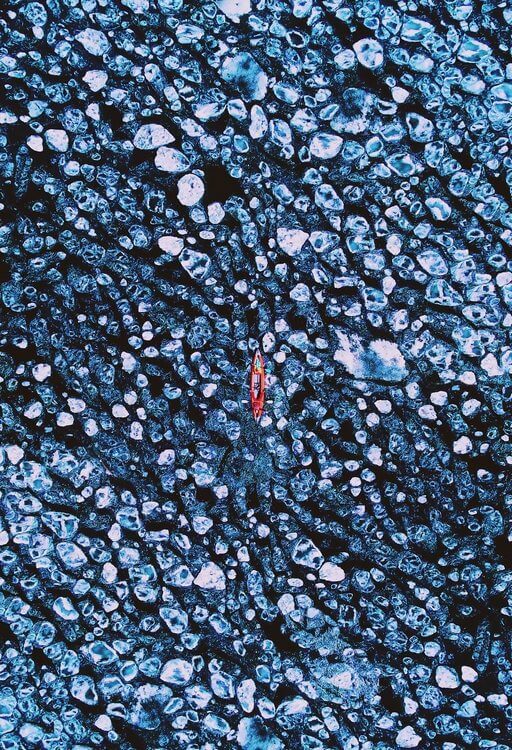
In winter, Lake Baikal is nothing short of a fairy-tale wonderland. The lake surface freezes to a thickness of up to 1.5 meters. The crystal-clear ice glows like a sapphire under the sunlight. Bubbles produced by algae on the lake bed are instantly frozen in the cold, resembling strings of glass beads. Add to that the crisscrossing cracks (known as ice hummocks), and the scenery is truly breathtaking. By May, as the weather warms up and the ice begins to melt, Lake Baikal takes on yet another magical appearance.
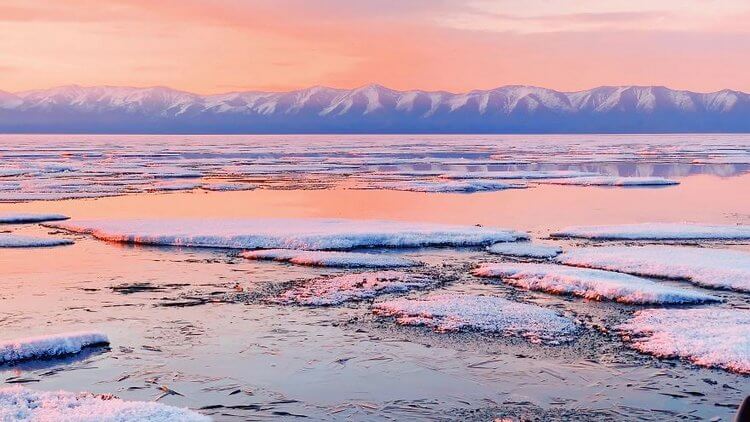
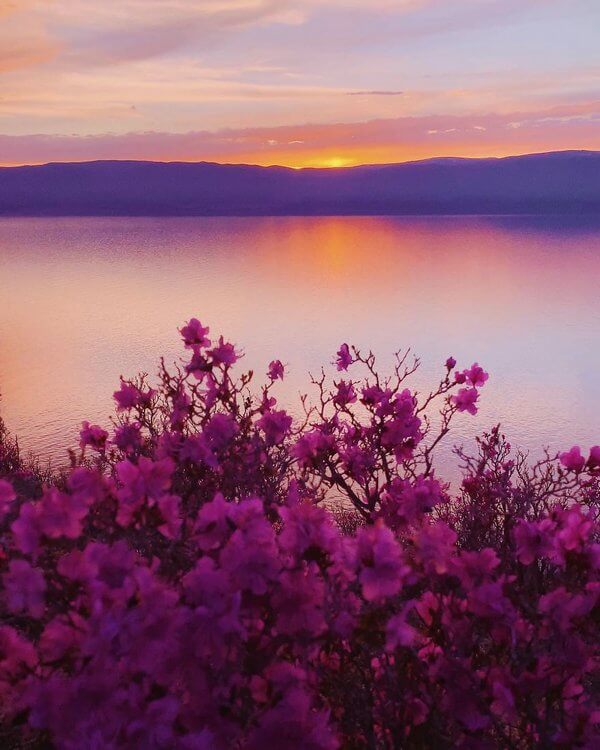
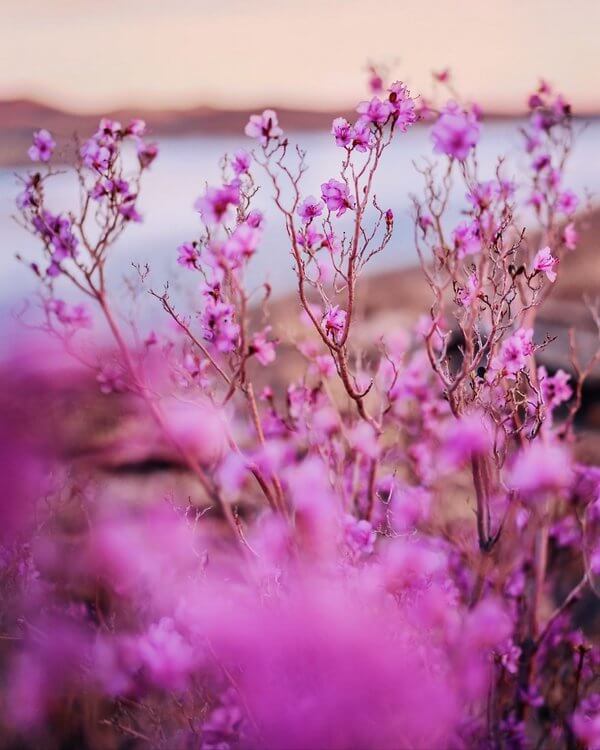
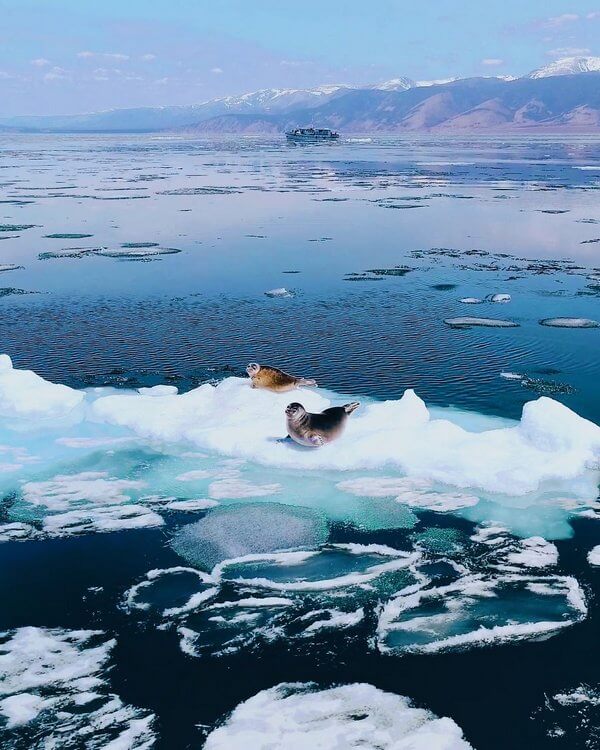
Renowned Russian photographer Kristina Makeeva, famous for her vibrant colors and stunning light play, recently revisited what she considers the most beautiful lake in the world—Lake Baikal. In spring, rosemary growing along the lakeshore blooms, and lazy seals bask in the sun on the not-yet-fully-melted ice floes. The blue waters remain captivating, and the sunset views are an absolute must-see.
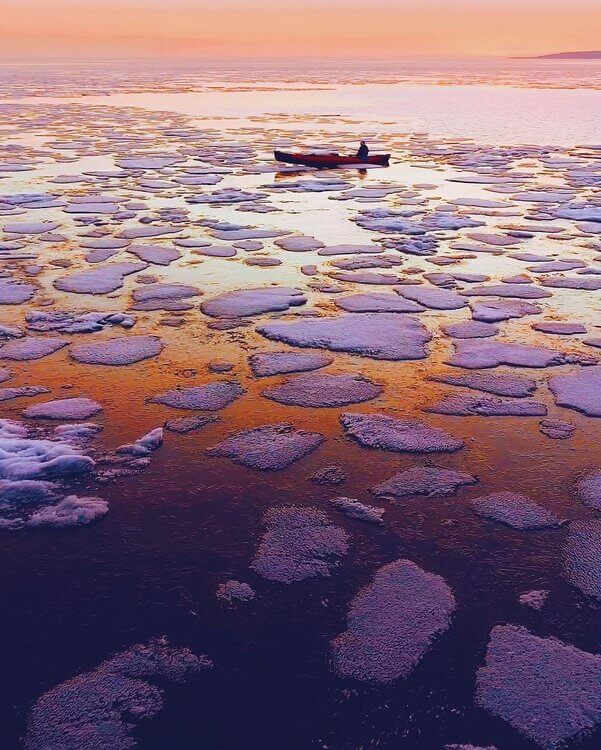
Known as the "Pearl of Siberia," Lake Baikal was formed by the collapse of a geological fault. It is the oldest, deepest, and clearest freshwater lake in the world, as well as the largest freshwater lake on the Eurasian continent. The lake stretches approximately 643 kilometers in length, with a maximum depth of 1,637 meters. Due to its exceptional clarity, visibility can reach nearly 40 meters underwater.
Notably, Lake Baikal boasts a rich diversity of aquatic species, about 80% of which are endemic to the lake, including notable ones such as the Baikal seal, omul (a type of whitefish), and various species of sculpin. However, the region is also seismically active, experiencing around 2,000 earthquakes of varying magnitudes each year on average.
You can visit Kristina Makeeva’s Instagram and personal website to view more of her work.


Source: Bored Panda