8 Must-Visit White-Water Rafting Spots in Thailand & “Rapid Adventures” in the Rainforests Along the Myanmar Border
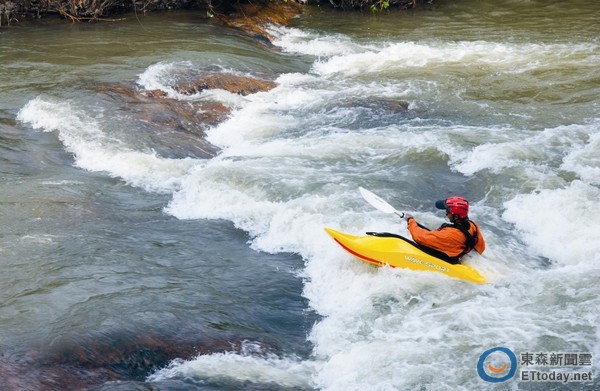
▲ June to October is Thailand’s rainy season — the best time to experience rafting in the rainforest. (Photo / Provided by Tourism Authority of Thailand)
Reported by Chen Zi-Yin / Compiled by HowToTrip
The best time for white-water rafting in Thailand is from June to October each year, as the rainy season brings abundant rainfall. Especially in northern and central Thailand, the undulating terrain results in fast-flowing rivers, making the thrill of descending through jungle streams highly appealing to rafting enthusiasts.
The Tourism Authority of Thailand notes that the biggest difference between rafting in Thailand and Taiwan is that Thai rafting routes are all located within jungle and rainforest areas. Besides being off the beaten path, these routes often pass by waterfalls, offering an adrenaline-pumping experience. Alternatively, you can choose bamboo rafting instead of inflatable rafts, enjoying nature at a leisurely pace as you float through various landscapes. Local bamboo rafting tours always require a professional guide throughout.
Among them, Pai River in northern Mae Hong Son, with its fast currents, rushes into deep valleys before flowing swiftly toward Myanmar, making it the most popular rafting destination. This rafting route can range from just a few hours to several days. In addition, there are several other great rafting spots in Thailand. Be sure to check out this list of eight and go rafting in Thailand now!
1. Mae Hong Son:Originating from Ban Nam Kong, the 65-kilometer-long Pai River meanders through bends and, during a 5-hour journey, challenges rafters with constant rapids, 15 thrilling rapid sections, and fast-moving waters.
2. Chiang Rai:The Kok River, the largest in Chiang Rai, attracts travelers from around the world every year to take on the challenge. The most fun part? Figuring out how to conquer it using either an inflatable raft or a bamboo raft.
3. Chiang Mai:Rafting in the mountainous area of Chiang Mai, a popular ancient town, offers a dual experience. Paddling along the Mae Chaem River through the scenic Ob Luang Canyon is truly beautiful, while the Mae Tuen River is “wild and rainy,” where, after passing through dense, shadowy forests, you’ll even see the Pha Dam Waterfall.
4. Tak:Tak’s varied topography has long been a favorite among hikers and adventurers. In Umphang District near the Myanmar border, many rivers originate here. The Huai Mae section of the river offers rafting through jungled landscapes amid wild rapids, preserving a natural and pristine feel. Another rafting spot is near the picturesque Thi Lo Su Waterfall, with the whole trip lasting about 3 to 4 hours.
5. Nan:The Nan River, which runs through Nan Province, is also a very popular rafting destination locally, with the entire rafting trip taking about four to five hours.
6. Prachin Buri:It is said that rafting here is quite challenging and is rated as a Level 5 difficulty course. The Kaeang Hin Phoeng River flows through Khao Yai National Park, and during the rainy season, the river flow speeds up dramatically, making it hard to control — but you’ll be rewarded with breathtaking mountain views along the way.
7. Kanchanaburi:Here, you can tackle rivers that flow from Kanchanaburi toward the Myanmar border, winding through steep and rugged terrain. Along the way, you may pass the local wonder of the Lawa Cave, or you can choose to ride a rubber raft from Sangkhla Buri downstream along the Songkalia River.
8. Nakhon Nayok:In addition to rafting, you can also use a canoe to navigate the river here. The river flows from the Khao Yai mountain area into the Bang Pakong River. Interestingly, despite the arrival of the rainy season, the river here still flows slowly, making it easy to maneuver during your rafting trip.

▲ Rafting in Thailand is different from Taiwan — it’s all located in jungle areas, and waterfalls are frequently visible. (Photo / Provided by Tourism Authority of Thailand)
Three Key Tips for Rafting in Thailand:
• You must wear a helmet and life jacket and be accompanied by an instructor familiar with the waterway.
• Ensure you’re in good health to take on this strenuous activity. Teenagers aged 12 to 16 must be accompanied by a guardian.
• Understand that Thailand classifies white-water rafting into six difficulty levels:(Level 1: Simple and easy speed; Level 2: Simple speed but requires skill to avoid obstacles and rocks; Level 3: Moderate speed but more thrilling, requiring constant alertness to control the kayak; Level 4: Slightly faster speed, demanding continual skillful kayak control — quite thrilling; Level 5: The highest level achievable for rafters, featuring turbulent waters and steep, changeable terrain — extremely thrilling; Level 6: Extremely difficult and dangerous rafting.)
*The Tourism Authority of Thailand states that rafting fees are approximately 700 Thai baht (about NT$633), but prices vary depending on location and trip length. Those interested in joining a rafting tour can contact their local Tourism Authority office directly or sign up for a rafting trip through a local travel agency.
Share
This article is published by HowToTrip. Sharing and reposting are welcome — please credit the source.
Article URL: https://www.howtotrip.net/views-11404
Related Articles
- Shaoxing's "Grandpa Gourd" hangs the gourds back up: "If there are too many people, we'll interact less — just take a quick look from afar"
- Chinese authorities announce "reciprocal adjustment" to Japan visa fees — single-entry visa jumps from 2,250 to 16,750 yen!
- The "health stones" carried by a traveler were found to have radiation levels exceeding safety limits by a thousand times, potentially endangering fellow passengers on the same flight. Customs issues warning!
- Shenzhen Airport Issues Late-Night Notice: Unidentified Aerial Object Detected, Causing Widespread Flight Delays!
- “They only said it cost money after I opened the box and washed it!” 200g of grapes sold for 60 yuan on a high-speed train—12306 responds!
- Can't buy an airline ticket? Denied exit? Blocked from boarding? A large number of Chinese tourists have mysteriously become "discredited individuals"
- Adverse weather and economic fluctuations impact Colombia's coffee market
- Beach bathing area responds to 2 yuan/30 seconds fee for freshwater foot rinsing: Clearly priced!
- Taking off with an improperly closed cabin door? Wing malfunction? Multiple flights made emergency returns mid-journey!
- Experience the gifts of nature! A countdown of the world’s ten most stunning coastlines