“New Taipei City Butterfly Watching Cheat Sheet”: 10 Essential Tips for Butterfly Watching
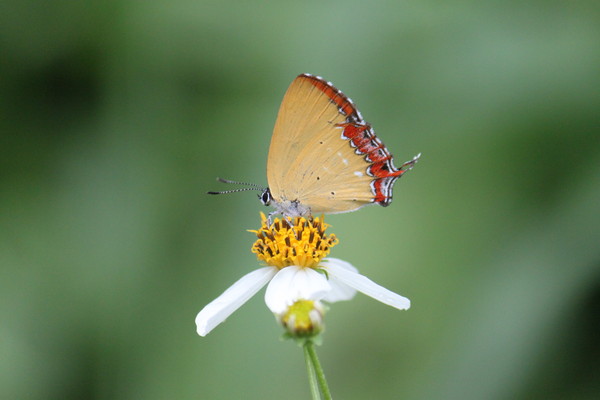
▲ Taiwan is home to about 400 species of butterflies, and more than one-third of them can be seen within New Taipei City. (Photo / Provided by the New Taipei City Government Agriculture Bureau)
Travel Center / Comprehensive Report
Taiwan is known as the “Butterfly Kingdom,” where butterflies can be spotted all year round. Want to know what to keep in mind when watching butterflies? Below are the “10 Questions About Butterfly Watching” from the “New Taipei City Butterfly Watching Cheat Sheet” launched by the New Taipei City Agriculture Bureau on the 17th, which will help you better understand what to pay attention to during butterfly watching. Not sure how to plan your holiday? Hurry up and head out with family and friends to enjoy nature and the joy of dancing with butterflies.
1. What kinds of butterflies can be found in New Taipei City?
Taiwan is home to about 400 species of butterflies, and more than one-third of them can be seen in New Taipei City, including commonly seen species from the Papilionidae (swallowtails), Pieridae (whites and sulfurs), Lycaenidae (blues), Nymphalidae (brush-footed butterflies), and Hesperiidae (skippers) families.
2. What are the protected butterfly species in Taiwan?
Protected butterfly species in Taiwan include the Swallowtail butterfly (Agehana maraho), Common Birdwing (Troides helena formosana), Yellow Coster (Acraea issoria), Mother-of-Pearl Butterfly (Argyreus hyperbius), and Purple Crow Butterfly (Sasakia charonda).
3. What butterflies are commonly seen in urban areas of New Taipei City?
Many street trees in urban areas serve as host plants for butterflies. For example, camphor trees are the host plants for the Yellow Spotted Cattleheart, Broad Green-banded Swallowtail, Green-banded Swallowtail, Ascension Swallowtail, and Taiwanese Swallowtail; cinnamon trees for the Common Mormon, Broad Green-banded Swallowtail, and Green-banded Swallowtail; cherry blossoms for the Pale Grass Blue and Pygmy Blue; golden shower trees for the Pale Grass Blue, Lemon Emigrant, Taiwanese Grass Yellow, and Pygmy Blue; and banyan trees for the Common Gull, Purple Crow Butterfly, and Stone Wall Butterfly... and more.
4. Why shouldn’t you enter grasslands when watching butterflies?
Because wild grasses or leaves may be food for butterfly larvae, and snakes are also likely to appear. To protect butterfly reproduction and your own safety, try not to enter grasslands or forests.
5. Why shouldn’t you leave trash when watching butterflies?
Trash can affect your mood and the quality of your butterfly watching experience. Litter pollution can also harm the ecological environment, affecting the growth of butterfly host plants and nectar plants, indirectly impacting the survival and reproduction of butterflies.
6. Why shouldn’t you catch butterflies?
Butterflies that have been touched by humans can easily have their wings broken or scales fall off, affecting their flight, mating, and reproduction. They may also die from fright.
7. What clothes should you wear when watching butterflies?
Butterflies are often found in mountainous areas, by streams, or in forests. It’s recommended to wear long sleeves and pants to prevent mosquito bites, and closed-toe shoes—avoid sandals or flip-flops to prevent snake bites and falls.
8. What is the best time for butterfly watching?
As long as the weather isn’t windy, rainy, extremely cold, or low in temperature, you won’t have trouble finding butterflies. The ideal time for butterfly watching is during the morning hours from spring to autumn.
9. Can you see butterflies on rainy days?
Butterflies are more active in warm, sunny weather, but they hide under leaves when it rains. Their wings get wet and they avoid flying to prevent damage. After heavy rain, when temperatures rise again, butterflies become active once more.
10. How can you take beautiful photos of butterflies?
Use a tripod. The best times to take photos are when butterflies are resting on flowers or laying eggs.
Related Links:New Taipei City Butterfly Watching Cheat Sheet
Share
This article is published by HowToTrip. Sharing and reposting are welcome — please credit the source.
Article URL: https://www.howtotrip.net/views-10578
Related Articles
- Shaoxing's "Grandpa Gourd" hangs the gourds back up: "If there are too many people, we'll interact less — just take a quick look from afar"
- Chinese authorities announce "reciprocal adjustment" to Japan visa fees — single-entry visa jumps from 2,250 to 16,750 yen!
- The "health stones" carried by a traveler were found to have radiation levels exceeding safety limits by a thousand times, potentially endangering fellow passengers on the same flight. Customs issues warning!
- Shenzhen Airport Issues Late-Night Notice: Unidentified Aerial Object Detected, Causing Widespread Flight Delays!
- “They only said it cost money after I opened the box and washed it!” 200g of grapes sold for 60 yuan on a high-speed train—12306 responds!
- Can't buy an airline ticket? Denied exit? Blocked from boarding? A large number of Chinese tourists have mysteriously become "discredited individuals"
- Adverse weather and economic fluctuations impact Colombia's coffee market
- Beach bathing area responds to 2 yuan/30 seconds fee for freshwater foot rinsing: Clearly priced!
- Taking off with an improperly closed cabin door? Wing malfunction? Multiple flights made emergency returns mid-journey!
- Experience the gifts of nature! A countdown of the world’s ten most stunning coastlines