Japanese 4.5 cm hornets are super terrifying—bugs and animals you must watch out for when traveling
By Rita
Besides worrying about theft, the next biggest concern while traveling is getting sick or injured. Once your health is compromised, the whole trip can easily be ruined. In fact, many attractions hide potential dangers, such as dangerous animals or insects. If you plan to go into the wild, you should be even more cautious.The UK’s Daily Mail has compiled a list of toxic and dangerous animals around the worldThis article highlights several regions frequently visited by Taiwanese travelers—upcoming travelers, please pay extra attention.

▲ Toxic and dangerous creatures: Hornets (Photo/Wikipedia)
1. Japan: Giant hornets, blue-ringed octopus
Japan is home to the world’s largest hornets, with the biggest growing up to 4.5 cm long and being extremely aggressive. Each year, around 30–40 people die from hornet stings. How can you avoid such tragedy? First, stay away from their nests to prevent mass attacks—but like most animals, they generally won’t attack unless provoked. If one does show signs of attacking, don’t run, as movement will only excite it. Try to stay low to the ground and freeze all movement. Cover your head with something.
The sea around Japan also poses risks. Although blue-ringed octopuses are small, they can be deadly—their venom can kill dozens of adults within minutes. Since octopuses usually flee when encountering humans, they will only fight back if attacked. Though the wound is tiny and painless, it is fatal, and there’s currently no antivenom available for their sting.

▲ Toxic and dangerous creatures: Jellyfish (Photo/Wikipedia)
2. Australia: Box jellyfish, saltwater crocodiles
Saltwater crocodiles are found in Australia and Southeast Asia, with some reaching up to 6 meters in length. They kill prey by swallowing them whole, and about two people die from crocodile attacks each year.
Box jellyfish can kill a person in under five minutes and are among the world’s most dangerous animals. Their venom is the main cause of death, directly attacking the heart, nervous system, and skin cells. Victims often go into shock and drown or suffer cardiac arrest before reaching shore. How to avoid? Stay out of unsafe waters and follow local advice.
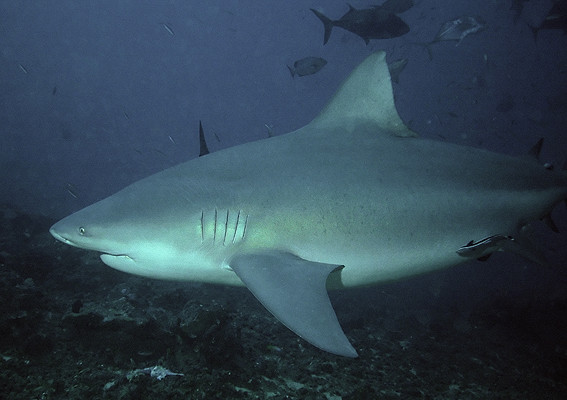
▲ Dangerous creature: Bull shark (Photo/Wikipedia)
3. USA: Grizzly bears, bull sharks
Grizzly bears are extremely fast and often hunt elk, so never stare at them—as it signals a threat to them. If you encounter a grizzly, try to slowly back away, as they generally do not chase humans.
Bull sharks are highly aggressive and are among the few shark species that attack humans. However, like great white sharks, they don’t actually like the taste of humans—the attacks are mostly out of curiosity.

▲ Toxic and dangerous creatures: Vipers (Photo/Wikipedia)
4. Europe: Hornets, vipers (asp viper)
Hornet nests in Europe typically house 200–400 hornets, so once disturbed, you’re facing a large counterattack. Getting stung by a hornet is very painful, though not usually fatal. Their nests can sometimes be found in tree hollows, on rooftops, or even underground.
Vipers inhabit southwestern parts of Spain, Italy, France, Switzerland, and Germany. They mainly feed on lizards and small birds. Their venom has about a 4% fatality rate, and bites are more dangerous for children or the elderly.
Share
This article is published by HowToTrip. Sharing and reposting are welcome — please credit the source.
Article URL: https://www.howtotrip.net/views-10191
Related Articles
- Shaoxing's "Grandpa Gourd" hangs the gourds back up: "If there are too many people, we'll interact less — just take a quick look from afar"
- Chinese authorities announce "reciprocal adjustment" to Japan visa fees — single-entry visa jumps from 2,250 to 16,750 yen!
- The "health stones" carried by a traveler were found to have radiation levels exceeding safety limits by a thousand times, potentially endangering fellow passengers on the same flight. Customs issues warning!
- Shenzhen Airport Issues Late-Night Notice: Unidentified Aerial Object Detected, Causing Widespread Flight Delays!
- “They only said it cost money after I opened the box and washed it!” 200g of grapes sold for 60 yuan on a high-speed train—12306 responds!
- Can't buy an airline ticket? Denied exit? Blocked from boarding? A large number of Chinese tourists have mysteriously become "discredited individuals"
- Adverse weather and economic fluctuations impact Colombia's coffee market
- Beach bathing area responds to 2 yuan/30 seconds fee for freshwater foot rinsing: Clearly priced!
- Taking off with an improperly closed cabin door? Wing malfunction? Multiple flights made emergency returns mid-journey!
- Experience the gifts of nature! A countdown of the world’s ten most stunning coastlines