A Timeless Classic: The Art of Yakitori at Laoban Kuai
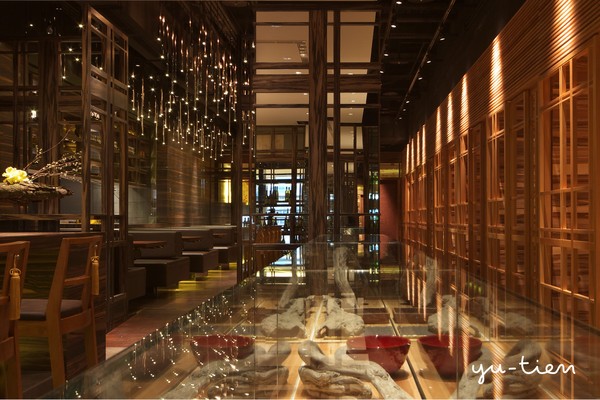
Text & Photos by Yu Tian
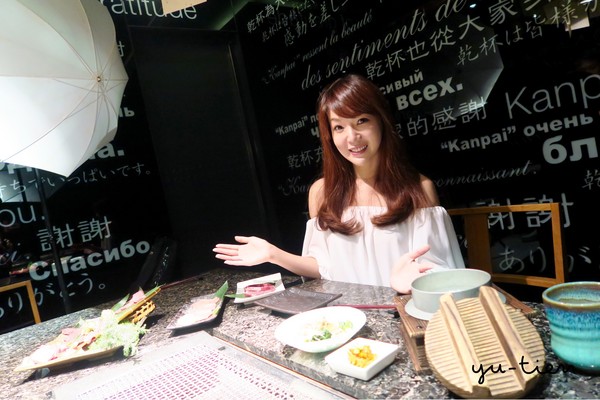
Back when I worked in an international firm, every time we hosted visiting German colleagues from Europe, I’d insist we go out for yakitori in the evening and shout “Kanpai!” Europeans love pairing meals with wine, and the drinking culture at the Kanpai BBQ chain struck them as novel and fun. Despite the lively noise, the experience was always warm and bustling. From the store-wide toast at set times to the romantic gesture of a complimentary dish for couples sharing a kiss, the vibrant interactions and friendly service left a vivid first impression of Laoban Kuai’s yakitori.
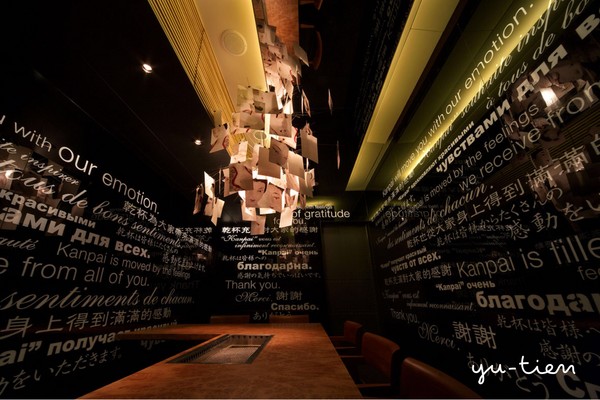
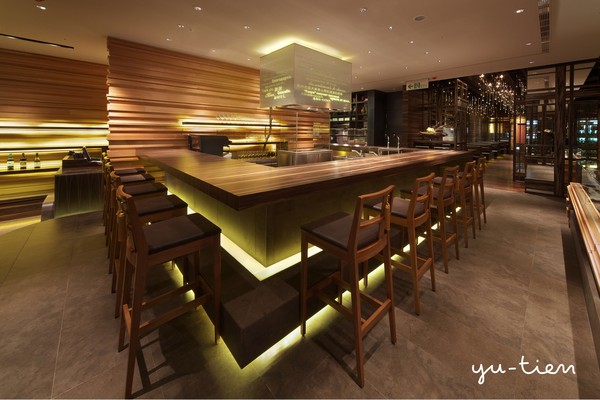
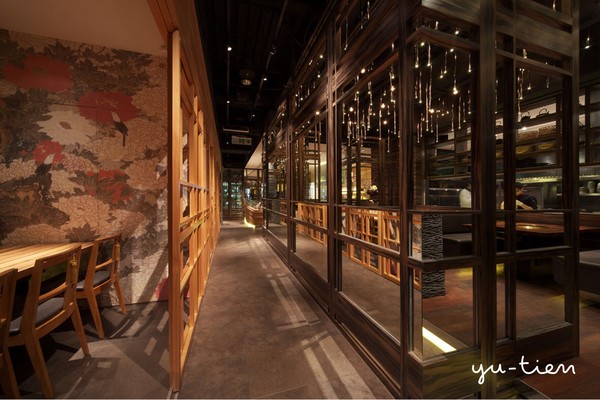
Among the Kuai Ban Group, Laoban Kuai stands out as my top pick for refined, high-end yakitori restaurants. I’ve heard people say that dating and eating yakitori don’t mix because of the smell and grease, but Laoban Kuai’s dining environment puts all such worries to rest. The space is bright and spacious—unlike the dimly lit, hard-to-see corners of typical yakitori joints where even a bit of grease would be obvious at a glance. The plating, meat grading, and even the training and service capabilities of the staff are all subject to strict oversight and high standards.
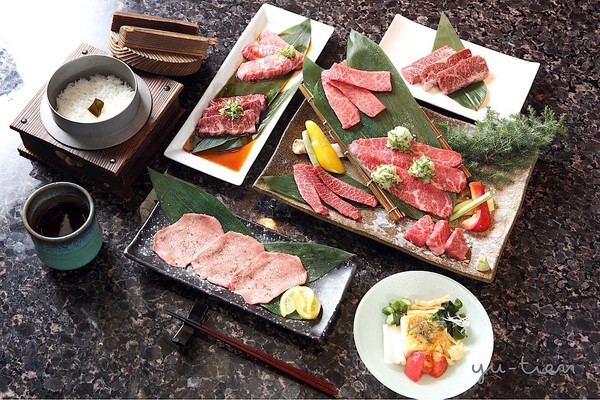
▲ To be honest, aside from the beef, my personal favorite on this entire table is the Japanese donabe rice in the upper left corner. The Japanese hold rice in such high regard that their meticulous rice-cooking culture yields truly exceptional plain white rice.
Today’s Mission — Tasting Beef
Today at Laoban Kuai, I’m here to deepen my understanding of premium beef, carefully savoring the unique textures of different cuts and how they pair with various seasonings.
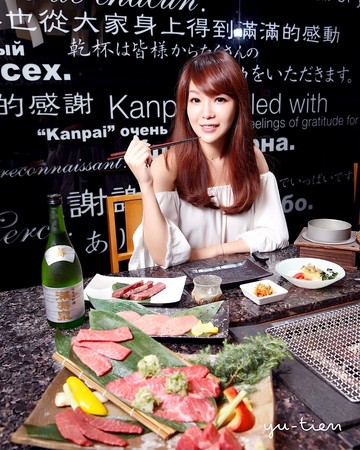
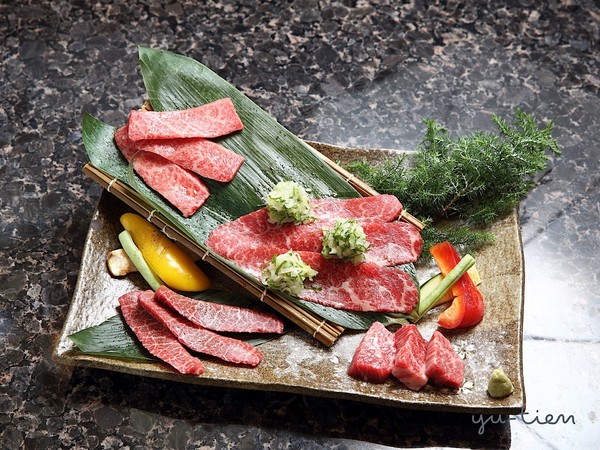
▲ Premium Beef Art Platter; the presentation is thoughtfully arranged, showcasing a distinctly Japanese aesthetic.
Savoring Wagyu with Care
A cow has roughly 20–30 different cuts, and today we’re trying the premium sections most beloved by foodies. Be sure to rinse your palate before savoring each one. Next time you visit, try ordering my recommended cuts and compare your own tasting notes.
The beef at Laoban Kuai is wet-aged for 40 days. Many might find that surprising—won’t raw beef spoil after 40 days? Actually, no. Low-temperature aging locks in the proteins in the meat, and over time, enzymes break down those proteins into beneficial amino acids, enhancing flavor and tenderizing the texture.
Starting with the rare beef tongue root (my No. 1 ordered pick by Yu Tian)
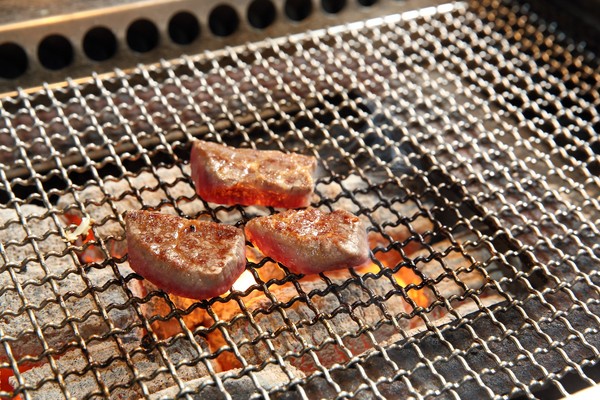
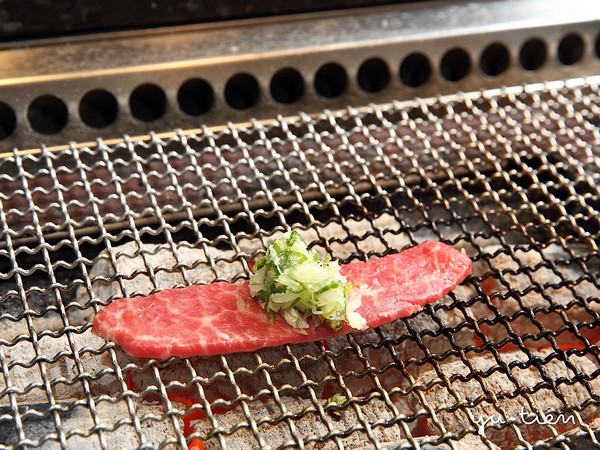
Only two portions of about six slices each can be carved from a single cow—the “Laoban Kuai Exclusive Wet-Aged Refrigerated Beef Tongue” is my absolute favorite from this whole meal. Its pinkish hue makes it look almost like pork. Most yakitori shops serve tongue from the front section, which tends to be tougher, but the back root has less movement and more marbling. True tongue connoisseurs care deeply about color—paler, whiter tones mean better taste. The cow’s hind tongue root, served with Italian rock salt and lemon, is skinned before cooking, resulting in an incredibly smooth, slippery yet still bouncy texture in the mouth.
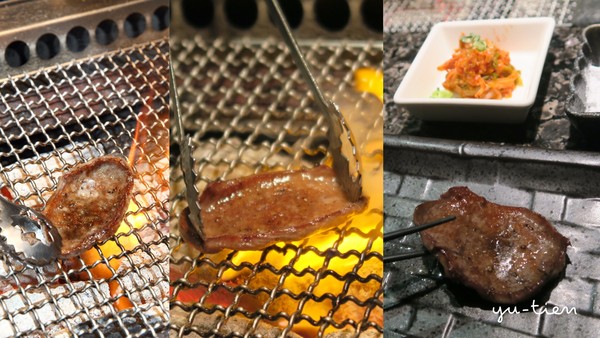
Recommended No. 2: Boneless Short Rib
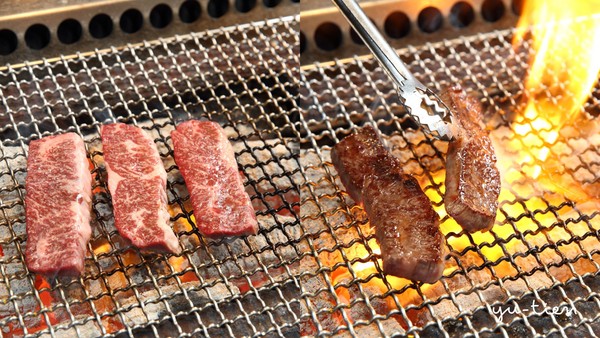
When grilling boneless short ribs, the chef advises laying the slices side by side for easy flipping. Boneless short ribs are the king of grilled meats—rich in fat with fine marbling, they retain their juices beautifully and pair wonderfully with lemon.
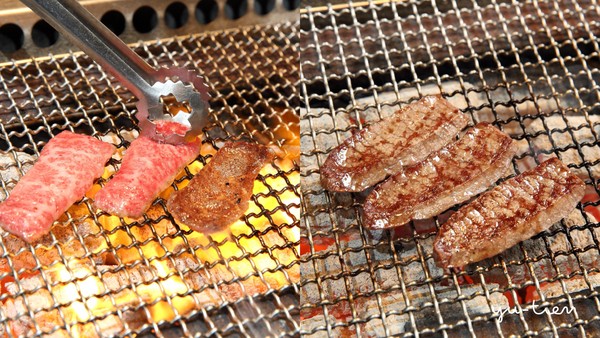
Recommended No. 3: Oyster Blade (Favored by Southern Diners)
A Southern favorite, oyster blade isn’t as fatty and has a heartier, more robust beef flavor—definitely a top pick for discerning wagyu lovers who appreciate quality.
No. 4: Thick-Cut Diaphragm
In Japan, the diaphragm is classified as offal. With its even 50/50 ratio of fat to lean, it’s the expert-recommended cut for female diners. Located between the abdominal and thoracic cavities, it has a stronger seasoning profile, enhanced here with barbecue sauce.
No. 5: Flank
The belly area is the fattiest part of the cow, akin to tuna’s toro—arguably the tastiest section. Though rich, it’s not greasy, with a sweet, delicate flavor. Being close to the internal organs, it pairs well with bold sauces.
Donabe Rice
Each grain of rice is individually steamed—each scoop of this donabe rice is fluffy, shiny, and made with premium Japanese short-grain rice. The Japanese tradition of revering rice really shines in this simple yet meticulously prepared dish.
The Balanced Order of a Connoisseur
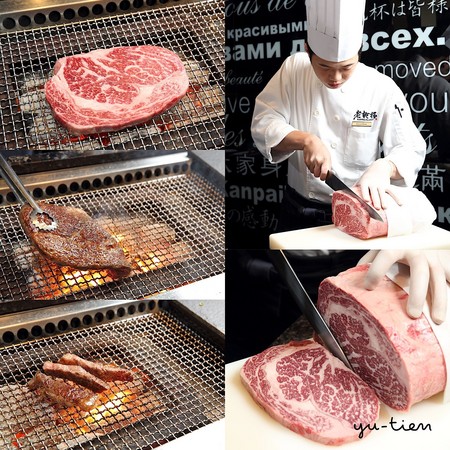
You might be surprised to learn that, according to yakitori chain statistics, the average person eats only about 130 grams of beef per meal—roughly 30% of their total order. But not the Japanese—they’ll eat wagyu from start to finish with true dedication, a reflection of their focused national character. Taiwanese diners, on the other hand, prefer a balanced mix—pairing seafood, vegetables, or creative sides to avoid monotony. If you’re not drinking alcohol with your wagyu, tea is a great choice, while red wine or ginjo sake make excellent pairings. At Laoban Kuai, even the serving sequence is thoughtfully curated: dishes progress from light to rich, with alternating thin and thick slices of beef for optimal enjoyment. Laoban Kuai sources Australian wagyu graded 1–12, serving grades 8–9 as standard, with occasional 9+ premium cuts available—be sure to ask in advance when making a reservation. The beef here undergoes wet-aging (refrigerated aging), kept chilled during transport and aged for 40 days. Before grilling, it’s brought to room temperature without rapid defrosting to preserve juiciness. Coupled with its impeccable dining setting and service, Laoban Kuai delivers the highest-quality interpretation of grilled cuisine. This classic gem is absolutely worth recommending to everyone.
Follow the Author ‘Yu Tian’:
Facebook Page %亥杭a href="https://www.facebook.com/yutien121">Yu Tian
Blog %亥杭a href="http://yutien121.blogspot.tw">Tian’s Art Gallery
Share
This article is published by HowToTrip. Sharing and reposting are welcome — please credit the source.
Article URL: https://www.howtotrip.net/views-10096
Related Articles
- Shaoxing's "Grandpa Gourd" hangs the gourds back up: "If there are too many people, we'll interact less — just take a quick look from afar"
- Chinese authorities announce "reciprocal adjustment" to Japan visa fees — single-entry visa jumps from 2,250 to 16,750 yen!
- The "health stones" carried by a traveler were found to have radiation levels exceeding safety limits by a thousand times, potentially endangering fellow passengers on the same flight. Customs issues warning!
- Shenzhen Airport Issues Late-Night Notice: Unidentified Aerial Object Detected, Causing Widespread Flight Delays!
- “They only said it cost money after I opened the box and washed it!” 200g of grapes sold for 60 yuan on a high-speed train—12306 responds!
- Can't buy an airline ticket? Denied exit? Blocked from boarding? A large number of Chinese tourists have mysteriously become "discredited individuals"
- Adverse weather and economic fluctuations impact Colombia's coffee market
- Beach bathing area responds to 2 yuan/30 seconds fee for freshwater foot rinsing: Clearly priced!
- Taking off with an improperly closed cabin door? Wing malfunction? Multiple flights made emergency returns mid-journey!
- Experience the gifts of nature! A countdown of the world’s ten most stunning coastlines