Pray for academic success – must-visit Kita Shrine in Kyoto for autumn leaves and ginkgo trees
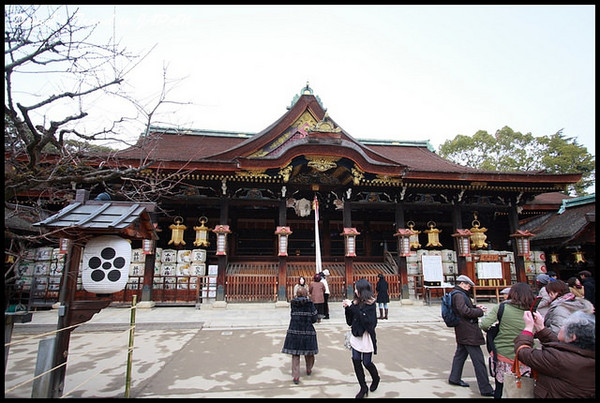
Text/Photos byXiao Sheng
Kita Shrine, primarily dedicated to the deity of scholarship Sugawara no Michizane, is frequented by visitors praying for good luck in exams. I once came here myself when preparing for an exam.
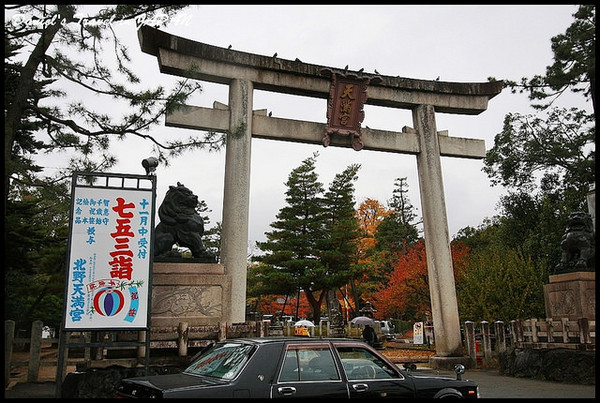
I’ve visited Kita Shrine twice. The first time was for the stunning maple leaves near the shrine’s earthworks, and the second was in winter. At that time, I had heard that the plum blossoms were in full bloom, but when I arrived, there were none to be seen XD. So, I ended up just doing the shrine visit. To get to Kita Shrine, you can take the Keifuku Electric Railway’s Kitano Line to Kitano-Hakubaicho, but I find this route a bit inconvenient, so I usually take the bus instead—routes 50, 101, or 203 all go to the shrine.
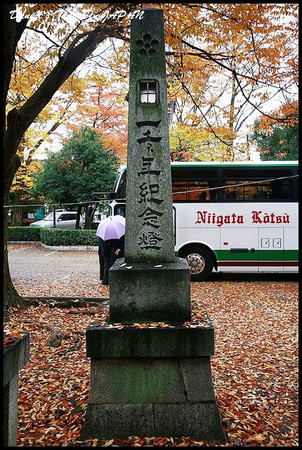
Built in 947 AD, Kita Shrine is a historic site with over a thousand years of history. A stone monument commemorating the “Millennium Commemoration Lantern” stands within the shrine grounds. It primarily enshrines Sugawara no Michizane, an eminent scholar of Japan’s Heian period. There are about 12,000 shrines across Japan dedicated to Michizane, but Kita Shrine is the head shrine—the origin of them all.
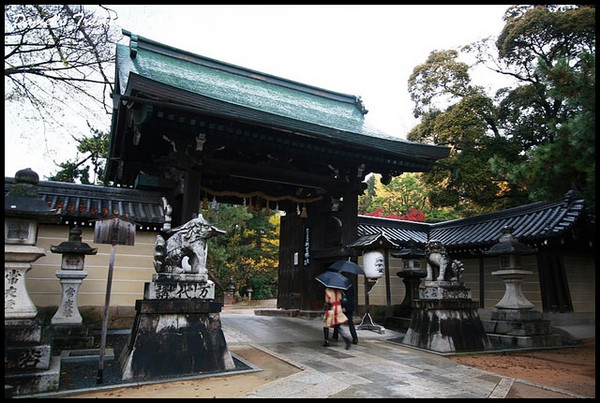

Legend has it that Michizane was falsely accused and exiled, eventually dying in despair. After his death, several strange occurrences plagued Kyoto, including the death of a prince and a lightning strike on the Seiryoden Hall that caused multiple casualties. These were believed to be the vengeful acts of Michizane’s spirit. In the end, he was pardoned and posthumously honored with a high official rank, and Kita Shrine was built in his honor.
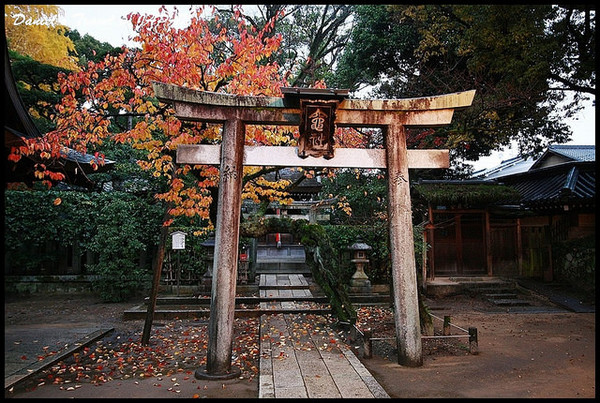
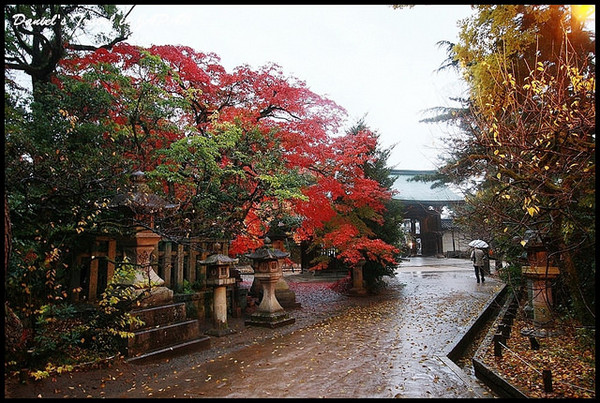
Most of the maple leaves are located around the earthworks, but there are also some within the shrine’s main grounds. Though not many, they add to the classic, timeless atmosphere.
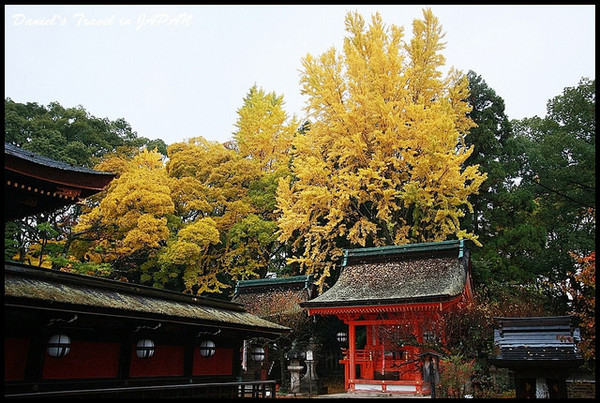
This prominent and eye-catching ginkgo tree at the shrine is also in full bloom. In fact, within Kita Shrine, the ginkgo trees are even more eye-catching than the maple leaves.
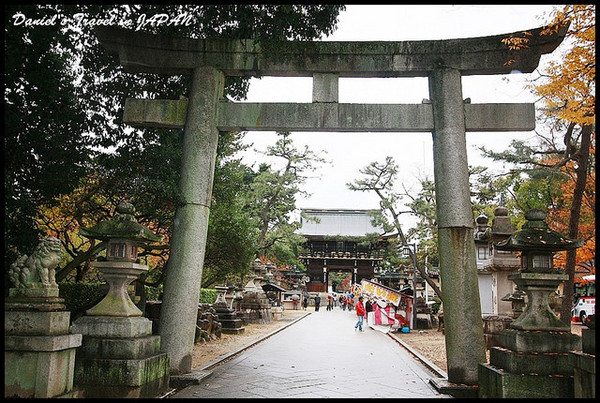
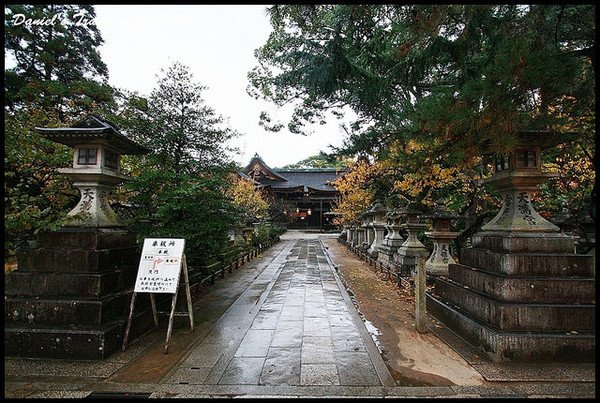
The first time I came to Kita Shrine was because the itinerary was planned by a friend, and the second reason was that my exam was only a month away, so I figured I’d come and pray (studying for exams and still traveling abroad XD). The second time was to see the plum blossoms, but the plum garden wasn’t open yet. The purposes and seasons were different both times, but the outcome was equally disappointing (残念)!
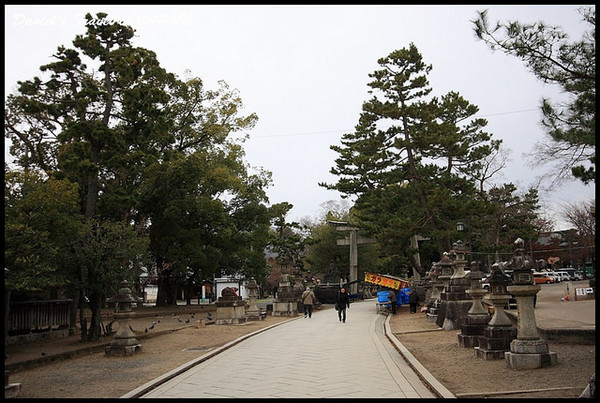
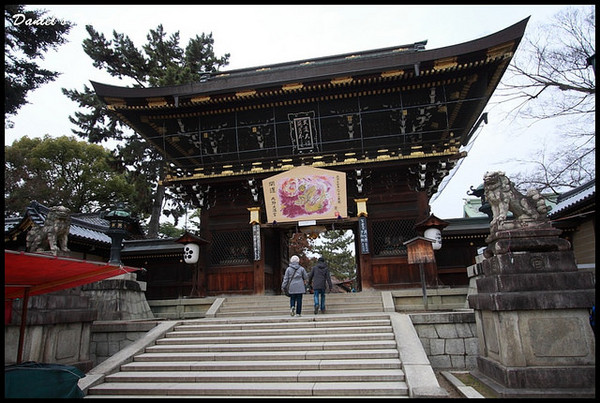
The Romon Gate looks completely different in winter compared to autumn. Everything is barren, giving off a unique kind of beauty. At that time, snowflakes started falling from the sky. Though they melted as soon as they touched my hands due to body heat, seeing snow for the first time still filled us with excitement.
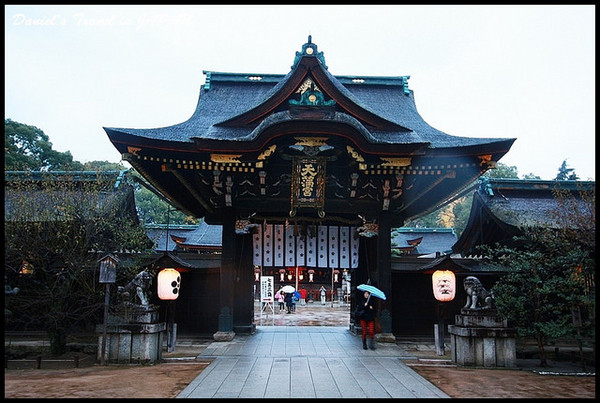
The Sankomon Gate: As we strolled through the shrine grounds, we finally arrived at the main hall. Both the Romon Gate and the Sankomon Gate feature golden decorations, intricate carvings, and vivid colors. Back then, this dazzling and resplendent style was highly admired.
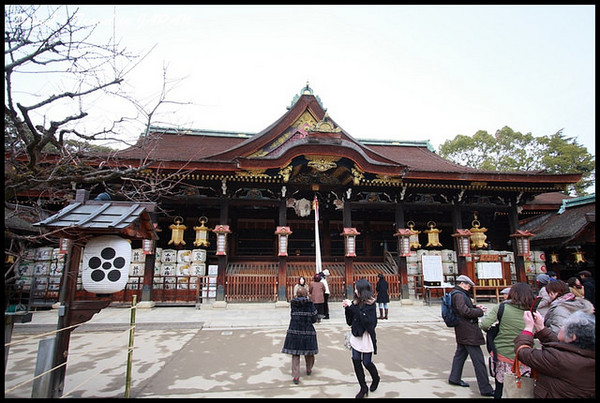
Generally, you can offer prayers freely outside the main hall. But if you’re praying for disaster prevention or, like me, for academic success, you’ll need to go inside the main hall to pray. Looking closely at Kita Shrine’s architecture, the wooden structure is adorned with golden decorations, giving off a sense of elegance and grandeur. I really like the architectural style of Kita Shrine.

The sound of the shrine bell is believed to ward off bad luck, so the first step in praying is to ring the bell. Next, bow deeply, clap your hands twice, then press your hands together to make a wish. After making your wish, bow deeply again. If you don’t know the steps, it’s okay—you can just follow what others do.
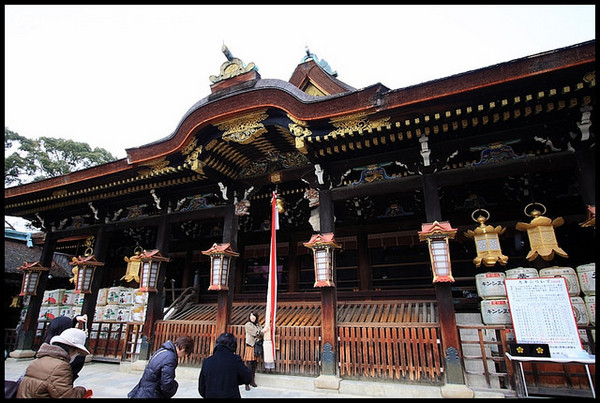
In the end, even though I prayed very sincerely for my exam, I missed passing by just a little bit. It was so disappointing (who told me to love playing so much?). Thankfully, I passed the next year and finally made up for the disappointment.
Whether Kita Shrine is “effective” or not is probably up to the individual, as personal effort also plays a big part. But aside from the maple and plum blossoms, the shrine itself is elegant and gorgeous. If you have the chance, visiting Kita Shrine is definitely a worthwhile experience.
Kita Shrine
Address: 30, Kitano Tenman-guchi, Kamigyo Ward, Kyoto, 602-8386, Japan
Opening Hours: April–September 05:00–18:00
October–March 05:30–17:30
Work and school are so boring—wish I could travel.
Download the “ETtoday News Cloud APP” and take a virtual trip with us →
iOS:https://goo.gl/rmIDdx
Android:https://goo.gl/XPe8Uj
Share
This article is published by HowToTrip. Sharing and reposting are welcome — please credit the source.
Article URL: https://www.howtotrip.net/views-9717
Related Articles
- Shaoxing's "Grandpa Gourd" hangs the gourds back up: "If there are too many people, we'll interact less — just take a quick look from afar"
- Chinese authorities announce "reciprocal adjustment" to Japan visa fees — single-entry visa jumps from 2,250 to 16,750 yen!
- The "health stones" carried by a traveler were found to have radiation levels exceeding safety limits by a thousand times, potentially endangering fellow passengers on the same flight. Customs issues warning!
- Shenzhen Airport Issues Late-Night Notice: Unidentified Aerial Object Detected, Causing Widespread Flight Delays!
- “They only said it cost money after I opened the box and washed it!” 200g of grapes sold for 60 yuan on a high-speed train—12306 responds!
- Can't buy an airline ticket? Denied exit? Blocked from boarding? A large number of Chinese tourists have mysteriously become "discredited individuals"
- Adverse weather and economic fluctuations impact Colombia's coffee market
- Beach bathing area responds to 2 yuan/30 seconds fee for freshwater foot rinsing: Clearly priced!
- Taking off with an improperly closed cabin door? Wing malfunction? Multiple flights made emergency returns mid-journey!
- Experience the gifts of nature! A countdown of the world’s ten most stunning coastlines