Is this Hong Kong? Sai Kung also has a “floating market” — plastic boxes turned into watercolor paintings
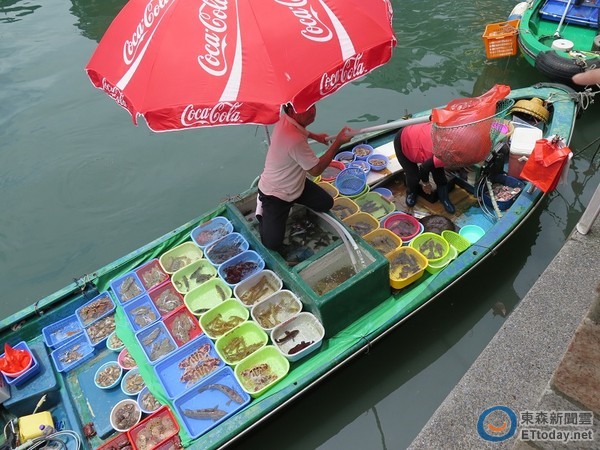
▲Hong Kong’s floating market.
Reported and photographed by You T-Ru / Hong Kong
A small boat is moored at the shore, with fishermen sitting on board, gently swaying with the occasional small wave. The red, yellow, blue, and green plastic boxes on the boat look like a colorful painting, filled with all kinds of seafood, big and small. Unless you see it with your own eyes,it’s hard to imagine that this is Hong Kong — a city so often associated with noise, crowds, and congestion — can still have such a vibrant “floating market” scene full of traditional charm.
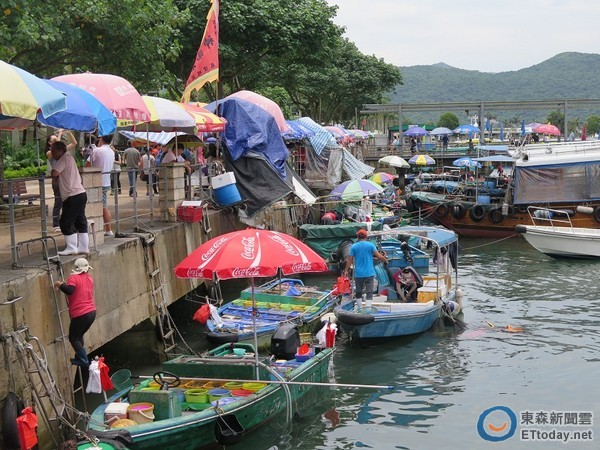
▲Fishing boats are parked along the harbor, where people can go up and down via steps, selling seafood directly from their boats.
Sai Kung in Hong Kong, also known as the “back garden of Hong Kongers,” is located in the eastern part of the New Territories. It offers both green spaces and the ocean, featuring fishing village vibes as well as geological landscapes to explore. In recent years, as international travelers delve deeper into Hong Kong, the outer district of Sai Kung has been increasingly discovered. The name “Sai Kung” originates from the idea of “western tributes,” as it was historically a place where envoys from various regions would dock their boats to pay tribute to the region.
If you’re tired of Hong Kong’s high-rise buildings, Sai Kung is indeed a worthwhile destination to visit. Unlike the crowded urban areas filled with market-like atmospheres, Sai Kung exudes a slow and leisurely vibe — not overly quiet, yet also distinct from a traditional fishing village. The reporter took a bus from Diamond Hill MTR station and arrived in Sai Kung in about half an hour. Upon getting off the bus, the smell of the sea hit them.
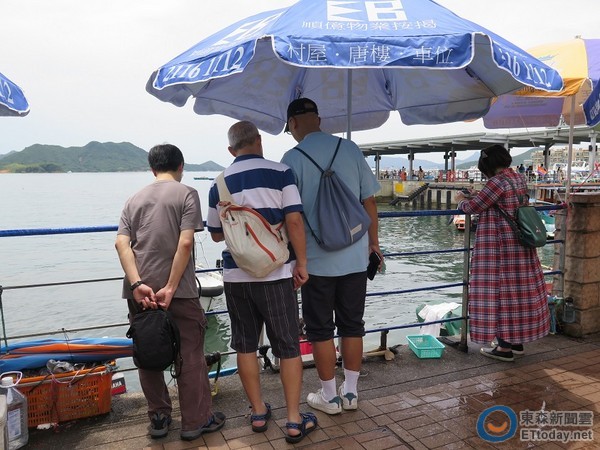
▲% Home flutter Lu Dan? Tu keyi keyi kan dao xiao ren he hai na Chi, Hai Na? Xiang gang shi le by different colors are packed and hung.
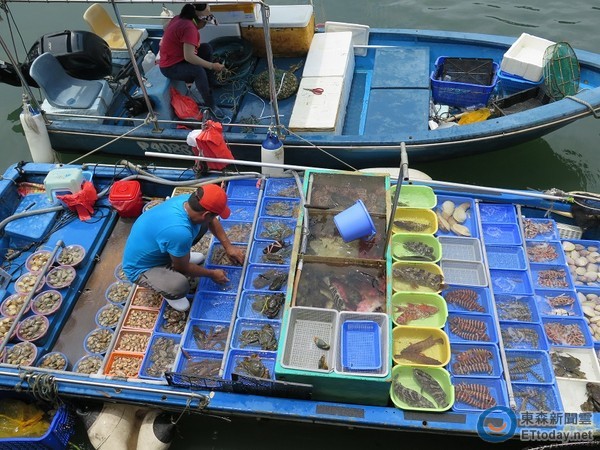
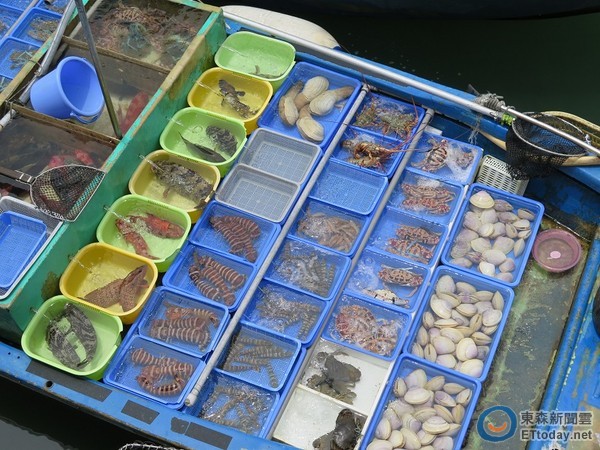
▲The plastic boxes have small holes drilled in them to let water flow — all filled with fresh seafood.
Upon getting off at the Sai Kung Bus Terminus, the first thing you’ll notice is the crowd gathered by the railing by the pier, all craning their necks to look down. This is a unique “waterscape” in Hong Kong — local fishermen display their fresh seafood on their boats, sorted by color. They sit in their small boats, gently rocking. When customers want to buy seafood, they simply point, and the fishermen ask questions. Each plastic box contains live seafood. The fishermen either scale and gut the catch or bag it directly, then scoop it up with a long fishing net and lift it up to hand it to the customer. The buyer drops the money into the net, and the transaction is complete.
Along the Sai Kung Pier, there are nearly ten boats selling seafood, each with its own regular customers. From lobsters and crabs to shellfish and fish, everything is available — even the horseshoe crab, rarely seen in Taiwan, is sold here on boats. This colorful and size-layered fish-selling scene is truly a rare “floating market” sight in Hong Kong.
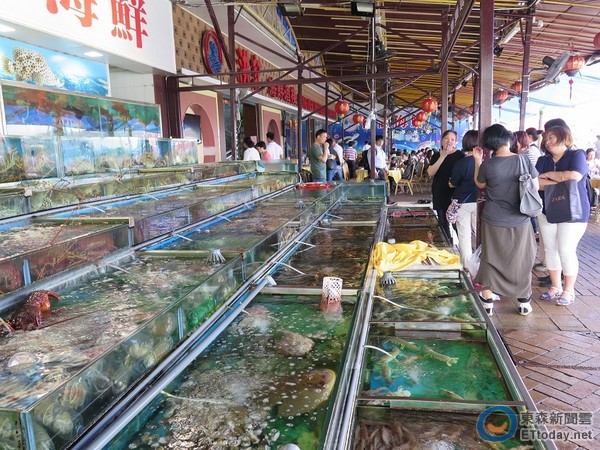
▲There are many well-known seafood restaurants around the Sai Kung area.
The Sai Kung area isn’t only worth visiting for its seafood culture. This quaint town by the sea also boasts numerous renowned seafood restaurants. It’s also the birthplace of “Maxim’s MX,” a dessert chain beloved by almost everyone in Hong Kong. Winding streets also hide several uniquely styled cafes that are definitely worth exploring.
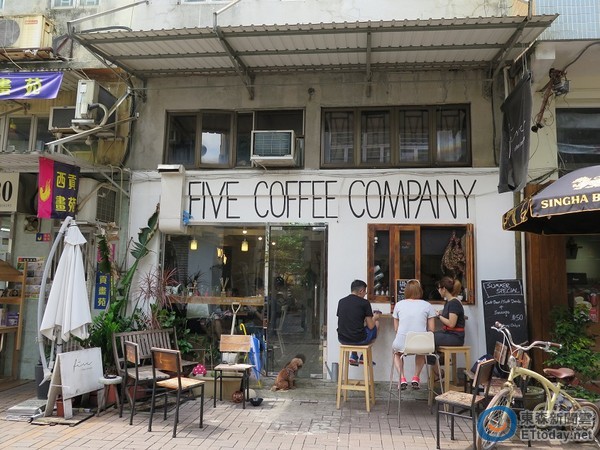
▲There are also plenty of cafes with a strong hipster vibe.
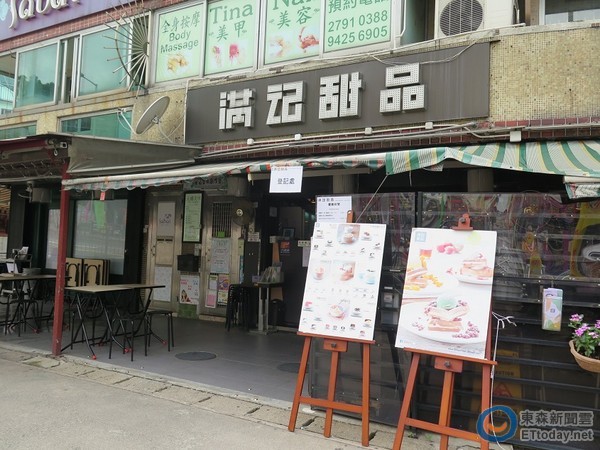
▲% Ji zai yi jia du chong qiao, er qie cong lai cai ye shi bao cui. 
Share
This article is published by HowToTrip. Sharing and reposting are welcome — please credit the source.
Article URL: https://www.howtotrip.net/views-6648
Related Articles
- Shaoxing's "Grandpa Gourd" hangs the gourds back up: "If there are too many people, we'll interact less — just take a quick look from afar"
- Chinese authorities announce "reciprocal adjustment" to Japan visa fees — single-entry visa jumps from 2,250 to 16,750 yen!
- The "health stones" carried by a traveler were found to have radiation levels exceeding safety limits by a thousand times, potentially endangering fellow passengers on the same flight. Customs issues warning!
- Shenzhen Airport Issues Late-Night Notice: Unidentified Aerial Object Detected, Causing Widespread Flight Delays!
- “They only said it cost money after I opened the box and washed it!” 200g of grapes sold for 60 yuan on a high-speed train—12306 responds!
- Can't buy an airline ticket? Denied exit? Blocked from boarding? A large number of Chinese tourists have mysteriously become "discredited individuals"
- Adverse weather and economic fluctuations impact Colombia's coffee market
- Beach bathing area responds to 2 yuan/30 seconds fee for freshwater foot rinsing: Clearly priced!
- Taking off with an improperly closed cabin door? Wing malfunction? Multiple flights made emergency returns mid-journey!
- Experience the gifts of nature! A countdown of the world’s ten most stunning coastlines