Panning for Gold & Exploring Tunnels at Jinguashi – A Regal Tour of the Gold Ecological Park
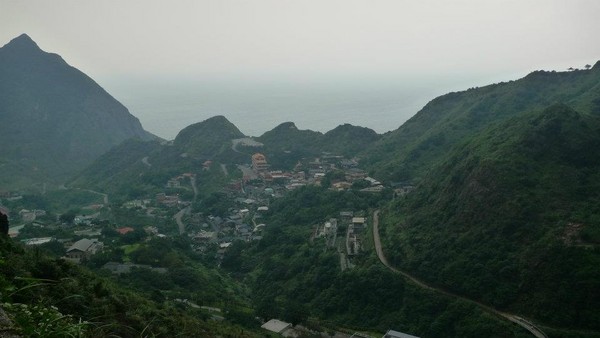
▲Ruifang District in New Taipei City boasts breathtaking landscapes, and the Gold Ecological Park in Jinguashi is a top travel hotspot. (Photo courtesy of netizen Yuching)
Travel Center / Feature Report
When visiting Ruifang in northern Taiwan, many tourists make a beeline for the “Gold Ecological Park.” Nestled within the mountain town of Jinguashi, this park is Taiwan’s first ecological museum, celebrated for its stunning scenery and rich cultural history — making it a perfect educational and entertaining destination for families.
The Gold Ecological Park features numerous exhibition halls. The “Gold Museum,” aptly named, showcases the mining history and related artifacts of the Jiufen and Jinguashi areas. Exhibits include tunnel models, inclined shaft cableway diagrams, mining tools and miners’ gear, POW camps, and various aspects of gold. The star attraction is undoubtedly the park’s prized treasure — a 220-kilogram, 999-purity solid gold brick. This massive gold brick set a Guinness World Record in 2004, and every visitor can touch it for good luck. On the third floor of the Gold Museum, kids will love the “Gold Panning Experience,” where they can try their hand at sifting for gold flakes. The park even provides small bottles for visitors to take their findings home as souvenirs.
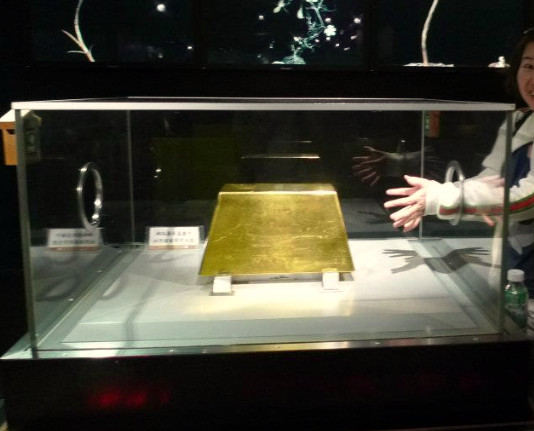
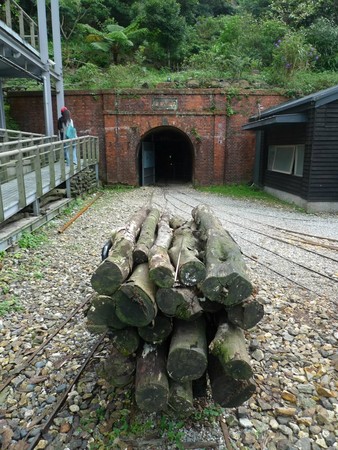
▲(Left photo) The 220kg 999-purity gold brick is the park’s treasured centerpiece. (Right photo) The Gold Ecological Park preserves glorious remnants of its mining past. (Photo courtesy of netizen Yuching)
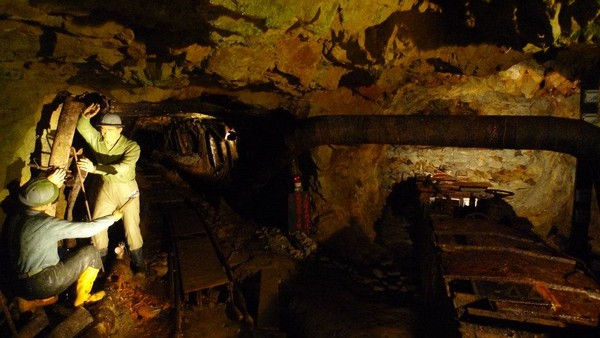
▲The “Benshan No. 5 Tunnel” experience lets visitors immerse themselves in Jinguashi’s mining heritage. (Photo courtesy of netizen Yuching)
Another must-do is exploring the mysterious world inside the “Benshan No. 5 Tunnel.” Following the same procedures as miners of old, visitors don helmets to venture into the tunnel and discover the lives of mining workers. Stretching 180 meters, the tunnel feels like a time tunnel, allowing modern-day visitors to sense the prosperity Jinguashi once enjoyed.
After the tunnel tour, head to the nostalgic “Four-Unit Japanese-Style Building.” During the Japanese colonial period, this structure served as staff dormitories for Japanese employees, with four units under one roof — a rare sight in Taiwan today. Each unit had its own entrance, kitchen, bathroom, and toilet, along with front and back gardens. The interior mainly used Taiwanese cypress, and the spatial design reflects Japanese living characteristics: flexible room arrangements, modular dimensions based on tatami mats, and an emphasis on harmony with nature through materials like bamboo, clay, and wood — all blending the living space seamlessly with the environment.

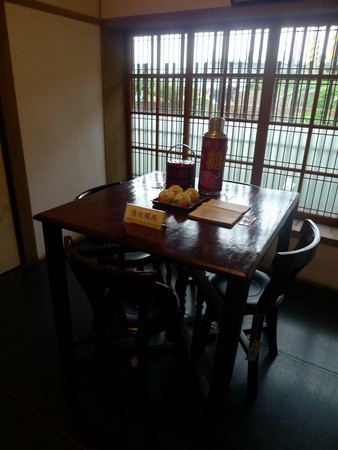
▲The “Four-Unit Japanese-Style Building” preserves the domestic decor of the Japanese colonial era, exuding a strong vintage charm. (Photo courtesy of netizen Yuching)
Not far away, the “Crown Prince’s Villa in Jinguashi” is also worth a visit. Built in 1922 for Japan’s Crown Prince, this nearly century-old structure was designated as a New Taipei City municipal historic site on March 14, 2007. Lush trees surround the villa for privacy, and its elevated position offers stunning views of the Shuinandong coastline from its windows. This classic example of high-end Japanese architecture mainly uses cypress wood and includes a Western-style lounge for leisure. The spacious northern side features a beautifully landscaped Japanese garden, while the southern side has a mini-golf course and archery range, making it one of Taiwan’s finest surviving wooden Japanese buildings. Currently, the surrounding garden area is open to the public.
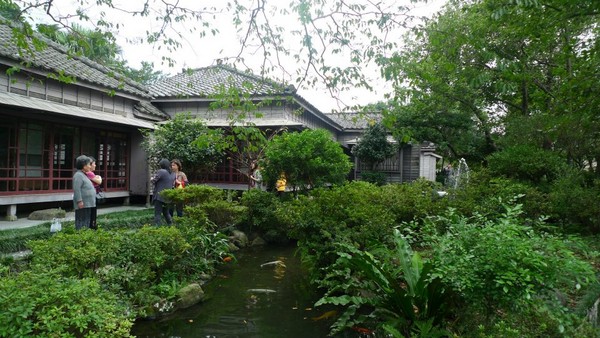
▲The municipal historic site “Crown Prince’s Villa in Jinguashi” enjoys a serene setting, with its surrounding garden area open to visitors. (Photo courtesy of netizen Yuching)
Additionally, you can visit the theater exhibition hall in the “Gold Refining Building” to enjoy animated stories about miners blended with live-action elements. The theater also displays a wealth of mining tools and historical documents, offering insight into the origins of gold mining. Nearby geological parks, the Jinguashi Shrine, Teapot Mountain, and the Golden Waterfall are also popular among tourists. A weekend trip to Ruifang for a golden adventure is sure to leave you with joyful memories.
Gold Ecological Park Information
Address: No. 8, Jinguang Road, Jinguashi, Ruifang District, New Taipei City
Opening Hours: Monday to Friday: 9:30 AM – 5:00 PM
Saturday & Sunday: 9:30 AM – 6:00 PM
Admission: Free (excluding experience activities); special cases subject to official notices.
Closed:
The first Monday of each month (open if it falls on a public holiday, closed the following day), Lunar New Year’s Eve, Lunar New Year’s Day, election days, days announced by the government for natural disasters, and other necessary closures will be announced separately.
Experience Activities
Tunnel Experience: NT$50
Ticket Location: Benshan No. 5 Tunnel Ticket Booth
Duration: Approx. 15 minutes (depending on individual pace)
Note: Fees include materials and insurance
Gold Panning Experience: NT$100
Session Times: 10:30 AM, 11:30 AM, 1:30 PM, 2:30 PM, 3:30 PM
Ticket Location: Side Ticket Booth of the Gold Museum
Meeting Point: Side of the Gold Museum
Activity duration: approximately 30 to 40 minutes per session
Capacity: limited to 50 people per session
Note: The experience fee includes material costs. Please purchase your ticket and arrive at the meeting point at least 15 minutes before the session begins.
For more details, please contact the “Gold Ecological Park” at (02) 2496-2800.
Share
This article is published by HowToTrip. Sharing and reposting are welcome — please credit the source.
Article URL: https://www.howtotrip.net/views-28159
Related Articles
- Shaoxing's "Grandpa Gourd" hangs the gourds back up: "If there are too many people, we'll interact less — just take a quick look from afar"
- Chinese authorities announce "reciprocal adjustment" to Japan visa fees — single-entry visa jumps from 2,250 to 16,750 yen!
- The "health stones" carried by a traveler were found to have radiation levels exceeding safety limits by a thousand times, potentially endangering fellow passengers on the same flight. Customs issues warning!
- Shenzhen Airport Issues Late-Night Notice: Unidentified Aerial Object Detected, Causing Widespread Flight Delays!
- “They only said it cost money after I opened the box and washed it!” 200g of grapes sold for 60 yuan on a high-speed train—12306 responds!
- Can't buy an airline ticket? Denied exit? Blocked from boarding? A large number of Chinese tourists have mysteriously become "discredited individuals"
- Adverse weather and economic fluctuations impact Colombia's coffee market
- Beach bathing area responds to 2 yuan/30 seconds fee for freshwater foot rinsing: Clearly priced!
- Taking off with an improperly closed cabin door? Wing malfunction? Multiple flights made emergency returns mid-journey!
- Experience the gifts of nature! A countdown of the world’s ten most stunning coastlines