The "Magical Xianying Palace" that Attracts Butterflies and Frogs Preserves Nearly a Thousand Years of Chinese Historical Relics
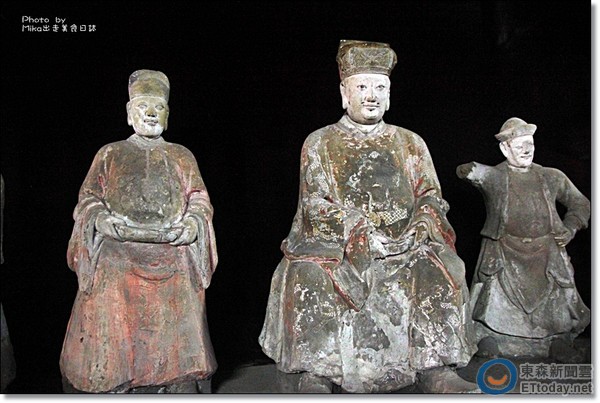
▲ The clay sculptures unearthed at Xianying Palace gradually faded over time.
Photos and Text /MIKA’s Food Adventure Journal
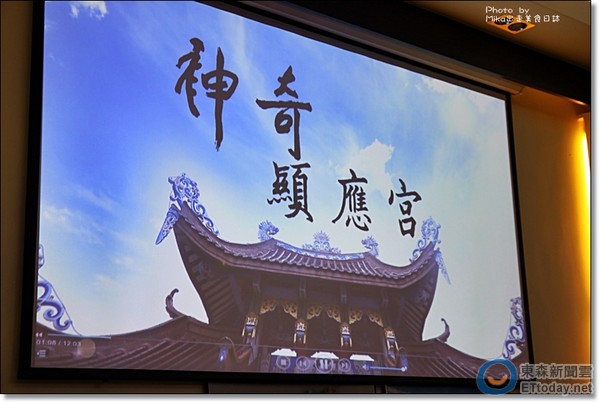
During my visit to Fuzhou, Fujian, besides visiting the Yunding Tianchi, there was another place that I found truly magical — the legendary “Magical Xianying Palace.” Located in Xianqi Village, Zhanggang, Changle City, the original palace was constructed in the eighth year of the Shaoxing era of the Song Dynasty (1138 AD), boasting a history of over 900 years. However, during the Guangxu period of the Qing Dynasty, a severe storm caused it to be buried and submerged by sand, disappearing from the historical map.
It wasn’t until 1992, when constructing the Changle Airport, that local residents discovered a wall underground, thus uncovering the ancient palace. The Magical Xianying Palace re-emerged, with 44 painted clay statues and other historical relics and ancient artifacts remarkably well preserved. The unearthed ancient palace also attracted swarms of butterflies that landed on the statues within. These butterflies were of various species, colors, and extremely rare. In addition, hundreds of emerald-green grasshoppers and several large frogs appeared around the site of Xianying Palace, sometimes perching, sometimes hopping, and reluctant to leave for a long time.
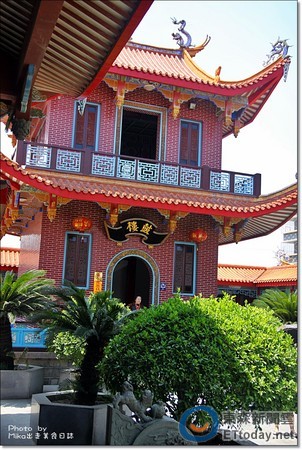
% A report on the newly discovered earthen structure (see left image);The reconstructed Xianying Palace features magnificent and spectacular architecture (right image).
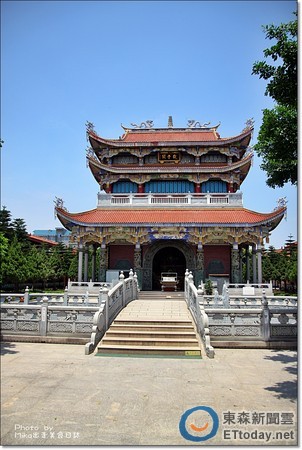
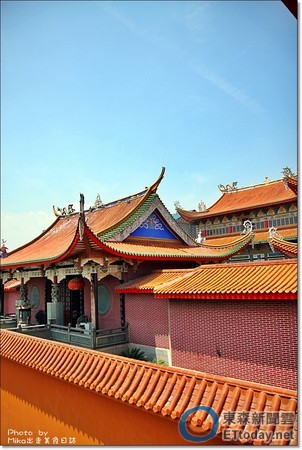
% After reconstruction, the main hall still retains fragments of the original underground palace walls today (strong).
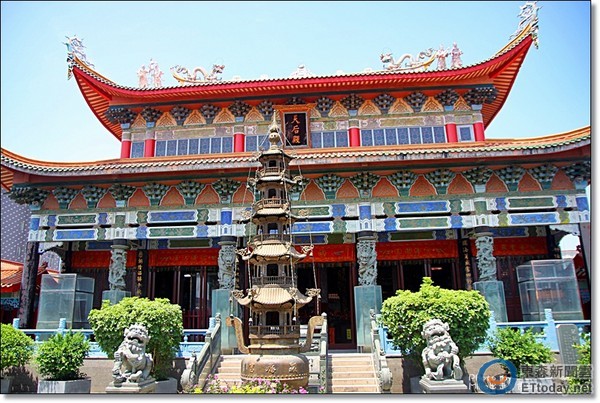
% The passageway leading to the underground palace is also part of the original structure (strong).
% Entering the underground ancient palace, you can see the worship niches used in ancient times.
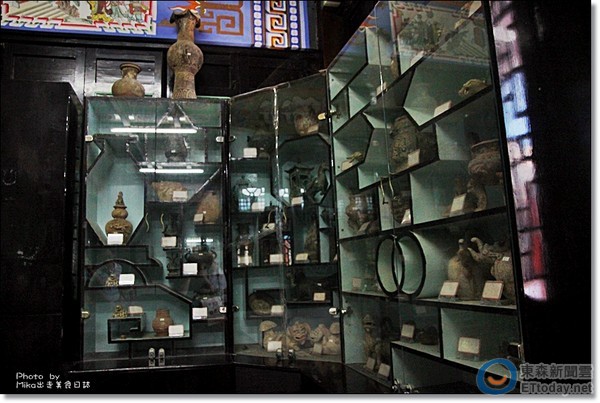
% The pottery and porcelain artifacts are preserved quite intact (strong).
As mentioned earlier, the day after Xianying Palace was unearthed, thousands of butterflies, hundreds of emerald-green grasshoppers, and large frogs appeared inside and outside the palace ruins. Experts say these butterflies are not native species — so how did they know the ancient palace had been uncovered and gathered here?
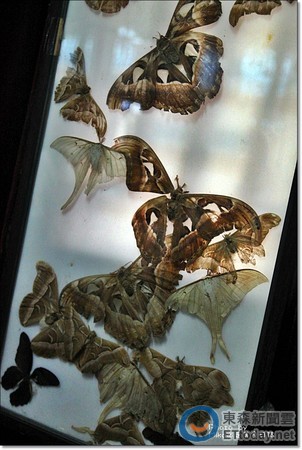
The unusual behavior of these living creatures adds a magical touch to Xianying Palace. Locals also consider it an auspicious omen. To this day, the palace still displays many butterfly specimens from that time (see image below). These butterflies were large and beautiful — truly magical indeed.
Let’s go explore this underground ancient palace.
An ancient palace buried for hundreds of years, due to the power of nature, avoided the devastation of the Cultural Revolution in the 1960s and 1970s and has been so well preserved — it really is a miracle (see image below)!
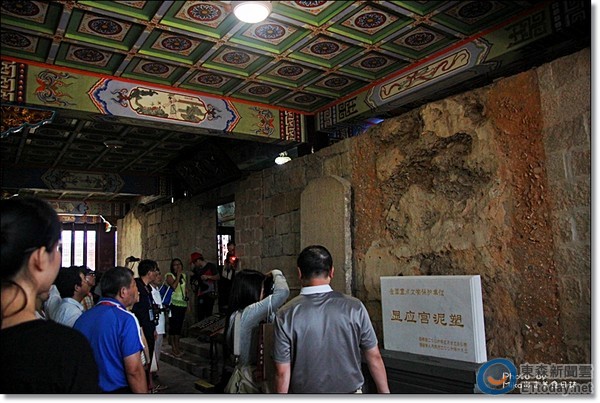
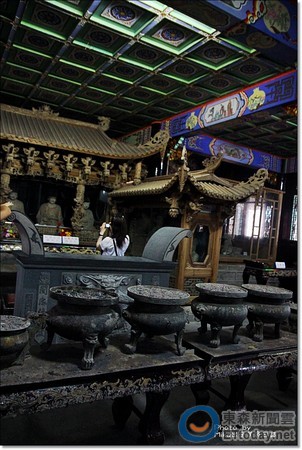
% The main hall retains brightly colored statues, original floor tiles, incense burners, worship tables, large ceremonial candles, and towering deity statues — all remarkably intact today (strong).
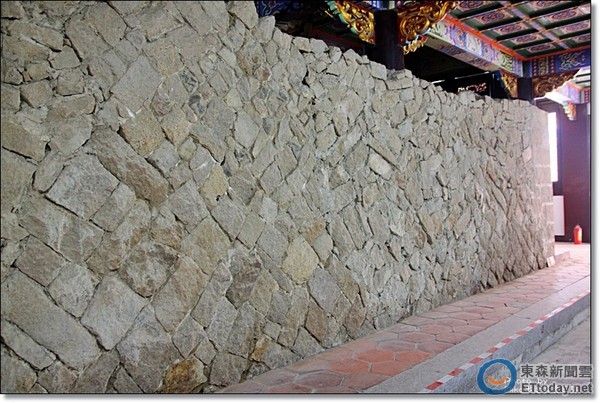
% The front and rear walls of the original Xianying Palace are remarkably well preserved.
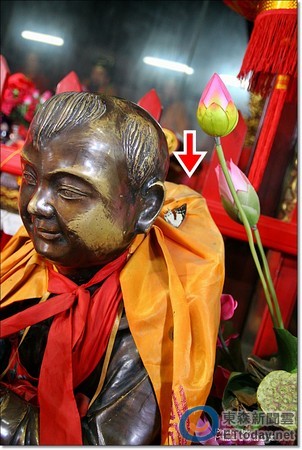
% The main deity statue is also particularly well preserved (strong).

% The large ceremonial candles, worship tables, deity statues, and towering figures are all preserved as they were back then (strong).

Inside the King’s Hall, bright butterflies were seen motionless beside the deity statues. It is said that on the birthdays of deities, swarms of butterflies still come to celebrate, sometimes staying until they pass away (see image below).
Another magical thing about Xianying Palace is the arrival of several frogs and hundreds of grasshoppers when it was first unearthed. The frogs were surprisingly large and robust. No one knows where they came from or why.
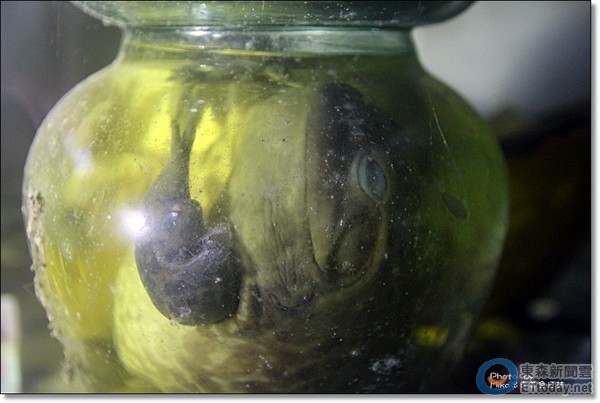
Locals kept two of the frogs in glass display cases, where visitors have tossed in many coins. These two frogs lived for nearly 20 years — such a long lifespan is truly miraculous. They only passed away in recent years. Now preserved in preservative liquid to prevent decay, I was able to photograph this magical frog.
% The glass cases housing the frogs are filled with coins, and the frogs themselves are remarkably well preserved (strong).
Share
This article is published by HowToTrip. Sharing and reposting are welcome — please credit the source.
Article URL: https://www.howtotrip.net/views-26485
Related Articles
- Shaoxing's "Grandpa Gourd" hangs the gourds back up: "If there are too many people, we'll interact less — just take a quick look from afar"
- Chinese authorities announce "reciprocal adjustment" to Japan visa fees — single-entry visa jumps from 2,250 to 16,750 yen!
- The "health stones" carried by a traveler were found to have radiation levels exceeding safety limits by a thousand times, potentially endangering fellow passengers on the same flight. Customs issues warning!
- Shenzhen Airport Issues Late-Night Notice: Unidentified Aerial Object Detected, Causing Widespread Flight Delays!
- “They only said it cost money after I opened the box and washed it!” 200g of grapes sold for 60 yuan on a high-speed train—12306 responds!
- Can't buy an airline ticket? Denied exit? Blocked from boarding? A large number of Chinese tourists have mysteriously become "discredited individuals"
- Adverse weather and economic fluctuations impact Colombia's coffee market
- Beach bathing area responds to 2 yuan/30 seconds fee for freshwater foot rinsing: Clearly priced!
- Taking off with an improperly closed cabin door? Wing malfunction? Multiple flights made emergency returns mid-journey!
- Experience the gifts of nature! A countdown of the world’s ten most stunning coastlines