Divine Edition of Hanzawa Naoki: Witnessing Bangkok’s “Hundredfold Retribution” Rahu God Invocation Ceremony
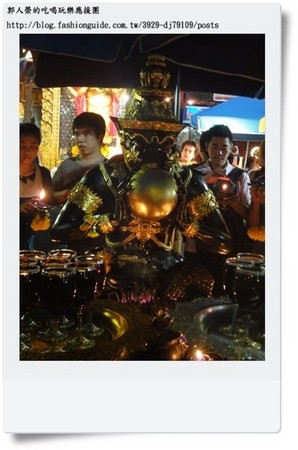
▲ How can Japan’s “Hanzawa Naoki,” known for his “hundredfold repayment,” compare to Thailand’s Rahu God, who offers “a hundredfold retribution”?!
Photos & Text /Guo Renrong
Anyone who has visited the Huai Kwang night market in Bangkok knows that near the MRT station exit and the entrance to the night market, there is a highly popular Ganesha temple.
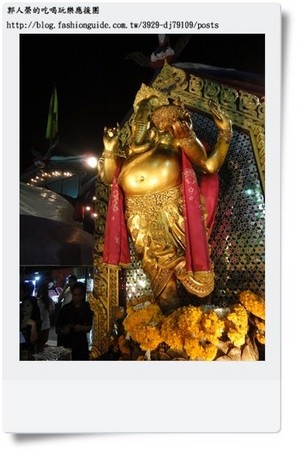
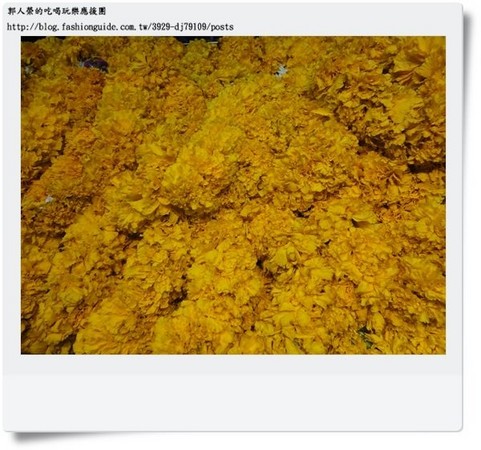
Devotees spend 20 baht on flowers
then another 60 baht on drinks (milk and sugar water), incense, and candles (the colors of the incense and candles depend on the day of the week you were born—the temple will give you the appropriate ones, so it’s best to check beforehand!), for example, I was born on a Tuesday, so the candles and incense I received were pink.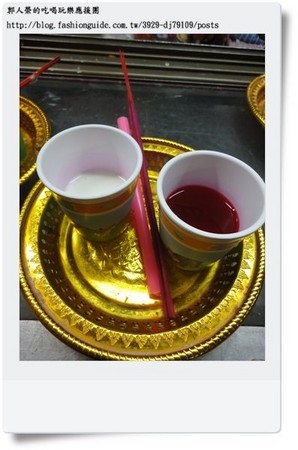
The worship method was introduced earlier at the Pattaya Ganesha temple—if you’ve forgotten, you can check out the video below.
But what I mainly want to introduce today isn’t Ganesha, but rather the Rahu God, PHRA RAHU, enshrined right next to the Ganesha temple. In Thailand, the “Rahu God” is a deity who is clear about grudges and always seeks revenge. What He despises most are those who act treacherously behind others’ backs or evil spirits. Simply put, He’s the divine version of “Hanzawa Naoki”—as long as there are petty people around, Rahu God will definitely ensure a hundredfold retribution.
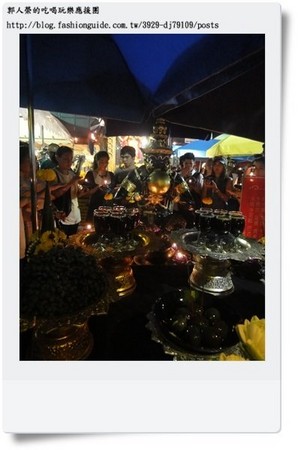
The statue of the Rahu God is entirely black, wears a canopy, has leopard-like eyes and fangs, and is depicted biting the sun or moon, giving off an extremely fierce and intimidating expression.
In Taiwan, people wear pinky rings to ward off petty people, but in Thailand, they wear statues of the Rahu God instead. Every Wednesday at 9:45 PM in front of the Huai Kwang MRT station’s Ganesha temple, hundreds of devotees gather, holding black incense and chanting scriptures together with the officiant during the invocation ceremony.
Legend says that when Rahu God once tried to enter the heavens but was driven away by the Sun and Moon gods, resulting in His lower body being severed. As a result, He swore to eliminate and devour all petty people in the universe. That’s also the origin of the statue’s depiction of biting the sun or moon.
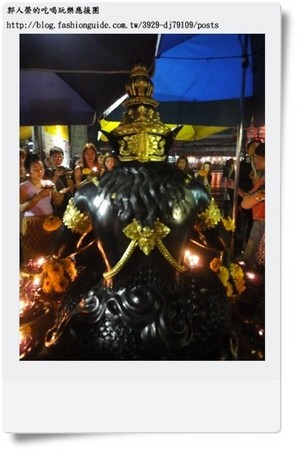
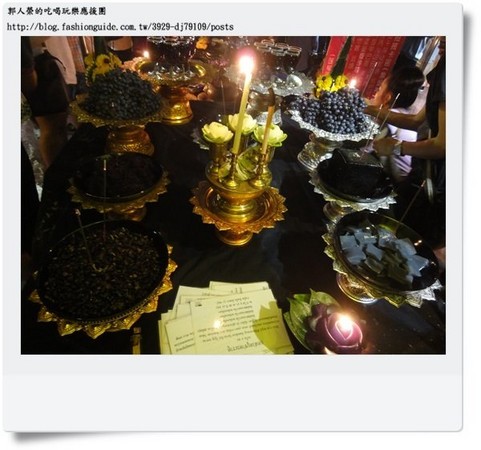
Thai people offer only black items as Rahu God tributes.
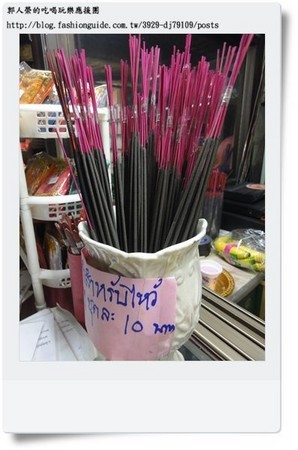
Even the incense used for worship is specifically required to be black.
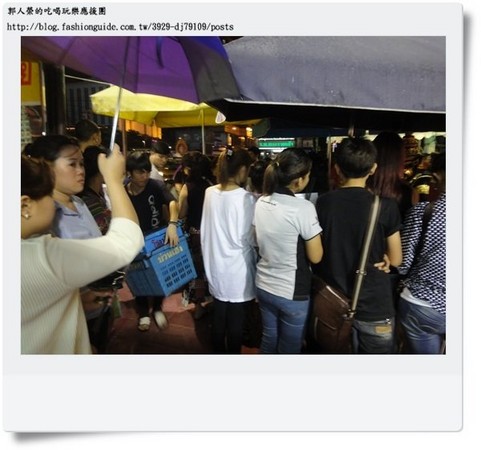
Although it was drizzling lightly that day, the crowd was packed to the brim—could it be that the workplace in Thailand is full of petty people?!
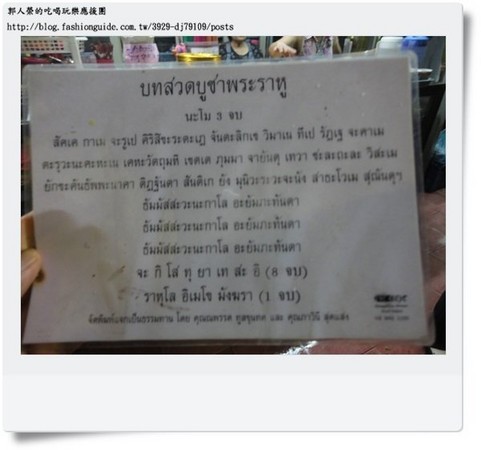
This is the chant that the invocation ceremony officiant leads the hundred-plus attendees in reciting. Don’t worry if you can’t understand it—just follow along.
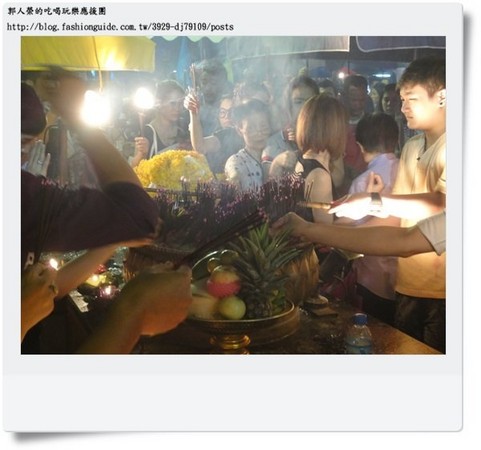
After the chant, everyone scrambles to offer incense, creating a truly rare and spectacular sight of bustling incense offerings.
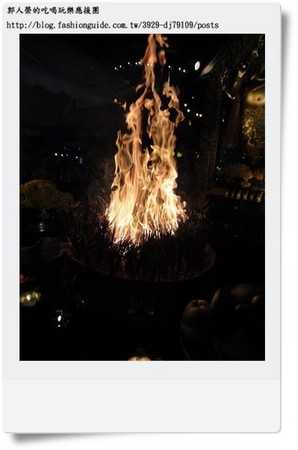
Tens of thousands of incense sticks gathered together form a massive blazing flame.
Thai people also regard solar and lunar eclipses as punishments inflicted by Rahu God upon the Sun and Moon gods. Whenever there’s an eclipse, Thai people hold ceremonies to pray for Rahu God’s blessings for all beings. If you’re interested, why not head to the Huai Kwang MRT station around 9 PM on a Wednesday to experience the mysterious black allure of Rahu God’s “hundredfold retribution magic”?
Entertainment Reporter ~ Guo Renrong’s Food, Fun & Travel Support Squad
Share
This article is published by HowToTrip. Sharing and reposting are welcome — please credit the source.
Article URL: https://www.howtotrip.net/views-26425
Related Articles
- Shaoxing's "Grandpa Gourd" hangs the gourds back up: "If there are too many people, we'll interact less — just take a quick look from afar"
- Chinese authorities announce "reciprocal adjustment" to Japan visa fees — single-entry visa jumps from 2,250 to 16,750 yen!
- The "health stones" carried by a traveler were found to have radiation levels exceeding safety limits by a thousand times, potentially endangering fellow passengers on the same flight. Customs issues warning!
- Shenzhen Airport Issues Late-Night Notice: Unidentified Aerial Object Detected, Causing Widespread Flight Delays!
- “They only said it cost money after I opened the box and washed it!” 200g of grapes sold for 60 yuan on a high-speed train—12306 responds!
- Can't buy an airline ticket? Denied exit? Blocked from boarding? A large number of Chinese tourists have mysteriously become "discredited individuals"
- Adverse weather and economic fluctuations impact Colombia's coffee market
- Beach bathing area responds to 2 yuan/30 seconds fee for freshwater foot rinsing: Clearly priced!
- Taking off with an improperly closed cabin door? Wing malfunction? Multiple flights made emergency returns mid-journey!
- Experience the gifts of nature! A countdown of the world’s ten most stunning coastlines