The boss's childhood memories — Zhenji Museum's "Messy Noodles" unexpectedly become a hit
 Reporter Chen Ziying / Taipei Report
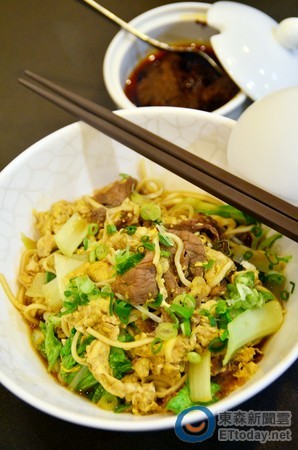
The boss's childhood memories — Zhenji Museum's "Messy Noodles" unexpectedly become a hit. Tucked away in a lane on Yanji Street, Zhenji Museum serves Messy Noodles that are a favorite among nearby office workers. There's also a single-serving "Spicy Hot Pot Base Noodles" where the broth is simmered with 23 kinds of Chinese herbs. Its rich aroma of Sichuan peppercorns delivers a numbing sensation without being overpoweringly spicy — once you try it, you’ll be hooked. (Image credit)
"Messy Noodles" are a signature dish at Zhenji Museum, but the owner’s wife says this dish came about when the boss, Shen Yiping, was a child and his family was struggling financially. They often cooked noodles at home with whatever ingredients they had on hand. One time, after he finished cooking a bowl to eat, a customer who came in saw it and wanted to try it too. Word spread, and soon everyone wanted to order these "Messy Noodles" — even the name was given by a customer.
Boss Shen Yiping worked in Sichuan in his early years and fell in love with the local spicy flavors. He wanted to bring the authentic taste back to Taiwan, so he sought out a local chef to teach him the recipe. The owner’s wife explained that the restaurant's spicy broth is first simmered with beef bones for four hours, then the filtered broth is stir-fried with Sichuan peppercorns ground into powder, along with bay leaves, fennel, sandalwood, cinnamon, and 20 other Chinese herbs to make the chili oil. This mixture is then slow-cooked over a low flame for another four hours. Though quite labor-intensive, the flavor has remained unchanged for over ten years. Also, while most spicy hot pot bases use Taiwan’s Dahongpao peppercorns — which can be harsh on the stomach — Sichuan peppercorns have a milder taste. They numb the mouth but the spice hits the back of the tongue, making them more tolerable even for those who don’t usually eat spicy food.
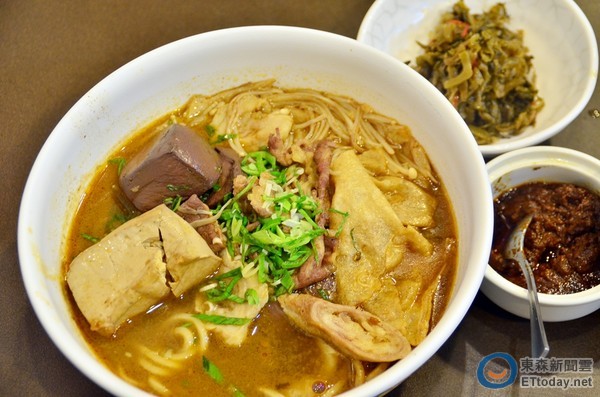
▲ Sichuan Spicy Hot Pot Base Noodles — the broth is simmered with 23 types of Chinese herbs, resulting in an exceptionally mild taste with numbing sensations focused at the back of the tongue. (Photo / Reporter Chen Ziying)
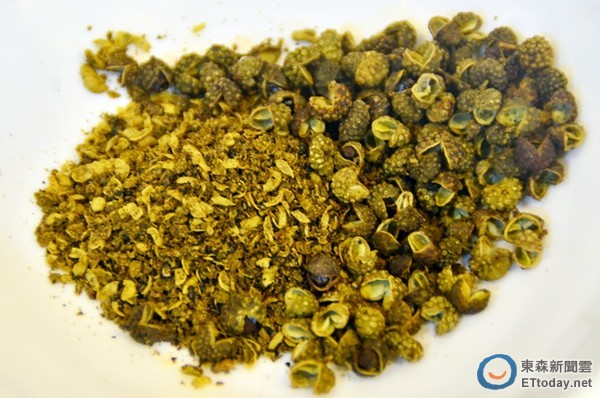
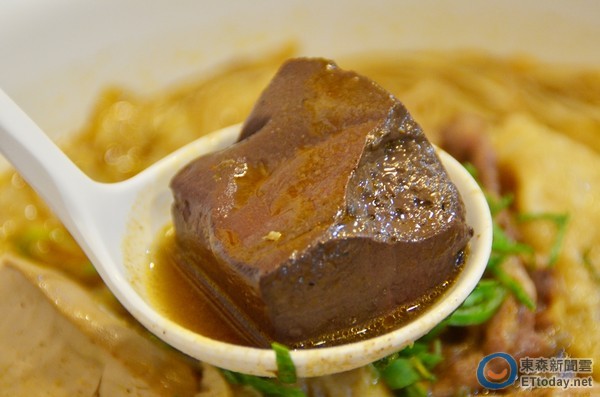
▲ Left: Sichuan peppercorns are less harshly spicy than Taiwan’s Dahongpao; Right: Duck blood, washed with salt and vinegar, fully absorbs the spicy broth. (Photo / Reporter Chen Ziying)
[Shop Information]
Zhenji Museum
Address: No. 7, Lane 131, Yanji Street, Taipei City
Phone: (02) 2772-3938
Business Hours: Monday to Saturday, 11:30–14:30 & 17:30–21:00
Share
This article is published by HowToTrip. Sharing and reposting are welcome — please credit the source.
Article URL: https://www.howtotrip.net/views-25833
Related Articles
- Shaoxing's "Grandpa Gourd" hangs the gourds back up: "If there are too many people, we'll interact less — just take a quick look from afar"
- Chinese authorities announce "reciprocal adjustment" to Japan visa fees — single-entry visa jumps from 2,250 to 16,750 yen!
- The "health stones" carried by a traveler were found to have radiation levels exceeding safety limits by a thousand times, potentially endangering fellow passengers on the same flight. Customs issues warning!
- Shenzhen Airport Issues Late-Night Notice: Unidentified Aerial Object Detected, Causing Widespread Flight Delays!
- “They only said it cost money after I opened the box and washed it!” 200g of grapes sold for 60 yuan on a high-speed train—12306 responds!
- Can't buy an airline ticket? Denied exit? Blocked from boarding? A large number of Chinese tourists have mysteriously become "discredited individuals"
- Adverse weather and economic fluctuations impact Colombia's coffee market
- Beach bathing area responds to 2 yuan/30 seconds fee for freshwater foot rinsing: Clearly priced!
- Taking off with an improperly closed cabin door? Wing malfunction? Multiple flights made emergency returns mid-journey!
- Experience the gifts of nature! A countdown of the world’s ten most stunning coastlines