Five Must-Knows About Soaking in Japanese Onsen: Tattoos Not Allowed & "Soaking in Hot Springs" Might Be Misunderstood
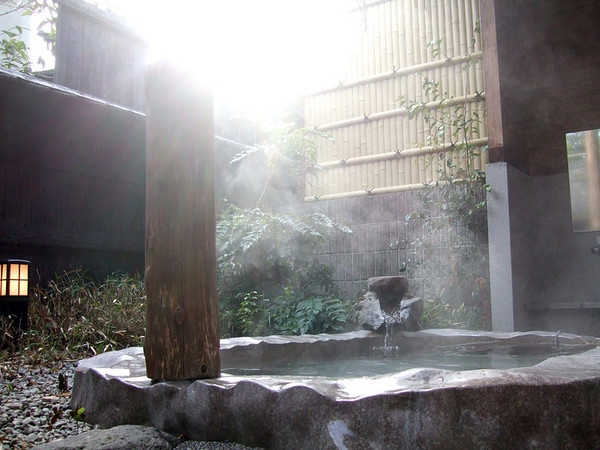
▲ There are many things about soaking in onsen in Japan that travel books may not necessarily tell you. Do you know what they are? The photo shows a view of the Yufuin Onsen. (Photo / From Wikipedia)
Travel Center / Comprehensive Report
Japan has numerous hot spring resorts across the country and is hailed as a paradise for onsen. Especially during the cold winter months, soaking in an onsen not only warms the body, but many hot springs also offer therapeutic benefits. As such, there’s even a term in Japan called "湯治" (toji), meaning “hot spring cure.” So it’s not just foreign tourists—Japanese people also enjoy soaking from time to time. However, before heading to Japan to experience the joy of onsen, there are some etiquette rules and small details that we, as foreigners, must pay attention to.
One: If you ask the Japanese where to find an onsen in writing, do not write "泡汤"
In Chinese, soaking in hot springs can also be called "泡汤," but in the eyes of the Japanese, these two characters carry different meanings. In Japanese, "湯" (yu) generally refers to "hot water" (お湯), while "泡" means "bubbles."So if you show the Japanese the term "泡汤," they might think you're looking for hot boiled water instead of a hot spring bath. If you don’t speak Japanese, just write "温泉" or "入湯," and they’ll understand..
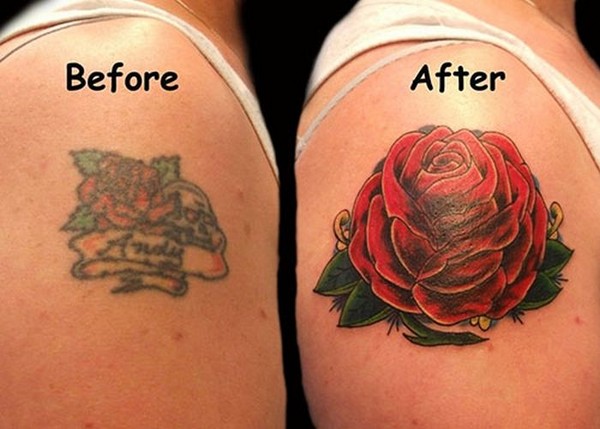
▲ When using public onsen pools in Japan, having tattoos is not allowed or you might be asked to leave. (Photo / Illustration, stock image)
Two: People with tattoos (of any size) cannot enter public onsen pools
Most onsen in Japan are public baths, divided into "men’s baths" (男湯) and "women’s baths" (女湯). But before entering, if you have any tattoos (regardless of size), it's best to look for a hot spring facility that offers private baths (個人湯屋). Many hotel-affiliated large communal baths or public onsen facilities in Japan will post warning signs at the entrance: "Tattooed individuals are not allowed to enter" (刺青、タトゥーの方のご入浴はご遠慮ください).
In the minds of the Japanese, people with tattoos are often associated with organized crime. While this is not universally true, Japanese businesses don’t want yakuza members gathering in onsen areas. That’s why such signs are posted. So if you don’t see a sign and still enter the bath, you may be asked to leave if discovered.
Three: You must shower before entering the onsen, and you must be naked with your hair tied up when entering the bath
Japanese people typically soak in onsen "naked." Only a few places allow wearing swimsuits. Although this makes most foreigners uncomfortable, going with the flow and experiencing authentic onsen culture is also part of the travel memory.
Also, you must shower and rinse off before entering the bath and tie up your hair. This is to maintain the quality and cleanliness of the hot spring water. Additionally, entering a steaming hot bath directly from cold weather can be harmful to the body. Showering helps wash away dirt and allows your body to adjust to the temperature.
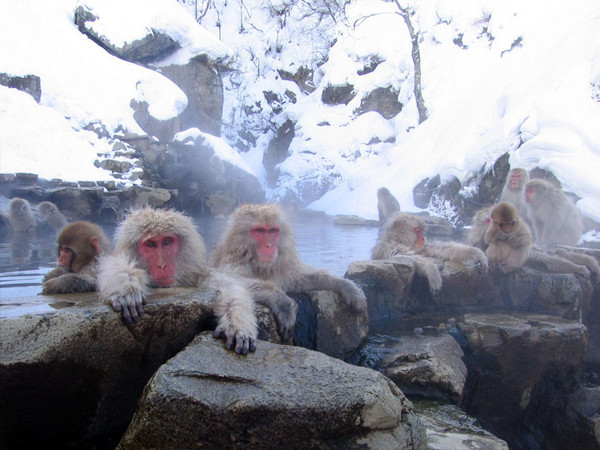
%In Japan, it is stipulated that you must avoid letting anything other than your body touch the water. If you are carrying items like... (Photo / From Wikipedia)
Four: Towels must not be dipped into the bath
Many Japanese travel shows depict women covering their private areas with a large towel before entering the bath, but in reality, this is incorrect behavior. For the same reason as "you must shower and tie up your hair before entering"—to preserve the quality of the onsen and prevent towel fibers from falling into the water—towels are mostly used to dry your body or placed on your forehead.
Five: Depending on the type of hot spring, some require you to shower again after soaking
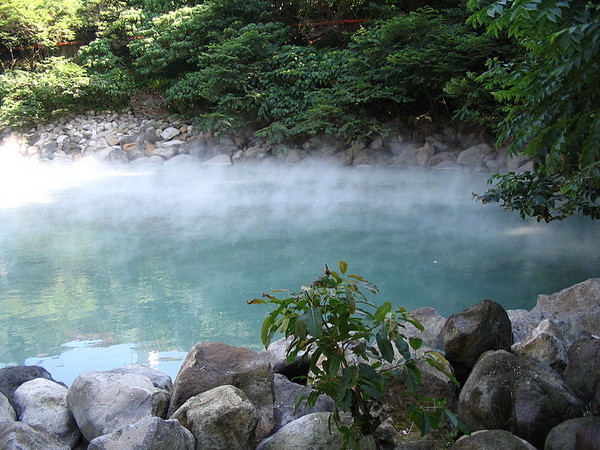
Hot springs contain different minerals, with varying pH levels and scents. Some types of onsen water may leave residues on your skin, so it’s necessary to shower afterward; otherwise, it could actually harm your body. For example, "blue sulfur springs" (青磺泉), found only in Beitou and Jinshan in Taiwan and Tamagawa Onsen in Akita Prefecture, Japan, not only require showering afterward but also prohibit the use of soap. Rinsing with just water is enough—if you use soap, your body may become oily instead.
%Only the blue sulfur springs found in Beitou, Jinshan, and Tamagawa Onsen in Japan require a post-soak shower and prohibit the use of soap. (Photo / From Wikipedia)
Share
This article is published by HowToTrip. Sharing and reposting are welcome — please credit the source.
Article URL: https://www.howtotrip.net/views-24842
Related Articles
- Shaoxing's "Grandpa Gourd" hangs the gourds back up: "If there are too many people, we'll interact less — just take a quick look from afar"
- Chinese authorities announce "reciprocal adjustment" to Japan visa fees — single-entry visa jumps from 2,250 to 16,750 yen!
- The "health stones" carried by a traveler were found to have radiation levels exceeding safety limits by a thousand times, potentially endangering fellow passengers on the same flight. Customs issues warning!
- Shenzhen Airport Issues Late-Night Notice: Unidentified Aerial Object Detected, Causing Widespread Flight Delays!
- “They only said it cost money after I opened the box and washed it!” 200g of grapes sold for 60 yuan on a high-speed train—12306 responds!
- Can't buy an airline ticket? Denied exit? Blocked from boarding? A large number of Chinese tourists have mysteriously become "discredited individuals"
- Adverse weather and economic fluctuations impact Colombia's coffee market
- Beach bathing area responds to 2 yuan/30 seconds fee for freshwater foot rinsing: Clearly priced!
- Taking off with an improperly closed cabin door? Wing malfunction? Multiple flights made emergency returns mid-journey!
- Experience the gifts of nature! A countdown of the world’s ten most stunning coastlines