Black swans make their first appearance in Kinmen at the mouth of the Wujing River

▲ A new pair of charming guests arrived in Kinmen this winter, amazing local bird enthusiasts. (Photo provided by a birdwatcher from the Kinmen Bird Watching Station)
Reported by Chen Ziying / Taipei
The cold northeastern monsoon of winter in Kinmen not only brings gusty winds but also flocks of migratory birds. With over 300 species of birds arriving here each year, Kinmen has earned the reputation of being a "paradise for feathered visitors." Last week, a pair of black swans made their first-ever appearance at the mouth of the Wujing River, astonishing local birdwatchers.
This is the first time black swans have been spotted in Kinmen, which is teeming with winter migratory birds. Zhong Liwei, head of the Agriculture and Forestry Division of Kinmen County Government, said they currently speculate that the pair of black swans flew in from a domesticated environment in the Xiamen area. However, as the swans are quite wary of humans, it is believed they have been wandering for some time, which explains their fear of people — though no concrete research has been done yet.

▲ The occasional appearances and disappearances of the black swans have intrigued birdwatchers. (Photo provided by a birdwatcher from the Kinmen Bird Watching Station)
Aside from this year’s “new highlight” — the pair of black swans — the period from the end of October to early March each year is peak birdwatching season in Kinmen. Zhong Liwei also mentioned that among the island’s birdwatching spectacles, the most spectacular is the return of cormorants to Cihu Lake. Tens of thousands of cormorants set off from the middle line of the Taiwan Strait, flying in orderly formation before returning in sequence to the casuarina windbreak forests. Look for the snow-white tree lines to spot their roosts. After enjoying the impressive return of the cormorants, head inland to several freshwater bodies near Pubei and Tianpu, where you can spot four types of kingfishers — the black-capped kingfisher, the collared kingfisher, the pied kingfisher, and the common kingfisher. Local birdwatchers affectionately call them “the good kids” because they always appear at the same spots, drawing crowds. And if you can’t stand the strong northeastern monsoon, head to Mount Taiwu, where the “Kinmen Botanical Garden” has become a popular new birdwatching spot in recent years.

▲ Sunset at Cihu Lake captures the grand return of cormorants. (Photo provided by a birdwatcher from the Kinmen Bird Watching Station)

▲ Tens of thousands of cormorants fly to Kinmen every winter. (Photo provided by a birdwatcher from the Kinmen Bird Watching Station)

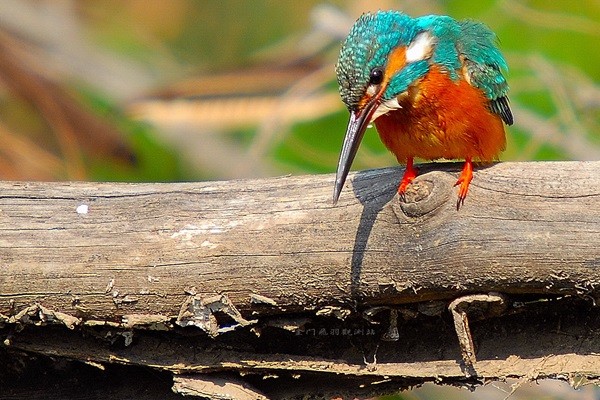
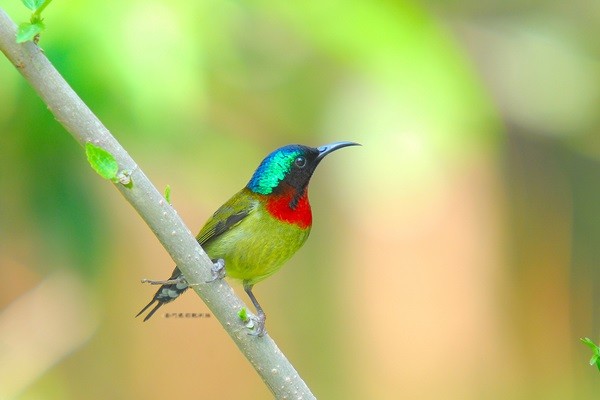

▲ Kinmen is home to up to 300 species of winter migratory birds. Top left: collared kingfisher, bottom left: fork-tailed sunbird, top right: common kingfisher, bottom right: black-capped kingfisher. (Photo provided by a birdwatcher from the Kinmen Bird Watching Station)
Share
This article is published by HowToTrip. Sharing and reposting are welcome — please credit the source.
Article URL: https://www.howtotrip.net/views-24724
Related Articles
- Shaoxing's "Grandpa Gourd" hangs the gourds back up: "If there are too many people, we'll interact less — just take a quick look from afar"
- Chinese authorities announce "reciprocal adjustment" to Japan visa fees — single-entry visa jumps from 2,250 to 16,750 yen!
- The "health stones" carried by a traveler were found to have radiation levels exceeding safety limits by a thousand times, potentially endangering fellow passengers on the same flight. Customs issues warning!
- Shenzhen Airport Issues Late-Night Notice: Unidentified Aerial Object Detected, Causing Widespread Flight Delays!
- “They only said it cost money after I opened the box and washed it!” 200g of grapes sold for 60 yuan on a high-speed train—12306 responds!
- Can't buy an airline ticket? Denied exit? Blocked from boarding? A large number of Chinese tourists have mysteriously become "discredited individuals"
- Adverse weather and economic fluctuations impact Colombia's coffee market
- Beach bathing area responds to 2 yuan/30 seconds fee for freshwater foot rinsing: Clearly priced!
- Taking off with an improperly closed cabin door? Wing malfunction? Multiple flights made emergency returns mid-journey!
- Experience the gifts of nature! A countdown of the world’s ten most stunning coastlines