Surprising!What kind of scallion pancake can cost as much as 800 yuan?
Photos & Text /Xiao Hu’s Dream Food Blog
I can’t quite remember when I first heard of the fame of “Beiping Du Yichu,” but I vaguely recall it was before I started my “blog.” However, one thing I remember very clearly is that I learned about “Beiping Du Yichu” because of this 800-yuan scallion pancake.
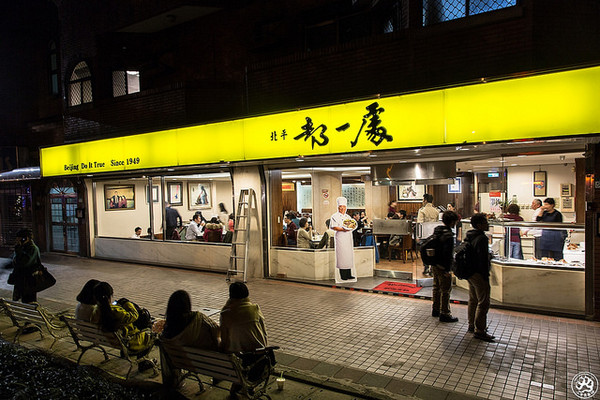
To be honest, I rarely ate at or wrote about Chinese restaurants before, mainly because it was inconvenient with fewer people, and ordering was tricky. But now, with our “Xiao Hu Foodie Group,” a secret circle of over 600 members, we never have to worry about lacking company — it’s no trouble at all to book two or three tables. This time, thanks to Arnold Liu organizing the visit to “Beiping Du Yichu,” I finally got the chance to try the legendary “scallion pancake.”

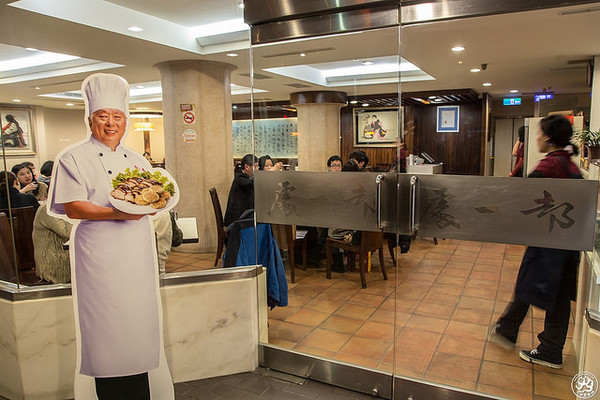
The decor at Beiping Du Yichu is that of a standard Chinese restaurant, but the overall brightness is slightly higher, making it look a bit more pleasant.

I really like the calligraphy on the walls, even though I don’t quite understand it...

The decoration in the basement and on the first floor is basically similar, just with a few more private rooms ↓.

The restaurant is adorned with many Chinese-style paintings around the walls, giving off a faint whiff of “Chinese” flavor, which coincides quite well with the name Beiping Du Yichu.
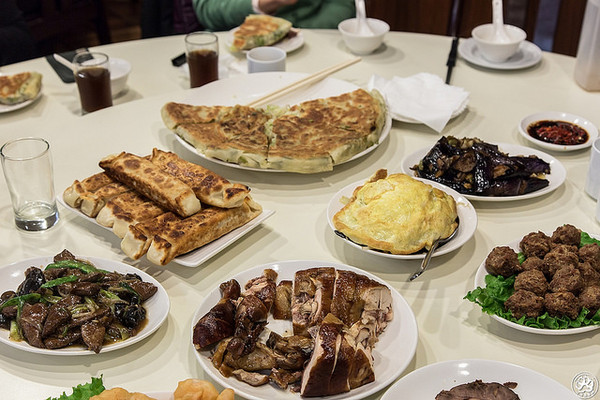
Yeah, having friends is great — a whole big table full of food, which definitely isn’t something two or three people could order. If I remember correctly, we each paid around 700 yuan that day.
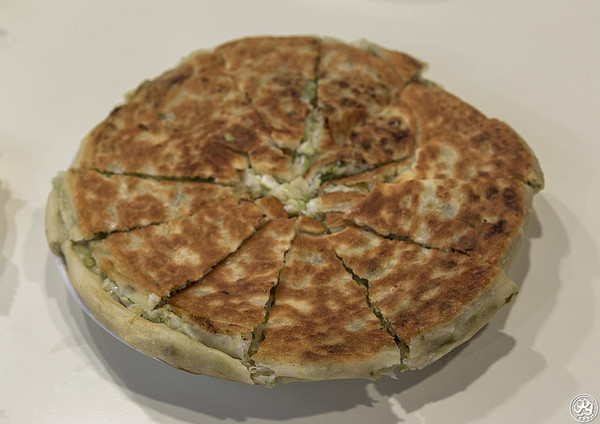
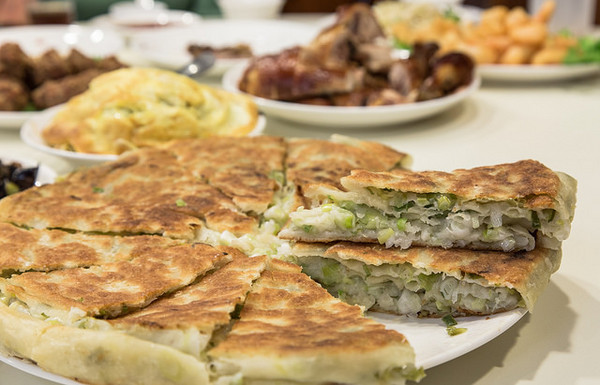
Old Dad’s Scallion Pancake — 800 yuan. I’ve often said that it’s hard for Chinese restaurants to move me emotionally; usually, if there’s one or two dishes in a meal that I find delicious, I consider it money well spent. So naturally, I was really looking forward to this 800-yuan scallion pancake to give me a surprise, at least in terms of taste satisfaction.
This super huge, extra thick pancake looked quite imposing. The golden, crispy upper and lower crusts were lightly crisp and fairly fragrant, but the filling — perhaps because it was too thick — had a slightly soft, even powdery texture. Even more strangely, although there seemed to be a lot of scallions, their aroma didn’t quite match up...
The texture was somewhat like a stuffed bun, with a doughy moistness after chewing. It wasn’t bad, but I think 800 yuan should have delivered something even more delicious? At least, that’s what I thought to myself XD
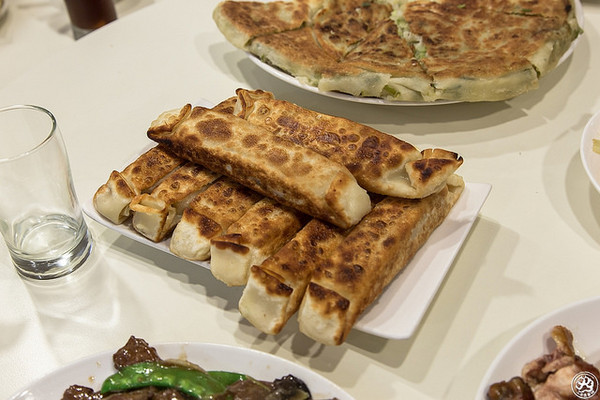
Shredded Pork Pancakes (8 x 50 = 400 yuan). Honestly, I wouldn’t have ordered this if I’d seen it on the menu myself, but luckily Arnold Liu did — otherwise my opinion of this restaurant might have been even lower, because it turned out to be the best dish of the entire meal.

They’re big and thick, kneaded and pan-fried into neat, long, solid squares. The moment you bite in, the oily aroma of the pancake skin hits you right away, and before you can even exclaim, the generous filling takes over — the fragrance of the meat, the freshness of the shrimp, the sweetness of the vegetables. It’s rich, satisfying, and absolutely the best shredded pork pancake I’ve ever had. And each one is super big, yet only 50 yuan — highly recommended.

Sesame Pancakes (8 x 40 = 320 yuan). Actually, they should be sesame seed pancakes — this is a common dish in many restaurants serving Beijing cuisine, and you can also get them at Uncle Ma’s Pancake Shop near Dongmen Market.

Compared to those, I found the pancakes here at “Beiping Du Yichu” to be more moist, but in terms of aroma (especially the sesame scent), Uncle Ma’s still has the edge, particularly with that slight bitterness of sesame in the bite toward the end.

At Uncle Ma’s, you can only wrap the pancakes with braised beef, but at Beiping Du Yichu, you have two options: soy-braised beef and soy-braised pork. The former is beef shank, more fragrant but drier; the latter is sweeter but also oilier. Ideally, have a small piece of each (lol). If you ask me, I prefer the latter.
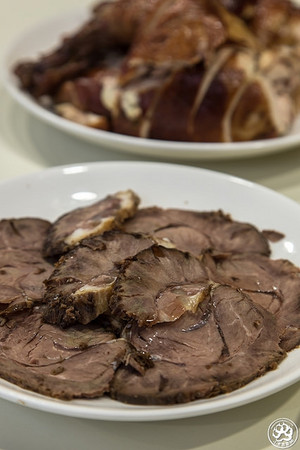
Soy-Braised Beef — 260 yuan. As a standalone dish, I personally quite like the soy-braised beef here at Beiping Du Yichu. It’s simple and straightforward, with the pure aroma of beef released with every chew. It’s not too salty or dry and is quite chewy.

Soy-Braised Pork — 260 yuan. The skin-on, fatty soy-braised pork is naturally smooth, fragrant, and sweet. Even the lean parts melt effortlessly after just a few chews — delicious.

Pine Nut Smoked Chicken — 540 yuan. Though it’s called pine nut smoked chicken, I didn’t really taste much pine nut aroma while eating it. At least, it’s far less than the pine nut smoked meat from top-tier Chinese fine dining. Still, the chicken skin had a nice smoky, slightly charred sweetness, and the fat beneath the skin was a bit less, giving way to the chewiness of free-range chicken. I gave up after just a couple of pieces.
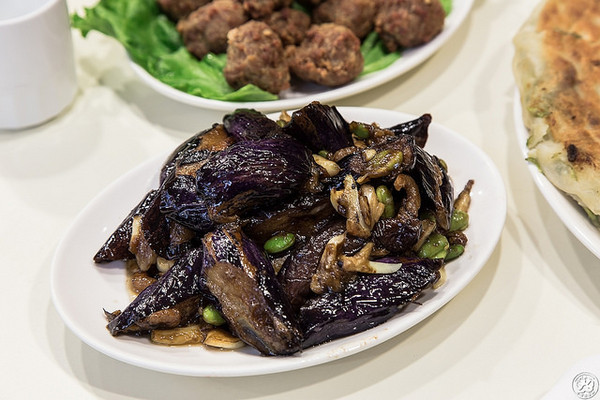
Braised Eggplant — 240 yuan. The eggplant was cooked until slightly blackened, and it was deliciously fragrant, soft, mushy, and seriously scalding hot... The natural sweetness of the eggplant mixed with the aroma of stir-fried scallions and garlic created a rich flavor that paired perfectly with rice.
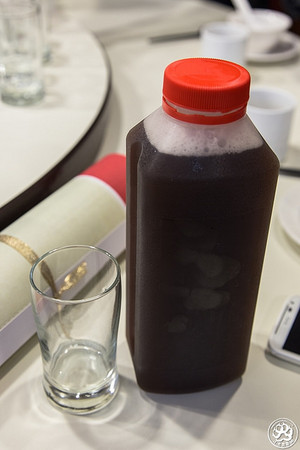
Plum Juice — 160 yuan. A bit pricey, but this plum juice had a rather pleasant hawthorn-like “sweet” aroma. The acidity was naturally mellow and smooth, making it easy to drink and great for cutting through greasiness, though if you prefer your plum juice on the more sour side, you might find it a bit off.

Hot and Sour Soup — 320 yuan. Not overly sour, and the pepper spice wasn’t very intense either. What stood out more was the generous amount of ingredients — scooping them up was quite satisfying.
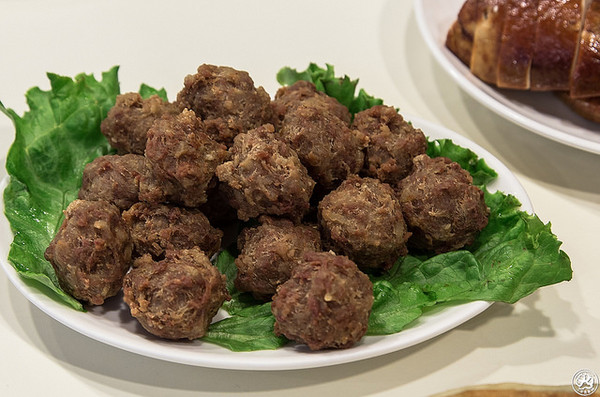
Fried Meatballs — 280 yuan. These fried meatballs had a slightly burnt, oily fragrance. Texture-wise, they were a bit dry and oily, but the meaty sweetness after chewing was still quite charming. I think they might taste better if cooked in a cabbage hotpot?
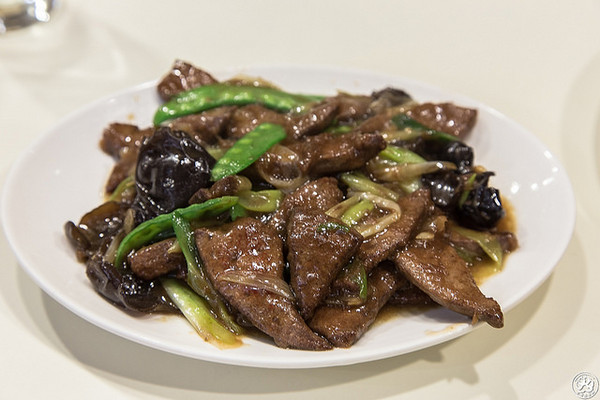
Stir-Fried Pig Liver — 260 yuan. Seeing the word “stir-fried” (溜) for some reason made me think of “sour” automatically, but upon tasting, it was more oily and heavy. The tender pig liver had a slightly sticky, soft texture, and its distinct flavor balanced well with the sauce — pretty tasty.
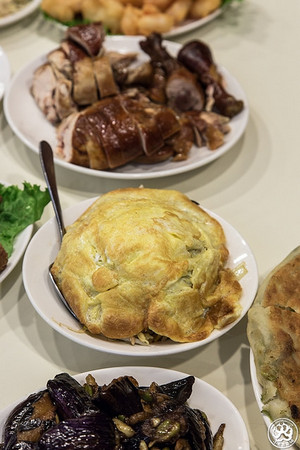
Mixed Vegetable Dish (with topping) — 200 yuan. I can’t say how many versions of this dish I’ve tried, but I’ve had it at seven or eight places at least. Yet I noticed each place serves it a bit differently, in both appearance and taste, though the cooking method and basic idea remain largely the same.

First, there’s the egg “topping” — half-pan-fried, fragrant, crispy, oily, and smooth (relatively less oily). The egg and oil aromas blend together so well, making it really delicious. The fillings inside are also quite rich and generous. It’s one of the dishes I felt offered good value for money that day, though nothing in the flavor really stood out as exceptional.

Cold Cabbage Heart — 160 yuan. This is also a common cold dish in many Northeastern Chinese meals, and a favorite among many customers. It’s great for transitioning between different dishes, for drinking with alcohol, or just as a snack. Cool, refreshing, sweet and sour, and delightfully crisp — quite good. But the best cold cabbage heart I’ve had was at Jin Dao Zi Northeastern Eatery near Xingtian Temple Station.
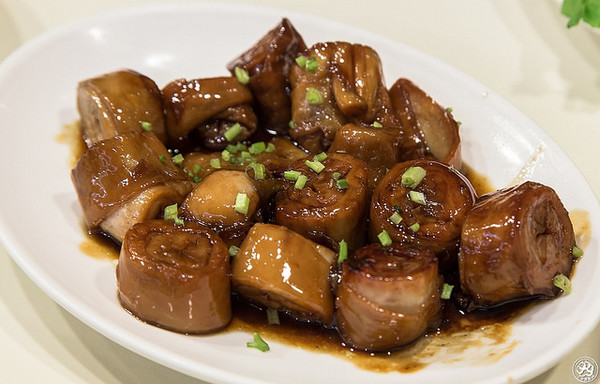
Nine-Turned Pork Intestines 300 NT. If I really rack my brains and scroll way back, perhaps the most blurred dish name in my increasingly fragmented hard drive is called “Nine-Turned Pork Intestines.” If I remember correctly, it dates all the way back to when I was just a kid of ten or so, before I had any real memory for food.
But those thoughts, those memories, have always lingered at the Sichuan restaurant “Little Emei” in Keelung. The version from Beijing’s Duyichu isn’t bad either—the sauce is salty and fragrant with a hint of faintly sweet aftertaste, the pork intestines are smooth and tender with a slight bounce in the first couple of bites, and the charm lies in the oily melt-in-your-mouth texture after the third bite, which is also the main reason I’m utterly smitten with pork intestines.

Soft-Fried Shrimp 340 NT. I don’t know why I have absolutely no memory of this dish—I’m guessing maybe I was too busy chatting and didn’t eat any at all... Then I looked at the bill and saw there was also an item called “lotus leaf pancake,” which seems to have been used to wrap some mixed vegetables, but again, I have no recollection of it whatsoever.
Overall, I wasn’t dissatisfied—even the 800 NT scallion pancake didn’t prompt any complaints—but to be honest, it wasn’t particularly delicious either, just the kind of dish that’s fine as long as you’ve had it.
[Duyichu]
Address:No. 506, Section 4, Ren’ai Road, Xinyi District, Taipei City
Phone:02 2729 7853
Business Hours:11:00~14:00, 17:00~21:00
Xiao Hu’s Food Dream Net
If “eating” is just about filling your stomach, then “food” would be far too boring~~~
Share
This article is published by HowToTrip. Sharing and reposting are welcome — please credit the source.
Article URL: https://www.howtotrip.net/views-24369
Related Articles
- Shaoxing's "Grandpa Gourd" hangs the gourds back up: "If there are too many people, we'll interact less — just take a quick look from afar"
- Chinese authorities announce "reciprocal adjustment" to Japan visa fees — single-entry visa jumps from 2,250 to 16,750 yen!
- The "health stones" carried by a traveler were found to have radiation levels exceeding safety limits by a thousand times, potentially endangering fellow passengers on the same flight. Customs issues warning!
- Shenzhen Airport Issues Late-Night Notice: Unidentified Aerial Object Detected, Causing Widespread Flight Delays!
- “They only said it cost money after I opened the box and washed it!” 200g of grapes sold for 60 yuan on a high-speed train—12306 responds!
- Can't buy an airline ticket? Denied exit? Blocked from boarding? A large number of Chinese tourists have mysteriously become "discredited individuals"
- Adverse weather and economic fluctuations impact Colombia's coffee market
- Beach bathing area responds to 2 yuan/30 seconds fee for freshwater foot rinsing: Clearly priced!
- Taking off with an improperly closed cabin door? Wing malfunction? Multiple flights made emergency returns mid-journey!
- Experience the gifts of nature! A countdown of the world’s ten most stunning coastlines