Even at triple the price, no young people want to grow it: Taiwan’s mung beans could face extinction in 10 years

▲ A summer staple—mung bean soup—may not be made with locally grown beans in the next decade. (Photo / Eastern News)
By reporter Xiao Wan-ning / Special report
Due to the opening of bean imports and a shortage of labor, Taiwan’s annual mung bean production has plummeted from 200,000 kilograms to just over 40,000 kilograms by 2012—a reduction to one-fifth in just ten years.Additionally, the demographic of mung bean growers is aging, with the average farmer now around 50 years old. This could lead to a loss of agricultural expertise in the next 10–20 years. Wu Zhaohui noted, “Locally grown mung beans are more than three times the price of imports, but due to labor shortages, farmers in the Yunlin, Chiayi, and Tainan regions still have little incentive to plant them.”
Mung beans come in two types: oily and floury. Oily mung beans have a shiny appearance but are harder and take longer to cook. Most of those imported from Myanmar fall into this category. The mung beans grown in Taiwan, however, are the tastier floury type, specifically the Tainan No. 5 variety, which cooks quickly and has a better texture. Despite their higher price and good market demand, production continues to decline. An anonymous mung bean farmer in Puzi, Chiayi, said, “Mung beans bloom 2–3 times per harvest cycle, and the pods mature sporadically. You almost have to harvest every day during the season. Just one planting cycle takes a lot of effort, and young people these days can’t handle the hardship—they have zero interest in growing mung beans.”
The largest mung bean cultivation area is in Puzi, Chiayi. When interviewed, a local farmer who has been growing mung beans for over 15 years said with frustration when asked about the crop, “Because it rained almost the entire planting season this year, we couldn’t plant at all. This year’s yield is at least half of previous years.” Wu Zhaohui further explained:Mung beans are highly sensitive to climate, soil, and water conditions. Even slight changes in temperature or humidity can cause yields to drop sharply..

▲ Due to labor shortages and import competition, Taiwan’s mung bean output is less than one-fifth of what it used to be. (Photo / From Su Rongcan’s Facebook)
On this issue, Wu Zhaohui, who has been researching legumes for nearly 20 years, further analyzed that there are two main reasons for the declining number of bean farmers. First, the opening of import markets—due to differences in planting area and variety, mung beans from Myanmar are one-third the price of those from Taiwan. Second, a lack of harvesting labor—traditionally, crop harvesting relied on neighbors helping each other, but as the farming population declines, this mutual aid system is becoming unworkable. At the same time, labor costs are high, with 200 kilograms of mung beans costing NT$4,000 to harvest.
In the past, due to the decline in legume cultivation, the government provided subsidies to encourage the planting of legumes on fallow land. Farmers received about NT$45,000 per hectare, and planting area increased from 100 hectares to over 800 hectares this year.However, for mung beans, the subsidy is only about NT$24,000 per hectare. Combined with the crop’s high environmental sensitivity, this has been a major reason why replanting efforts have seen little success..
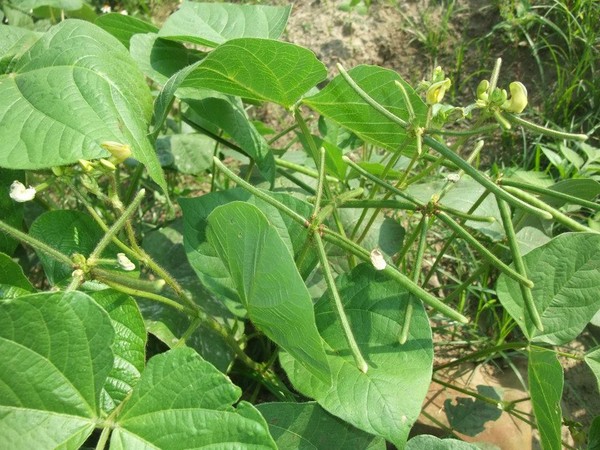
▲ Mung beans require daily picking once they’re in season, demanding significant manpower and time. (Photo / From Su Rongcan’s Facebook)
At the end of the interview, the farmer said earnestly, “Although many young people have returned to farming in recent years, the mung bean industry is too grueling and low-paying, so most young people choose not to grow it.”The bean industry is rarely chosen by young people due to its demanding labor and relatively low economic value.This farmer is around 50 years old, meaning he can keep farming for at most another 30 years. Once he retires, if younger generations still aren’t interested in farming, the techniques could be lost.And in 10–20 years, Taiwan may face the situation where locally grown floury mung beans are no longer available in markets..
Share
This article is published by HowToTrip. Sharing and reposting are welcome — please credit the source.
Article URL: https://www.howtotrip.net/views-23324
Related Articles
- Shaoxing's "Grandpa Gourd" hangs the gourds back up: "If there are too many people, we'll interact less — just take a quick look from afar"
- Chinese authorities announce "reciprocal adjustment" to Japan visa fees — single-entry visa jumps from 2,250 to 16,750 yen!
- The "health stones" carried by a traveler were found to have radiation levels exceeding safety limits by a thousand times, potentially endangering fellow passengers on the same flight. Customs issues warning!
- Shenzhen Airport Issues Late-Night Notice: Unidentified Aerial Object Detected, Causing Widespread Flight Delays!
- “They only said it cost money after I opened the box and washed it!” 200g of grapes sold for 60 yuan on a high-speed train—12306 responds!
- Can't buy an airline ticket? Denied exit? Blocked from boarding? A large number of Chinese tourists have mysteriously become "discredited individuals"
- Adverse weather and economic fluctuations impact Colombia's coffee market
- Beach bathing area responds to 2 yuan/30 seconds fee for freshwater foot rinsing: Clearly priced!
- Taking off with an improperly closed cabin door? Wing malfunction? Multiple flights made emergency returns mid-journey!
- Experience the gifts of nature! A countdown of the world’s ten most stunning coastlines