Visiting the Bloody Elizabeth: The Slovak Castle Stained with Virgin’s Blood
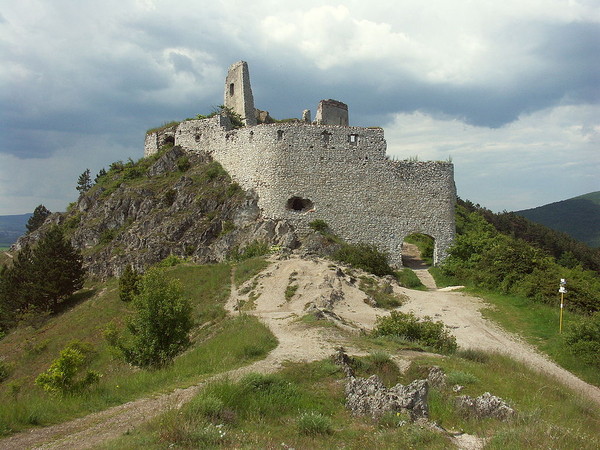
▲ The centuries-old Cachtice Castle (Image / Sourced fromWikipedia)
By / s菩?/strong>
The Jolly Traveller John MalathronasTake a journey to the small town of Cachtice in Slovakia, where a centuries-old abandoned castle stands atop a hill, radiating a terrifying and eerie vibe that makes you feel like you're on the set of a Gothic horror movie. The feared serial female killer — Countess Bathory·Elizabeth — died on August 21 over 400 years ago.
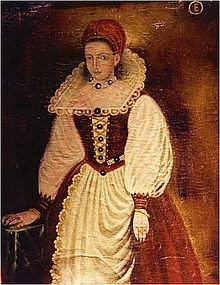
▲ The serial killer Bathory·Elizabeth who was hard to recognize (Image / Sourced fromWikipedia)
Elizabeth earned the title of the Bloody Countess because legend has it that she believed the blood of virgins could restore youth to those who bathed in it. She thus ordered the bloodletting of numerous young girls and used their blood for her baths. Elizabeth’s life has long been a popular subject in films and novels. The famous Irish writer Bram Stoker wrote the vampire novel "Dracula" in 1897, which was also inspired by Elizabeth’s story. As a member of the immensely powerful and influential Bathory family, Elizabeth, despite her noble birth, committed these unbearable acts of cruelty. Along with her three servants, she tortured approximately 100 to 650 girls to death — this figure is only an estimate, and the actual number of victims was likely much higher.
After the death of her husband Ferenc Nadasdy, a Hungarian national hero, due to war wounds in 1604, Elizabeth’s abusive behavior grew even more severe. Girls from towns around Cachtice Castle began disappearing one after another, starting with lowly peasant girls and then those from lower noble families. Elizabeth’s insatiable thirst finally drew attention to the unusual circumstances behind the disappearances. By 1610, her crimes reached the ears of the King of Hungary, prompting an investigation. In December of the same year, Elizabeth and her three servants were arrested. The three servants were tortured to death by burning, while Elizabeth was imprisoned for life within Cachtice Castle until her death on August 21, 1614.
Today, Cachtice is a modest village where you can see large houses surrounded by hedges and high-end SUVs on the driveways, with a strong sense of medieval European atmosphere everywhere. In the square stands a wooden statue of Elizabeth, which most passersby avoid.
Cachtice Castle stands quietly within a national nature reserve. Surrounded by oaks, beeches, chestnuts, and mulberry trees, we approached the castle. Though now in ruins, under the blue sky, its proud silhouette remains majestic, undiminished by the passage of time. After two years of renovation, Cachtice Castle reopened in July 2014. Although one of its towers collapsed in the 1980s, the remaining two towers still stand, one of which was where Elizabeth lived when she died. Today, it’s hard to imagine standing on the very ground where the blood-stained Elizabeth, who killed countless girls, once lived. Though the roof is gone, traces of the ceiling remain. Standing in this 4x4x5-meter room, the eerie atmosphere sends chills down your spine.
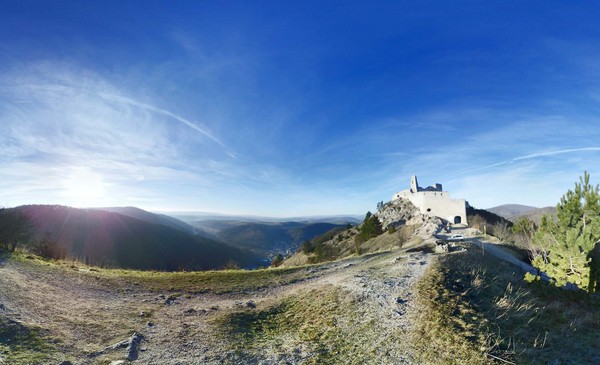
▲ Cachtice Castle under blue skies and white clouds (Image / Sourced fromCachtice Official Website)
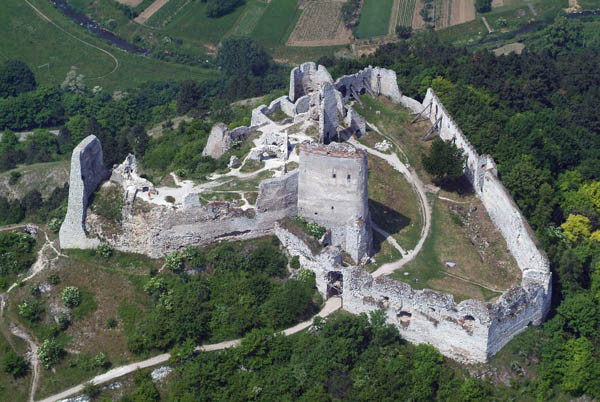
▲ Full view of Cachtice Castle (Image / Sourced fromWikipedia)
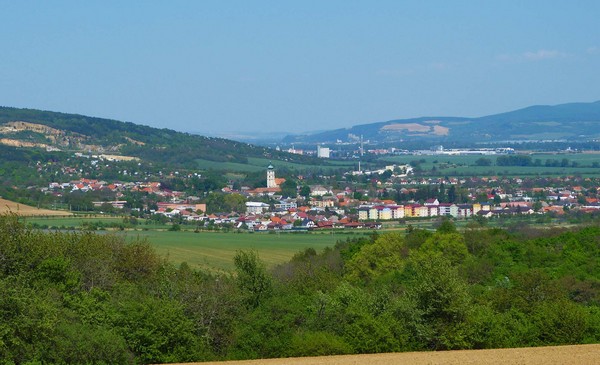
▲ The small town of Cachtice (Image / Sourced fromCachtice Official Website)
The older generation in the area regards Elizabeth with shame, but the younger people are less concerned about it. We entered the 14th-century Church of St. Ladislaus, where Elizabeth was cremated, but no one can find her grave. It is said she was laid to rest in her family tomb in Ecsed, Hungary. Next to the church is a small yet quite interesting museum displaying portraits of Elizabeth, illustrations of her life, replicas of clothes she wore, engravings of the castle, a series of coats of arms and local costumes. Nearby, the old Bathory residence is believed to be where Elizabeth carried out her atrocities. Though it is now used to store some wine, the place still lingers with the pain and resentment of the past. The wine cellar owner offered us a taste of local wine — some of remarkable quality and richness, with some bottles even labeled "Bathory Blood" (Blood of Bathory), of course, bright red in color.
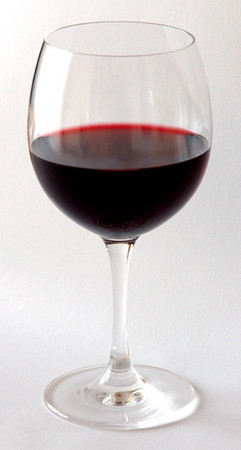
▲ Blood-red wine — is Bathory Blood wine or blood? (Image / Sourced fromWikipedia)
Share
This article is published by HowToTrip. Sharing and reposting are welcome — please credit the source.
Article URL: https://www.howtotrip.net/views-21849
Related Articles
- Shaoxing's "Grandpa Gourd" hangs the gourds back up: "If there are too many people, we'll interact less — just take a quick look from afar"
- Chinese authorities announce "reciprocal adjustment" to Japan visa fees — single-entry visa jumps from 2,250 to 16,750 yen!
- The "health stones" carried by a traveler were found to have radiation levels exceeding safety limits by a thousand times, potentially endangering fellow passengers on the same flight. Customs issues warning!
- Shenzhen Airport Issues Late-Night Notice: Unidentified Aerial Object Detected, Causing Widespread Flight Delays!
- “They only said it cost money after I opened the box and washed it!” 200g of grapes sold for 60 yuan on a high-speed train—12306 responds!
- Can't buy an airline ticket? Denied exit? Blocked from boarding? A large number of Chinese tourists have mysteriously become "discredited individuals"
- Adverse weather and economic fluctuations impact Colombia's coffee market
- Beach bathing area responds to 2 yuan/30 seconds fee for freshwater foot rinsing: Clearly priced!
- Taking off with an improperly closed cabin door? Wing malfunction? Multiple flights made emergency returns mid-journey!
- Experience the gifts of nature! A countdown of the world’s ten most stunning coastlines