Experience rural life in North Korea & taste the mineral water once drunk by Kim Il-sung
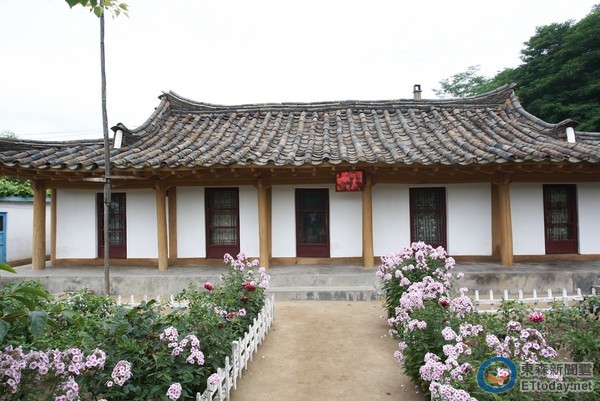
▲ This farmhouse is where the North Korean leader Kim Il-sung once lived.
Tourism center / North Korea report
After returning from an overseas trip, many people often discuss their experiences with fellow travelers: “Did you go to XXX when you went to Thailand last time?” or “I went to YYY first, then ZZZ...”. Aside from sharing their itineraries, they also plan future trips together. But if you’re traveling to North Korea’s (DPRK’s) Rason Special Economic Zone, you’ll never have to worry about such dilemmas—because there’s only one set itinerary!
Once you enter North Korea, all travel routes are designed and planned by the DPRK government. The sights, scenes, and performances you see during the trip are all prearranged, and travelers are not allowed to deviate from the group or alter the schedule. As a result, some visitors joke, “It feels like walking through the large underwater tunnel in an aquarium—there’s only one path to follow.”
When traveling to the Rason Special Economic Zone in North Korea, the first stop is a visit to the greenhouse of Kim Il-sung and Kim Jong-suk to lay flowers in tribute to these two great leaders. Other key highlights of the trip also revolve around the Kim family. One important site to visit is the farmhouse that Kim Il-sung once visited and stayed in.
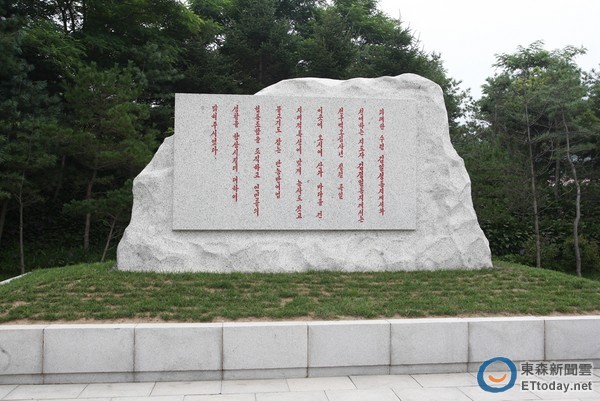
▲ Outside the rural area, you can also see monuments commemorating Kim Il-sung.
According to local guides, fishing and farming are vital livelihoods for the North Korean people, but both are heavily influenced by the seasons and weather. Therefore, the great leader Comrade Kim Il-sung instructed: “When farmers are not tilling the fields, they should assist fishermen with catching fish; when fishermen cannot go out to sea, they should help farmers with cultivation.” This approach effectively improved work efficiency. It also enhanced the lives of both fishermen and farmers, and under Kim Il-sung’s personal endorsement, this village became a local tourist attraction.
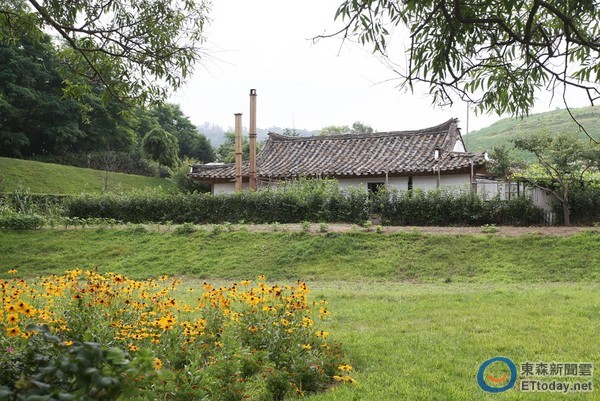
▲ White walls, roof tiles, and overhanging eaves are distinctive features of North Korean rural architecture.
Although this attraction is a village visited by Kim Il-sung, it remains a typical rural area, so the main focus here is appreciating traditional North Korean rural buildings. Guides also kindly remind visitors that although it’s a rural tour, taking photos of farmers or cattle is strictly prohibited. Residential houses belonging to ordinary villagers outside the farm are also off-limits for photography.
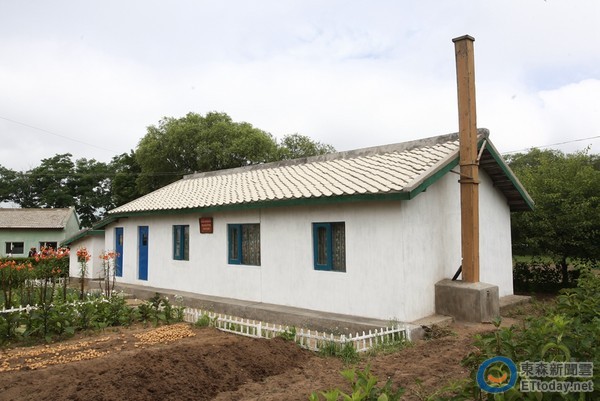
▲ One house in the village is among the few permitted for photography.
Overall, traditional North Korean architecture mostly consists of single-story homes with white walls and gray roof tiles, and doors and windows are often painted for decoration. However, unlike the densely packed rural villages one might imagine, this area has only three or four farmhouses. The environment is clean and tidy, the roads are straight and well-maintained, and although some homes have adjacent chicken coops, there is no unpleasant odor. The courtyards also feature well-tended flowers and trees, reflecting the Korean people’s emphasis on cleanliness.
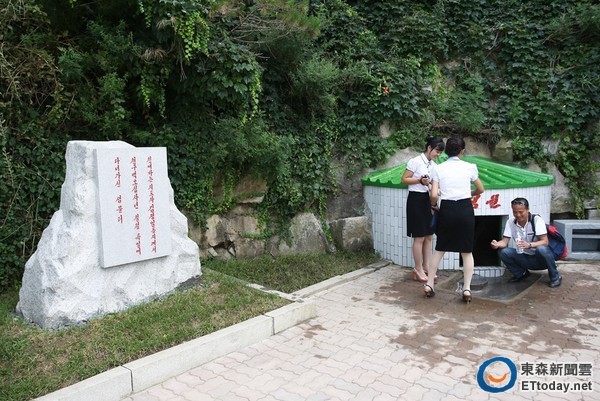
▲ A monument also stands beside the spring water once drunk by Kim Il-sung. The two women in the photo are the North Korean guides responsible for the entire tour commentary and video recording.
In this village, aside from the farmhouse once visited by Kim Il-sung, another major highlight is the spring water that Kim Il-sung once drank. This spring is located at the back of the village, with a stone monument commemorating Kim Il-sung nearby. The spring is protected by green roof tiles and white ceramic tiles, with only an opening left for scooping water. The guide says the water from this well is sweet, cool, and very refreshing in the summer heat.
Accompanied by three North Korean guides and under constant video recording, everyone was invited to scoop and taste the water. Naturally, all agreed it was a cool, refreshing spring—invigorating and truly praiseworthy.
Share
This article is published by HowToTrip. Sharing and reposting are welcome — please credit the source.
Article URL: https://www.howtotrip.net/views-21778
Related Articles
- Shaoxing's "Grandpa Gourd" hangs the gourds back up: "If there are too many people, we'll interact less — just take a quick look from afar"
- Chinese authorities announce "reciprocal adjustment" to Japan visa fees — single-entry visa jumps from 2,250 to 16,750 yen!
- The "health stones" carried by a traveler were found to have radiation levels exceeding safety limits by a thousand times, potentially endangering fellow passengers on the same flight. Customs issues warning!
- Shenzhen Airport Issues Late-Night Notice: Unidentified Aerial Object Detected, Causing Widespread Flight Delays!
- “They only said it cost money after I opened the box and washed it!” 200g of grapes sold for 60 yuan on a high-speed train—12306 responds!
- Can't buy an airline ticket? Denied exit? Blocked from boarding? A large number of Chinese tourists have mysteriously become "discredited individuals"
- Adverse weather and economic fluctuations impact Colombia's coffee market
- Beach bathing area responds to 2 yuan/30 seconds fee for freshwater foot rinsing: Clearly priced!
- Taking off with an improperly closed cabin door? Wing malfunction? Multiple flights made emergency returns mid-journey!
- Experience the gifts of nature! A countdown of the world’s ten most stunning coastlines