Globally Voted “Top 25 Museums in Asia” – National Palace Museum Taiwan Ranked 19th
Tourism Center / Comprehensive Report
The well-known travel website TripAdvisor holds its annual “Travellers’ Choice” awards. Recently, it released therankings of the “2014 Best Museums in Asia” as voted bytravelers worldwide. The National Palace Museum in Taipei lived up to expectations by making the list at rank 19.
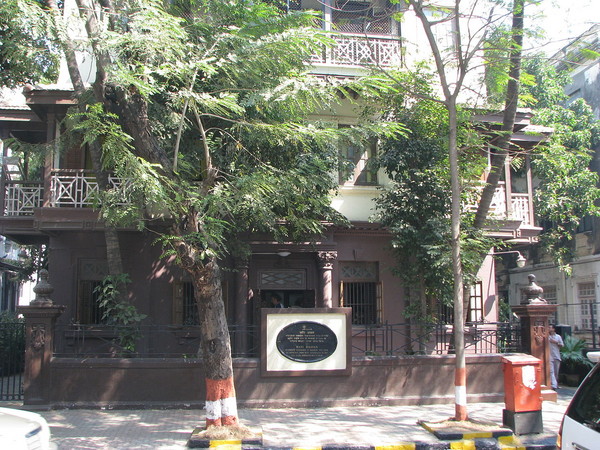
▲25. Mumbai, India – Mani Bhavan Gandhi Museum. Originally the residence of Gandhi in Mumbai, it now preserves his writings, historical photos, personal belongings, and is open to the public. (Photo / from Wikipedia)
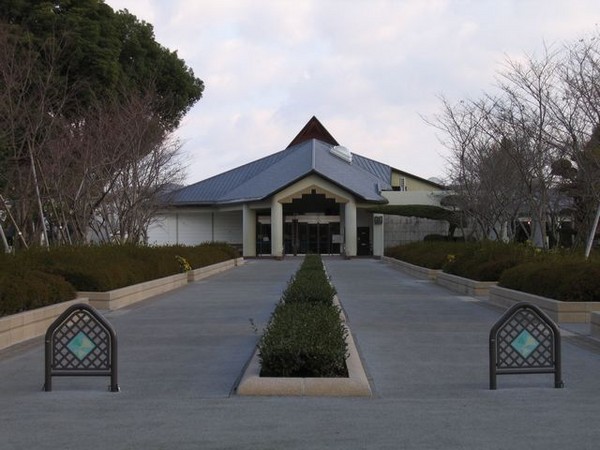
▲24. Chiran, Japan – Chiran Peace Museum for Kamikaze Pilots. Formerly a training site for Japan’s special attack units, it now mainly commemorates soldiers who sacrificed their lives during World War II, but photography is prohibited inside. (Photo / from Wikipedia)
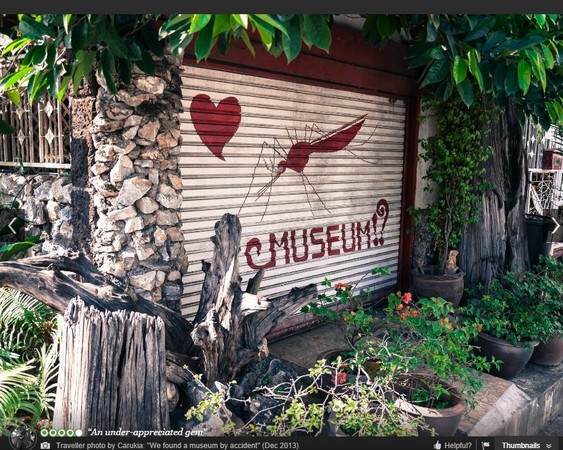
▲23. Chiang Mai, Thailand – The World Insect Museum. A unique museum that also serves as a private residence. Its owner is a Ph.D. in entomology and a globally renowned mosquito control expert. The rich collection of insect exhibits makes it a must-visit for insect enthusiasts. (Photo / from TripAdvisor)
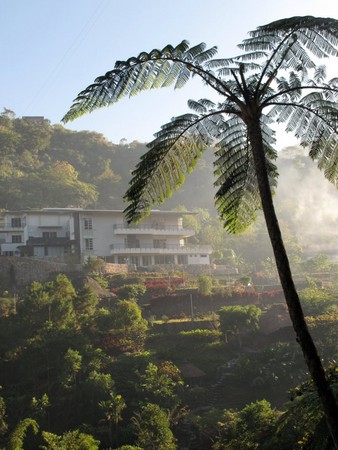
▲22. Baguio City, Philippines – BenCab Museum. BenCab is a renowned Filipino artist whose works have been exhibited internationally in London, Spain, Japan, and more. He established his personal museum in 2009, which also occasionally showcases works by emerging artists. (Photo / fromBenCab Museum fan page))
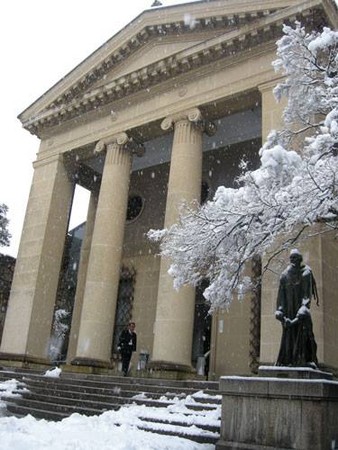
▲21. Kurashiki, Japan – Ohara Museum of Art. Known for its Greek temple-style architecture, it houses many precious artworks. It is said the museum survived WWII bombings because people knew it held valuable collections and deliberately avoided hitting it. (Photo / fromOhara Museum of Art fan page))
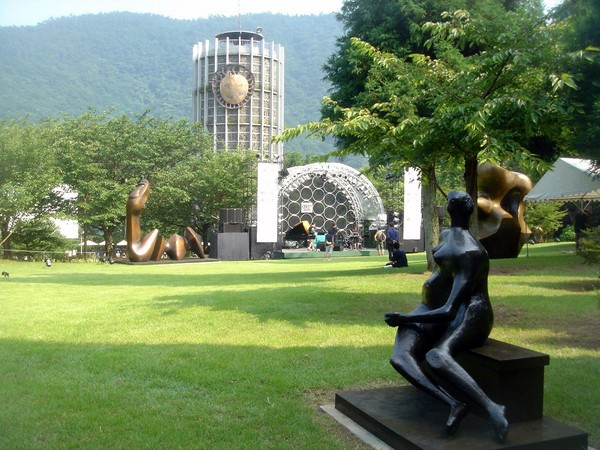
▲20. Hakone, Japan – Hakone Open-Air Museum. Famous as Asia’s first outdoor sculpture museum dedicated to sculpture, its playful and fascinating artworks offer new surprises every visit. (Photo / from Wikipedia)
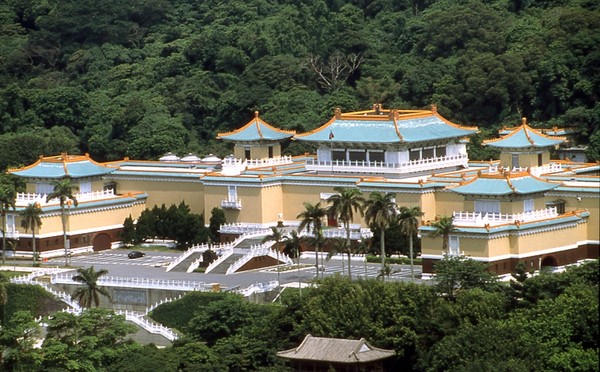
▲19. Taipei, Taiwan – National Palace Museum. A must-visit museum in Taiwan, the National Palace Museum welcomed over 4.4 million visitors in 2013. Highlights include the Jadeite Cabbage and Meat-shaped Stone, while the museum's popular cultural merchandise themed on Emperor Kangxi’s handwriting “朕知道了” (I see/I understand) is a hit with both domestic and international tourists. (Photo / from the Tourism Bureau, MOTC, Taiwan official website)
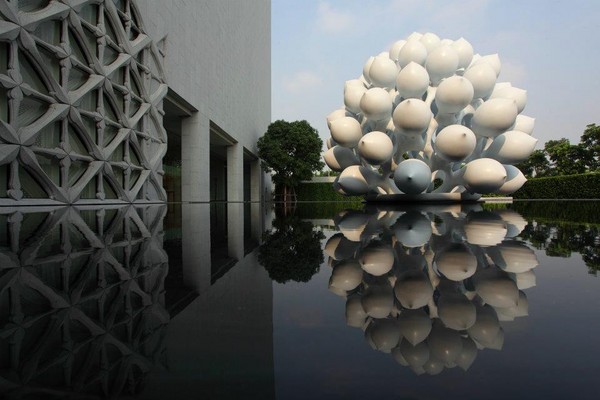
▲18. Bangkok, Thailand – Museum of Contemporary Art. For those seeking cutting-edge and creative contemporary art, this Bangkok museum is a must. The giant lotus bud-inspired water pool in front of the ticket office is an iconic landmark and it is the only contemporary art museum in Southeast Asia. (Photo / fromMuseum of Contemporary Art Bangkok fan page))
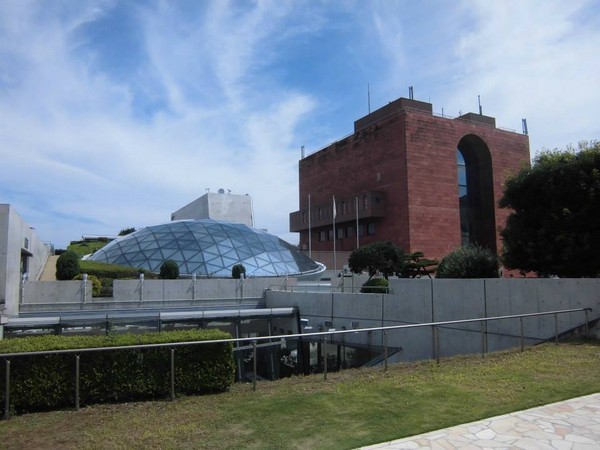
▲17. Nagasaki, Japan – Nagasaki Atomic Bomb Museum. During WWII, the U.S. dropped atomic bombs here and on Hiroshima, leading to Japan’s unconditional surrender. The museum was built to commemorate this somber history. Its most famous exhibits are the clock frozen at the exact time of the blast and the reconstructed Urakami Cathedral, the largest church in Nagasaki before the bombing. (Photo / fromNagasaki Atomic Bomb Museum fan page))
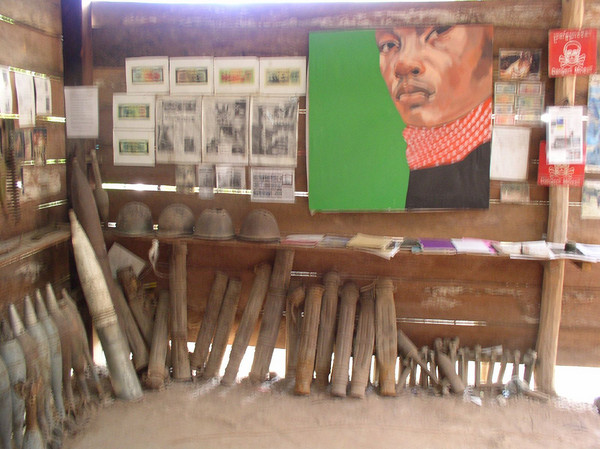
▲16. Siem Reap, Cambodia – Cambodia Landmine Museum. In addition to displaying various landmines and related history, the museum also showcases photos of those affected by landmines, raising awareness about their dangers. (Photo / from Wikipedia)
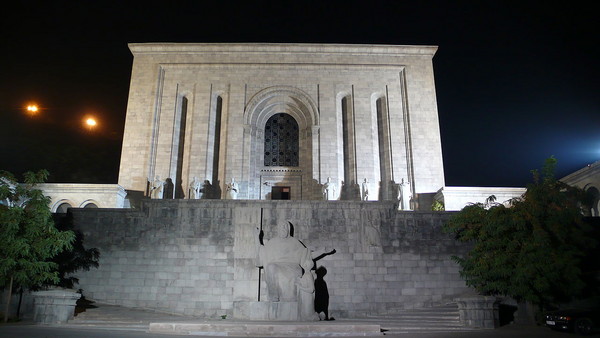
15. Yerevan, Armenia – Matenadaran Museum of Ancient Manuscripts. It is the world’s largest repository of Armenian manuscripts, housing some dating back to the 5th century. The stone carving of Saint Mesrop Mashtots at the entrance is revered as the “Confucius of Armenia” and the founder of the modern Armenian alphabet. (Photo / from Wikipedia)
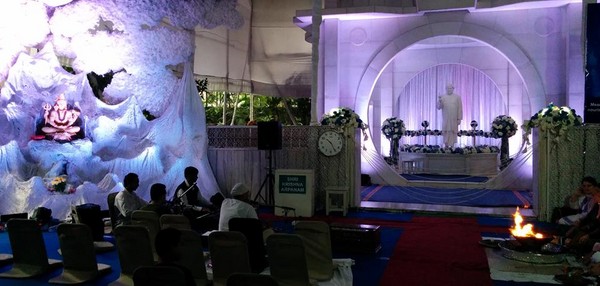
▲14. Pune, India – Raja Dinkar Kelkar Museum. Technically not a traditional museum, it still charges an entry fee to maintain operations. The museum uses 3D displays to engage visitors in storytelling and explore the deeper meanings behind the tales. (Photo / fromRaja Dinkar Kelkar Museum fan page))
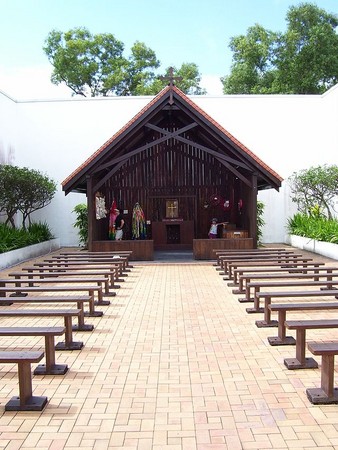
▲13. Singapore – Changi Chapel and Museum. During WWII, this site was a prison and a burial ground for POWs by the Japanese. POWs built a simple chapel here for spiritual comfort, which is now a museum. (Photo / from Wikipedia)
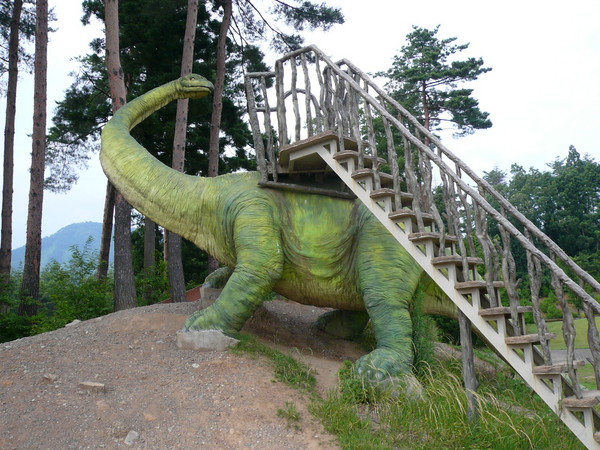
▲12. Katsuyama, Japan – Fukui Prefectural Dinosaur Museum. Not only is it Japan’s largest dinosaur museum, but it is also one of the top three in the world. The Fukui Prefecture area has also yielded the highest number of dinosaur fossils in Japan, offering visitors a chance to experience the ancient age of dinosaurs firsthand. (Photo / from Wikipedia)
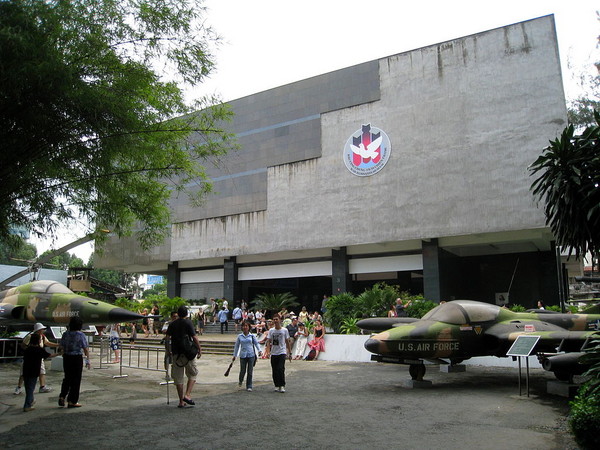
▲11. Ho Chi Minh City, Vietnam – War Remnants Museum. The museum primarily showcases items related to the U.S. military during the Vietnam War, including several types of military aircraft used by the U.S. and other related photos. (Photo / from Wikipedia)
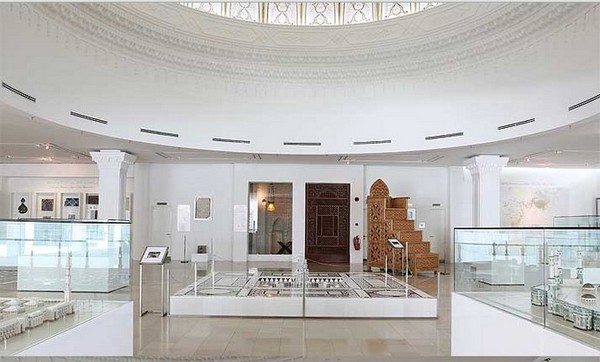
▲10. Kuala Lumpur, Malaysia – Islamic Arts Museum. Apart from being a large-scale artwork in itself, the museum exhibits aspects of life in the Islamic world — including food, clothing, shelter, architecture, paintings, attire, and more. A visit to the museum feels like a journey through the Islamic world. (Photo / from Islamic Arts Museum Malaysia official website)
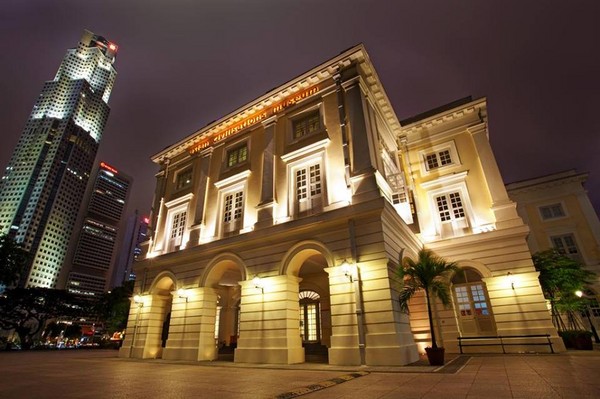
▲9. Singapore – Asian Civilisations Museum. Once serving as a courthouse and mint, the museum now houses over 1,500 artifacts representing Asian culture. Interestingly, ticket prices vary depending on the current exhibitions. (Photo / fromAsian Civilisations Museum fan page))
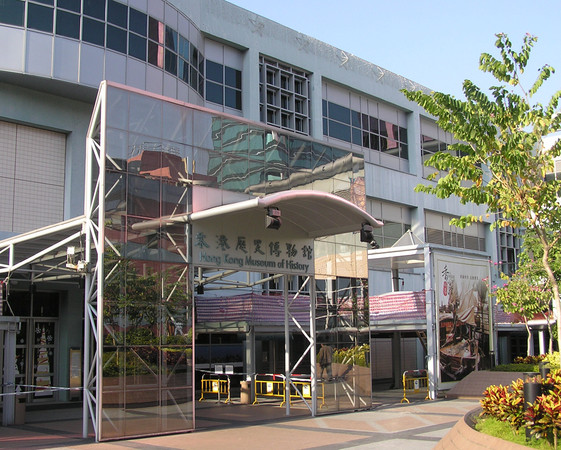
▲8. Hong Kong – Hong Kong Museum of History. The exhibits cover natural ecology, folklore, historical development, and archaeological findings, allowing visitors to learn about the area’s past and long-term development. (Photo / from Wikipedia)
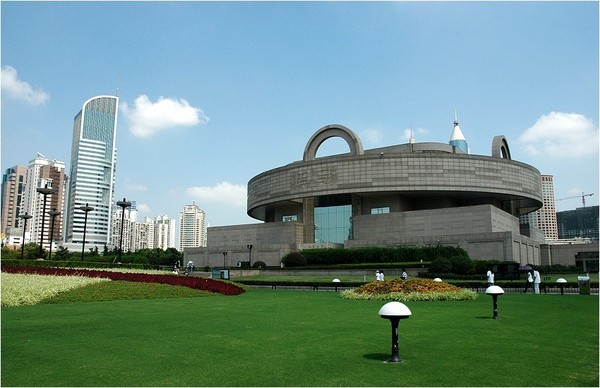
▲7. Shanghai, China — Shanghai Museum. Housing over 120,000 precious cultural relics, it is one of China’s largest museums of ancient art, particularly renowned for its exhibits of bronze ware, ceramics, and calligraphy. (Photo / From Wikipedia)
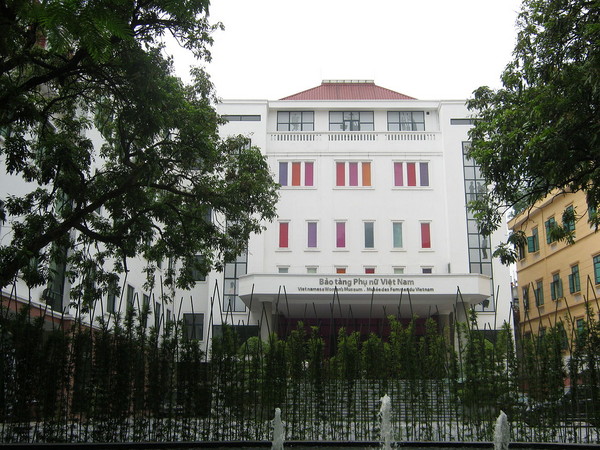
▲6. Hanoi, Vietnam — Vietnamese Women’s Museum. Women have played an extremely important role in Vietnamese history—not only managing households but also standing alongside men to defend the nation. In 1987, the Vietnamese government built this museum specifically to showcase women-related artifacts such as jewelry, documents, photographs, and textiles. (Photo / From Wikipedia)
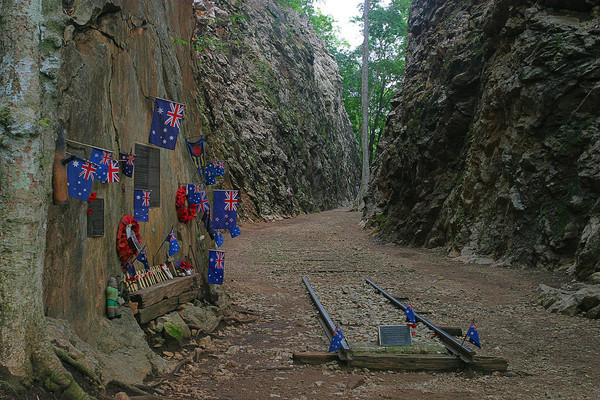
▲5. Kanchanaburi, Thailand — Hellfire Pass Memorial Museum. The name comes from the explosions that occurred when workers dug tunnels and planted large amounts of dynamite during the construction of the railway—the blasts were said to resemble flames from hell. Today, visitors can see the remnants of the excavation and the railway. (Photo / From Wikipedia)
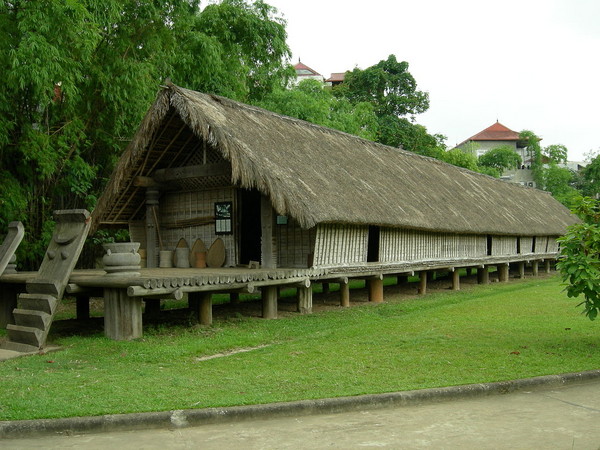
▲4. Hanoi, Vietnam — Vietnam Museum of Ethnology. This indoor and outdoor ethnological museum introduces all the ethnic groups within Vietnam and displays many indigenous houses, tombs, and cottages. (Photo / From Wikipedia)
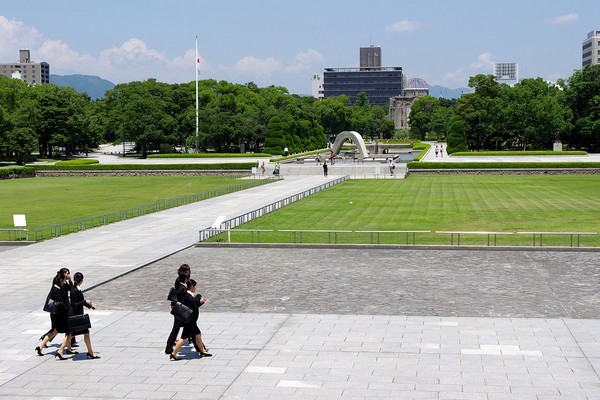
▲3. Hiroshima, Japan — Hiroshima Peace Memorial Museum. In addition to exhibiting the actual scenes of the atomic bomb explosion dropped by the U.S. military during World War II, it also portrays the lives of local residents afterward. The museum also advocates for global nuclear disarmament to achieve world peace. (Photo / From Wikipedia)
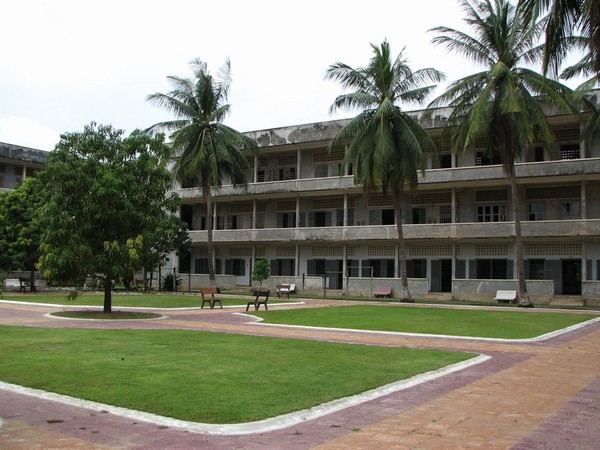
▲2. Phnom Penh, Cambodia — Tuol Sleng Genocide Museum. Originally a high school, it was converted into a prison and execution center in 1975. Now it serves as a memorial for those persecuted under the brutal Khmer Rouge regime and is open to the public. (Photo / From Wikipedia)
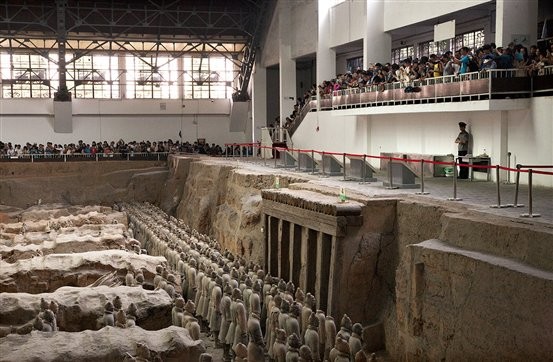
▲1. Xi’an, China — Emperor Qinshihuang’s Mausoleum Site Museum. Visiting Xi’an without seeing the spectacular Terracotta Army here truly means you haven’t been to Xi’an. The mausoleum of Emperor Qin Shi Huang is not only the largest among imperial tombs throughout history, but its rich burial artifacts and massive terracotta army have made it a must-visit tourist destination since its discovery. (Photo / FromEmperor Qinshihuang’s Mausoleum Site Museum official website)
Share
This article is published by HowToTrip. Sharing and reposting are welcome — please credit the source.
Article URL: https://www.howtotrip.net/views-20168
Related Articles
- Shaoxing's "Grandpa Gourd" hangs the gourds back up: "If there are too many people, we'll interact less — just take a quick look from afar"
- Chinese authorities announce "reciprocal adjustment" to Japan visa fees — single-entry visa jumps from 2,250 to 16,750 yen!
- The "health stones" carried by a traveler were found to have radiation levels exceeding safety limits by a thousand times, potentially endangering fellow passengers on the same flight. Customs issues warning!
- Shenzhen Airport Issues Late-Night Notice: Unidentified Aerial Object Detected, Causing Widespread Flight Delays!
- “They only said it cost money after I opened the box and washed it!” 200g of grapes sold for 60 yuan on a high-speed train—12306 responds!
- Can't buy an airline ticket? Denied exit? Blocked from boarding? A large number of Chinese tourists have mysteriously become "discredited individuals"
- Adverse weather and economic fluctuations impact Colombia's coffee market
- Beach bathing area responds to 2 yuan/30 seconds fee for freshwater foot rinsing: Clearly priced!
- Taking off with an improperly closed cabin door? Wing malfunction? Multiple flights made emergency returns mid-journey!
- Experience the gifts of nature! A countdown of the world’s ten most stunning coastlines