Explore Survivor’s Island in Sabah – Even if you slip, soak in the volcanic mud pits
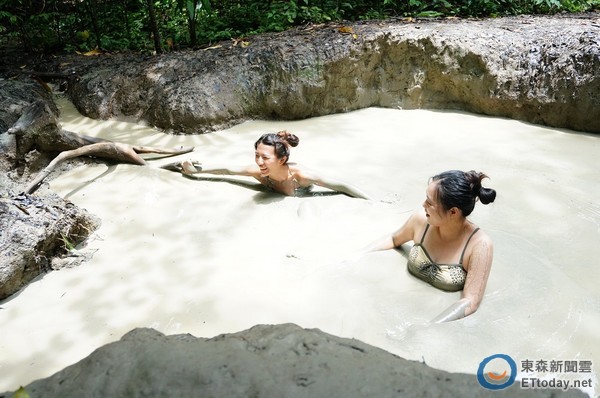
▲ The most famous volcanic mud pit on Pulau Tiga, where the mud’s buoyancy allows you to float freely.
Reported and photographed by reporter Hsu Ya-Chu / Sabah, Malaysia
Pulau Tiga is located southwest of Kota Kinabalu, the capital of Sabah, and gained fame after the reality TV show*Survivor*was filmed here, earning it the nickname "Survivor Island." The island is best known for its buoyant volcanic mud and pristine, untouched environment. Its rich marine ecosystem also attracts many diving enthusiasts.
Sabah is Malaysia’s second-largest state, and Pulau Tiga is about 35 nautical miles southwest of Kota Kinabalu. To get there from Kota Kinabalu, you’ll need to take a 2-hour bus ride to the jetty, followed by a 30-minute boat trip. Pulau Tiga is the largest island in Pulau Tiga National Park and was originally uninhabited. After *Survivor* was filmed here, resorts and other facilities were added, but the island still has no permanent residents—only resort staff live there.
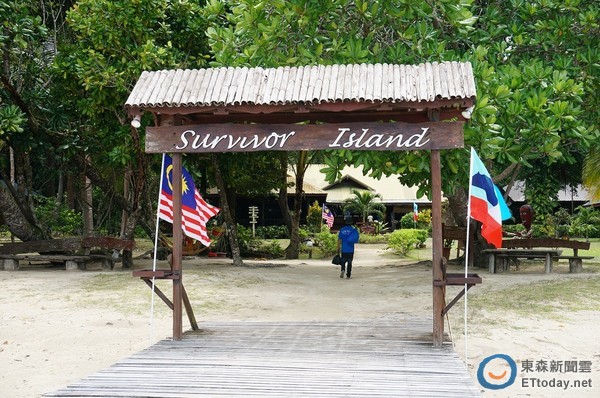
▲ Pulau Tiga became famous thanks to the *Survivor* show and is also known as "Survivor Island."
At the island’s highest peak, several small mud volcanoes emit mineral-rich volcanic mud, which has skincare benefits and is the island’s most popular attraction.To reach it, you must be led by staff through a fairly primitive jungle trail. The path is full of tree roots and muddy patches, with few places to hold onto. Some sections are steep, so every step requires caution to avoid slipping.
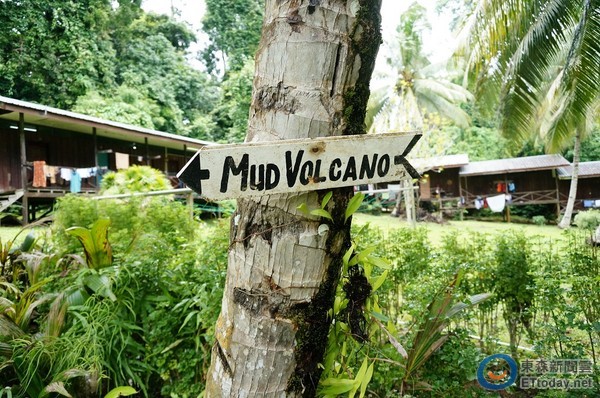
▲ The volcanic mud pits are the most famous attraction on Pulau Tiga.
On the day the reporter visited the mud pits, it had rained in the early morning, making the walk even more challenging. Even with caution, they slipped several times, and the journey felt longer. In such conditions, going barefoot is easier than wearing shoes, but watch out for sharp twigs that could scrape your feet. Readers are advised to apply insect repellent before venturing into the jungle and to avoid carrying too much luggage.
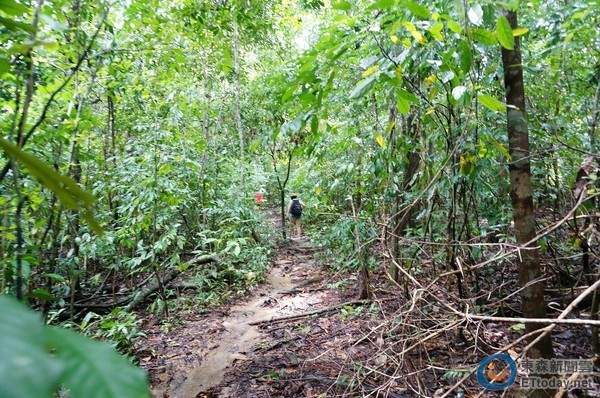
▲ A primitive trail leads to the volcanic mud pits.
It took the reporter about 30 minutes to reach the mud pits that day. Without the early morning rain, the trip would have been shorter.The mud pits aren’t large, with bubbles occasionally rising and a sulfuric smell in the air. Stepping into the mud brings an unexpectedly delightful buoyancy. Non-swimmers need not worry—being embraced by the cool volcanic mud and floating freely is a truly unique experience.Note: Due to the early morning rain, the mud was cooler that day. On non-rainy days, the mud is warm.
After retracing your steps back to the resort, simple facilities are available for rinsing off. Also, since there’s no place to change at the mud pits, it’s recommended to put on your swimsuit before starting the trip.
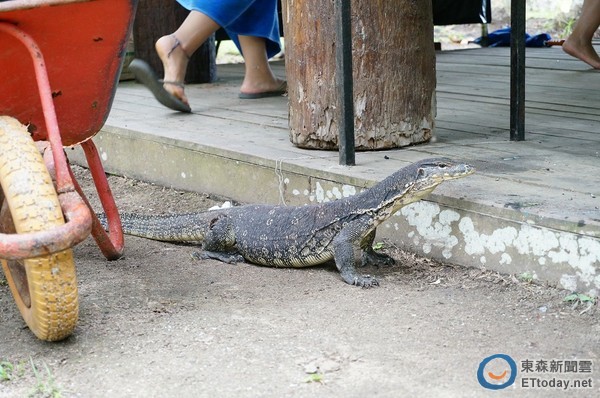
▲ A monitor lizard on Pulau Tiga.
Pulau Tiga’s natural environment is pristine and untouched, offering opportunities to spot animals like monitor lizards, macaques, and unique birds. The marine ecosystem is also rich, allowing for snorkeling or scuba diving to admire beautiful corals and fish. On clear days, the clean, azure waters are refreshing. Another notable island in Pulau Tiga National Park is "Snake Island," home to various species of sea snakes and accessible by boat from Pulau Tiga.
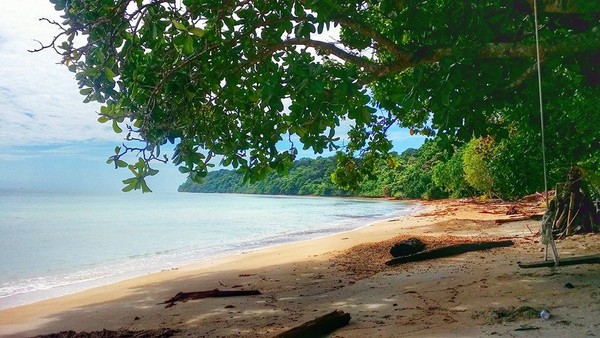
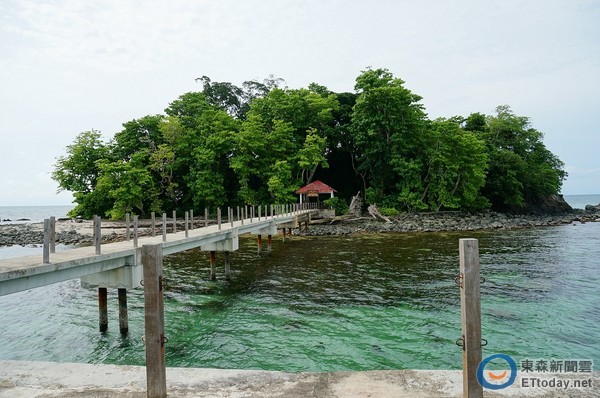
▲ On clear days, the waters around Pulau Tiga are clear and azure (left photo / from Pulau Tiga Resort Facebook). Snake Island is famous for its diverse sea snakes (right photo).
A trip to Pulau Tiga offers a natural environment and unique experiences, making it a beautiful hidden gem. Readers are encouraged to visit, but remember to respect the local environment to preserve Pulau Tiga’s charm for years to come.
For more information on traveling to Pulau Tiga, seethe Sabah Tourism Board websiteorthe Malaysia Tourism Board website.
Share
This article is published by HowToTrip. Sharing and reposting are welcome — please credit the source.
Article URL: https://www.howtotrip.net/views-19864
Related Articles
- Shaoxing's "Grandpa Gourd" hangs the gourds back up: "If there are too many people, we'll interact less — just take a quick look from afar"
- Chinese authorities announce "reciprocal adjustment" to Japan visa fees — single-entry visa jumps from 2,250 to 16,750 yen!
- The "health stones" carried by a traveler were found to have radiation levels exceeding safety limits by a thousand times, potentially endangering fellow passengers on the same flight. Customs issues warning!
- Shenzhen Airport Issues Late-Night Notice: Unidentified Aerial Object Detected, Causing Widespread Flight Delays!
- “They only said it cost money after I opened the box and washed it!” 200g of grapes sold for 60 yuan on a high-speed train—12306 responds!
- Can't buy an airline ticket? Denied exit? Blocked from boarding? A large number of Chinese tourists have mysteriously become "discredited individuals"
- Adverse weather and economic fluctuations impact Colombia's coffee market
- Beach bathing area responds to 2 yuan/30 seconds fee for freshwater foot rinsing: Clearly priced!
- Taking off with an improperly closed cabin door? Wing malfunction? Multiple flights made emergency returns mid-journey!
- Experience the gifts of nature! A countdown of the world’s ten most stunning coastlines