A Fusion of Eurasian Cultures – Tao Shilong: Must-Try Exotic Foods and Coffee in Ho Chi Minh City
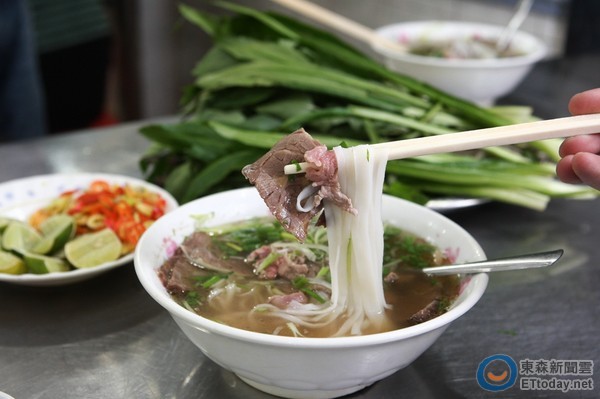
▲ Vietnamese pho is one of the most iconic dishes in Vietnam. (Photo / Reporter Chen Ruizhong, the same below)
Reporter Chen Ruizhong / Special Report
The period from late November to February of the following year is the best time to visit Ho Chi Minh City in Vietnam. Tao Shilong, Chairman of Golden Far East International Travel Agency with extensive experience in Vietnam, says that Ho Chi Minh City has a well-developed tourism industry, making it ideal for independent travelers to explore local culture and enjoy authentic cuisine.
Tao Shilong explains that Ho Chi Minh City, formerly known as Saigon, has a history of over 300 years and has been influenced by Chinese, French, and American cultures, creating a unique urban style. Amidst this cultural fusion, Vietnam not only preserves its historical character but has also developed its own blend of traditions.
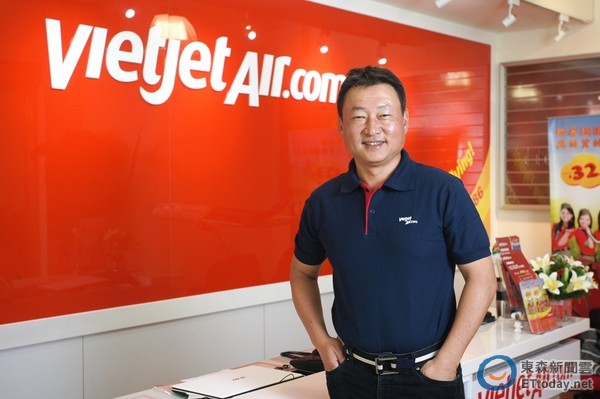
▲ Tao Shilong, Chairman of Golden Far East International Travel Agency.
For example, along the roads in central Ho Chi Minh City, you often see rows of ancient trees over ten meters tall, earning these streets the nickname “high-tree highways.” Tao Shilong notes that these trees were planted during the French colonial period. To protect these valuable trees, the Vietnamese government has not only numbered them but also mandated that roads cannot be widened to avoid harming the trees. This approach to preserving both trees and history is part of what makes Vietnam so endearing.
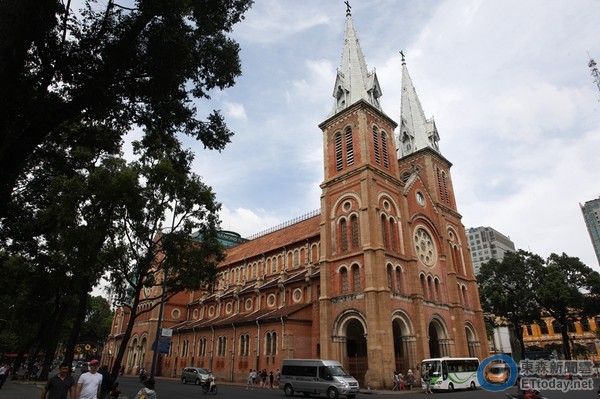
▲ Both the old trees and the famous Notre-Dame Cathedral are legacies of Vietnam’s French colonial past.
Additionally, in terms of architecture, Vietnam’s rich cultural fusion is evident everywhere. From French-style buildings to Chinese temples, all can be admired in Ho Chi Minh City. Similarly, foods such as French baguettes, coffee, pho, and spring rolls all show adaptations and influences from various international cuisines.

▲ The adapted French baguette has become a popular street snack in Vietnam.
For instance, Vietnamese people typically cut the baguette in half and add ingredients like lettuce, meat pâté, chili sauce, and sliced meat—each vendor offering their own unique twist, turning the baguette into Vietnam’s alternative version of a “submarine sandwich.” While Taiwanese people prefer their coffee with sugar and milk, Vietnamese locals like to add thick condensed milk. As for Tao Shilong’s personal favorite, Vietnamese spring rolls, they differ in fillings, wrappers, sauces, and cooking methods, resulting in hundreds of flavor variations that always surprise diners—making them an essential local delicacy to try in Vietnam.
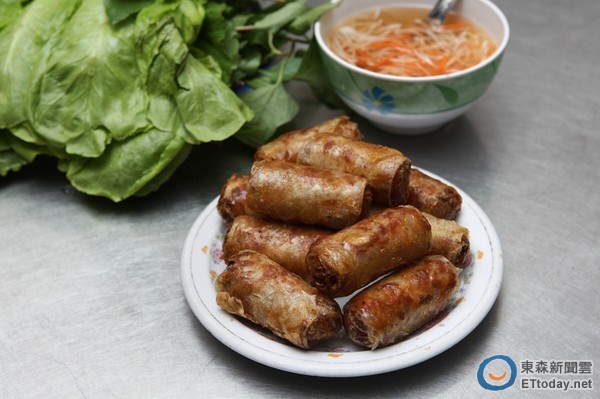
▲ Vietnamese spring rolls come in countless varieties, whether served fresh or fried.
Tao Shilong adds that beyond the familiar dishes enjoyed by Taiwanese travelers, there are other must-try Vietnamese foods, including durians, mangosteens, and rambutans.
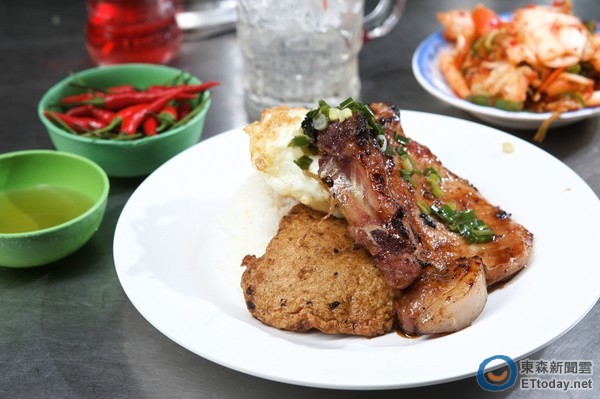
Compared to Thai durians, Vietnamese ones tend to be smaller but sweeter and less pungent. During the peak season, travelers can even buy them at the airport. Among tropical fruits, rambutans are particularly popular. Their flesh is fine and sweet, and they make a great snack. Broken rice, another local favorite, is similar to Taiwan’s pork rib rice. The rice, made from broken grains, is fluffy and fragrant, especially when paired with fish sauce. It is always served with a piece of grilled meat or customized with other side dishes. Though simple, it leaves diners wanting more. Tao Shilong jokes, “Every time I eat it, I can finish two big plates!”
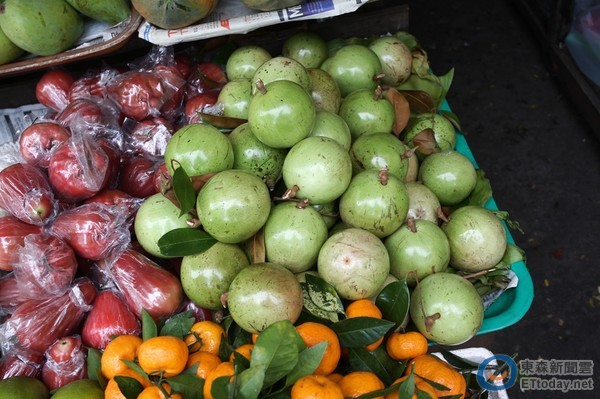
▲ Milk fruit, whose flesh is sweet and delicate.
▲ Vietnamese street food: broken rice.
For travelers planning to visit Ho Chi Minh City, Tao Shilong recommends using budget airlines combined with independent itineraries to enjoy more flexibility and freedom compared to group tours. He points out that Golden Far East International Travel Agency became the Taiwan general agent for VietJet Air in 2014, anticipating the growth of low-cost carriers in Asia.
Reflecting on the process of becoming VietJet Air’s agent, Tao Shilong explains that civil aviation authorities have significantly increased their focus on passenger rights and safety. Airlines and general agents are now required to submit detailed documentation and deposits, with stricter scrutiny. Golden Far East had to coordinate closely with VietJet Air to ensure smooth operations. After much effort, VietJet Air officially launched its Taipei–Ho Chi Minh route on December 12, 2014, providing travelers with a new option.
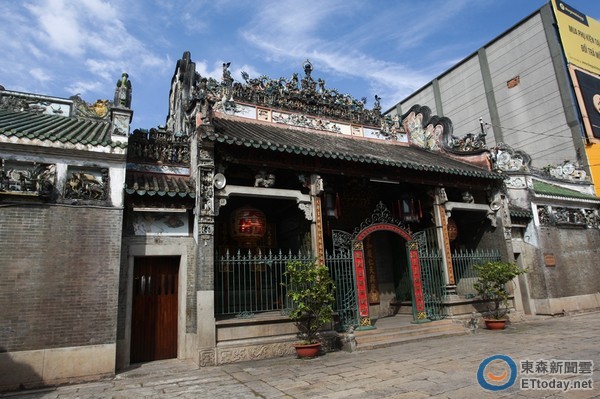
▲ Influenced by Chinese culture, Chinese guildhalls can also be seen on the streets of Ho Chi Minh City.
Tao Shilong believes that with the impact of the internet on the industry, travel agencies will inevitably move toward two main directions: scaling up and specializing. Therefore, Golden Far East International Travel Agency leverages its expertise and experience in Indochina and Southeast Asia to act as a bridge between airlines and customers, creating value through its general agency role. The company currently serves as the Taiwan general agent for regional low-cost carriers such as VietJet, SkyAsia, and Golden Myanmar, and aims to continue expanding its presence with the goal of “one airline per Southeast Asian country.”
Tao Shilong believes that with the industrial impact brought by the internet, travel agencies will inevitably move toward two major directions in the future: quantification and specialization. Therefore, Golden Far East International Travel Agency leverages its expertise and experience in the Indochina Peninsula and Southeast Asia to serve as a bridge between airlines and customers, using its role as a general agent to create self-worth. The company currently serves as the general agent in Taiwan for regional low-cost carriers such as Vietjet, Sky Asia, and Golden Myanmar, and will continue to advance toward the goal of “one airline per Southeast Asian country.”
Share
This article is published by HowToTrip. Sharing and reposting are welcome — please credit the source.
Article URL: https://www.howtotrip.net/views-14867
Related Articles
- Shaoxing's "Grandpa Gourd" hangs the gourds back up: "If there are too many people, we'll interact less — just take a quick look from afar"
- Chinese authorities announce "reciprocal adjustment" to Japan visa fees — single-entry visa jumps from 2,250 to 16,750 yen!
- The "health stones" carried by a traveler were found to have radiation levels exceeding safety limits by a thousand times, potentially endangering fellow passengers on the same flight. Customs issues warning!
- Shenzhen Airport Issues Late-Night Notice: Unidentified Aerial Object Detected, Causing Widespread Flight Delays!
- “They only said it cost money after I opened the box and washed it!” 200g of grapes sold for 60 yuan on a high-speed train—12306 responds!
- Can't buy an airline ticket? Denied exit? Blocked from boarding? A large number of Chinese tourists have mysteriously become "discredited individuals"
- Adverse weather and economic fluctuations impact Colombia's coffee market
- Beach bathing area responds to 2 yuan/30 seconds fee for freshwater foot rinsing: Clearly priced!
- Taking off with an improperly closed cabin door? Wing malfunction? Multiple flights made emergency returns mid-journey!
- Experience the gifts of nature! A countdown of the world’s ten most stunning coastlines