Hot springs are dirtier than you think! Five hygiene blind spots in Japan travel that are easy to overlook
By Rita
With the depreciation of the Japanese yen, many people booked their flights two or three months in advance, ready to head to Japan to soak in hot springs in the freezing cold, then enjoy a delicious meal afterward! But when traveling to Japan in winter, you need to be even more careful about taking care of your health. According to a report by U.S. media outlet HuffPost titled “Five hygiene blind spots in Japan travel,” travelers are reminded to pay attention to these commonly overlooked details to avoid getting sick and ruining the rest of their trip!
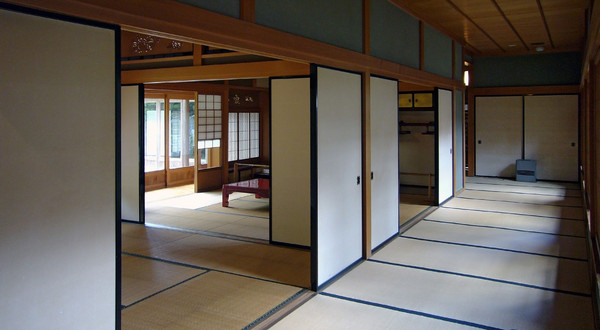
▲ Five hygiene blind spots in Japan travel that are easy to overlook—remind travelers to stay vigilant (Image/Wikipedia)
1. Public bathhouses
Most traditional Japanese accommodations share bathing areas and washing facilities, which can easily become entry points for germs.
The preventive measure is simple: rinse everything with water before using it, including the toilet flush button, towel hooks, etc.
While it may not eliminate all bacteria, it’s at least a bit cleaner.
If you’re prone to catching colds, it’s best to choose a slightly more expensive hotel to avoid sharing facilities with strangers.
2. Curtains in old inns
In old budget hotels, tatami mats often go years without being replaced, and bedding may also be very old.
Since smoking is very popular in Japan, curtains and interior decorations may carry strong smoke odors, which are very unfavorable for travelers with asthma or respiratory conditions.
3. Public slippers
When entering a Japanese-style inn, you’ll usually see a row of slippers—and it’s easy to just put them on without thinking.
Even if the slippers are made of plastic, they can actually be extremely dirty!
If you can’t avoid wearing them, try putting on socks first before slipping into the slippers.
4. Hot springs
How can you visit Japan without soaking in a hot spring?
But hot springs may be dirtier than you think.
If you’re traveling with children, remind them not to dunk their entire heads underwater—it’s not only impolite but could also lead to ear infections or gastrointestinal issues (you might accidentally swallow dirty water).
If you have any open wounds, it’s best not to enter the water.
Also, remember to shower before entering the bathhouse to rinse off your body.
5. Currency exchange
Hand sanitizer is everywhere in Japan, especially at places involving money transactions—you’ll usually find it available, so use it when you see it.
Share
This article is published by HowToTrip. Sharing and reposting are welcome — please credit the source.
Article URL: https://www.howtotrip.net/views-14726
Related Articles
- Shaoxing's "Grandpa Gourd" hangs the gourds back up: "If there are too many people, we'll interact less — just take a quick look from afar"
- Chinese authorities announce "reciprocal adjustment" to Japan visa fees — single-entry visa jumps from 2,250 to 16,750 yen!
- The "health stones" carried by a traveler were found to have radiation levels exceeding safety limits by a thousand times, potentially endangering fellow passengers on the same flight. Customs issues warning!
- Shenzhen Airport Issues Late-Night Notice: Unidentified Aerial Object Detected, Causing Widespread Flight Delays!
- “They only said it cost money after I opened the box and washed it!” 200g of grapes sold for 60 yuan on a high-speed train—12306 responds!
- Can't buy an airline ticket? Denied exit? Blocked from boarding? A large number of Chinese tourists have mysteriously become "discredited individuals"
- Adverse weather and economic fluctuations impact Colombia's coffee market
- Beach bathing area responds to 2 yuan/30 seconds fee for freshwater foot rinsing: Clearly priced!
- Taking off with an improperly closed cabin door? Wing malfunction? Multiple flights made emergency returns mid-journey!
- Experience the gifts of nature! A countdown of the world’s ten most stunning coastlines