The chirping of insects, birdsong, and starry skies — Malaysia’s Bamu Estate brings people closer to nature.
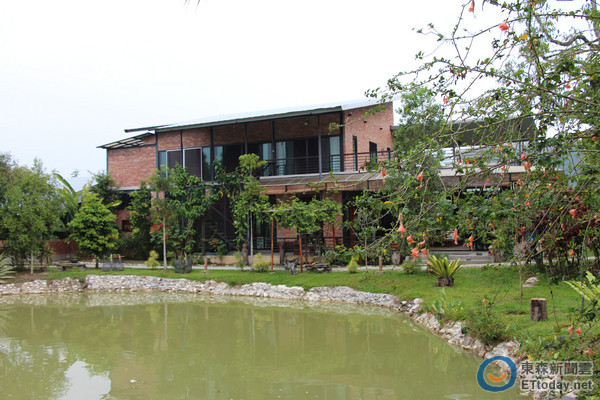
▲ Bamu Leisure Resort in Malaysia.
Reported and photographed by Huang Shiyuan, journalist, Malaysia
With the progress of the times, cities have become more numerous and larger, and people have grown farther from nature. With technological advancements, communication and interaction among people have become more distant, with many even immersed in the world of smartphones. In Malaysia, Gan Lik Quan (Paul), who works in human resources consulting, felt this shouldn’t be the case. He believed people should be with nature, and there should be more interaction between parents and children. So, he spent over two years searching for a piece of land and invested tens of millions to build“Bamu Resort.”There, he realized his dream.
Gan Lik Quan said that in his search for the ideal location to build his dream place, he traveled across many parts of Malaysia. But it was rare to find a place that met all the criteria: a river, waterfalls, mountains, flat land, and forests. It wasn’t until he arrived in Raub and saw the site of “Bamu” that he found everything he was looking for. He then spent another year taking the first step toward realizing his dream.
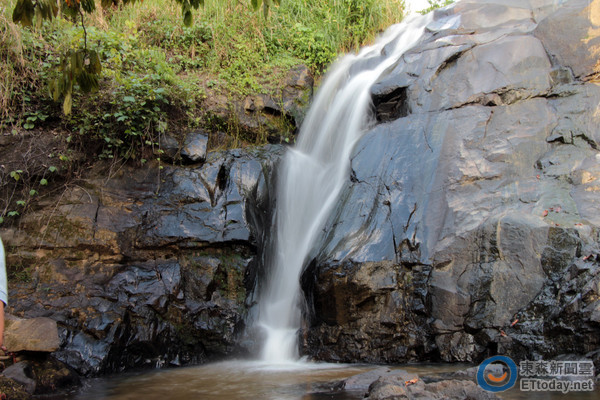
▲ Bamu features a small waterfall.
Although they call it Bamu Resort, calling it an eco estate is more appropriate. To get here, you must drive along a 7-kilometer plantation road, lined only with oil palms and oak trees. Along the way, you might pass just a few vehicles, and in the latter half of the journey, the rugged, bumpy road is barely wide enough for one car. This is how Bamu is nestled within a forest valley.
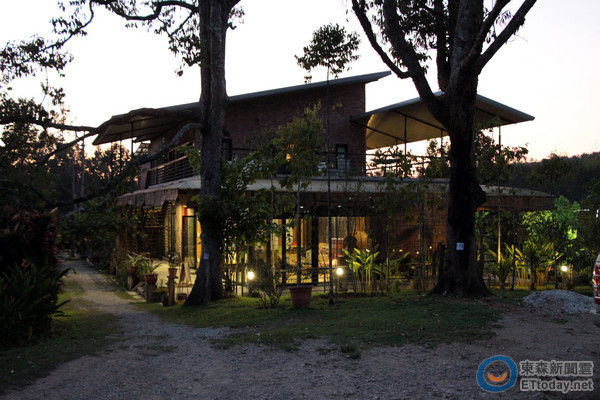
▲ Bamu has a unique charm in the evening.
Here, there’s no TV, but there are beautiful mountain views and small waterfalls, as well as ducks and geese leisurely swimming in the ponds. There’s no WiFi, and the valley terrain means poor mobile reception. You can put your phone down and play board games or childhood toys provided here. Interestingly, many of these toys are similar to those from olden-day Taiwan: marbles, rubber band skipping, hopscotch, shuttlecock kicking, and spinning tops. Gan Lik Quan hopes these games will enhance parent-child interaction, unlike in the city where everyone is glued to their phones. There’s no air conditioning either, so everyone is encouraged to go outdoors and connect with nature.
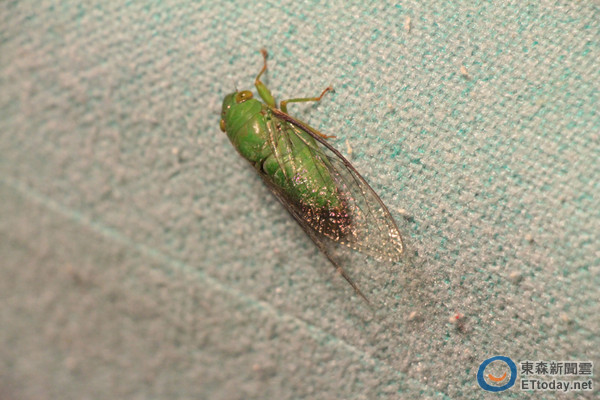
▲ Because Bamu is located in the forest, many insects can be seen. Pictured here is a green cicada.
Gan Lik Quan also said that many kids in the city today have never seen chickens, ducks, geese, or birds. So, he keeps many poultry here and also raises small horses to help urban children get closer to nature. At night, there’s only the sound of flowing water, insect chirps, and the beautiful starry sky — far from the noise of the city.
Currently, Bamu has one main building. The first floor houses a lounge and dining area, while the second floor has six different types of guest rooms. There are also two smaller buildings used as guest accommodations, one of which was transported from Java and reassembled, featuring a strong Nanyang (Southeast Asian) style. Bamu’s manager, Uncle Kam, says the current guest rooms can accommodate up to about 50 people. Additionally, another guest building is under construction and is expected to be completed soon, with a capacity of around 100 people.
Chen Ruiting, who handles marketing for Bamu, said that the main clientele are families, mostly during weekends. In addition, they also host corporate training sessions, events, and student camps. Although the initial investment of tens of millions hasn’t been recouped yet, Bamu’s monthly income is now sufficient to cover all expenses.
As for the future, Gan Lik Quan said he hopes to establish “Bamu”-style estates in other locations, making it easier for more people to connect with nature.
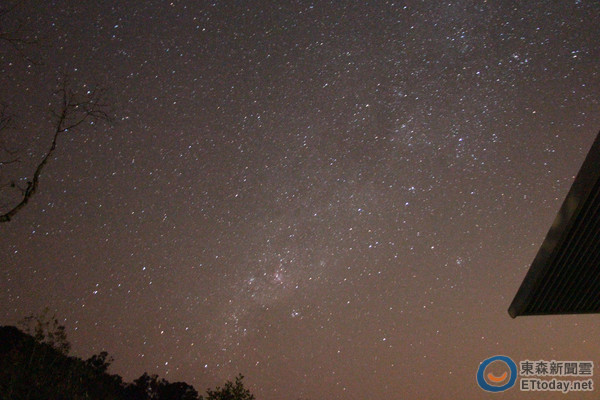
▲ At night, Bamu offers stunning starry skies due to minimal light pollution.
The dream of Bamu’s founder, Gan Lik Quan
Share
This article is published by HowToTrip. Sharing and reposting are welcome — please credit the source.
Article URL: https://www.howtotrip.net/views-12582
Related Articles
- Shaoxing's "Grandpa Gourd" hangs the gourds back up: "If there are too many people, we'll interact less — just take a quick look from afar"
- Chinese authorities announce "reciprocal adjustment" to Japan visa fees — single-entry visa jumps from 2,250 to 16,750 yen!
- 旅客携带的“保健石”核辐射超标千倍,同机人员或遭殃!海关提醒!
- 深圳机场深夜通报!出现不明升空物,航班大面积延误!
- “拆盒洗了才说要钱!”高铁200克葡萄卖60元,12306回应!
- 买不了机票?出境被拒?登机被拦?一大波中国游客莫名成了“失信人”
- 不利天气和经济波动影响哥伦比亚咖啡市场
- 海边浴场回应冲脚淡水收费2元/30秒:明码标价!
- 舱门没关好就起飞?机翼出现问题?多个航班途中紧急折返!
- 感受大自然的馈赠!盘点世界十大唯美海岸线