One of Japan’s Three Great Udon Noodles: Akita Inaniwa – Authentic Tsukemen You Can Try in Taiwan Too!
Text & Photos /DaKou
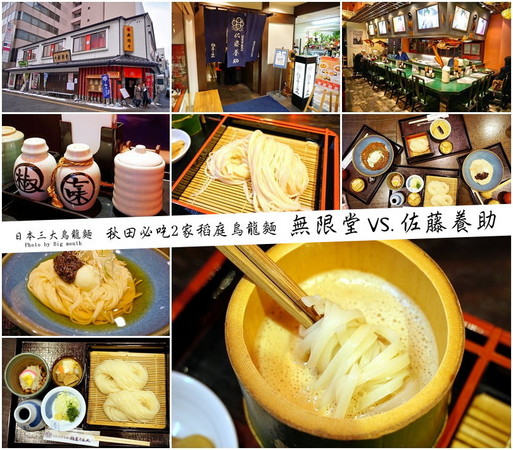
Japan’s Three Great Udon Noodles refer to Akita Prefecture’s Inaniwa Udon, Kagawa Prefecture’s Sanuki Udon, and Gunma Prefecture’s Mizusawa Udon. The Inaniwa Udon introduced in this article originates from Akita and was developed in the mid-Edo period using locally grown wheat. With over a century of history, it differs significantly from the thick, round udon most people imagine — Inaniwa Udon is thin and flat, resembling ordinary noodles. When visiting northeastern Japan, friends from the Akita Tourism Promotion Office recommended two must-visit shops: “Mugen-do” and “Sato Yosuke.” Most notably, to maintain traditional flavors, their Inaniwa Udon is still made entirely by hand using traditional methods. Conveniently, both have branches not far from the hotel where we stayed on the first day. Mugen-do’s Akita Ekimae branch is also just a ten-minute walk from the JR station. Additionally, there’s a Sato Yosuke branch on the B1 floor of the nearby Seibu Department Store!
%The store we visited on the first day was Mugen-do, a long-established shop with a traditional atmosphere.%
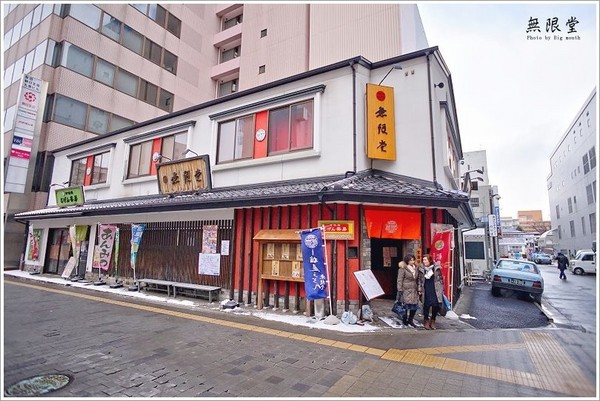
%We had lunch here (actually it was too cold outside with the snow falling~)

%The memory of the warm interior here still lingers (shivering~)

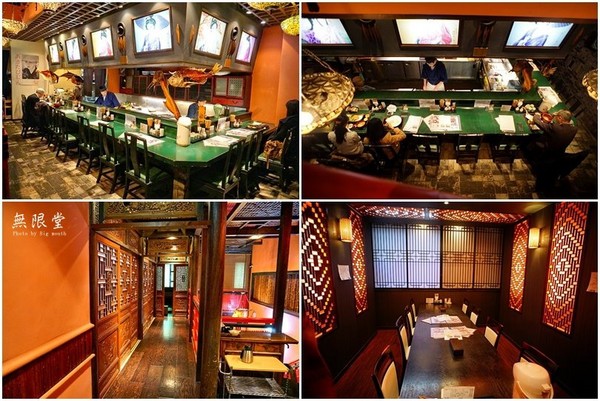
%After entering the restaurant, we were warmly welcomed, and the waitress kindly explained the menu in detail. The warm lighting added to the cozy ambiance.
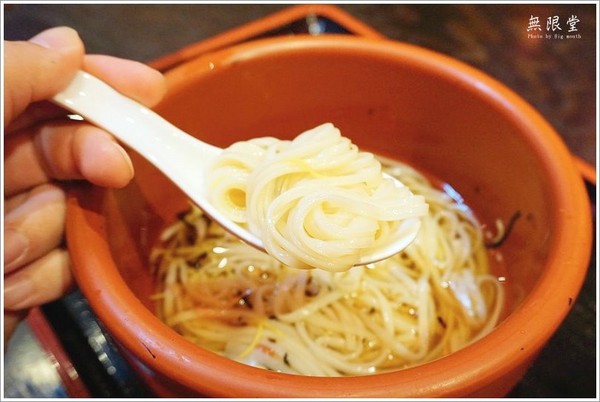
%Once you come here, don’t miss out on trying their cold udon as well. It comes in two styles: with dipping sauce or in broth. Among them, the one served with dipping sauce, which is also available at the branch in our city, left a deep impression. The chewy texture and rich flavor really stood out.
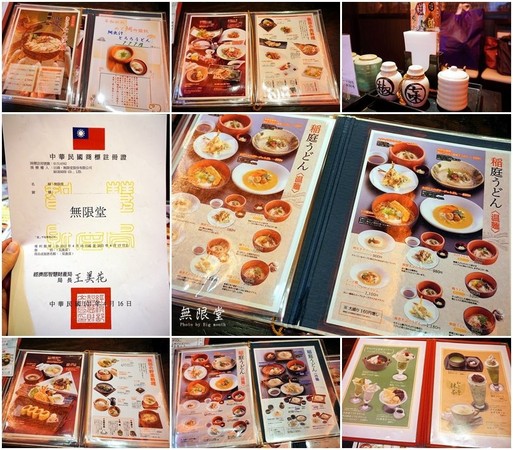
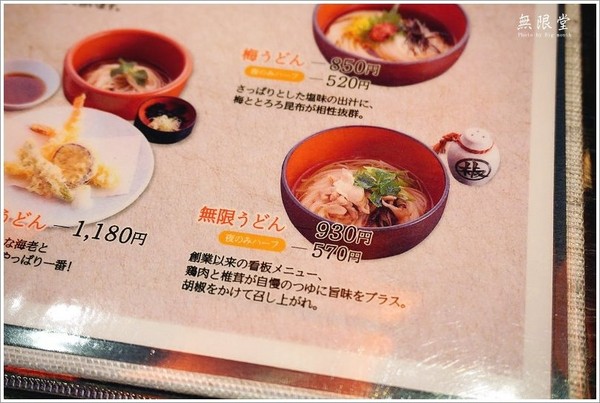
%In the photo is the branch they recommended, where a large bowl costs 930 yen and a small bowl 570 yen (available at night).
%They even have Chinese explanations about how udon is made and prepared on the wall. For those who want to cook it at home and enjoy that springy texture, remember to boil it for about 3 minutes (the shop added that since Taiwan’s water is harder, maybe 2.5 to 3 minutes is enough), then rinse it in cold water. Cold udon better highlights the springy texture of Inaniwa Udon.
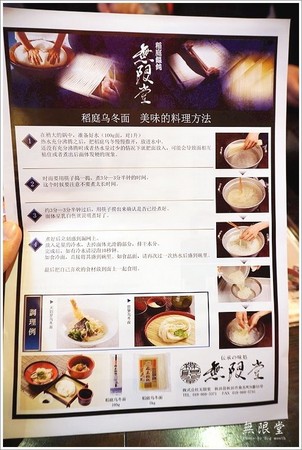
%Let me briefly introduce the ingredients used.
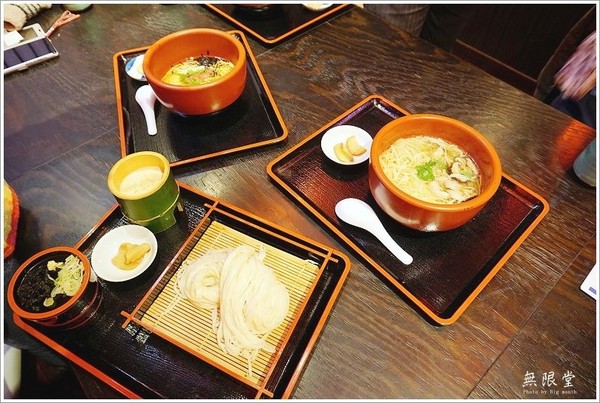
%This is another branch of the same shop, priced at 80 yen. Despite the bitter cold outside, I highly recommend trying their traditional cold udon first, because it’s truly astonishing — especially the chewiness of the noodles. The texture of warm udon tends to diminish the longer it sits in the soup, losing that exciting bite.
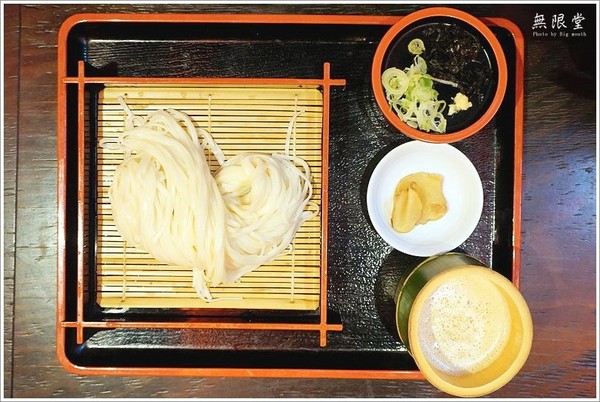
%There’s also a branch of this shop near the station.
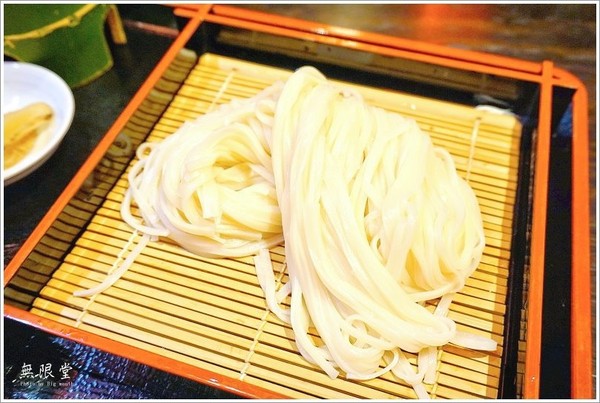
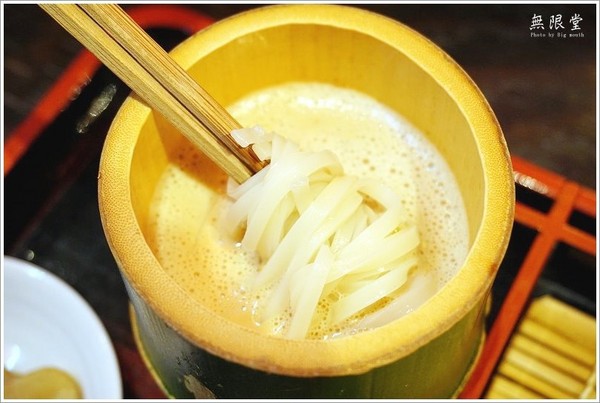
%They offer two types of dipping sauces here: one is a light soy sauce base with a broth made from kelp, dried shiitake mushrooms, and bonito flakes, and the other is a sesame sauce (similar to tahini sauce).
%The hot udon we ordered was already quite flavorful. The soup base here is also quite light compared to what we usually have. The noodles still have that springy texture, but they didn’t quite match the cold udon we just had.
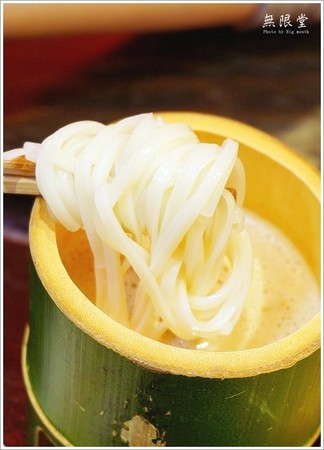
%They also introduced us to a mushroom and chicken broth (but for someone like me who loves strong flavors, it was a bit mild). The noodles were still pleasantly chewy, but they couldn’t beat the cold udon I recommended earlier.

%The cold udon here is 50 yen.
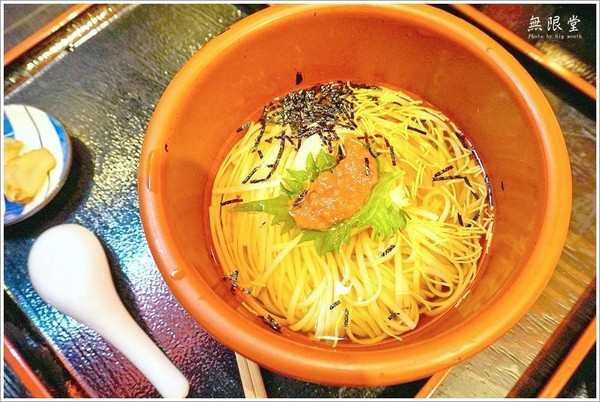
%The hot udon here isn’t just a simple soup with noodles either. It has a subtle umami depth.
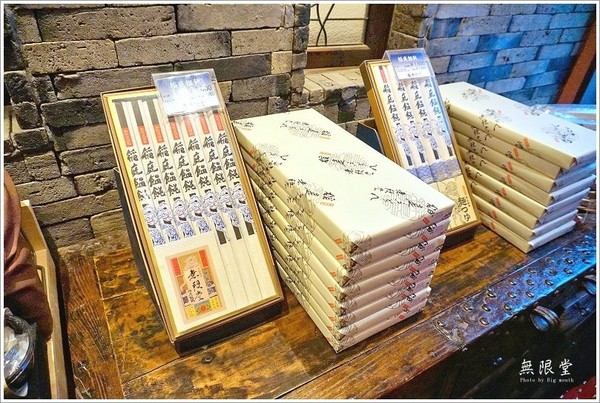
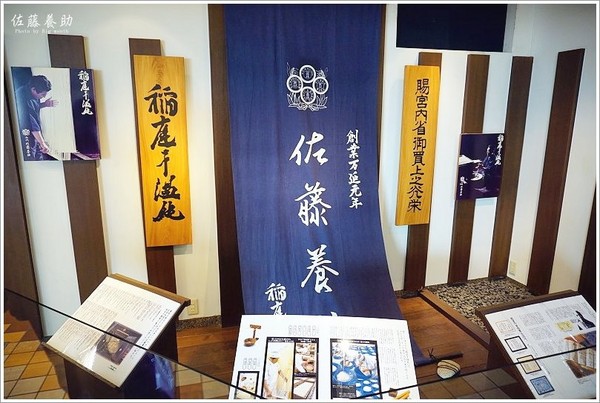
%Did you know? Inaniwa Udon was once considered an imperial delicacy offered to the Emperor, so today it’s also regarded as a high-end gift. Looking at the boxes of udon beautifully wrapped, I actually bought several at a gift shop before coming here to bring back to family and friends in Taiwan.
%After eating, we headed straight to the train station to catch our next ride.
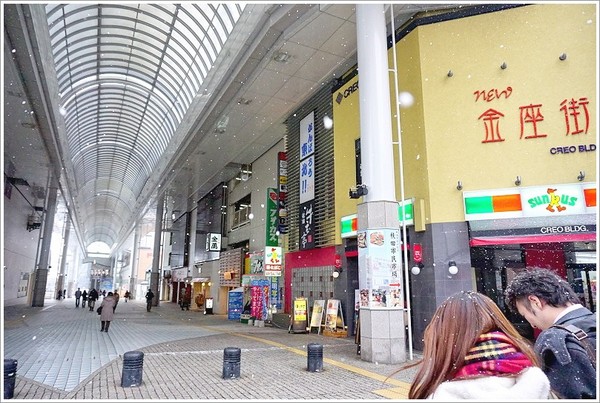
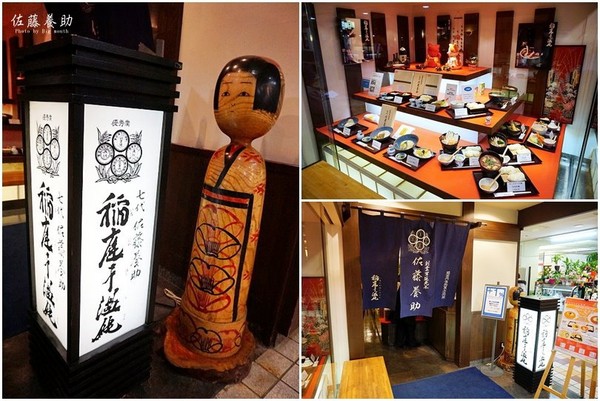
%The next place we went to was Sato Yosuke’s branch,

%The area around the store is quite scenic, and there are many spots nearby worth checking out.
%You can also visit a soba shop nearby from here.

%That soba shop is also quite good, and the atmosphere is lovely.

%The set meals at that soba shop are also quite diverse, including tempura, zaru soba, and others. The most interesting one was the combination of tempura and cold soba, which we all enjoyed.
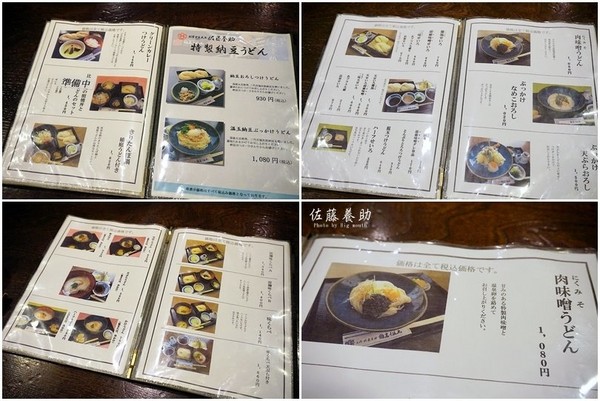
%Also, there’s natto here too (I’m not a big fan of natto, but another blogger, Aiko, absolutely loves it...)
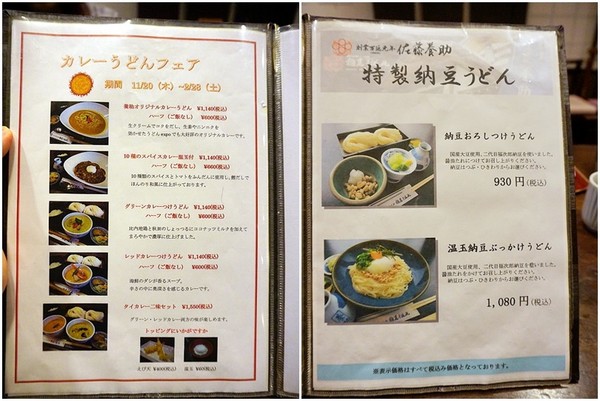
%And this is real — the four of us in our group just kept eating continuously at these two places~
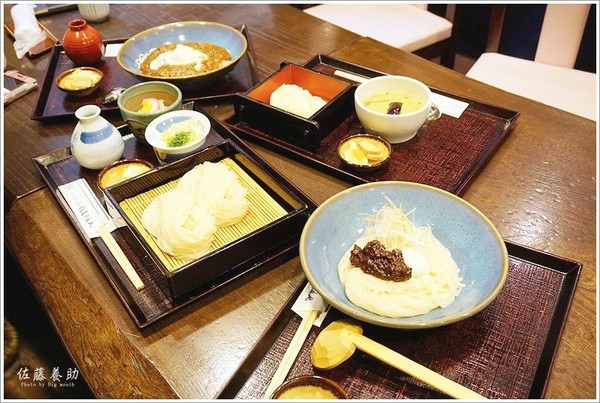
%At this place, we ordered the zaru soba (cold soba) for 1080 yen. Here’s a quick introduction for everyone’s reference~
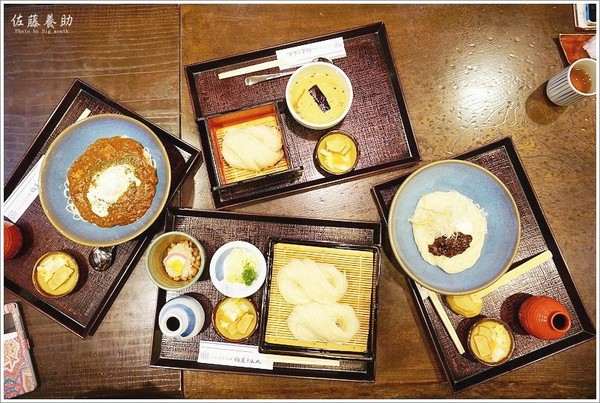
% Aiko's special natto Inaniwa udon with tsukemen-style dipping sauce (930yen). What really caught everyone’s eye here wasn’t the natto, but those two glistening chunks of noodles instead. Mugendō’s udon has a very clear and translucent color, whereas Sato Yosuke’s noodles look as if they’ve been coated in oil — they’re glossy and even reflect light!
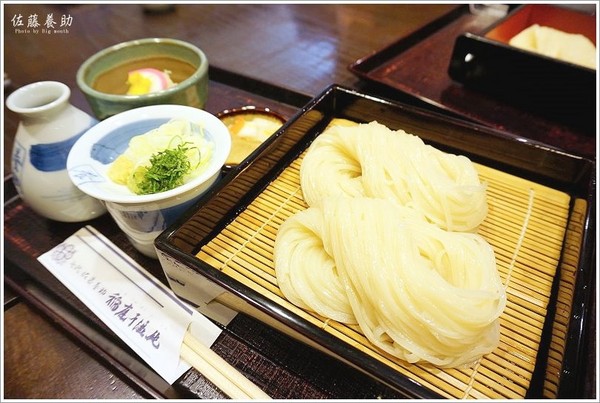
% What the heck... the portion size is just too big. Aiko suddenly realized it was practically a double serving for two people~ (so everyone helped out to finish it......)

% The half portion is 600yen, and the full portion is 1140yen. The photo below shows the half portion.
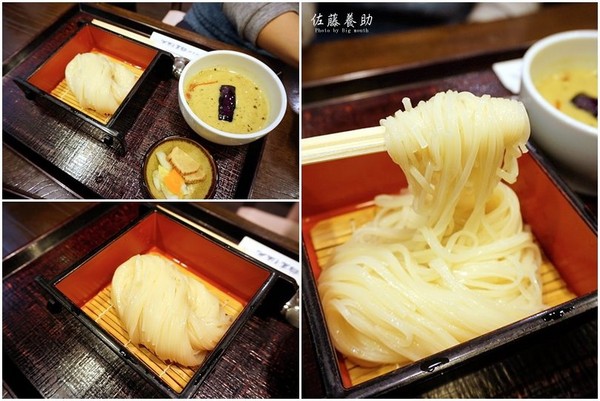
% The flavor here isn’t as rich as the other one, but wow, look how vibrant that green curry sauce clinging to the tsukemen is. And it’s not spicy at all. Plus, there’s also Hokkaido chicken inside!
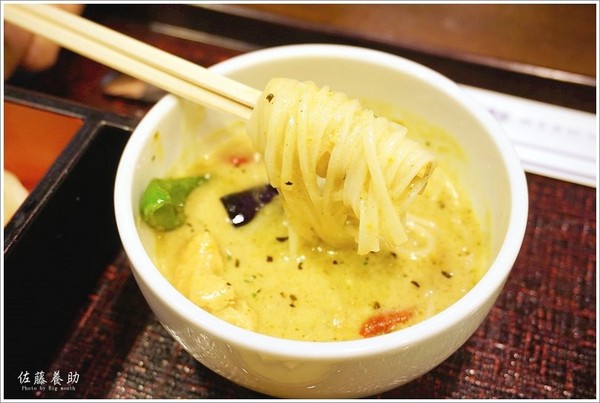
% This is my favorite bowl of udon in the soup version, priced at 1080yen. There’s also a side of dashi dipping sauce that you can add as needed to help mix the noodles and sauce better.

% I also really like the texture of the noodles in the soup version here. The bouncy bite you get from the dipping sauce isn’t inferior to Mugendō’s at all — in my opinion, both places are tied for first place when it comes to noodles, and I love them both!
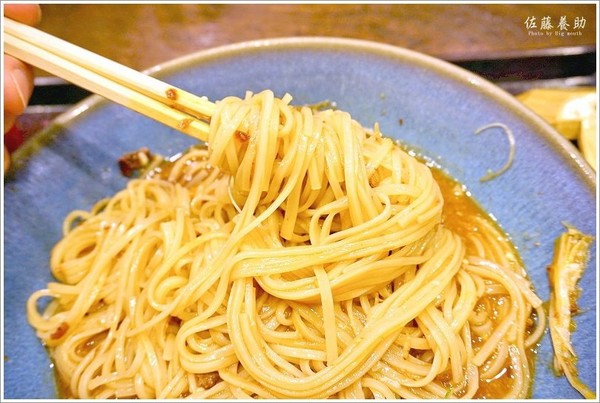
% There were also lots of other dishes (I started handing them out for everyone to try again)
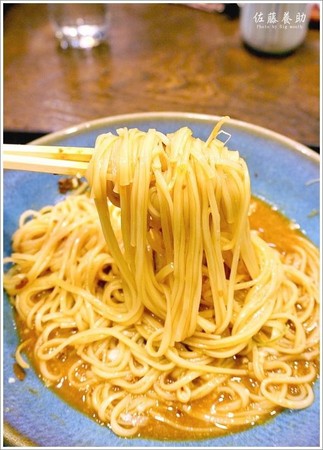
% The half portion of Sato Yosuke’s udon is 600yen, and the full portion is 1140yen. The photo below shows the half portion.
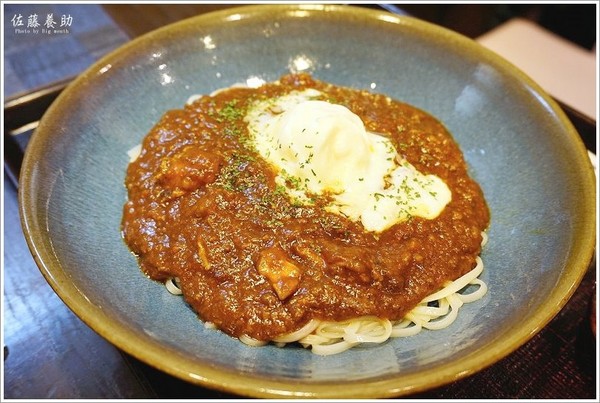
% In addition to what we’ve introduced so far, there’s also another dish we’d like to recommend. It’s a combo of the udon and the other dish we mentioned. It looks absolutely amazing!
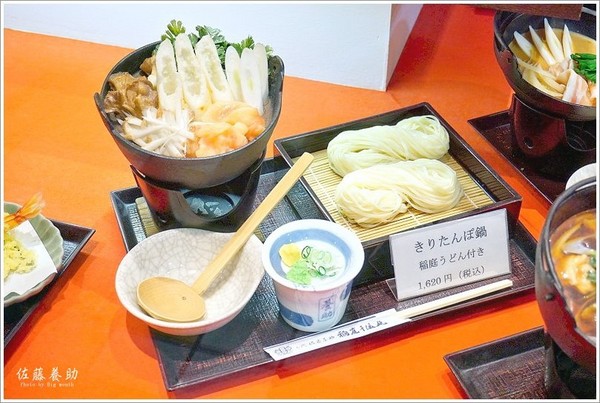
% They also have a combo with both the udon and that other dish together. It satisfies all your cravings in one go!
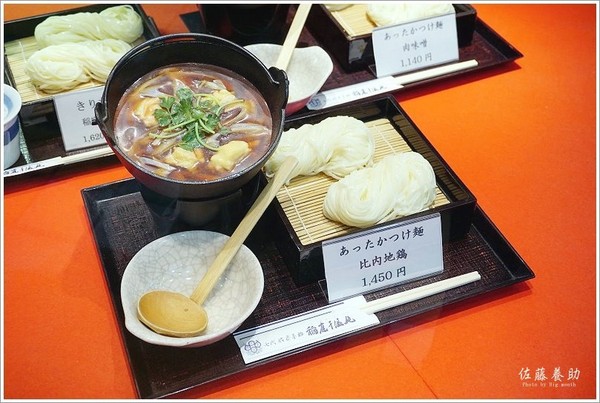
% Next, we’ll also introduce the udon and tempura that were served for lunch. For our Japanese readers: the pronunciation “udon” means wheat noodles, not “wonton” (which is pronounced “wantan”), so it refers to udon noodles.
After trying both places, I feel that whether it’s Mugendō or Sato Yosuke, both the noodles and flavors are excellent. For first-timers, I’d recommend going for the cold udon first, as it’s easier to taste the signature springy texture of Inaniwa udon. If you’re with a group, you can of course compare the differences between warm and cold udon. If you love this kind of special udon, both shops also offer convenient udon gift boxes that you can take back to Taiwan. Also, for those who can’t make it to Japan to try it, Sato Yosuke has a branch in Taiwan located at No. 54, Songjiang Road, Zhongshan District, Taipei. Those interested can go try it in person!
Mugendō Inaniwa Udon
2-4-12 Naka-dori, Akita City, Akita Prefecture, Japan
Seventh-generation Sato Yosuke
2-4-12 Naka-dori, Akita City, Akita Prefecture, Japan (B1F, Seibu Department Store)
Taiwan Branch
Address: No. 54, Songjiang Road, Zhongshan District, Taipei City, 1F
Phone: 02-25415656
Business hours: 11:30–14:30 (last order 14:00), 17:30–21:30 (last order 21:00)
Big-Mouth Teacher’s Running Around Academy!
Spin it, Big-Mouth and Koumimi’s colorful neon lights
Share
This article is published by HowToTrip. Sharing and reposting are welcome — please credit the source.
Article URL: https://www.howtotrip.net/views-12553
Related Articles
- Shaoxing's "Grandpa Gourd" hangs the gourds back up: "If there are too many people, we'll interact less — just take a quick look from afar"
- Chinese authorities announce "reciprocal adjustment" to Japan visa fees — single-entry visa jumps from 2,250 to 16,750 yen!
- The "health stones" carried by a traveler were found to have radiation levels exceeding safety limits by a thousand times, potentially endangering fellow passengers on the same flight. Customs issues warning!
- Shenzhen Airport Issues Late-Night Notice: Unidentified Aerial Object Detected, Causing Widespread Flight Delays!
- “They only said it cost money after I opened the box and washed it!” 200g of grapes sold for 60 yuan on a high-speed train—12306 responds!
- Can't buy an airline ticket? Denied exit? Blocked from boarding? A large number of Chinese tourists have mysteriously become "discredited individuals"
- Adverse weather and economic fluctuations impact Colombia's coffee market
- Beach bathing area responds to 2 yuan/30 seconds fee for freshwater foot rinsing: Clearly priced!
- Taking off with an improperly closed cabin door? Wing malfunction? Multiple flights made emergency returns mid-journey!
- Experience the gifts of nature! A countdown of the world’s ten most stunning coastlines