Peru
A South American country where Inca civilization intertwines with Spanish colonial culture, known for Machu Picchu, the Andean highlands, and Lima, the culinary capital on the Pacific coast.
Peru (Republic of Peru)
| Capital | Lima |
|---|---|
| Continent | South America |
| Languages | Spanish, Quechua |
| Currency | Peruvian Sol (PEN S/) |
| Time Zone | UTC-5 |
| Dialling Code | +51 |
| Area / Population | 1.285 million square kilometers / Approximately 34 million |
| Visa | Most foreign visitors need a visa to travel to Peru; however, travelers holding a valid U.S., Canadian, UK, Australian, or Schengen visa or residence permit for at least six months may enter Peru visa-free for tourism, typically for up to 180 days. Check the latest entry requirements with the Peruvian embassy or consulate in your country before traveling. |
| Best Season | The dry season runs from May to October, with clear skies and little rain in the Andes, making it the best time for hiking in Cusco, the Sacred Valley, and Machu Picchu. Coastal Lima remains mild year-round, while the mountains and rainforest have a rainy season from December to March. |
| Main Cities | Lima, Cusco, Arequipa, Puno, Ica, Trujillo, Chiclayo, Puerto Maldonado |
Peru in Detail
Overview of Peru
Peru (officially the Republic of Peru) is located in western South America, bordered by Ecuador and Colombia to the north, Brazil and Bolivia to the east, Chile to the south, and the Pacific Ocean to the west. Covering a land area of approximately 1.285 million square kilometers, it is the third-largest country in South America. The country is divided into 24 regions and the Constitutional Province of Callao. Its capital, Lima, lies between the desert and valleys along the Pacific coast and serves as the political, economic, cultural, and transportation hub of the nation. The metropolitan area has a population of about ten million, making it one of the largest cities in South America.
Peru is one of the countries with the richest cultural heritage in South America. The political center of the Inca Empire, Cusco, coexists with the fishing and hunting cultures of the Pacific coast and the indigenous tribes of the Amazon rainforest. The official language is Spanish, while indigenous languages such as Quechua and Aymara are widely spoken in the Andes and have constitutional recognition.
Geography and Climate
Peru’s terrain can be divided into three major natural zones from west to east: the narrow coastal desert strip along the Pacific Ocean, where cities like Lima, Ica, and Trujillo are located. This region enjoys a mild and dry climate, with frequent winter fog and little rain. The central zone is the Andes Mountains, which run north to south, with an average elevation of over 3,000 meters. Huascarán Mountain, standing at 6,768 meters, is the highest peak in the country. Highland cities such as Cusco, Puno, and Arequipa are situated here. The eastern zone consists of the Amazon rainforest lowlands, covering more than 60% of the country’s area. This region is hot, humid, and rainy, with Puerto Maldonado serving as a key gateway to the rainforest.
Due to the varied terrain, the country experiences significant climatic differences: the coastal region has a tropical desert climate, with temperatures in Lima mostly ranging between 15–28°C throughout the year and frequent dense fog in winter (May to October). The highlands have a mountain climate with large diurnal temperature variations. The dry season (May to October) offers clear skies and little rain, making it the best time to visit Machu Picchu and the Sacred Valley. The rainforest region is hot and rainy all year round. Travelers should pack clothing suitable for varying temperatures within a single day.
Historical Background
Peru is one of the cradles of ancient American civilizations, with cultures such as Chavín, Moche, Nazca, Wari, and Chimú flourishing in succession. Among them, the Nazca culture left behind the famous Nazca Lines in the southern desert, while the capital of the Chimú culture, the ancient city of Chan Chan, is located near Trujillo. In the 15th century, the Inca Empire centered in Cusco rose rapidly, extending its territory from present-day Colombia in the north to central Chile in the south. It built the extensive Inca road system across the Andes, and Machu Picchu was constructed as a mountaintop city during this period.
In 1533, Spanish conquistador Francisco Pizarro defeated the Inca Empire, and Peru became a Spanish colony. Lima served as the center of Spanish rule in South America for nearly three centuries. Peru declared independence in 1821 under the leadership of Simón Bolívar and José de San Martín, but subsequently experienced the War of the Pacific with Chile and years of political instability. Since the late 20th century, Peru has gradually opened its economy, maintaining rapid growth in the 2010s. Inca ruins and Amazon ecological resources have become important national tourist assets.
Economy and Currency
Peru is a major exporter of mining and agricultural products in South America. It ranks among the world’s top producers of copper, gold, silver, zinc, and lead, and is a leading global producer of copper. The coastal fishing industry is well-developed, making Peru one of the world’s major exporters of fishmeal. In recent years, exports of agricultural products such as blueberries, avocados, and grapes have grown rapidly. Tourism is a key pillar of the national economy, with Machu Picchu attracting millions of visitors annually.
The official currency is the Peruvian Sol (currency code: PEN, symbol: S/), issued by the Central Reserve Bank of Peru. The Sol has relatively stable exchange rates and is one of the more stable currencies in Latin America. U.S. dollars are also widely accepted in tourist areas and large businesses, but daily transactions are typically settled in Soles.
Culture and Society
Peruvian culture is a blend of indigenous traditions and Spanish colonial influences. Textiles, pottery, silverware crafts, and festivals (such as the Inti Raymi Sun Festival in Cusco) in the Andes carry on the legacy of the Inca civilization. Catholicism coexists with indigenous nature worship in rural areas, with about 80% of the population identifying as Catholic. Indigenous groups such as the Quechua, Aymara, and Amazonian peoples maintain distinct languages and customs. In recent years, cultural preservation and tourism development have progressed in parallel.
Cuisine is one of Peru’s most dazzling cultural highlights. The capital, Lima, is renowned as the culinary capital of South America. Dishes such as ceviche (marinated raw fish), pollo a la brasa (grilled chicken), lomo saltado (stir-fried beef), pachamanca (Andean stew), and chifa (a fusion of Chinese and Peruvian cuisine) create a rich and diverse flavor profile. Numerous Lima restaurants are consistently ranked among the World’s 50 Best Restaurants.
Tourism Overview
Peruvian tourism centers around Inca civilization and Andean natural landscapes. Cusco, the former Inca capital, serves as the gateway to the Sacred Valley and Machu Picchu. The city features landmarks such as the Temple of the Sun, Sacsayhuamán Fortress, and colonial-era cathedrals. The Sacred Valley is dotted with archaeological sites like Pisac and Ollantaytambo, while Aguas Calientes is the base for visiting Machu Picchu, accessible by scenic train from Cusco or Ollantaytambo. Lake Titicaca in Puno is home to the Uros people’s floating reed islands. The southern coast offers attractions such as the Nazca Lines and Paracas Nature Reserve, while the eastern Amazon rainforest provides opportunities for eco-adventures.
Travelers should note the significant differences in climate and altitude between the Peruvian coast and highlands. Cusco sits at an altitude of about 3,400 meters, so allow time for acclimatization. Machu Picchu has a daily ticket limit, and advance booking through official channels is essential. In general, Peru is a long-haul destination in South America that combines historical depth with natural wonders.
Local Currency: Peruvian Sol (PEN)
Currency Overview
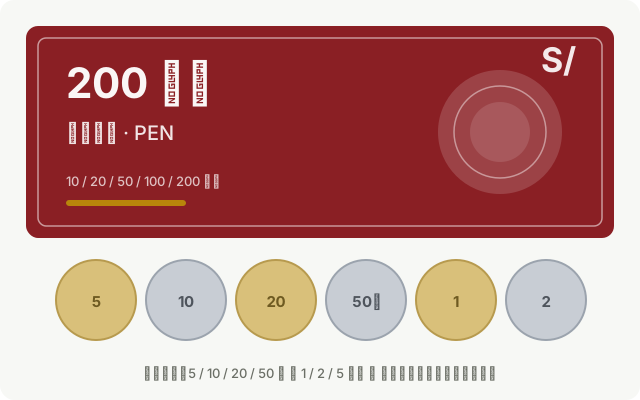
The official currency of Peru is the Sol (currency code: PEN, symbol: S/, Spanish: Sol, plural: Soles), issued by the Central Reserve Bank of Peru (Banco Central de Reserva del Perú). One Sol equals 100 céntimos (cents). Peru previously experienced hyperinflation and switched to the Inti and later the New Sol. The New Sol, introduced in 1991, is the current circulating currency, with relatively stable value. The Sol is one of the more robust currencies in Latin America, with both banknotes and coins widely used in daily life.
Denomination System
Currently circulating banknotes include denominations of 10, 20, 50, and 100 Soles, with a small number of 200 Sol notes. The obverse often features portraits of historical figures (e.g., 10 Sol depicts pilot Jorge Chávez, 20 Sol shows writer Ricardo Palma, 50 Sol features poet César Vallejo, and 100 Sol honors historian Raúl Porras Barrenechea). The reverse side showcases Peru’s natural and cultural landscapes. Coins come in denominations of 1, 2, and 5 Soles, as well as 5, 10, 20, and 50 céntimos. Coin edges often bear the word “Sol” as a security feature, and commemorative 1 Sol coins with various designs and years are also common.
Cash and Payment Habits
Hotels, restaurants, shopping malls, and supermarkets in Peru’s major cities generally accept international credit cards (primarily Visa and Mastercard, with some accepting UnionPay). However, street markets, food stalls, bus terminals, rural shops, and taxis primarily deal in cash. ATMs are widely available in cities and tourist areas, though they usually charge a fee and have limits on withdrawal amounts. It’s advisable to withdraw larger sums at once to reduce costs.
Foreign currency exchange is mainly done in U.S. dollars. Exchanges can be made at airports, banks, and authorized exchange offices (casas de cambio). Exchange rates at city offices are usually better than those at airports and hotels. Some businesses in tourist areas may accept U.S. dollars directly, but change is typically given in Soles, often at unfavorable rates. It’s recommended to use Soles for daily expenses.
Traveler Tips
- Small purchases may result in difficulties with change; carry small-denomination 10 and 20 Sol bills and loose coins.
- ATM withdrawals incur fees; try to withdraw larger amounts per transaction and avoid withdrawing cash at night or in isolated locations.
- Restaurant bills usually include taxes. Service charges at mid- to high-end restaurants are often voluntary, with 5%-10% tipping being common.
- Use authorized banks and exchange offices for currency exchange; be cautious with informal street money changers.
Flag Meaning
Flag Design
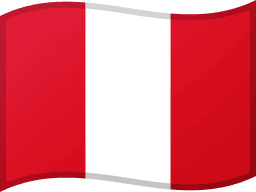
The flag of Peru (Bandera del Perú) consists of three vertical stripes of equal width in red, white, and red, with an aspect ratio of 3:2. There are two versions of the Peruvian flag: the civil flag (bandera nacional), which has a plain design and is used for civilian and general purposes, and the government flag (pabellón nacional), which features the national coat of arms (Escudo Nacional) in the center and is used by government institutions, military vessels, and during official ceremonies. The coat of arms includes a shield with a llama (symbolizing animal resources) on the left, a cinchona tree (symbolizing plant resources) on the right, laurel branches above, and a cornucopia below.
Meaning
The most widely circulated story about the origin of the red and white colors is that in 1820, when General José de San Martín landed on the southern coast of Peru, he saw a flock of flamingos with red and white feathers take flight, inspiring him to adopt their colors for the flag. Others believe red symbolizes the blood and sacrifice of patriots during the independence struggle, while white represents peace. Regardless of its origin, the red and white colors have since become symbols of Peruvian national identity and independence. The central placement of white also signifies freedom and justice.
History and Legal Status
Peru first used a red-and-white flag in 1820, officially adopting it as the national flag in 1825. After several adjustments, the current red-white-red vertical tricolor design was finalized. The flag, along with the coat of arms and national anthem, is treated with great respect during official occasions such as Independence Day (July 28–29). The law stipulates penalties for disrespecting the flag or coat of arms. During Independence Day celebrations, government buildings, schools, and homes commonly display the flag, making it one of Peru’s most prominent national symbols.
Peru Travel Guide
All Guides »Peru Travel Quick Guide: Visas, Seasons, Budget & Altitude Tips
Get clarity on visas, seasons, budget, and altitude acclimatization before you g...
Classic 8-Day Peru Itinerary: Lima – Cusco – Sacred Valley – Machu Picchu 8 days
From the Pacific coast to Inca citadels and mountaintop cities, this itinerary c...
Peru 4-Day Short Trip: Essence of Cusco and the Sacred Valley 4 days
Limited time? Still experience Peru’s highlights: base in Cusco and cover the Sa...
Essential Attractions in Peru: From Machu Picchu to Lake Titicaca
A region-by-region guide to Peru’s most iconic sights, with highlights and recom...
Peru Food Guide: From Ceviche to Lima Fusion Cuisine
Lima is known as the culinary capital of South America. Explore Peru’s flavor ma...
Peru Transportation Guide: Flights, Scenic Trains, and Long-Distance Buses
Peru’s mountainous terrain and long distances mean getting around takes planning...
10 Practical Tips for Traveling in Peru
From acclimatizing to altitude to booking tickets in advance, these details will...