Top 10 Temples and Shrines in Kyoto: Pray for Love, Wealth, and Cherry Blossoms All in One Go
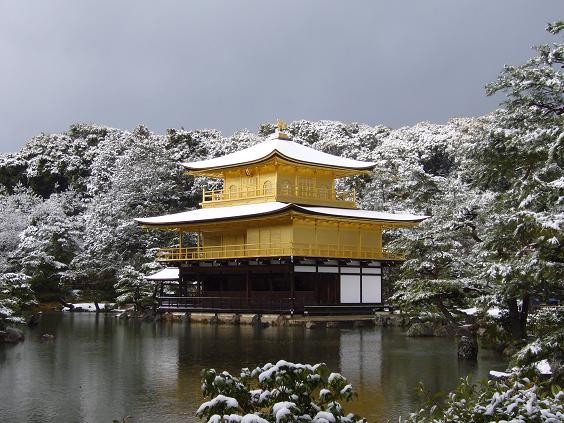
▲ The exterior of Kinkaku-ji is incredibly luxurious and majestic. (Photo / from Wikipedia)
Travel Center / Comprehensive Report
Japan is often at the top of many people’s travel lists, and Japan’s unique “temple and shrine” culture is one of the must-do experiences when visiting the country,whether you're praying for peace, love, or simply to admire cherry blossoms, autumn leaves, and historic sites, the beauty of it all captivates everyone.For this reason,the online trend analyst DailyViewhas compiled a list of the “Top 10 Must-Visit Shrines and Temples in Japan.” If you’re looking to pray for love, wealth, or just about anything else, don’t miss out.
NO.10 Kiyomizu-dera (Kiyomizu Temple)
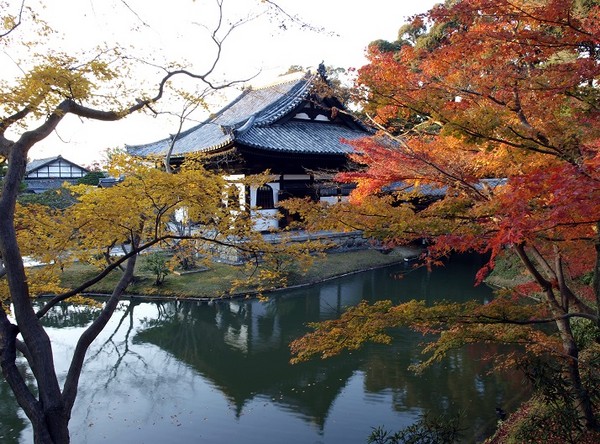
▲ Kiyomizu-dera. (Photo / provided by Kiyomizu-dera)
Kiyomizu-dera was built in 1606 by Nene, the legal wife of Toyotomi Hideyoshi, in honor of her late husband. The temple’s garden and architecture are grand and magnificent, with its Moon-Viewing Platform designated as an Important Cultural Property by the Japanese government. In addition to paying respects to the legendary woman of the Warring States period, Nene, Kiyomizu-dera also attracts visitors with its cherry blossoms and maple leaves, and it opens for night visits—perfect for those wanting to see night cherry blossoms.
NO.9 Heian Shrine
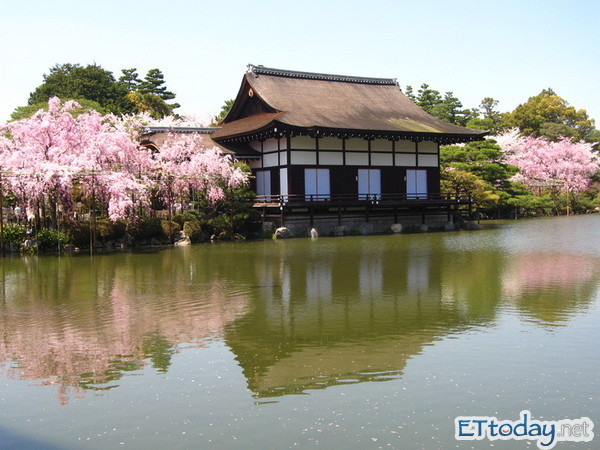
▲ Weeping cherry blossoms at Heian Shrine. (Photo / provided by Jean)
Established to commemorate the 1100th anniversary of the founding of Heian-kyo (Kyoto), Heian Shrine exudes imperial grandeur. Its bright red main hall and massive torii gate are iconic features. Additionally, the shrine’s “Shin’en Garden” offers a more private cherry blossom viewing spot, and visitors eager to see the “Eight-layered Weeping Cherry” should definitely explore the Shin’en Garden.
NO.8 Ginkaku-ji (Silver Pavilion)
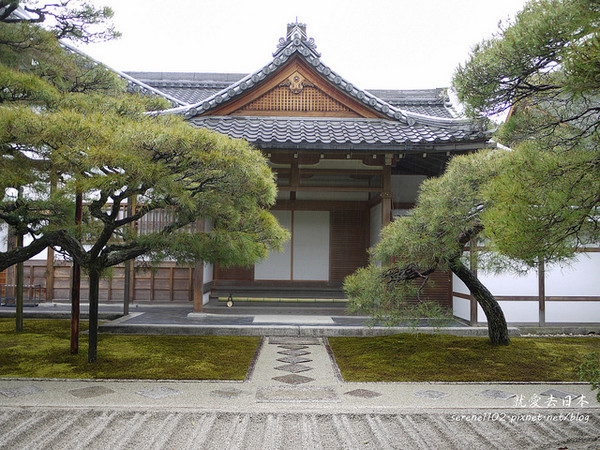
▲ Ginkaku-ji is elegantly serene, reflecting the true essence of Buddhism. (Photo / taken at a 45-degree right upward angle)
Officially named Tōshō-ji, Ginkaku-ji may not be covered in gold leaf like Kinkaku-ji, but its understated and refined style gives it a distinctive charm. Especially attractive is the Philosopher’s Path that leads to the temple—lined with cherry blossoms in spring and maple leaves in autumn, it’s also one of Japan’s most famous cherry blossom routes.
NO.7 Tō-ji (Five-Story Pagoda)

▲ The Five-Story Pagoda of Tō-ji. (Photo / from Wikipedia)
Tō-ji is famed for having Japan’s tallest surviving wooden pagoda, the Five-Story Pagoda. Another highlight is that it’s one of the few sites in Japan where tripods are permitted for photography—perfect for anyone wanting to capture night cherry blossoms.
NO.6 Tenryū-ji
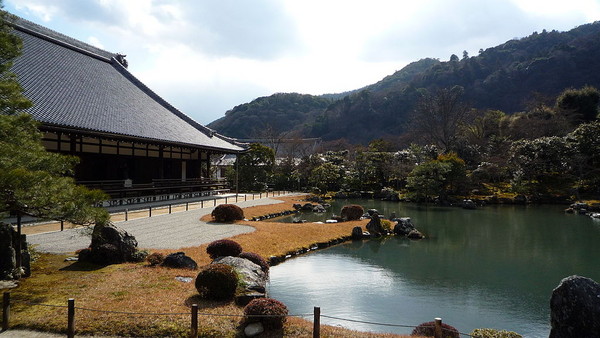
▲ Tenryū-ji. (Photo / from Wikipedia)
Located in the Arashiyama area, Tenryū-ji boasts the beautiful Sōgen Pond Garden, said to be the most beautiful in Japan. Nearby attractions such as the Nison-in Shrine and Togetsukyō Bridge can easily fill an entire day. Nison-in Shrine, in particular, is known for “granting good relationships,” making it a must-visit for those seeking love.
NO.5 Fushimi Inari Taisha

▲ Fushimi Inari Taisha. (Photo / by reporter Chen Ruizhong)
The “endless senbon torii gates” are the biggest highlight of Fushimi Inari Taisha, famously featured in the movie *Memoirs of a Geisha* during the scene where little Sayuri runs through them. The shrine is dedicated to Inari, the god of rice and prosperity, and in the past, worshippers came here to pray for bountiful harvests, business success, and traffic safety. Devotees often donate torii gates as offerings to show gratitude to the deities, resulting in the seemingly endless rows of vermilion torii gates. Moreover, visitors hoping for wealth and career success should definitely pay this shrine a visit.
NO.4 Yasaka Shrine
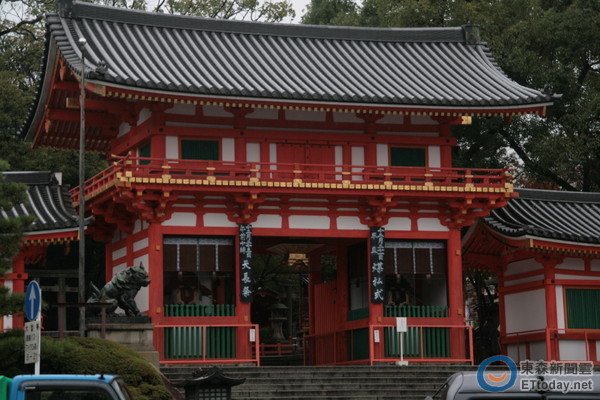
▲ Yasaka Shrine. (Photo / by reporter Huang Tianyi)
Yasaka Shrine is the head shrine among Japan’s over 3,000 shrines of the same name. It is especially efficacious for “love success, disaster prevention, and business prosperity.” As a result, many couples choose to hold their weddings here. The shrine also enshrines Japan’s goddess of beauty. Visitors can also go to the Bijutsu Miko Shrine (Beauty Shrine) to pray for beauty—it is said that a few drops of the shrine’s beauty water on your face can make your skin smoother.
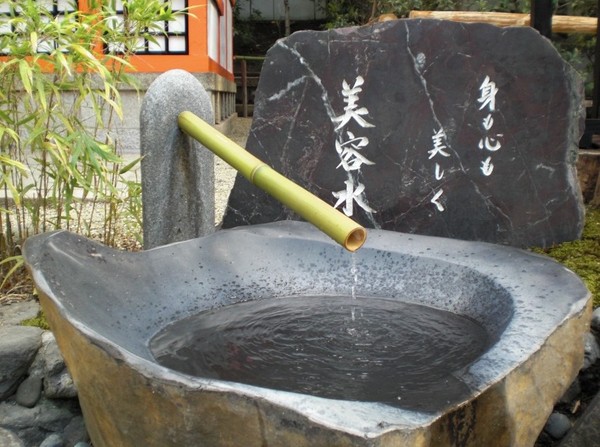
▲ The beauty water at Miyaugerisya is said to make your skin smoother. (Photo / Screenshot from the official website of Yasaka Shrine)
NO.3 Nanzen-ji
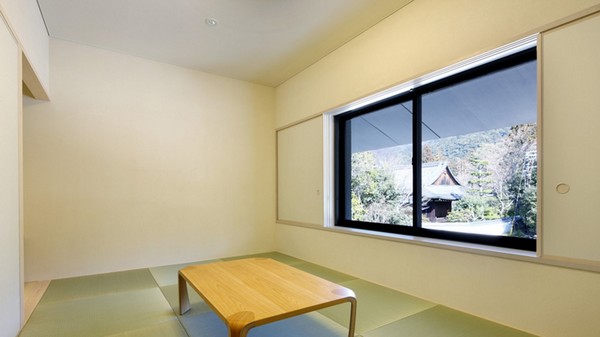
▲ Nanzen-ji. (Photo / From the Nanzen-ji website)
Nanzen-ji was built through the vow of the Japanese imperial family, making it the most prestigious Zen temple in Japan. It is also one of Kyoto’s most famous spots for viewing autumn foliage and cherry blossoms. After enjoying the scenery, be sure to try the local specialty “Nanzen-ji Yudofu (tofu hot pot)” to complete your journey here.
NO.2 Kinkaku-ji
▲ Kinkaku-ji. (Photo / From Wikipedia)
Actually, the official name of Kinkaku-ji is “Rokuon-ji,” but it is commonly known as “Kinkaku-ji” because of its exterior covered with luxurious gold leaf. The three floors represent different architectural styles: Heian nobility, samurai architecture, and Tang Dynasty China. Surrounded by a lake, Kinkaku-ji is the perfect spot to capture its reflection in the water.
NO.1 Kiyomizu-dera
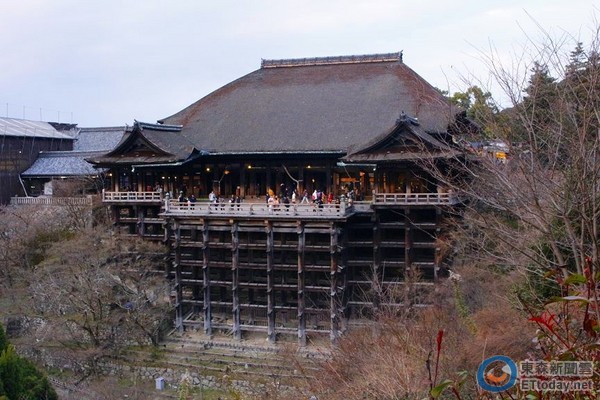
▲ Kiyomizu-dera, Kiyomizu Stage. (Photo / Photo by reporter Tsai Wenjun)
The world-famous Kiyomizu-dera is a must-visit spot in Kyoto. Its most famous feature is the “Kiyomizu Stage,” which juts out dramatically and is supported by 139 towering 12-meter zelkova pillars. Nearby, Jishu Shrine is dedicated to the “God of Love,” making it a popular place to pray for good fortune in romance and love. The shrine also features two “Love Fortune Stones” with a beautiful legend: if you can walk from one stone to the other with your eyes closed, your love life will go smoothly.
Share
This article is published by HowToTrip. Sharing and reposting are welcome — please credit the source.
Article URL: https://www.howtotrip.net/views-7828
Related Articles
- Shaoxing's "Grandpa Gourd" hangs the gourds back up: "If there are too many people, we'll interact less — just take a quick look from afar"
- Chinese authorities announce "reciprocal adjustment" to Japan visa fees — single-entry visa jumps from 2,250 to 16,750 yen!
- The "health stones" carried by a traveler were found to have radiation levels exceeding safety limits by a thousand times, potentially endangering fellow passengers on the same flight. Customs issues warning!
- Shenzhen Airport Issues Late-Night Notice: Unidentified Aerial Object Detected, Causing Widespread Flight Delays!
- “They only said it cost money after I opened the box and washed it!” 200g of grapes sold for 60 yuan on a high-speed train—12306 responds!
- Can't buy an airline ticket? Denied exit? Blocked from boarding? A large number of Chinese tourists have mysteriously become "discredited individuals"
- Adverse weather and economic fluctuations impact Colombia's coffee market
- Beach bathing area responds to 2 yuan/30 seconds fee for freshwater foot rinsing: Clearly priced!
- Taking off with an improperly closed cabin door? Wing malfunction? Multiple flights made emergency returns mid-journey!
- Experience the gifts of nature! A countdown of the world’s ten most stunning coastlines