Hualien’s Class III Historic Site, Kankou-in Temple – A Tranquil Japanese Buddhist Sanctuary Away from the Bustling City
Text & Photos byShadow
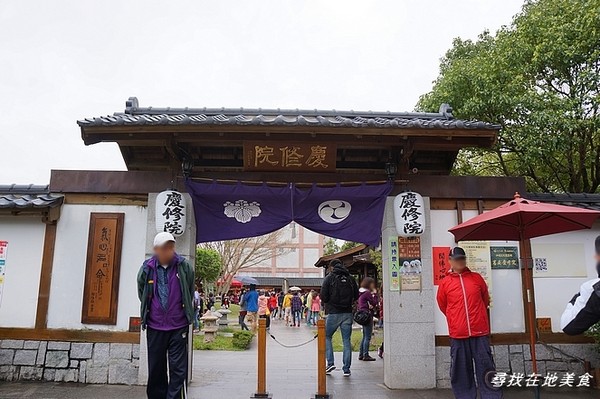
Originally established as the Yoshino Mission Hall, Kankou-in Temple is a Class III historic site in Ji’an, Hualien. In recent years, it has become a popular tourist attraction in Hualien, much like Songyuan Guesthouse. We also made sure to include this charming temple with its strong Japanese architectural style in our itinerary.
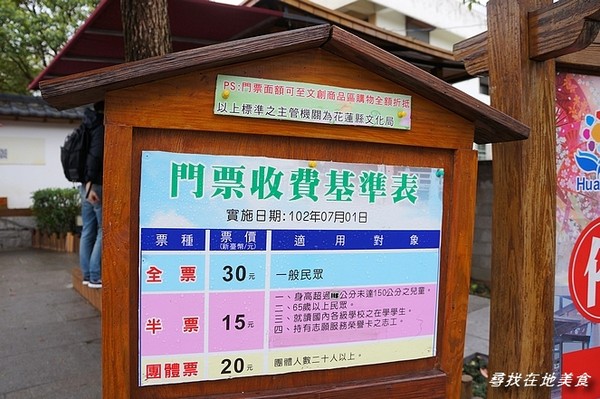
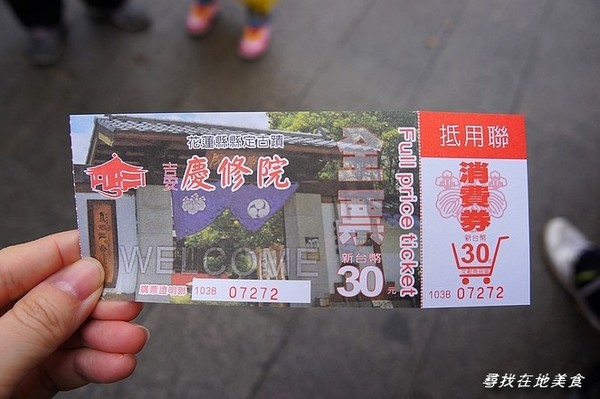
To help preserve this historic site, visitors are required to purchase tickets for entry. The general admission ticket (NT$30) can be used toward purchases within the temple grounds. For those driving, there is a free parking lot nearby, though space is limited so arrive early.

During the Japanese colonial period, most of the immigrants who settled here were from Yoshino District in Tokushima Prefecture, Shikoku Island, Japan. At that time, the area was named Yoshino. As more Japanese immigrants arrived, to soothe their homesickness, Japanese Buddhism was brought over as well. Kawabata Manji raised funds within the immigrant community to build the “Yoshino Mission Hall,” a Shingon sect Kōya school temple.
This Yoshino Mission Hall not only became a spiritual hub for the Japanese residents, but also served as a clinic, classroom, and venue for funeral services—making this colonial-era historic site even more intriguing.
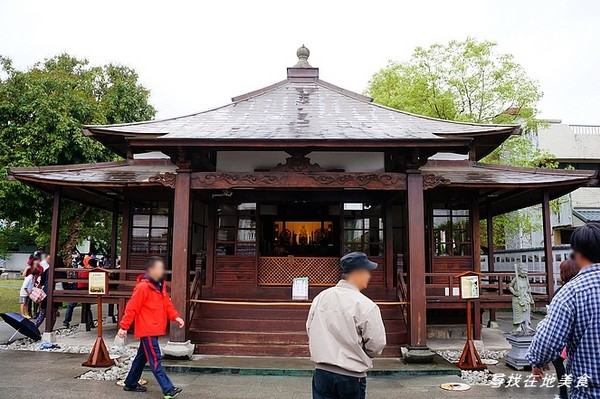
The main deities enshrined here include Fudō Myōō, Kōbō Daishi, and others. The architecture reflects the distinctive craftsmanship of the era, showcasing refined Japanese construction techniques and a serene aesthetic. The temple offers visitors a chance to explore the cultural essence of Japan that was brought and preserved in Taiwan.
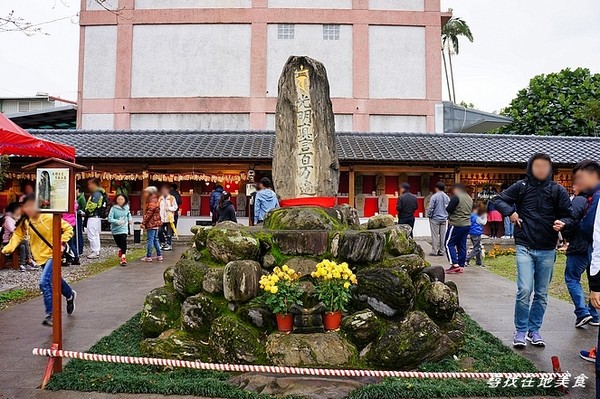
In the square stands a stone monument inscribed with the "One Million Recitations of the Light Mantra." It is said that under the guidance of a group of devotees and the presiding monk, followers walked clockwise around the stone while chanting sutras, which is believed to have healing properties.
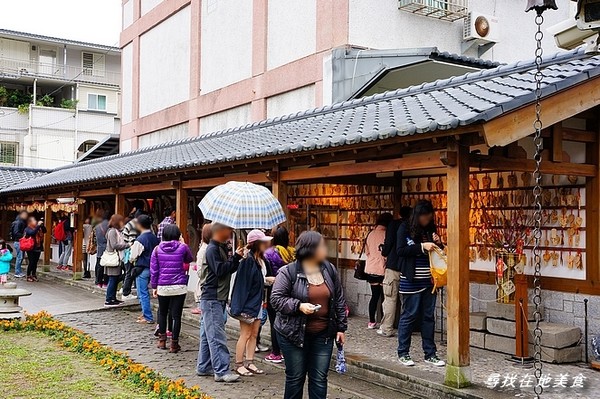
Visitors to the site often write prayers or wishes on wooden plaques, seeking spiritual solace and peace.

The eighty-eight stone Buddha statues are said to have been brought back by Kawabata Manji after he visited eighty-eight temples across Shikoku associated with Kōbō Daishi. These statues allowed worshippers to pay homage locally without having to travel long distances.
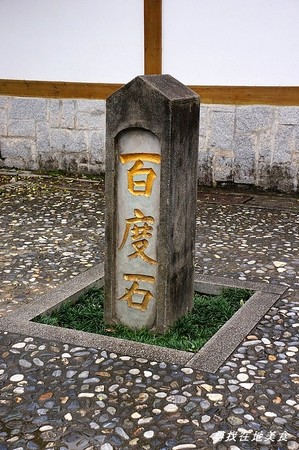
In front of the eighty-eight stone Buddhas lies the Hundred-Times Stone. Legend says that circling the stone one hundred times allows worshippers to dedicate accumulated merit to all sentient beings, and some even claim it has healing powers.
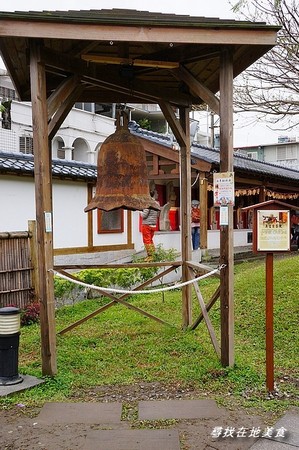
The historic temple bell is rung during the New Year’s Eve bell-ringing ceremony to usher in good fortune. It's unclear whether it is used regularly, as is common at many temples in Taiwan where bells are rung daily at dawn and dusk.
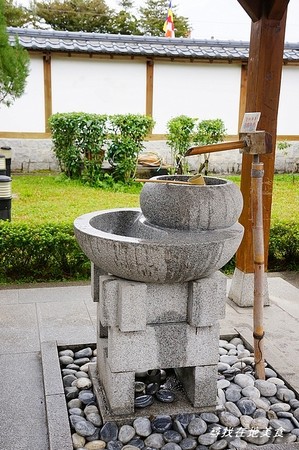
The temizuya (hand-washing station) is a small but essential feature commonly found at Japanese temples, providing worshippers a place to purify themselves before entering. Due to the crowds that day, we didn’t get to try it ourselves.
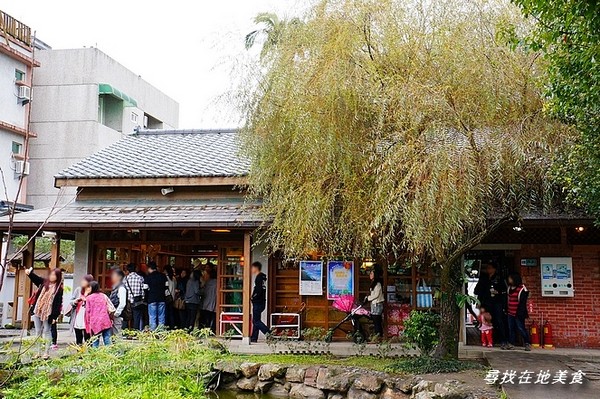
Don’t rush off after your visit—your admission ticket can be exchanged for goods at Kankou-in Temple’s gift shop, which offers a variety of creative cultural products, including both food and practical items.
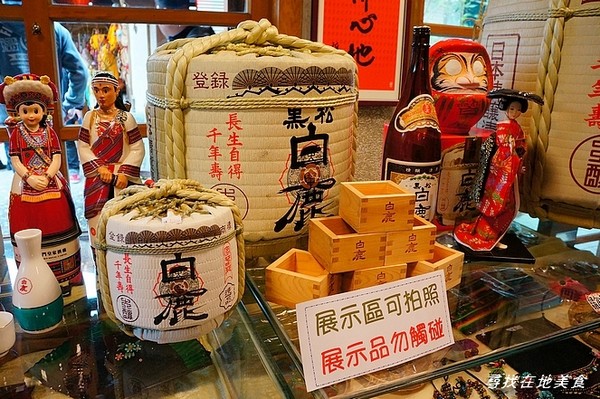
The products available blend Taiwanese and Japanese influences. However, due to the small space and large number of visitors, it’s a bit challenging to browse everything thoroughly.
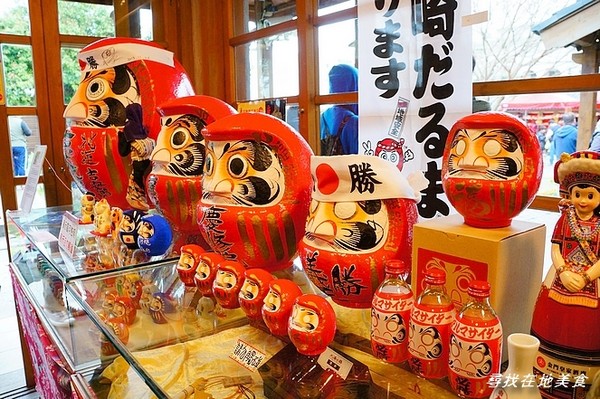
We were all eager to find items we could exchange our tickets for, so we ended up taking a quick, cursory look around.
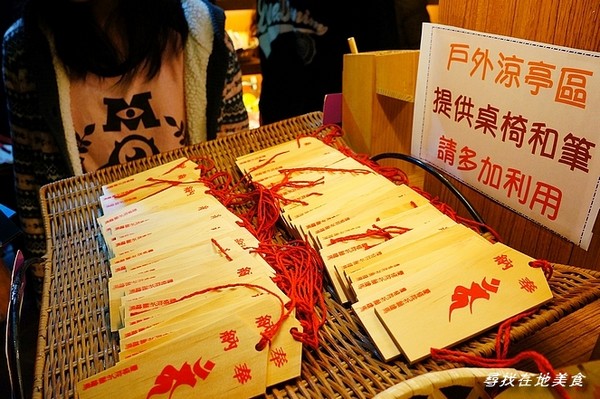
The prayer plaques we had seen earlier near the eighty-eight stone Buddhas are sold here. Visitors can fill them out and hang them outside.
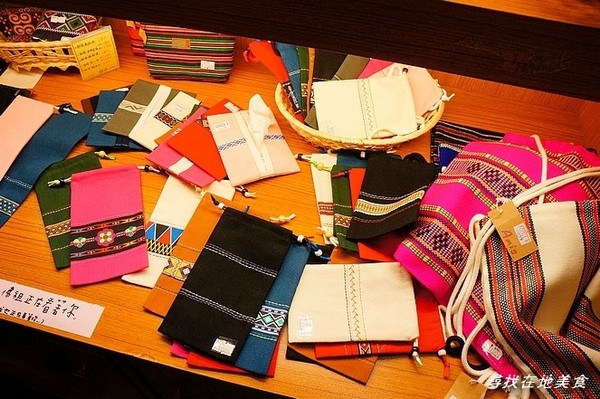
There are also small handcrafted items featuring indigenous tribal patterns, useful for holding phones or other small belongings.
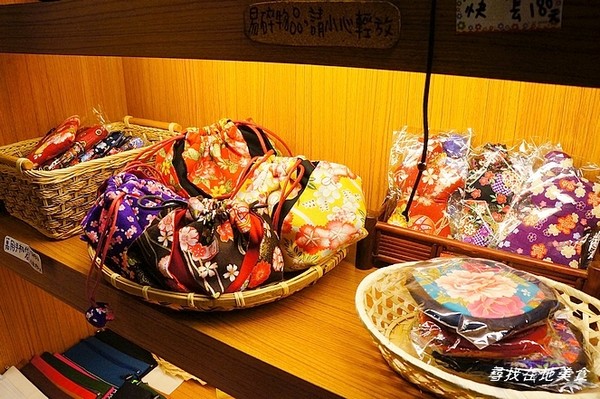
These small cloth pouches made of Hakka floral fabric are adorable, aren’t they?
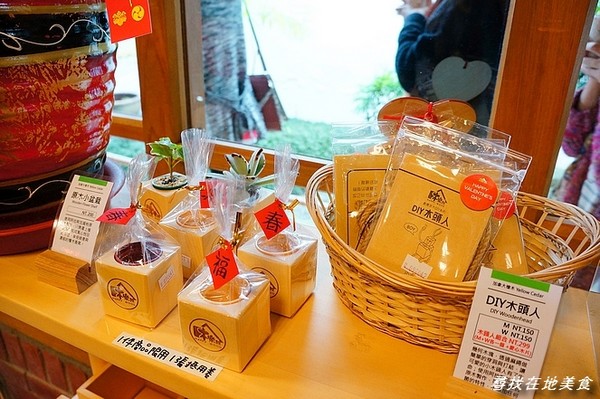
In the end, we exchanged our entrance tickets for a pack of plums and an ice pop. While the discount wasn’t huge, it was still a nice little bonus—enough to grab a snack or two.
In one corner of the square are century-old mango and lychee trees, planted in 1917 (the 6th year of the Taishō era) by the first abbot. Nearly a hundred years later, these trees remain. Kankou-in Temple is the only well-preserved Japanese-era temple in eastern Taiwan and is recognized as a national historic site. Its intact condition is the result of the dedicated efforts of many people, allowing visitors to appreciate the legacy of Japanese immigrants in Taiwan as well as the essence of their faith. As we left, the sky began to drizzle, but it didn’t dampen our enthusiasm for the next stop. After experiencing a moment of tranquility at Kankou-in Temple, we bid farewell to this peaceful village and headed back to bustling downtown Hualien.
[Kankou-in Temple]
Address: No. 345-1, Zhongxing Road, Ji’an Village, Ji’an Township, Hualien County
Tel: 03-8535479
Open Hours: 08:30–17:00
Closed: Mondays
Kaohsiung Food Adventure Blog Kaohsiung Gourmet Enthusiasts Facebook Fan Page
Share
This article is published by HowToTrip. Sharing and reposting are welcome — please credit the source.
Article URL: https://www.howtotrip.net/views-22848
Related Articles
- Shaoxing's "Grandpa Gourd" hangs the gourds back up: "If there are too many people, we'll interact less — just take a quick look from afar"
- Chinese authorities announce "reciprocal adjustment" to Japan visa fees — single-entry visa jumps from 2,250 to 16,750 yen!
- The "health stones" carried by a traveler were found to have radiation levels exceeding safety limits by a thousand times, potentially endangering fellow passengers on the same flight. Customs issues warning!
- Shenzhen Airport Issues Late-Night Notice: Unidentified Aerial Object Detected, Causing Widespread Flight Delays!
- “They only said it cost money after I opened the box and washed it!” 200g of grapes sold for 60 yuan on a high-speed train—12306 responds!
- Can't buy an airline ticket? Denied exit? Blocked from boarding? A large number of Chinese tourists have mysteriously become "discredited individuals"
- Adverse weather and economic fluctuations impact Colombia's coffee market
- Beach bathing area responds to 2 yuan/30 seconds fee for freshwater foot rinsing: Clearly priced!
- Taking off with an improperly closed cabin door? Wing malfunction? Multiple flights made emergency returns mid-journey!
- Experience the gifts of nature! A countdown of the world’s ten most stunning coastlines