North Korea
The northern part of the Korean Peninsula is a country where foreign tourists are only allowed to visit as part of organized group tours, mainly to designated routes such as Pyongyang, Kaesong, and Mount Myohyang. Strict group management regulations must be followed.
North Korea (Democratic People’s Republic of Korea)
| Capital | Pyongyang |
|---|---|
| Continent | Asia |
| Languages | Korean |
| Currency | North Korean Won (KPW ₩) |
| Time Zone | UTC+9 |
| Dialling Code | +850 |
| Area / Population | Approximately 123,000 square kilometers / Approximately 26 million |
| Visa | Most foreign visitors must apply for a visa through a North Korean-approved travel agency and enter as part of a group. Throughout the trip, they must be accompanied by a North Korean guide, cannot travel independently, and have strict limitations on itinerary, photography, and movement. If travel is essential, closely monitor the latest consular advisories, use official channels, and purchase travel insurance that includes emergency medical and evacuation coverage. |
| Best Season | The months of May–June and September–October have relatively mild weather and are commonly scheduled for official visits. Winters are extremely cold, July–August are rainy, and travel dates are usually set by the group itinerary. |
| Main Cities | Pyongyang, Kaesong, Mount Myohyang, Nampo, Wonsan, Mount Kumgang, Hamhung, Chongjin |
North Korea in Detail
Overview of North Korea
North Korea (the Democratic People’s Republic of Korea) is located in the northern part of the Korean Peninsula. It borders China across the Yalu River and the Tumen River to the north, Russia to the northeast, and South Korea along the Military Demarcation Line (commonly known as the 38th Parallel) to the south. To the east is the Sea of Japan (called the East Sea in North Korea), and to the west is the Yellow Sea (called the West Sea in North Korea). The country covers an area of approximately 123,000 square kilometers, with its capital Pyongyang situated along the lower reaches of the Taedong River. Pyongyang is the national center for politics, economy, and culture. The official language is Korean, and the country operates under a planned economy system, with a population of about 26 million.
It is important to note that North Korea has very limited openness to foreign tourists. Tourism is strictly managed, and entry is only permitted as part of officially designated group tours. All aspects of the trip—including itinerary, routes, accommodation, and interactions—are arranged by the North Korean authorities. Independent travel as commonly understood does not exist.
Geography and Climate
The terrain of North Korea is predominantly mountainous, with mountains and plateaus covering about 80% of the country. Mount Paektu is the highest peak and holds significant national symbolic importance. The western and southern regions consist of coastal plains, which are the main agricultural areas. Major rivers include the Yalu River, Tumen River, and Taedong River. The climate is temperate monsoon, with long, cold, and dry winters, short and rainy summers, and brief spring and autumn seasons. Travel is generally concentrated during the milder months.
Historical Background
The Korean Peninsula has a long and complex history. Around the turn of the Common Era, the kingdoms of Goguryeo, Baekje, and Silla emerged, forming a tripartite division. This was followed by the Unified Silla, Goryeo Dynasty, and Joseon Dynasty. After World War II ended in 1945 and Japan surrendered, the peninsula was divided along the 38th parallel, with the Soviet Union and the United States administering the respective zones. In 1948, the Democratic People’s Republic of Korea was established, leading to the ongoing division of the Korean Peninsula. The Korean War took place from 1950 to 1953, after which an armistice maintained the division along the Military Demarcation Line, and the two Koreas remain technically at war. Since then, North Korea has developed a centrally planned economy focused on heavy industry and defense, with its social development and foreign relations significantly influenced by the international environment.
Economy and Currency
North Korea operates a highly centralized planned economy, with industry, agriculture, and services largely directed by state plans. The external economic environment and multiple rounds of international sanctions have had a continuous impact on its economy. The official currency is the North Korean Won (KPW), issued by the Central Bank of the Democratic People’s Republic of Korea, where 1 won is equal to 100 chon. Due to the unique economic and circulation conditions, foreign tourists typically settle payments in foreign currencies (such as US Dollars or Euros) at designated foreign-exchange stores, hotels, and souvenir counters during their trips. The use of North Korean Won in daily travel is very limited. Those planning to visit should understand the payment methods and official regulations, and avoid carrying or using non-compliant currencies.
Culture and Society
North Korean society emphasizes collectivism and discipline, with the Juche ideology playing a central role in the country’s national ideology. Traditional Korean clothing (hanbok), folk songs and dances, and large-scale group performances are distinctive elements of the local culture. Foreign tourists are required to follow North Korean regulations regarding dress, behavior, photography, and interaction during their visit. Without permission, visitors may not leave the group, converse freely with locals, or take photos of military, government, or certain public facilities. While the local culture has its appeal, the travel experience is largely constrained by the organized management approach. Travelers should fully understand the relevant regulations and prepare accordingly before departure.
Tourism Overview
Tourism in North Korea mainly consists of officially arranged group itineraries. Common destinations include the capital Pyongyang, historical cities such as Kaesong and the Joint Security Area (DMZ), scenic Mount Myohyang, and other sites like Nampo, Wonsan, and Mount Kumgang. In Pyongyang, visits often focus on monuments, squares, subways, schools, and exhibition halls. Objectively speaking, North Korea enforces strict group management for foreign tourists, with fixed itineraries, full-time guides, and tight photography restrictions, leaving very little room for independent activities. Since 2020, North Korea has closed its borders for extended periods due to pandemic control, with policies on reopening subject to frequent changes. Several governments have issued safety advisories recommending against travel to North Korea. If travel is essential, it must be done through officially designated travel agencies, with attention to the latest consular advisories, careful assessment of safety and health risks, and readiness for possible itinerary adjustments.
Local Currency: North Korean Won (KPW)
Currency Overview
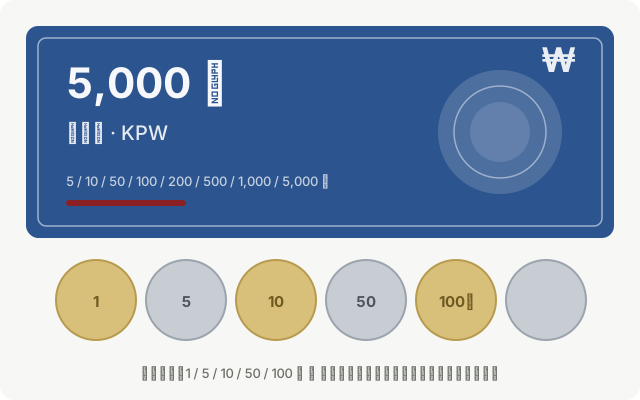
The official currency of North Korea is the North Korean Won (currency code: KPW, symbol: ₩). One won is equal to 100 chon. The currency is issued by the Central Bank of the Democratic People’s Republic of Korea. Due to the unique nature of North Korea’s economy and currency circulation, the won has extremely low convertibility abroad and is virtually not freely exchangeable in international markets. Therefore, its value is generally not understood in terms of foreign exchange market rates when traveling to North Korea. North Korea does not publish a unified market exchange rate, and there is a discrepancy between the official rate and the actual circulation environment. Foreign tourists usually settle expenses according to the payment methods designated by North Korean authorities, rather than using the North Korean Won.
Denomination System
The currently circulating banknotes of the North Korean Won include various denominations. Following the 2009 currency reform, the main denominations are 5, 10, 50, 100, 200, 500, 1,000, 2,000, and 5,000 won. The designs primarily feature themes of national development, industry and agriculture, and commemorative motifs. Coins in circulation include 1, 5, 10, 50 chon, and 1 won, though coins are rarely used in daily transactions. Different versions and years of banknotes may hold some interest in the collector’s market, but they are generally not used for everyday payments during travel.
Cash and Payment Habits
For foreign tourists, purchases in North Korea are typically made at designated foreigner-friendly hotels, restaurants, and souvenir shops, usually settled in cash in foreign currencies (such as US Dollars, Euros, etc.). The practical use of the North Korean Won in daily tourist spending is very limited. In the past, North Korea issued foreign exchange certificates for foreigners, but these have since been replaced by direct settlement in foreign currencies. Specific regulations may vary over time and are subject to arrangements made by travel agencies and North Korean authorities. International credit cards and mobile payments are generally not accepted in North Korea, and there is virtually no ATM network that accepts international cards within the country. Tourists should comply with North Korean regulations on currency and consumption, avoid unauthorized private currency exchanges or transactions with locals, and keep receipts after making purchases for record-keeping purposes.
Traveler Tips
- Carry an appropriate amount of foreign currency cash when traveling to North Korea. Specific currencies and limits should follow the regulations of the travel agency and North Korean authorities.
- The North Korean Won is generally not suitable as the primary currency for travel and does not need to be exchanged in large amounts.
- Do not display or privately trade currency in public to avoid unnecessary disputes.
- Keep cash and your passport secure during your stay. Carry valuables with you and follow the instructions of your tour guide.
Flag Meaning
Flag Design
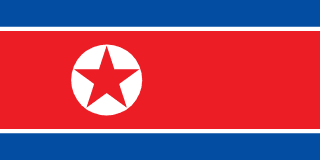
The flag of North Korea consists of horizontal stripes: wide light blue bands at the top and bottom, a narrow white stripe in the middle, and a broad red stripe in the center. On the red stripe, near the hoist side, there is a white circle containing a red five-pointed star. The flag has a 1:2 aspect ratio. The central red stripe occupies about sixty percent of the flag’s height, with white narrow stripes and light blue bands above and below. The white circle is slightly smaller than the height of the red stripe, and the red five-pointed star is centered. The red color dominates and occupies a large proportion, with the white circle and red star forming the visual focal points.
Meaning
Red symbolizes revolution and patriotism, as well as the struggle and sacrifice of the people. White represents light, purity, and a long cultural history. Light blue signifies sovereignty, peace, and friendship, reflecting unity with the people of the world. The red five-pointed star within the white circle symbolizes revolutionary tradition and ideals. The overall design emphasizes the expression of revolutionary history and national ideals, with colors and shapes that carry distinct characteristics of the era.
History and Legal Status
This flag was officially adopted in September 1948 when the Democratic People’s Republic of Korea was founded. Its design was influenced by the historical and political context of the time, and it has been in long-term use since, with minor adjustments made to the proportions of the flag and the position of the circle. The national flag, emblem, and anthem are highly respected in North Korea. The constitution and related laws specify regulations for the production standards, raising ceremonies, and usage occasions of the flag. During major holidays and commemorative events, the flag is displayed at government offices, schools, and residential areas. Foreign tourists should observe local etiquette and show respect for the national symbols when visiting related memorial sites.
North Korea Travel Guide
All Guides »Quick Guide to Traveling to North Korea: Group Tour Requirements, Safety Tips, Budget Reference, and Group Regulations
Traveling to North Korea is very different from typical international tourism: o...
Classic 6-Day Itinerary in North Korea: In-depth Visit to Pyongyang – Kaesong and the Joint Security Area – Famous Myohyangsan Mountain 6 days
Officially arranged classic tour route: Monuments and metro in central Pyongyang...
4-Day Short Trip to North Korea: Classic City Tour of Pyongyang and Kaesong 4 Days
A compact group tour for limited holidays: Visit Pyongyang’s monuments, metro, a...
Designated list of tourist sites in North Korea: Mansudae, Panmunjom, Kaesong, and Myohyangsan
Sites accessible on group tours are concentrated along the officially designated...
Guide to North Korean Cuisine: Pyongyang Cold Noodles, Kaesong Bronze Bowl Rice, Kimchi, and Dining at Foreigner-Friendly Restaurants
Group meals are primarily served at foreigner-friendly restaurants: Pyongyang co...
Travel Guide to Transportation in North Korea: International Trains, Air Koryo, and Group-Coordinated Bus Journeys
There is no self-arranged independent transport to or from North Korea: entry an...
Practical Tips for Traveling to North Korea: Group Travel Rules, Photography Restrictions, and Important Safety Advice
Ten Key Tips for Traveling to North Korea: Ministry of Foreign Affairs Safety Ad...