Lebanon
A mountain-and-sea country on the eastern Mediterranean coast, known for Beirut’s coastal cityscape, the Roman ruins of Baalbek, and the Jeita Grotto, it is also the birthplace of Lebanese cuisine.
Lebanon (Republic of Lebanon)
| Capital | Beirut |
|---|---|
| Continent | Asia |
| Languages | Arabic, French |
| Currency | Lebanese Pound (LBP ل.ل) |
| Time Zone | UTC+2 to UTC+3 (5 hours during daylight saving) |
| Dialling Code | +961 |
| Area / Population | Approximately 10,450 square kilometers / Approximately 5.5 million |
| Visa | Most foreign visitors can typically obtain a visa on arrival at Beirut-Rafic Hariri International Airport, provided they hold a passport valid for at least six months, a return or onward ticket, and proof of accommodation. The usual stay is one month, which may be extended. Due to Lebanon’s economic and regional uncertainties, check the latest travel advisories from your government before departure. Official regulations are subject to announcements by embassies/consulates and immigration authorities. |
| Best Season | The most pleasant travel seasons are April–May and September–October; winters along the coast are mild and rainy, ski resorts operate in the mountains, and inland areas can be hot in summer. |
| Main Cities | Beirut, Byblos, Baalbek, Jounieh, Tripoli, Tyre, Sidon, Mount Lebanon |
Lebanon in Detail
About Lebanon
Lebanon (officially the Republic of Lebanon) is located in the western part of Asia, on the eastern coast of the Mediterranean Sea. It borders Syria to the north and east, Israel to the south, and faces the Mediterranean Sea to the west. The country covers an area of about 10,450 square kilometers. Its capital, Beirut, lies along the Mediterranean coast and serves as the national center for politics, economy, culture, and transportation. Lebanon has a population of approximately 5.5 million, with a large diaspora spread across the world. Remittances from overseas Lebanese have long been an important part of the national economy.
Lebanon operates under a parliamentary republic system. The president is elected by parliament, and parliamentary seats as well as key government positions are allocated based on sectarian representation—a defining feature of Lebanon’s political structure. As one of the most religiously and culturally diverse countries in the Middle East, Lebanon has historically served as a bridge between East and West.
Geography and Climate
Lebanon’s terrain can be divided into four parallel zones from west to east: the narrow coastal plain along the Mediterranean Sea, where cities like Beirut, Tripoli, Sidon, and Tyre are located; the Lebanon Mountains, which run across the country with steep slopes, forests, and cedar trees; the Bekaa Valley inland, a major agricultural region; and the Anti-Lebanon Mountains to the far east, bordering Syria, with Mount Hermon as a notable landmark. The country’s highest peak, Qurnat as Sawda, rises to about 3,088 meters.
The climate is Mediterranean, with hot, dry summers (June–September) and mild, rainy winters (November–March). Rainfall is concentrated along the coast and in the mountains, where heavy snow often falls in winter. Because of the close proximity of mountains and sea, Lebanon offers unique seasonal contrasts—skiing in the mountains and seaside strolls in spring—making it a distinctive travel destination.
Historical Background
The coastal region of Lebanon is the homeland of the ancient Phoenicians. City-states like Byblos, Sidon, and Tyre were renowned for their maritime trade, alphabet, and cultural influence, leaving a lasting impact on Mediterranean civilization. The area was later ruled by Persia, Greece, Rome, and Byzantium. The Roman-era Temple of Bacchus in Baalbek remains a world-class ancient site. From the 7th century onward, Arab rule brought Islamic influence, followed by medieval periods under Crusaders, Mamluks, and Ottomans. In 1516, the region came under Ottoman control for 400 years.
After World War I, Lebanon became a French mandate. It declared independence in 1943. From 1975 to 1990, the country experienced a prolonged civil war that severely damaged infrastructure and the economy. Since then, it has undergone reconstruction, with Beirut briefly regaining its vibrancy. Since 2019, Lebanon has faced a severe economic and financial crisis, marked by currency devaluation, social strain, and economic hardship. Check the latest situation and embassy advisories before traveling.
Economy and Currency
Lebanon’s economy is service-based, with finance, trade, tourism, and remittances long serving as pillars of stability. Beirut was once a key financial and tourism hub in the Middle East. Agriculture centers on fruit, vegetables, grapes, and olives in the Bekaa Valley, and Lebanese wine has gained international recognition. However, the 2019 economic crisis has significantly affected banking, currency stability, and daily life, resulting in volatile prices and exchange rates.
The official currency is the Lebanese Pound (LBP, symbol ل.ل), issued by the Banque du Liban (Central Bank of Lebanon). Due to sharp currency depreciation and the coexistence of official and parallel market rates in recent years, U.S. dollars are widely used for large transactions, hotels, and imported goods. Travelers often carry U.S. dollars and settle using the latest exchange rates—verify current practices before your trip.
Culture and Society
Lebanese society is religiously diverse, with communities including Maronite Christians, Greek Orthodox, Sunni and Shia Muslims, and Druze. Sectarian power-sharing is a key aspect of political and social life. Arabic is the official language, while French is widely used in education, media, and elite circles. English is also commonly spoken. Lebanon has a relatively high education level and a vibrant literary, musical, and artistic scene. Beirut is known for its open and cosmopolitan character.
Cuisine-wise, Lebanese food is among the most internationally recognized in the Middle East, featuring mezze (small dishes), olive oil, herbs, and grilled meats. Popular items include hummus, tabbouleh, stuffed grape leaves, and mixed grill platters. The cedar tree is Lebanon’s national symbol, featured on the flag and national emblems, and is a source of pride in the mountain regions.
Tourism Overview
Lebanon’s attractions include historic sites and scenic landscapes: Beirut’s Corniche and Pigeon Rocks are iconic urban landmarks; the ancient cities of Byblos, Baalbek, and Tyre are UNESCO World Heritage Sites, with Baalbek’s Roman temples being especially grand. The Jeita Grotto is famous for its limestone formations and underground river. Mount Lebanon and the Cedars of God forest preserve ancient cedar trees. Jounieh, the Our Lady of Lebanon statue, and the Old City of Tripoli are also common destinations.
Note that some areas face security uncertainties, and the country has dealt with recent economic hardship and supply fluctuations. Review the latest travel advisories from your government and local embassies. Avoid sensitive or border areas, carry identification, plan carefully, and purchase appropriate travel insurance.
Local Currency: Lebanese Pound (LBP)
Currency Overview
The official currency of Lebanon is the Lebanese Pound (Lebanese Pound, currency code LBP, symbol ل.ل, also written L.L.). One Lebanese Pound equals 100 piastres. The currency is issued by the Banque du Liban (Central Bank of Lebanon). Since 2019, the Lebanese Pound has undergone significant devaluation, with multiple exchange rates (official, bank, and parallel market) in use. The system is complex—always check the latest rates and regulations before traveling.
Denominations
Banknotes in circulation are mostly high-value, including 1,000, 5,000, 10,000, 20,000, 50,000, and 100,000 Lebanese Pounds. They feature images of historical sites, natural landscapes, and national symbols. Coins include 100, 250, and 500 Lebanese Pounds, though small denominations are rarely used due to inflation. Be careful when handling cash due to the large numbers involved.
Cash and Payment Habits
Cash is still the primary method of payment in Lebanon. U.S. dollars are widely accepted, especially in hotels, larger restaurants, for imported goods, and long-distance transport—prices may be quoted and settled in dollars, with change possibly given in Lebanese Pounds. International credit cards are accepted at some hotels and shops, but acceptance varies due to economic and banking issues, and ATM withdrawals may be limited. Carry sufficient U.S. dollars in small denominations and keep them secure.
Traveler Tips
- Exchange rates for the Lebanese Pound fluctuate greatly—always use the most up-to-date rates.
- U.S. dollars are widely used; carrying small-denomination bills is most practical.
- Confirm whether prices are quoted in dollars or Lebanese Pounds, and double-check change received.
- Credit card and ATM services are unreliable—carry enough cash and protect your funds.
Flag Meaning
Flag Design
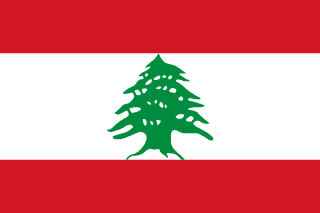
The Lebanese flag consists of three horizontal stripes: two red stripes at the top and bottom, and a white stripe in the middle. At the center of the white stripe is a green cedar tree. The flag’s proportions are 3:2. The red stripes each occupy one-quarter of the flag’s height, and the white stripe occupies half. The cedar tree is about one-third the width of the flag and points upward in a simple, dignified style.
Meaning
Red symbolizes the sacrifices made for independence and freedom, as well as courage and strength. White stands for peace and purity, and echoes the snow-capped peaks of Lebanon’s mountains. The green cedar is Lebanon’s oldest national symbol, mentioned in historical and religious texts, representing eternity, holiness, and resilience. Together, the colors and cedar embody Lebanese national identity.
History and Legal Status
The cedar tree has been a symbol of the land since antiquity and is mentioned numerous times in the Bible. The current red-white-red flag with the cedar was officially adopted upon Lebanon’s independence in 1943. Legend says its design was inspired by the emotions of the Lebanese diaspora and local traditions. It has remained the national flag ever since, with its colors, proportions, and cedar design legally defined, making it a core emblem of Lebanon’s national image.
Today, the flag is widely displayed at government buildings, schools, sports events, and by the Lebanese diaspora. The green cedar also appears on local trademarks, souvenirs, and public architecture. During Independence Day celebrations, the flag is prominently displayed nationwide, adorning Beirut’s streets in red, white, and cedar motifs. Visitors are encouraged to respect the flag and related national symbols.
Lebanon Travel Guide
All Guides »Lebanon Travel Quick Guide: Visa & Entry, Safety Tips, Seasons & Budget
Before traveling to Lebanon, understand visa requirements, safety conditions, th...
Lebanon 7-Day Classic Route: Beirut – Byblos – Baalbek – Cedar Mountain – Tripoli 7 days
From seaside cities to Roman temples, from cedar forests to ancient mountain tow...
Lebanon 4-Day Itinerary: Beirut, Byblos & Highlights of Mountains and Sea 4 days
See the highlights even with limited time: the capital’s old town, ancient port ...
Must-Visit Attractions in Lebanon: World Heritage Sites, Limestone Caves, and Cedar Forests
From Beirut’s seaside landmarks to the Roman temples of Baalbek, from the Jeita ...
Lebanese Food Guide: Mezze, Grilled Dishes & Arabic Sweets
Lebanese cuisine is one of the most influential in the Middle East. From mezze p...
Lebanon Transportation Guide: Airport Transfers, Private Cars, and Intercity Travel
Lebanon has no reliable urban rail system. Taxis, private cars, and intercity mi...
10 Practical Tips for Traveling in Lebanon
From safety advisories to cash preparation, religious etiquette to mountain warm...