Jamaica
A Caribbean island nation known for its vacation resorts, reggae music, and sprinting prowess, famous for Seven Mile Beach, Dunn's River Falls, and Blue Mountain Coffee.
Jamaica
| Capital | Kingston |
|---|---|
| Continent | North America |
| Languages | English |
| Currency | Jamaican Dollar (JMD J$) |
| Time Zone | UTC-5 |
| Dialling Code | +1 876 |
| Area / Population | Approximately 11,000 square kilometers / Approximately 2.9 million |
| Visa | Most foreign visitors can enter Jamaica visa-free (for stays usually up to 30 days) upon presentation of a return ticket, accommodation reservation, and proof of sufficient funds. Policies may change; please confirm the latest entry requirements with the Jamaican embassy or consulate in your country or via your national foreign affairs portal before traveling. |
| Best Season | The dry season runs from December to April, featuring clear weather and low humidity—ideal for beach holidays and outdoor activities. The rainy season is from May to November, with hurricanes possible between August and October. |
| Main Cities | Kingston, Montego Bay, Negril, Ocho Rios, Port Antonio, Falmouth, Blue Mountains, Mandeville |
Jamaica in Detail
Jamaica at a Glance
Jamaica is located in the northwest Caribbean Sea and is part of the Greater Antilles. It lies about 145 kilometers south of Cuba and faces Haiti across the sea to the east. Covering an area of approximately 11,000 square kilometers, it is the third-largest island in the Caribbean. The capital, Kingston, situated on the southeastern coast, serves as the national center for politics, economy, culture, and shipping. The second-largest city, Montego Bay, on the northwestern coast, is the main tourism gateway and cruise ship port. The official language is English, though Jamaican Patois is widely spoken among locals. The population is around 2.9 million.
Jamaica is one of the most well-known countries in the Caribbean, globally recognized for its reggae music, sprinting athletes, rum, and vibrant island culture. The country is divided into 14 parishes, with tourism and mining (bauxite and alumina) as key economic pillars. Jamaica is also a member of the Commonwealth.
Geography and Climate
Jamaica's terrain is dominated by mountains and limestone plateaus, with the Blue Mountains stretching across the eastern part of the island. The highest peak, Blue Mountain Peak, rises to about 2,256 meters. The northern and western coasts feature white-sand beaches and coral reefs, while the southern coast includes Kingston Bay and natural harbors. The island has short rivers and numerous waterfalls. The Blue Mountains and John Crow Mountains are important coffee-growing regions and nature reserves, and the eastern part is home to famous attractions like the Blue Hole and the Rio Grande Valley.
The climate is tropical maritime, warm year-round. Coastal areas have average temperatures of about 26–28°C, while mountainous regions are cooler. The dry season is from December to April, and the rainy season from May to November, with August to October being the peak period for hurricanes. There are slight climatic differences between the north and south, with Montego Bay and Ocho Rios on the north coast suitable for year-round vacations, while Kingston on the south coast is drier and hotter. Overall, the best time to visit is from December to April.
History
The earliest inhabitants of Jamaica were the Taíno people from South America. Christopher Columbus arrived during his second voyage in 1494. Spanish colonization began in 1509, leading to the near-extinction of the indigenous population due to enslavement and disease. In 1655, Britain seized Jamaica from Spain and developed large sugarcane plantations, importing many enslaved Africans. Sugarcane and rum made Jamaica a significant colonial economy in the Caribbean. Escaped slaves, known as Maroons, resisted in the mountains for years, leaving behind legendary communities and figures like the female leader Nanny.
In 1834, Britain abolished slavery (with full emancipation completed by 1838), leading to gradual social transformation. In the 20th century, Jamaica experienced anti-colonial and independence movements, officially gaining independence on August 6, 1962, and joining the Commonwealth. Since then, Jamaican culture has gained global recognition, with reggae music and sprinting becoming national symbols, influenced by figures like Marcus Garvey and Bob Marley.
Economy and Currency
Jamaica’s economy relies on tourism, mining (bauxite and alumina), agriculture, and services. Tourism contributes significantly to GDP and employment and is a major source of foreign exchange. Bauxite exports have long ranked among the world’s top. Agriculture centers on sugarcane, bananas, coffee, and cocoa, with Blue Mountain Coffee renowned for its quality and scarcity, though production is limited and prices are high, making it a premium global coffee. Remittances and offshore services are also important income sources. In recent years, Jamaica has continued efforts in debt restructuring and economic reform.
The official currency is the Jamaican Dollar (JMD, symbol J$), issued by the Bank of Jamaica, with 1 dollar equal to 100 cents. The Jamaican Dollar is a floating currency that has gradually depreciated over time. While the US dollar is widely accepted in tourist areas and serves as a de facto secondary currency, the Jamaican Dollar remains the primary legal tender.
Culture and Society
Jamaican culture blends African, British, Spanish, and Caribbean traditions, exerting influence far beyond its size. In music, reggae—as well as ska and dancehall—originated on Jamaican streets and has had a profound impact on global pop music. Reggae pioneer Bob Marley is a global cultural icon, and his former home is now a museum. In religion and society, Rastafari originated in Jamaica, closely tied to reggae culture and African identity. Civil rights leader Marcus Garvey was also Jamaican.
In sports, Jamaica is a global powerhouse in sprinting, producing Olympic champions like Usain Bolt and Shelly-Ann Fraser-Pryce, who have long dominated track and field events. The local cuisine features jerk chicken and pork, ackee and saltfish (the national dish), curry goat, and rice with peas. Popular drinks include Appleton and Wray & Nephew rums, as well as Red Stripe beer. Jamaican society is outgoing, with vibrant street music, dance, and market culture.
Tourism Overview
Jamaica is one of the Caribbean’s most popular resort destinations, with well-developed and diverse tourism facilities. The northern coastline is the main hub: Doctor’s Cave Beach and Rose Hall Great House in Montego Bay, Dunn’s River Falls (a climbable terraced waterfall) and Mystic Mountain in Ocho Rios, and Seven Mile Beach in Negril (famous for sunsets) on the west coast. On the south coast, Kingston offers the Bob Marley Museum, Devon House, and Hope Botanical Gardens. The eastern Blue Mountains are ideal for hiking and coffee estate tours, and the area also features the Blue Hole and Boston Bay’s jerk food.
Overall, tourist areas in Jamaica are relatively safe, with resorts and hotels offering security, but some neighborhoods in cities like Kingston carry risks. Avoid walking alone at night or venturing into remote areas, and keep valuables secure. Most foreign visitors can enter Jamaica visa-free, but specific entry conditions and stay durations are subject to Jamaican regulations.
Local Currency: Jamaican Dollar (JMD)
Currency Overview
The official currency of Jamaica is the Jamaican Dollar (currency code JMD, symbol J$, also written JA$), issued by the Bank of Jamaica. One Jamaican Dollar equals 100 cents, though cents are rarely used in practice. The Jamaican Dollar is a floating currency that has gradually depreciated over time, with the exchange rate against the US dollar rising from around 60–80:1 historically to over 150:1. Always check the current rate before traveling. The US dollar is widely accepted in tourist areas and serves as a de facto secondary currency, with hotels and large resorts often quoting prices in USD. The Bank of Jamaica manages monetary policy, using interest rates and foreign exchange operations to control inflation and exchange rates. As a key tourism-driven economy in the Caribbean, the value of the Jamaican Dollar is also influenced by the tourism season and remittance inflows.
Denominations
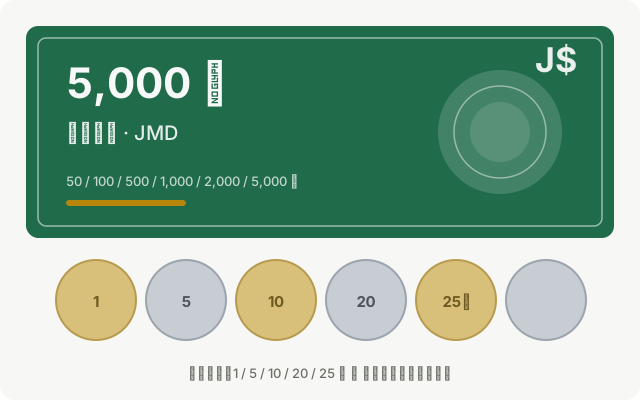
Current banknotes include denominations of 50, 100, 500, 1,000, and 5,000 Jamaican Dollars. The front features portraits of notable historical and political figures (such as Marcus Garvey, Alexander Bustamante, and Norman Manley) and landmarks, while the back showcases scenery and artwork. Since 2023, the Bank of Jamaica has introduced new polymer banknotes with enhanced colors and security features, though older paper notes remain in circulation. Coins come in 1, 5, 10, 20 Jamaican Dollars and 25, 50 cents. Small transactions typically use coins or higher-denomination bills like 20, 25, and 50 Jamaican Dollars. Carry small change for buses and snacks. Each denomination is color-coded, and the new polymer notes are more durable and secure, holding up well in the tropical climate and convenient for daily use.
Cash and Payment Habits
Credit and debit cards are widely accepted in tourist areas, including hotels, restaurants, supermarkets, and car rental companies—especially Visa, Mastercard, and American Express. However, markets, food stalls, buses, and rural shops mostly deal in cash. The US dollar is commonly accepted in resort areas, often priced and settled in USD, with change possibly given in Jamaican Dollars at a merchant-set rate (usually slightly below the bank rate). ATMs are available in towns and tourist zones and dispense both Jamaican Dollars and some US Dollars, but watch out for fees and exchange rate differences. Use machines inside banks or malls when possible. Outside resort areas, card payments may incur extra fees or minimum spending requirements. Carry some Jamaican Dollars in cash to avoid inconvenience.
Traveler Tips
- Use Jamaican Dollars for small purchases; USD is suitable for larger expenses like hotels or car rentals, but exchange rates for change may be unfavorable.
- Always confirm whether the transaction is in J$ or USD before using a card to avoid unfavorable currency conversion.
- Use ATMs located in banks or shopping malls, avoid isolated areas, and don’t count cash in public after withdrawing.
- Service charges and taxes are usually included in restaurant bills; if not, a 10–15% tip is appreciated.
Flag Meaning
Flag Design
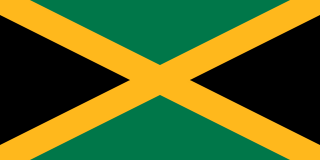
The Jamaican flag features a saltire (diagonal cross) design: a wide yellow (gold) cross divides the flag into four triangular sections—green triangles at the top and bottom, and black triangles to the hoist side and fly side. The flag has a 1:2 aspect ratio. The bold yellow, green, and black colors and symmetrical design make it one of the most recognizable flags in the Caribbean, especially prominent at sporting events and reggae cultural gatherings. Among Caribbean national flags, Jamaica’s stands out for its full diagonal cross and balanced triangular layout.
Meaning
Green symbolizes the island’s lush vegetation and agriculture, as well as hope and fertile land. Yellow (gold) represents sunshine and the country’s natural resource wealth. Black signifies the strength and resilience of the Jamaican people, who endured slavery and hardship, and also stands for unity. According to the flag’s designer, Jamaica’s first Prime Minister Alexander Bustamante, the design emphasizes “sun, land, and people,” with the saltire echoing British flag traditions. An earlier proposal for a Caribbean federation featured a blue background with a cross, but independent Jamaica adopted its current colors to better express its national identity. The three colors also serve as a reminder of the struggles against slavery and the fight for freedom, carrying deep historical meaning.
History and Legal Status
Jamaica raised this new flag on August 6, 1962, the day it gained independence from Britain. The design was selected through a national competition and symbolizes independence and national identity. Independence Day and national celebrations on August 6 feature flag-raising ceremonies. The flag is prominently displayed at government buildings, schools, and sporting events—especially track meets—becoming a symbol of national pride. Sprinters like Usain Bolt are often seen draped in the flag after victories. Jamaica has laws governing the proper use of the flag, which visitors should respect.
Jamaica Travel Guide
All Guides »Jamaica Travel Quick Guide: Visa, Seasons, Budget, Accommodation & Etiquette Taboos
All-in-one pre-trip essentials: visa-free entry, dry season window, all-inclusiv...
Classic 7-Day Jamaica Itinerary: Kingston – Blue Mountains – Ocho Rios – Montego Bay – Negril 7 days
From the capital’s reggae culture to waterfalls on the north coast and sunset vi...
Jamaica 4-Day Short Trip: Montego Bay, Negril, and Seven Mile Beach 4 days
Just want to soak up the sun and listen to reggae? Spend four days on the west c...
Must-visit attractions in Jamaica: reggae culture, waterfalls, and Seven Mile Beach highlights
Organized by region—Kingston, North Coast, and West Coast—this guide covers Jama...
Jamaica Food Guide: Jerk Chicken, Ackee & Saltfish with Rum
From spicy jerk to the national dish of ackee and saltfish, Jamaican flavors are...
Jamaica Transportation Guide: Airports, JUTA Taxis, Private Transfers, and Driving on the Left
Two international airports, JUTA taxis, and driving on the left—start here for g...
10 Practical Tips for Traveling in Jamaica: Sun Protection, Currency, Transport & Safety
From all-inclusive packages to sun protection and mosquito prevention, these det...