Libya
A North African powerhouse on the southern Mediterranean coast, home to five UNESCO World Heritage Sites including Leptis Magna, Cyrene, and Ghadames, but long-term travel restrictions have been in place since political fragmentation in 2011.
Libya
| Capital | Tripoli |
|---|---|
| Continent | Africa |
| Languages | Arabic |
| Currency | Libyan Dinar (LYD ل.د) |
| Time Zone | UTC+2 (Central European Time) |
| Dialling Code | +218 |
| Area / Population | Approximately 1.76 million square kilometers / Approximately 7 million |
| Visa | Libya faces severe security risks. The country's foreign ministry and international authorities have repeatedly issued safety warnings advising against travel. Since 2011, Libya has been politically fragmented, with ongoing armed conflicts and the presence of militant groups. There is no standard tourist visa channel for most foreign visitors. If travel is essential for official purposes, monitor the latest travel advisories from your government and purchase insurance covering emergency evacuation. |
| Best Season | Climatically, coastal areas are relatively more favorable for travel from March to May and October to November, while inland deserts experience extreme day-night temperature variations. Importantly: current security conditions outweigh climate considerations—any plans must prioritize consular advisories. |
| Main Cities | Tripoli, Benghazi, Misrata, Sabratha, Leptis Magna, Cyrene, Ghadames, Sabha |
Libya in Detail
Overview of Libya
Libya (officially the State of Libya) is located in North Africa along the southern Mediterranean coast, making it the largest country in the Maghreb region and the fourth-largest in Africa. It borders Egypt to the east, Sudan to the southeast, Chad and Niger to the south, Algeria to the west, and Tunisia to the northwest, with a Mediterranean coastline of about 1,900 kilometers. The country covers approximately 1.76 million square kilometers, over 90% of which consists of Sahara Desert and semi-desert. The capital, Tripoli, is situated on the northwestern coast and serves as the nation’s largest city and political-economic hub. The second-largest city, Benghazi, lies in the eastern Cyrenaica region and is a key hub for the area.
Historically, Libya was divided into three regions: Tripolitania, Cyrenaica, and Fezzan. This geographic division continues to influence its political landscape. After Muammar Gaddafi came to power in 1969 and ruled for decades, the 2011 civil war led to a regime change. Since then, the country has remained split between two rival governments and multiple armed factions. A major conflict resumed from 2014 to 2020, and the transitional government formed in 2021 failed to hold elections as scheduled, leaving the political situation unresolved. This reality directly shapes Libya’s current travel environment.
Geography and Climate
Libya’s terrain can be broadly divided into three parts: a narrow coastal plain along the northern Mediterranean coast, characterized by a mild climate where most of the population and agriculture are concentrated. Major cities like Tripoli, Misrata, and Benghazi are located here. The central region consists of plateaus and gravel deserts rising gradually from north to south. The vast southern Sahara Desert, centered around the Fezzan region, includes oases such as Sabha, Ghadames, and Ghat. The country lacks perennial rivers, relying on oases and groundwater, which also shape unique wadi and sand-sea landscapes.
Climatically, the coastal areas have a Mediterranean climate with mild, rainy winters and hot, dry summers. Inland, the tropical desert climate brings extreme day-night and seasonal temperature swings, with summer daytime highs often exceeding 40°C and winter nights approaching freezing. The Sahara region occasionally experiences dry winds and sandstorms, so travelers should closely monitor weather conditions. Ideally, the best travel periods along the coast are March to May and October to November, but current security concerns outweigh climate factors in travel decisions.
Historical Background
Libya’s history is remarkably layered: as early as the 7th century BC, Greeks established colonial city-states in eastern Cyrene, with Greek temples and theaters still standing today. Around the same time, Phoenicians and Carthaginians set up trading posts along the western coast. From the 2nd century BC, the region was ruled by the Romans, and Leptis Magna and Sabratha flourished as prosperous Roman cities. Leptis Magna, birthplace of Emperor Septimius Severus, is considered one of the best-preserved Roman cities in the Mediterranean.
After the 7th-century Arab conquest, Libya gradually became Islamicized and Arabized. From the 16th century, it was influenced by the Ottoman Empire, occupied by Italy in 1911, and became a key battleground in North Africa during WWII. In 1951, with UN support, the Kingdom of Libya was established. In 1969, Gaddafi staged a coup, founded a republic, and ruled for decades. The 2011 civil war toppled his regime, plunging the country into division and turmoil. Major armed conflicts resumed from 2014 to 2020, severely damaging society and infrastructure.
Economy and Currency
Libya’s economy is heavily reliant on oil and natural gas, with the largest proven oil reserves in Africa. Oil exports account for the majority of government revenue, and natural gas is also exported extensively to Europe. Beyond energy, agriculture is limited, mainly in coastal oases and irrigated areas, producing wheat, barley, citrus fruits, dates, and olives. Desert oases have historically survived on dates and transit trade. The official currency is the Libyan Dinar (LYD), issued by the Central Bank of Libya. Due to political fragmentation and liquidity constraints, cash is relatively scarce, and exchange rates exist in both official and parallel markets.
Culture and Society
Libyan society is predominantly Arab-Islamic, with enduring traditions of Berber (Amazigh) and Tuareg ethnic groups. The Tuareg people in the southern deserts retain distinctive clothing, scripts, and nomadic cultures. The vast majority of the population practices Sunni Islam, deeply influencing social life, festivals, and cuisine. Friday is the weekly day of prayer (Jumu’ah), and public eating or drinking during Ramadan daylight hours requires caution.
Culturally, the traditional backdrop includes mud-brick architecture in oasis towns, handwoven carpets, silver jewelry, and date trade. The arched alleyways of Ghadames’ old town and rock art in the Fezzan region document prehistoric human activity in the Sahara during wetter periods. Coffee and mint tea are standard hospitality offerings, while family and tribal networks remain influential in daily life.
Tourism Overview
From a cultural and archaeological perspective, Libya boasts world-class resources: five UNESCO World Heritage Sites, including the Roman ruins of Leptis Magna and Sabratha, the Greek ruins of Cyrene, the desert pearl of Ghadames’ old town, and the prehistoric rock art of Tadrart Acacus in Fezzan. Additionally, there are vast Sahara landscapes and rich Roman and Greek antiquities. However, it must be emphasized: the country has been politically fragmented since 2011, with persistent armed conflicts and militant groups. Risks include kidnapping, robbery, and terrorist attacks, while medical and evacuation services are extremely limited. Current conditions do not support normal tourism. Content on this page and related sections about Libya’s attractions, food, and transport is purely for cultural and geographical knowledge—not travel advice.
Local Currency: Libyan Dinar (LYD)
Currency Overview
The official currency of Libya is the Libyan Dinar (currency code: LYD, symbol: ل.د, often abbreviated as LD internationally). One dinar equals 1,000 dirhams (dirham), though dirhams as subunits are rarely used in daily transactions, with pricing typically based on dinars. The Central Bank of Libya is the sole issuer of currency. Since 2014, due to political fragmentation and institutional divisions, the central bank has effectively split, affecting currency issuance and liquidity management. Cash availability fluctuates, contributing to the coexistence of cash and foreign currency in local transactions.
Denomination System
Current Libyan Dinar banknotes in circulation mainly come in denominations of 1, 5, 10, 20, and 50 dinars, distinguished by color and design. Notes feature national symbols, historic landmarks, and figures. Coins include 50 and 100 dirhams, as well as 250 dirhams (quarter dinar) and 500 dirhams (half dinar). Due to multiple past issuances and limited withdrawal of old notes, various vintages may circulate simultaneously. Check for authenticity and condition when transacting, and be prepared for potential difficulties in getting change for large bills.
Cash and Payment Practices
Libya is a cash-dependent economy with very limited card acceptance. International credit cards are generally unusable at most merchants. ATMs are concentrated in major cities like Tripoli and Benghazi but are subject to power, network, and liquidity issues, leading to inconsistent withdrawal success. US dollars and euros in cash function as de facto hard currencies, often used for quoting or settling hotel stays, car rentals, and larger transactions. Exchange rates vary significantly between official and market rates.
For travelers (currently not advised to visit), US dollars or euros in cash—preferably newer, undamaged bills—should be the primary payment method. Exchange only through official channels to avoid legal and security risks associated with black-market deals.
Traveler Notes
- The Ministry of Foreign Affairs’ Consular Protection Center has repeatedly advised against travel to Libya. This section is for informational purposes only—do not base travel plans on it.
- Cash in US dollars or euros is preferred. Carry newer bills and distribute them securely. Foreign currency declarations may be required upon entry—declare truthfully.
- The Libyan Dinar is nearly impossible to exchange outside the country. Plan cash usage carefully before departure and avoid carrying excessive local currency out.
- Significant gaps exist between official and market exchange rates. Always use banks or authorized channels to exchange money, avoiding legal and safety risks.
Flag Meaning
Flag Design
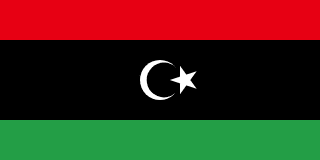
The Libyan flag consists of three horizontal stripes in red, black, and green, from top to bottom. The central black stripe is roughly twice as wide as the red and green stripes. At the center of the black band is a white crescent moon and a white five-pointed star, with the crescent opening upward and the star positioned slightly above and to its side. The flag has an aspect ratio of 1:2, giving it a tall, slender appearance with a symmetrical and dignified composition. This design revives the flag used during the Kingdom of Libya in 1951, reinstated in 2011 by the National Transitional Council.
Symbolism
Each color carries meaning: red represents the sacrifices and bloodshed for freedom and independence, as well as historical resistance against foreign domination. Black symbolizes both the dark years of Italian colonial rule in the early 20th century and echoes the Mahdist banner, signifying resilience. Green stands for Islamic faith, prosperity, and agriculture, traditionally representing luck and life in Libyan culture. The white crescent and star are classic Islamic symbols, also reflecting pan-Arab flag traditions, signifying unity of faith and nation.
History and Legal Status
This red-black-green tricolor flag was first adopted in 1951 when Libya gained independence as a kingdom, designed by Omar Faiek Shennib. After Gaddafi’s 1969 coup, the flag underwent multiple changes. From 1977 onward, it was replaced by a solid green flag for over 30 years, becoming an iconic symbol of that era and often interpreted as tied to personalized authority.
In February 2011, opposition forces in Benghazi raised the 1951 tricolor as a symbol of resistance. In August of the same year, the National Transitional Council officially reinstated it as the national flag, where it remains in use. Libya’s current constitutional declaration recognizes this flag as a national symbol, flown at government buildings, embassies, and international events. It stands as one of the few widely acknowledged national emblems amid the country’s division.
Libya Travel Guide
All Guides »Libya Travel Snapshot: Safety Situation, Visa, Seasons & Budget Guide
Review the safety situation first, then check visa, seasonal factors, and costs ...
7-Day Cultural and Geographic Tour in Libya: Tripoli – Roman Ruins – Sahara Oasis (Currently Not Advisable) 7 Days
This itinerary connects Tripoli, Sabratha, Leptis Magna, Ghadames, and Fezzan wi...
Libya 4-Day Short Trip: Tripoli and Two Major Roman Ruins Knowledge Tour (Currently Not Advisable to Visit) 4 days
A conceptual 4-day itinerary centered around the capital Tripoli and the two maj...
A list of World Heritage Sites and historic landmarks in Libya: from Leptis Magna to Ghadames
An overview of Libya’s five World Heritage Sites and representative ancient monu...
Libya Food Guide: Couscous, Dates, and Mediterranean Spices
Libyan cuisine, where North African desert traditions meet the Mediterranean, is...
Travel Guide for Transportation and Safety in Libya: Flights, Domestic Routes, and Escort Arrangements
Libya is a vast country with high risks on land routes, making air travel and es...
10 Safety and Practical Tips for Traveling in Libya
These ten tips focus on safety and cover consular advisories, insurance, currenc...